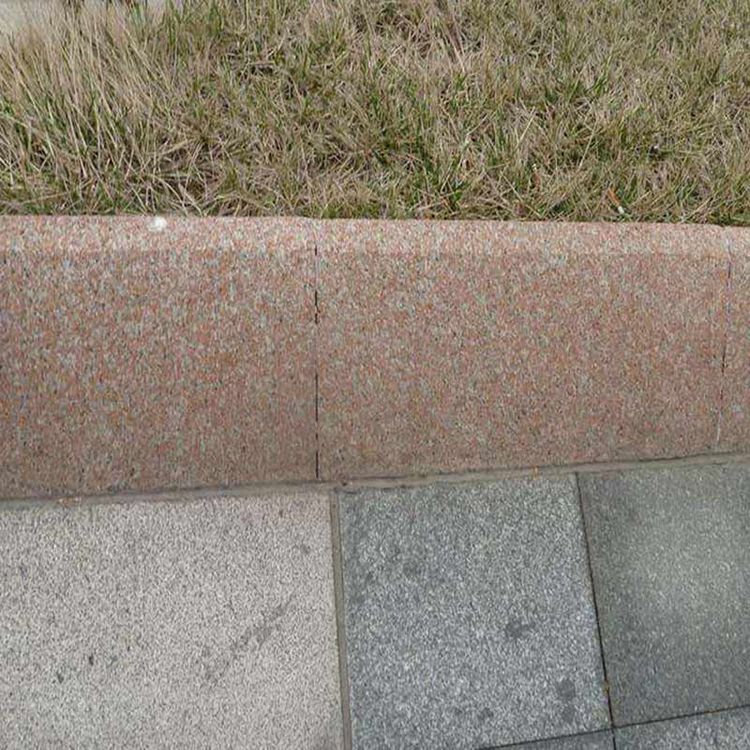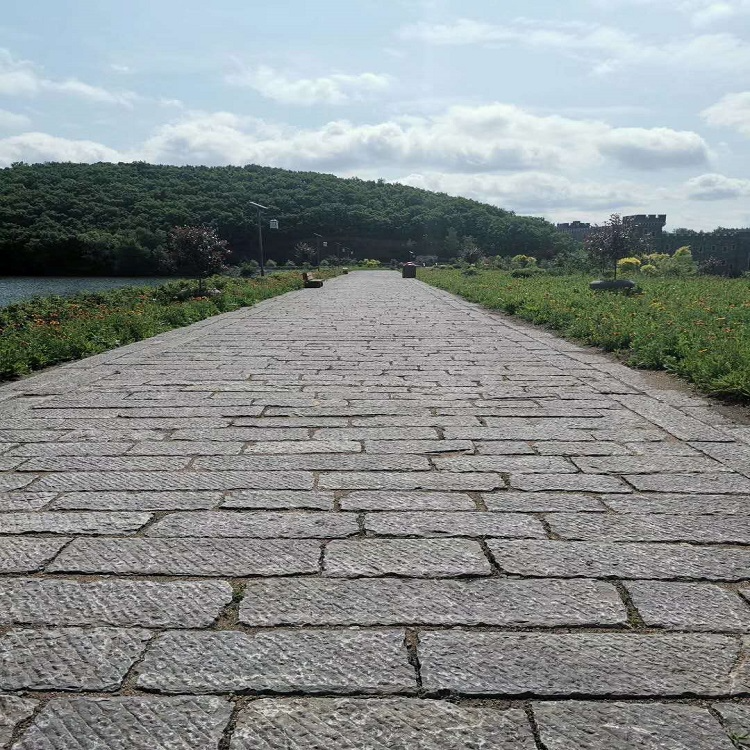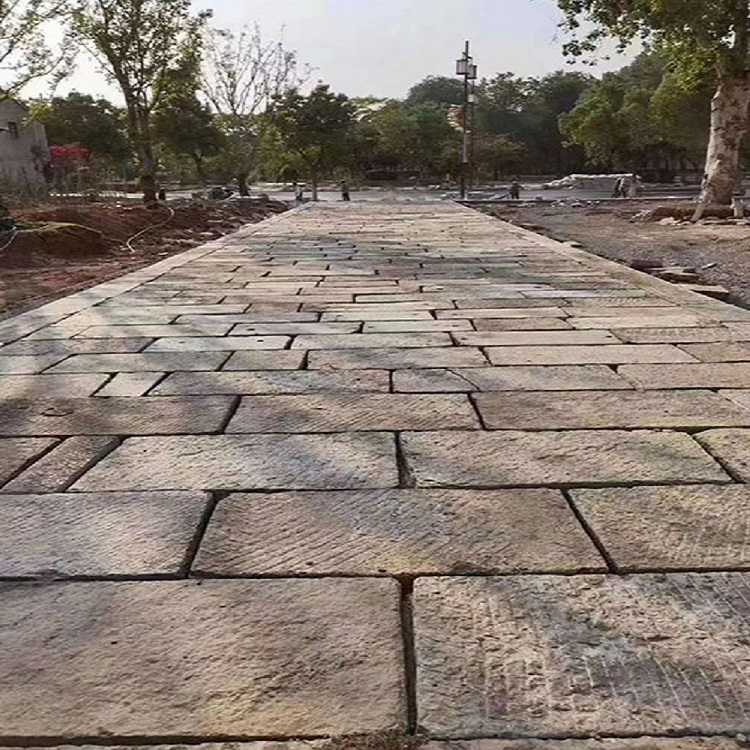



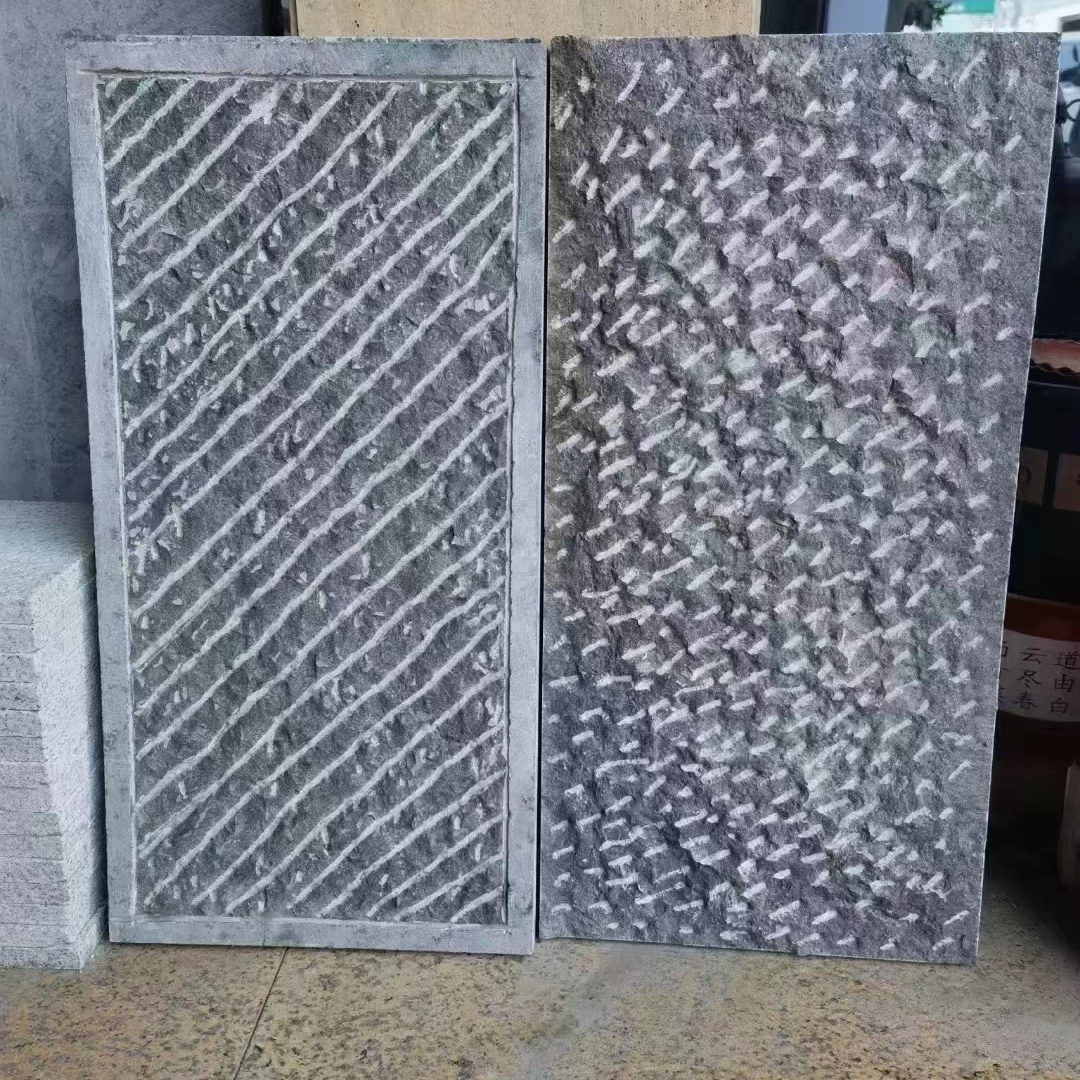
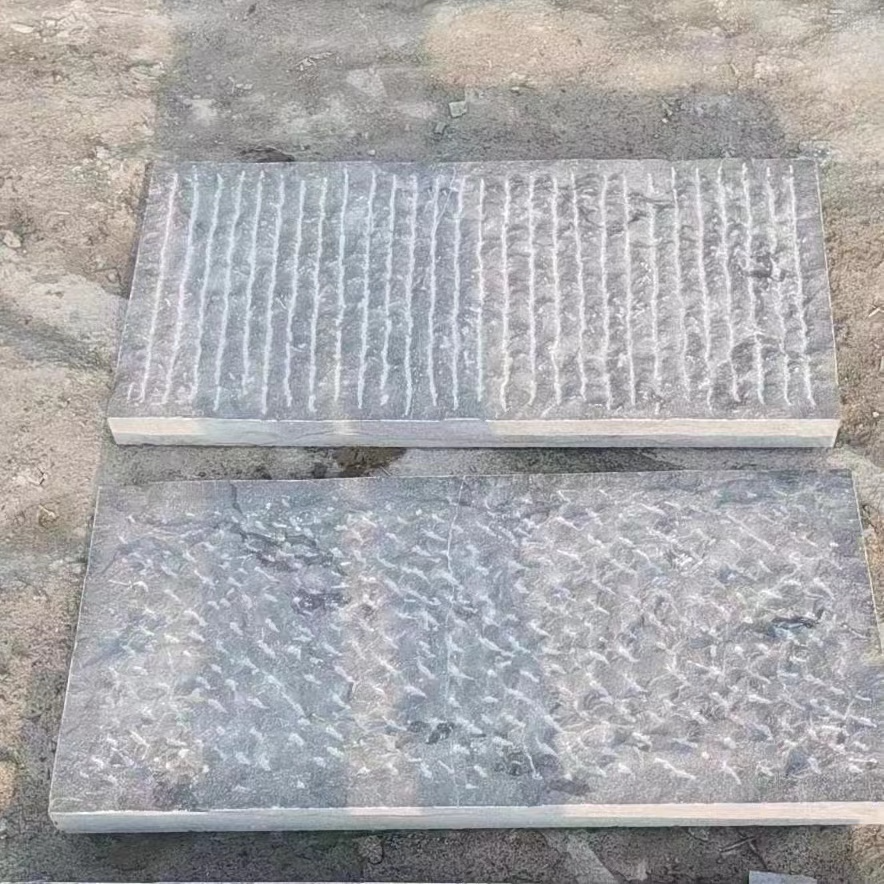





Baihua refers to the phenomenon of white powder or flow hanging on the surface of roadside stones or filling joints, which mostly occurs outdoors or in places with abundant water sources such as flower beds, outdoor stairs, and exterior wall filling joints. When wet installation is used, the back is filled with alkaline substances such as calcium hydroxide in cement mortar, which is dissolved by a large amount of water and penetrates into the surface or poorly filled joints. And calcium hydroxide will react again with carbon dioxide in the air or SO2 sulfate compounds in acid rain to form calcium carbonate or calcium sulfate. When water evaporates, calcium carbonate or calcium sulfate will crystallize and precipitate, further forming white flowers. The reason for the formation of white spots is similar to that of water spots. A large amount of water and alkaline metal ions are the reasons for the formation of white spots, among which water plays a role as a disruptor, dissolving alkaline metal ions and penetrating to the surface or poorly filled areas through capillary phenomena, further forming white spots. Therefore, preventing water and alkaline metal ions from infiltrating the surface or filling gaps can prevent the occurrence of whitening phenomenon. The measures to prevent the formation of white lesions are as follows:
Before installation, protective measures should be taken (according to project requirements, four, five, or six sides) to prevent excessive absorption of moisture and to prevent infiltration of cement mortar from the front or groundwater sources, in order to prevent alkaline metal ions from infiltrating the cement mortar and causing whitening.
Secondly, select appropriate gap filling materials and carry out construction according to the correct construction method. High quality joint filling materials and correct usage methods can prevent white spots from appearing at the joint filling area.
Thirdly, low water cement ratio or the addition of water reducing agents should be used to mix cement mortar. Reducing excessive moisture content can prevent the occurrence of white matter lesions.
Fourthly, adding waterproofing agent to cement mortar can prevent metal ions from being dissolved by a large amount of water and seeping out, resulting in white spots on the surface.
Fifth, choose non polluting bone materials, such as avoiding the use of sea sand with high levels of calcium, magnesium, and sodium ions, and avoiding using groundwater with high levels of minerals as mixed water. This can reduce the source of metal ions and thus lower the probability of white porcelain lesions.