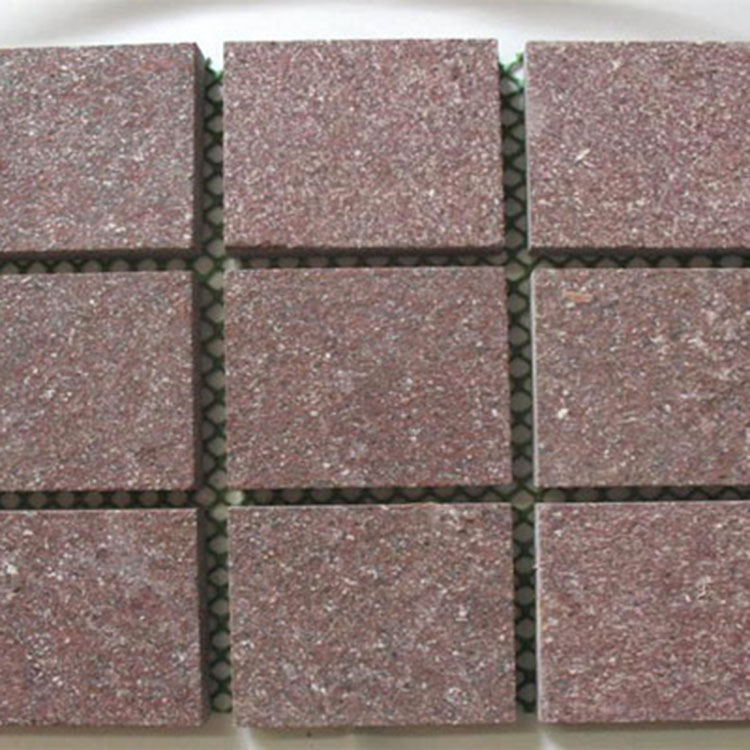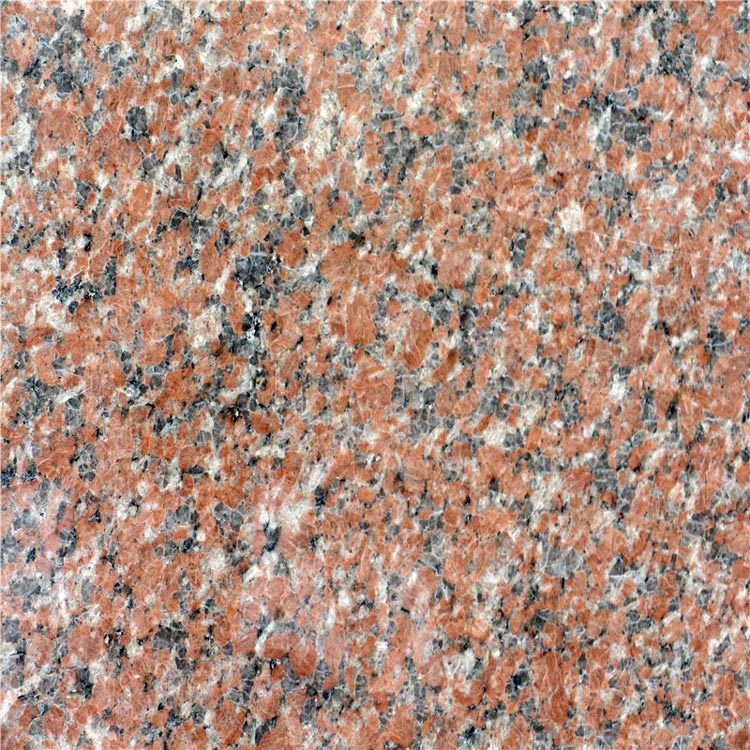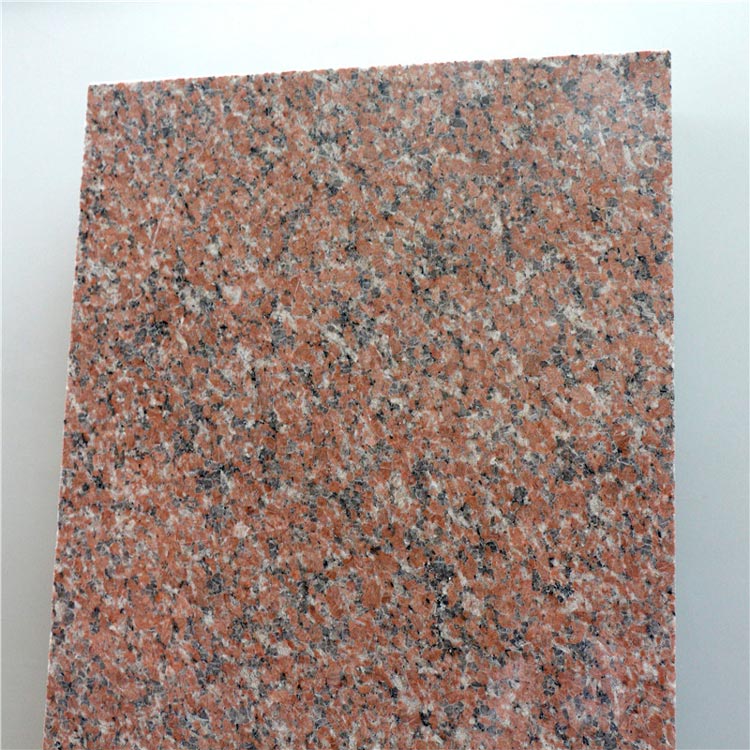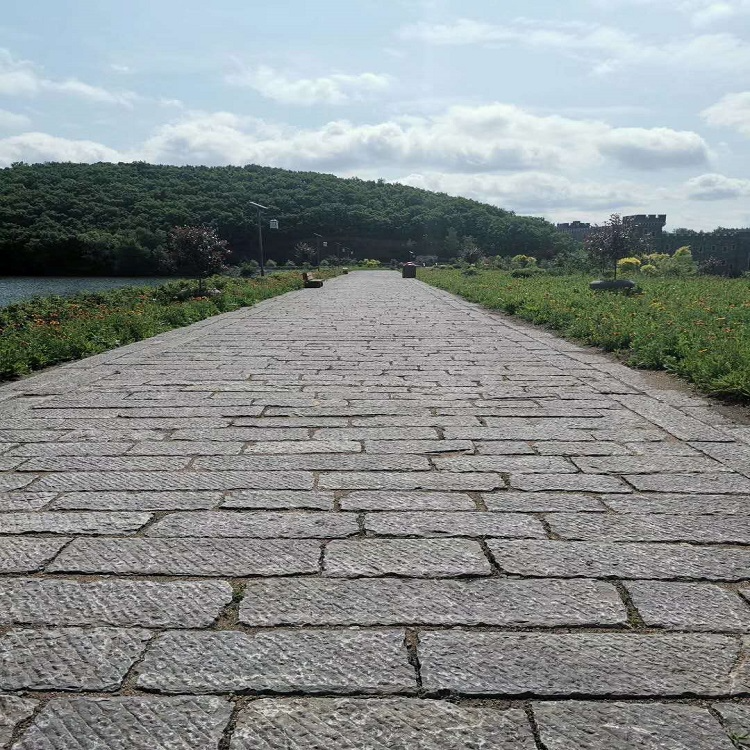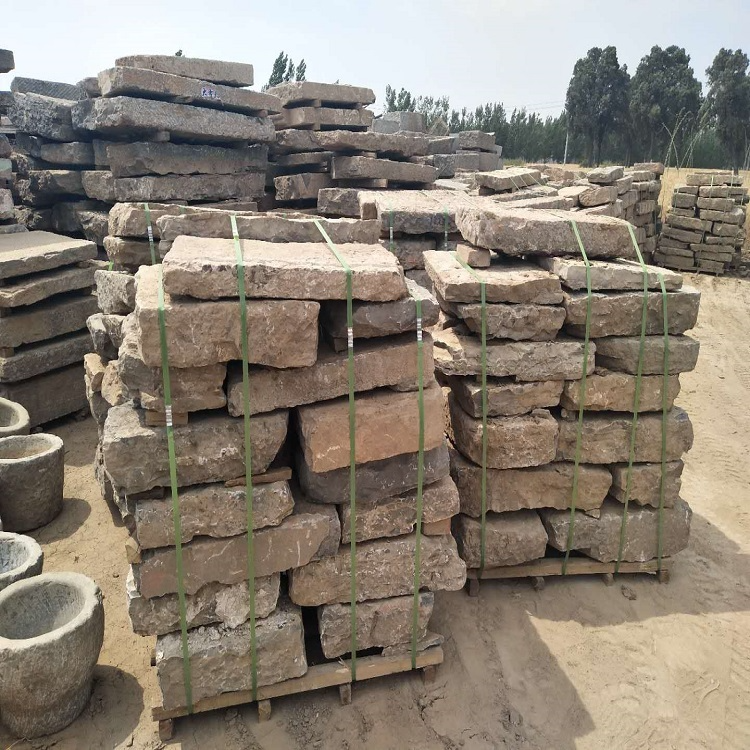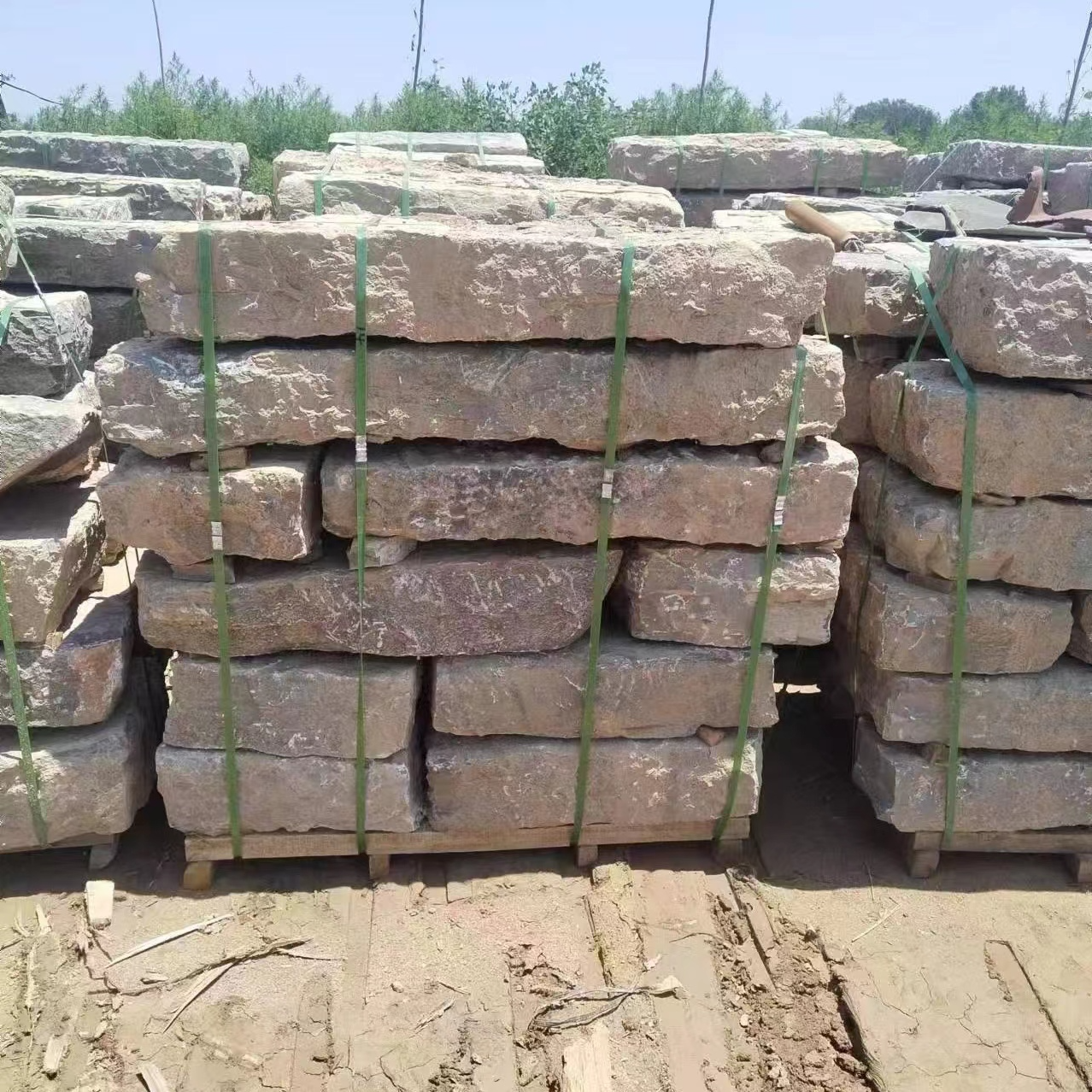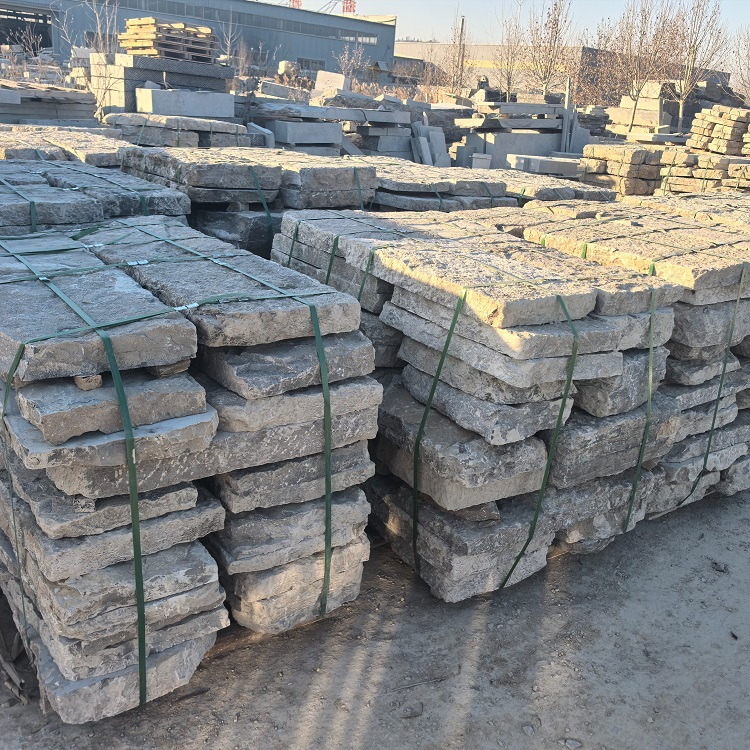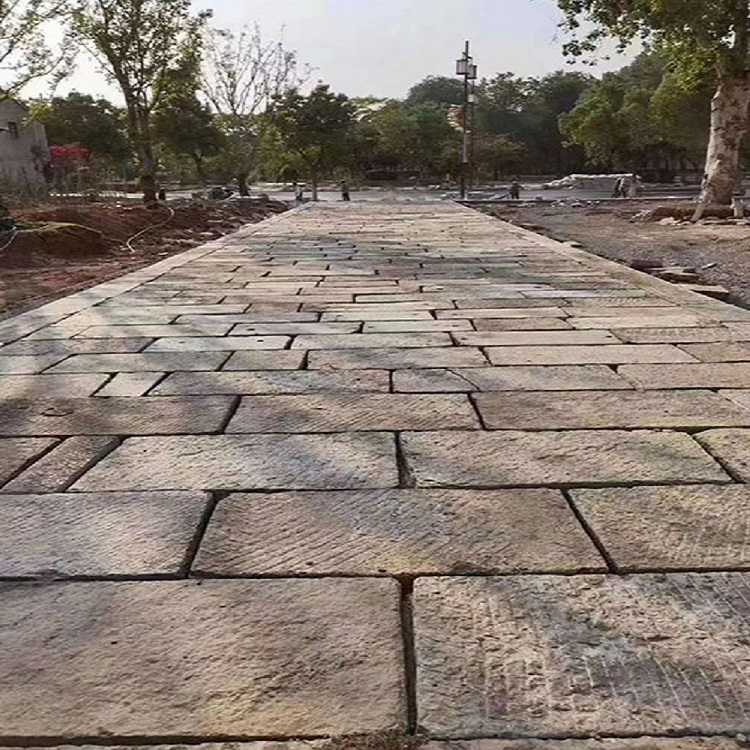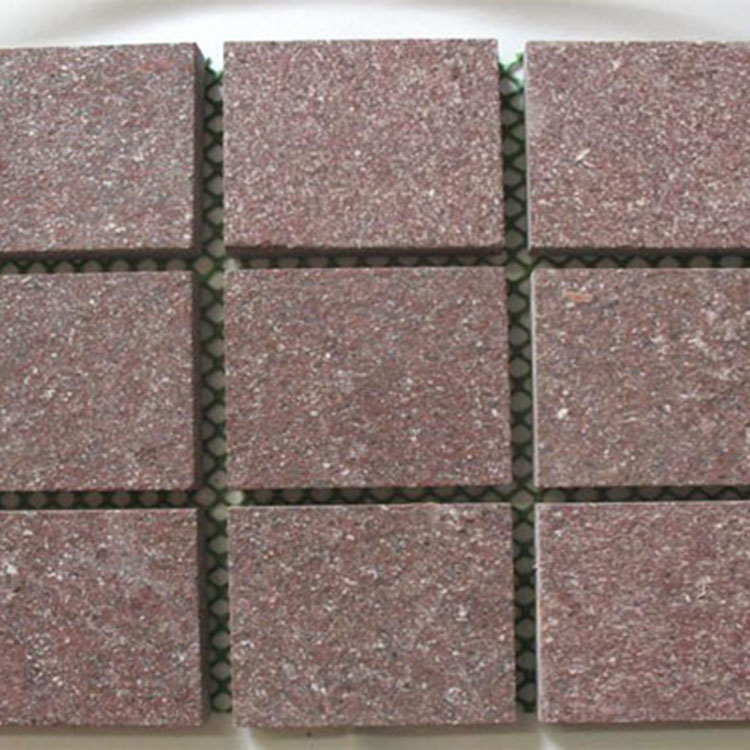

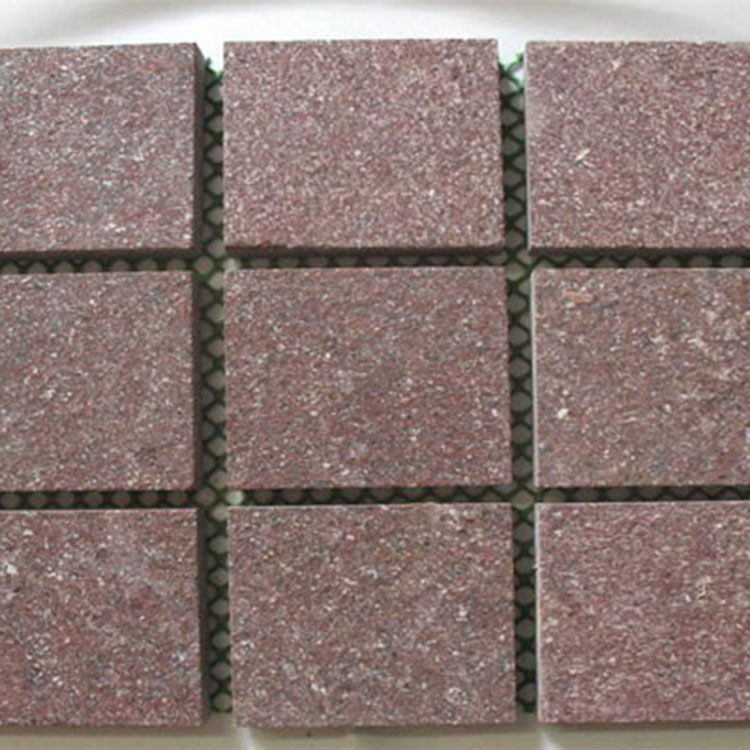
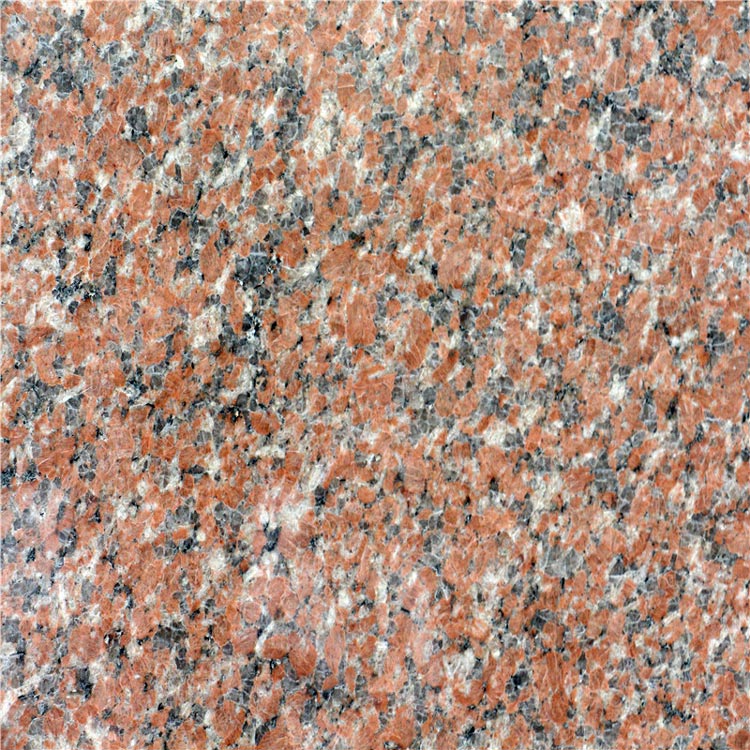
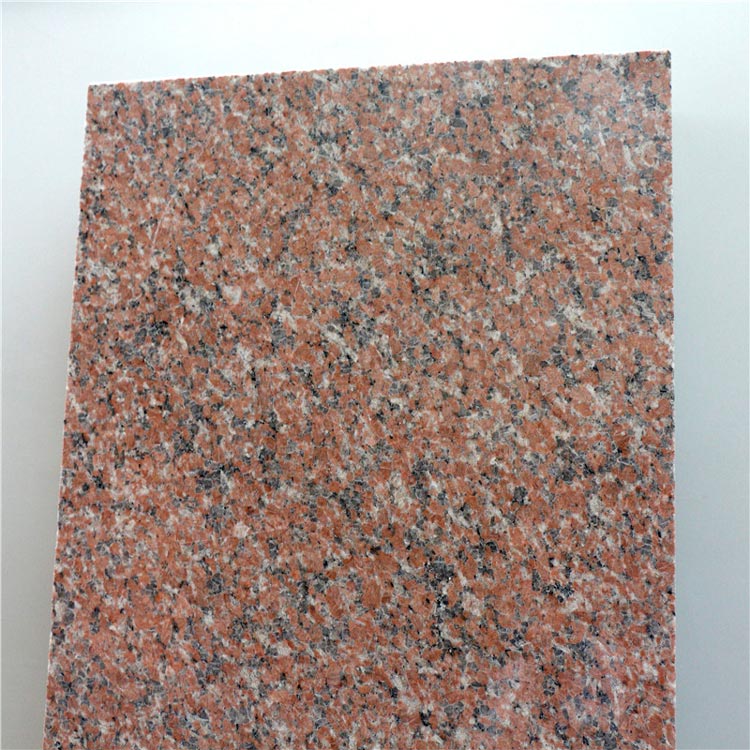


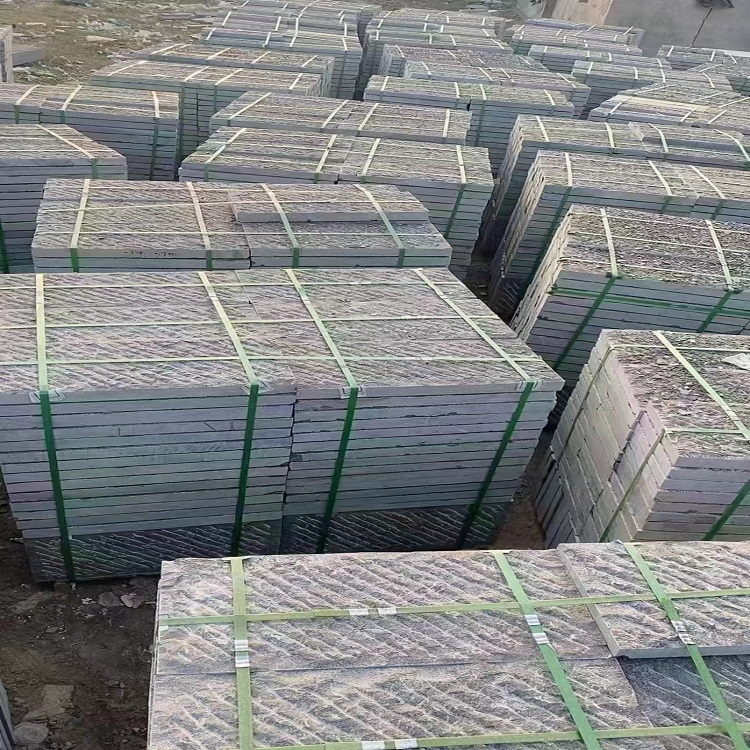
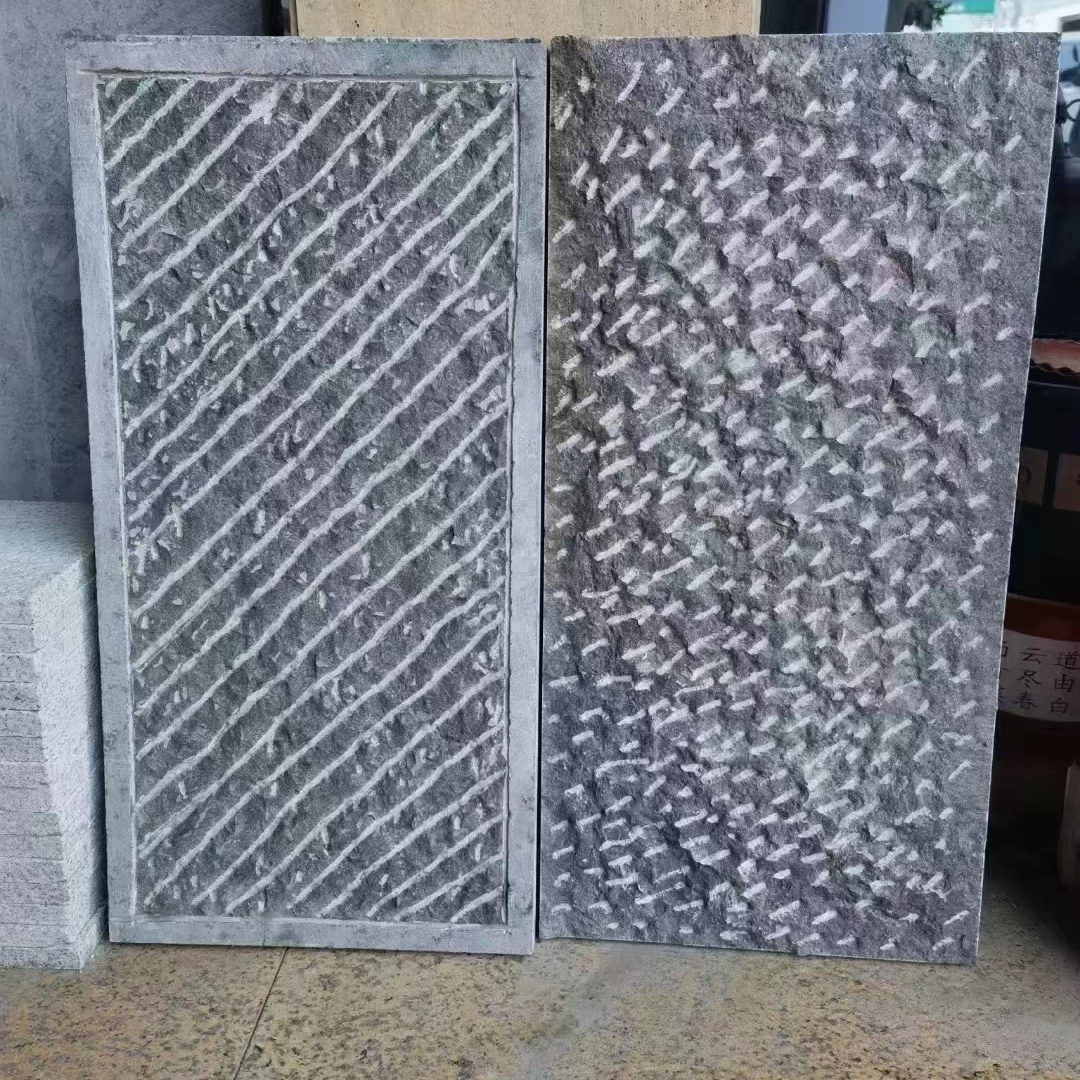
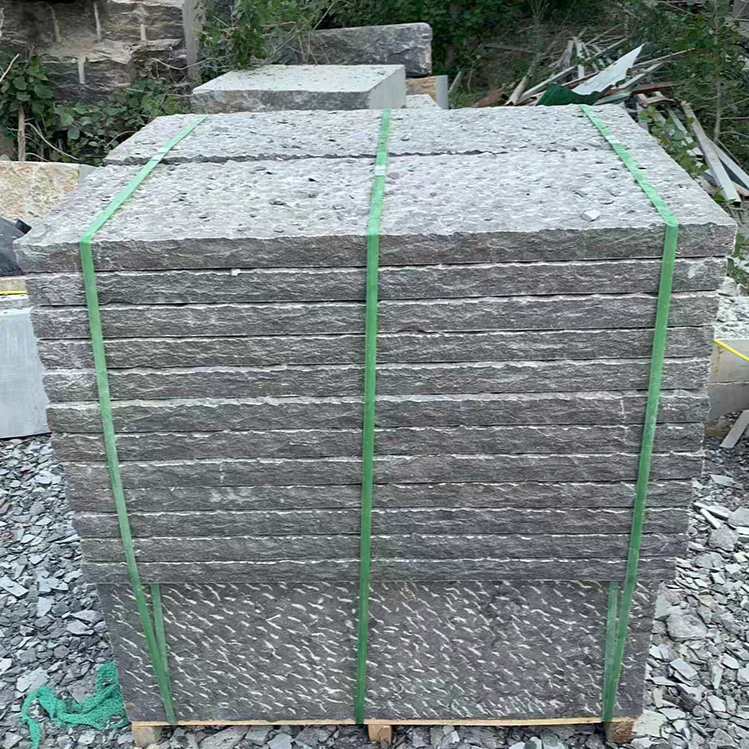
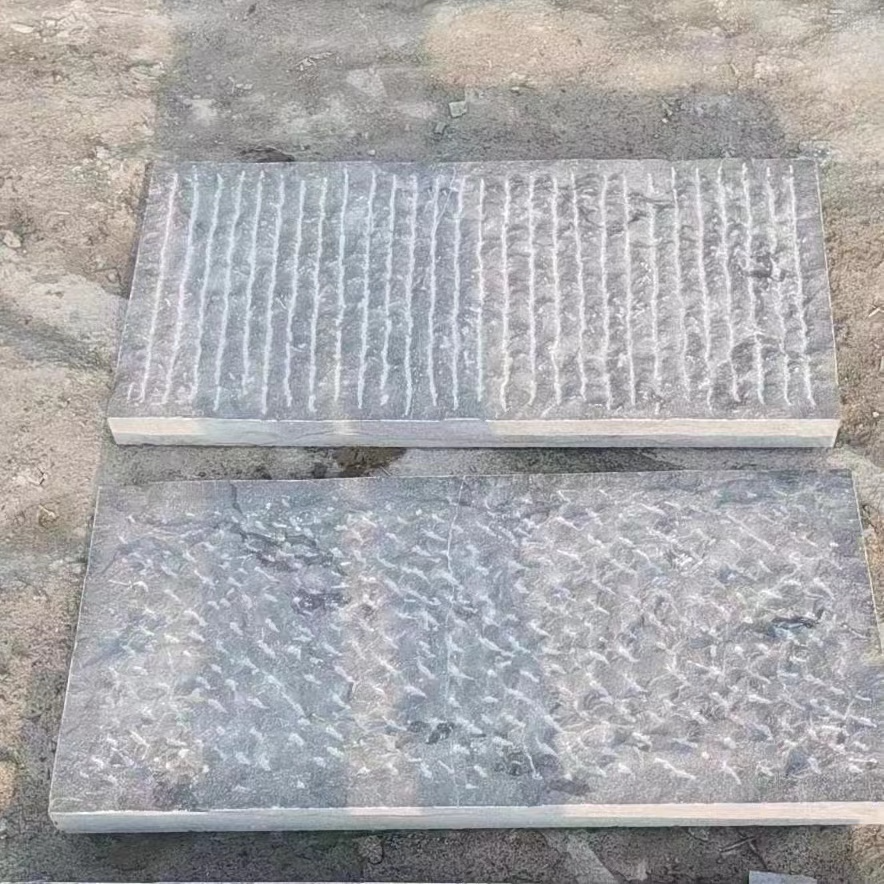
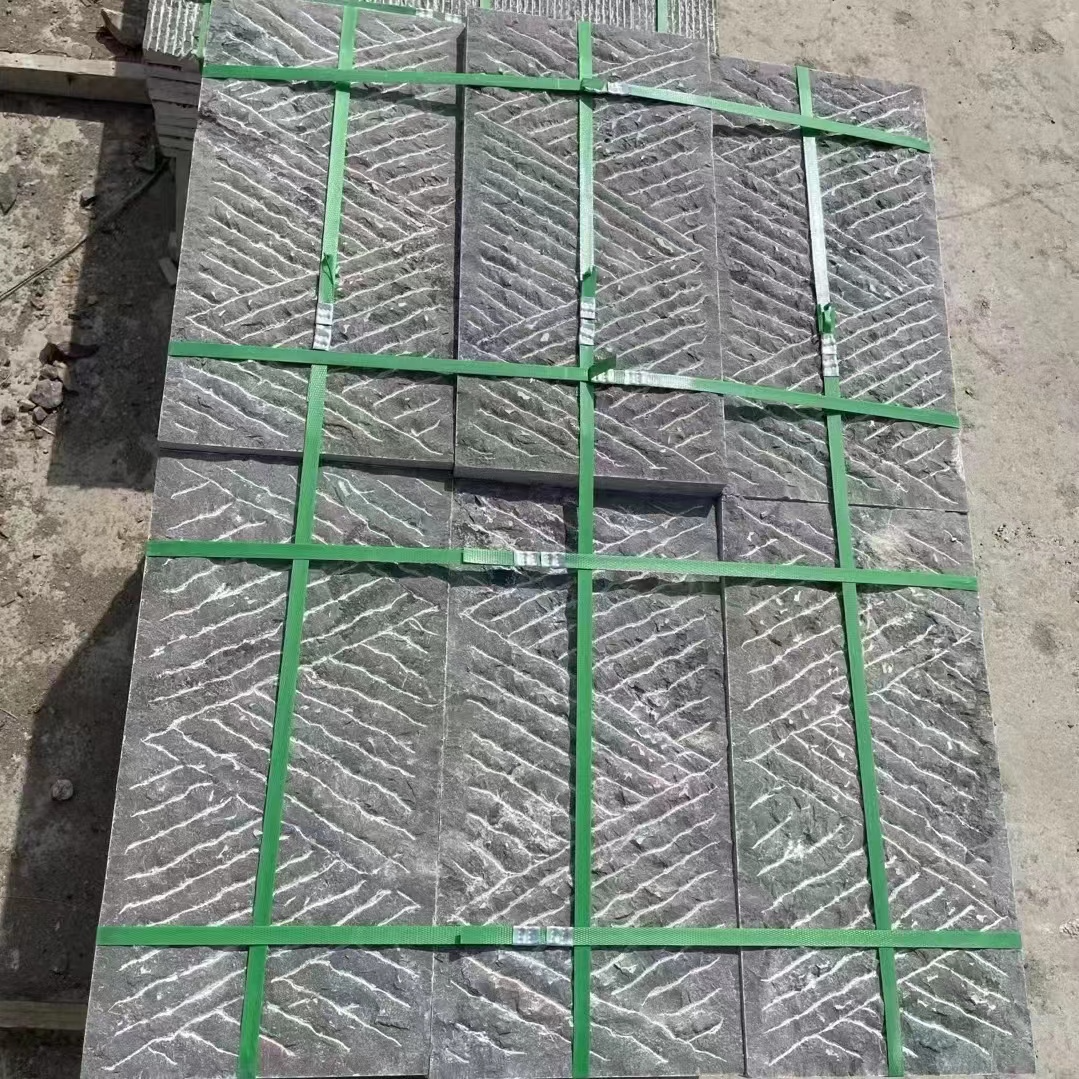





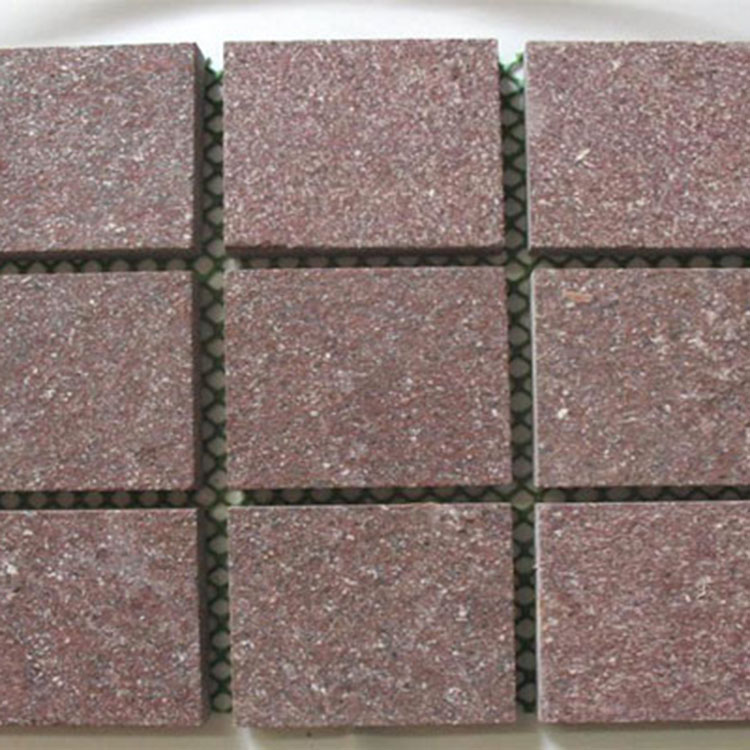
For some friends, horseshoe stone may not be very familiar, but we can tell from its literal meaning that it is called horseshoe stone because its shape resembles a horseshoe. If some friends have the intention, they may notice that horseshoe stones often turn yellow. So, what is the reason for horseshoe stones turning yellow?
The reason for the yellowing of horseshoe stones is due to inadequate maintenance of the stone, as well as the infiltration of dirty water, which causes the horseshoe stones to begin to turn yellow. When dealing with the yellowing phenomenon of horseshoe stones, specialized cleaning agents and rust removers should be used. It should be noted that strong corrosive substances such as hydrochloric acid and oxalic acid should not be used. Neutral protective agents should be selected as much as possible before carrying out the protective treatment of horseshoe stones. It is important to maintain the horseshoe stone during installation to prevent moisture from entering its interior, thus preventing the oxidation reaction between moisture and oxygen in the air and iron containing substances that can form rust yellow. Contact disposal should be carried out on the pre embedded iron parts on the ground to prevent rusting of the iron parts and the diffusion and infiltration of colored items such as packaging boxes and oil liquids onto the surface of the horseshoe stone, resulting in yellowing. If you don't want the horseshoe stone to turn yellow soon after use, please take good care to protect it.
At present, there are generally two methods of splicing when laying horseshoe stones. Below, we will provide a detailed introduction to the usage scenarios and advantages and disadvantages of these two splicing methods. According to the processing method of horseshoe stone splicing, one is to not separate the joints, and the horseshoe stones are naturally connected. The disadvantage of this method is that it is prone to limited expansion and contraction of the horseshoe stones due to temperature differences, and it is not widely used in exterior walls. However, horseshoe stones are commonly used outdoors, so it is not recommended to use this seamless method for laying horseshoe stones outdoors; The other method is seam separation. The horseshoe gap is usually 5~8mm, which is filled evenly with foam adhesive strips and sealed with weather resistant silicone adhesive. This method is applicable to many occasions. When installing horseshoe stones, the appropriate joint treatment method should be selected according to the specific usage scenario.
The reason for the yellowing phenomenon of horseshoe stones is due to the lack of proper protective measures. No matter what items we use, we need to take care of and protect them.
.jpg)