







Customized processing: Yes
Wastewater treatment capacity: 25
Model: HQN
Ozone consumption: 36
Air volume: 0.5t-15t
Gas storage tank capacity: 12kg
Flow meter specification: 63
Diameter of outlet pipe: 45
Inlet pipe diameter: 36
Dimensions: 26
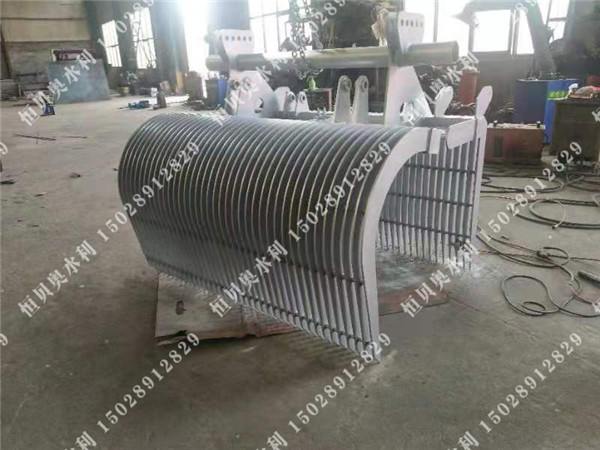
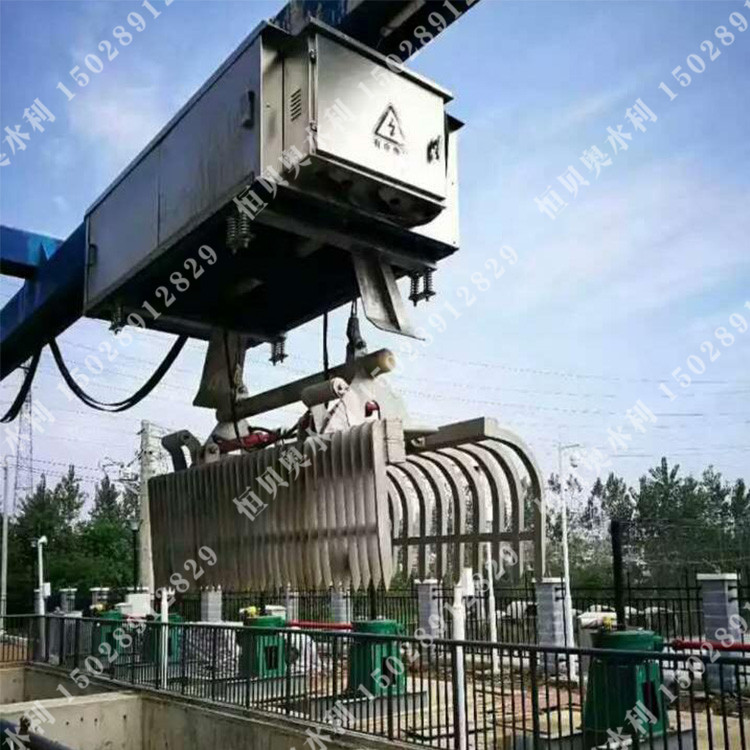
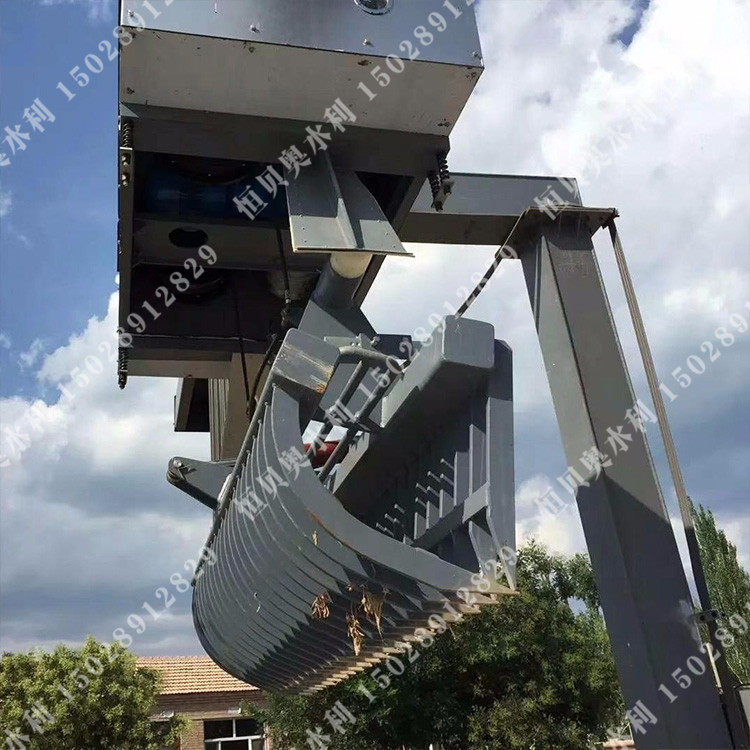
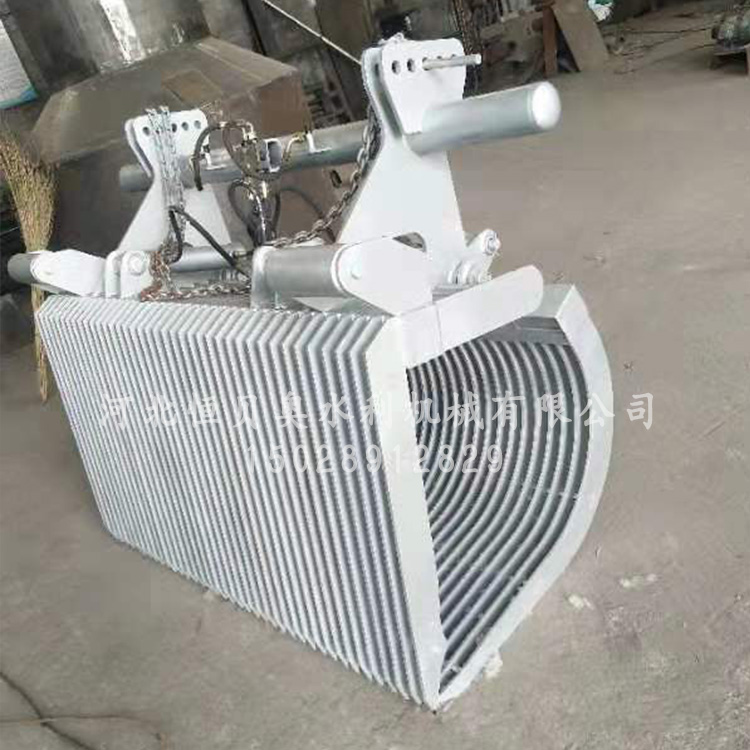
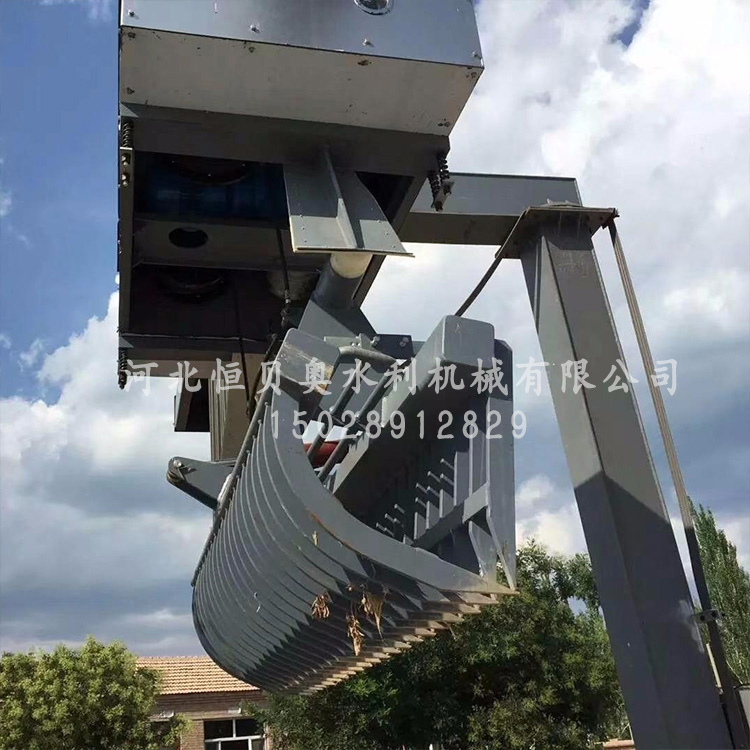
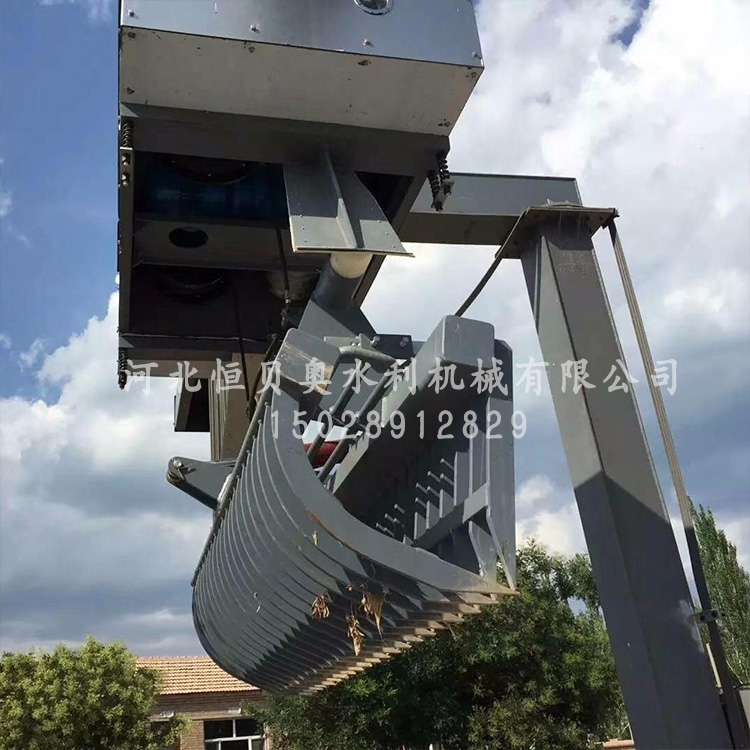
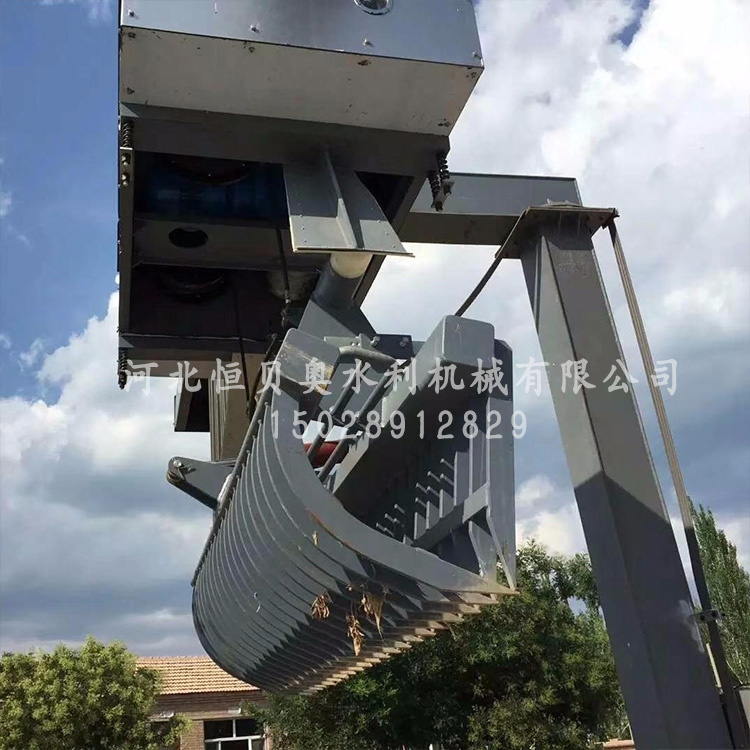
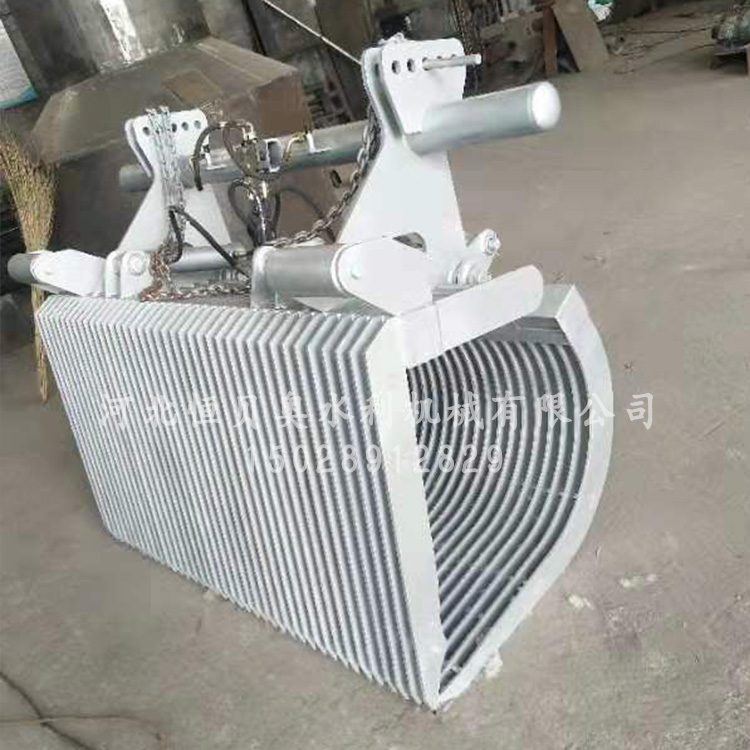
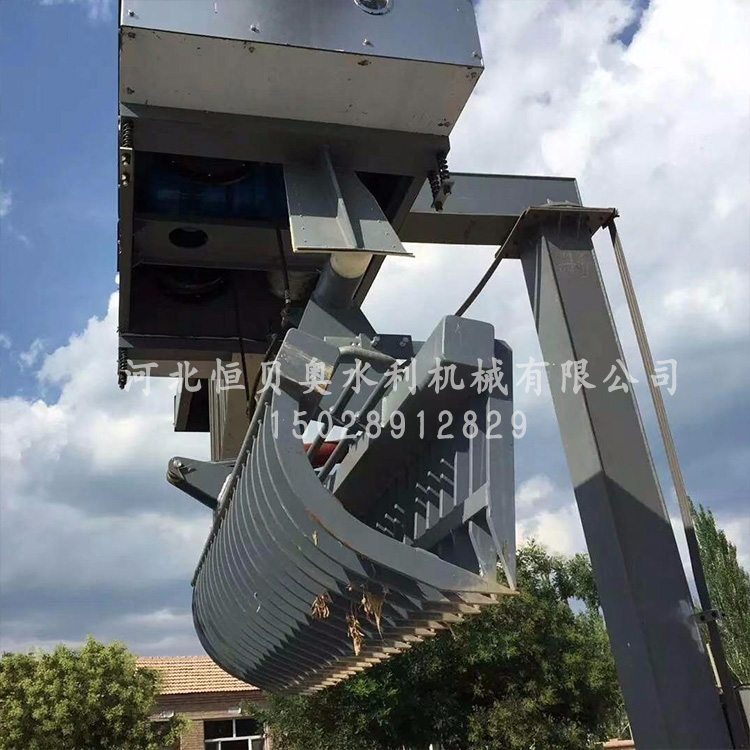
A cleaning machine is a fixed continuous cleaning equipment that combines interception and cleaning. The main grid body, cleaning rake, drive transmission system, and auxiliary grid are composed of four parts; It is mainly used at the inlet of hydraulic structures such as pump stations, hydropower stations, and inverted siphons. It intercepts the pollutants (tree branches, leaves, weeds, household waste, etc.) carried in the water flow with a trash rack, and uses a grab type cleaning machine to scoop them onto the bridge deck. They are then transported away by belt conveyors or other methods to prevent pollutants from entering the diversion channel and ensure the smooth operation of the unit or other equipment and structures. The grab bucket cleaning machine has a simple structure, good overall rigidity, smooth operation, easy operation, good cleaning effect, high efficiency, low energy consumption, and long service life!
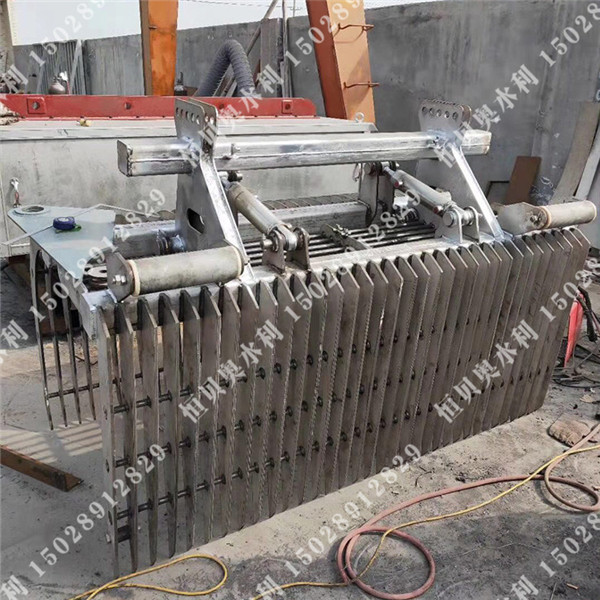
Grab bucket cleaning machine product usage:
Mainly used for intercepting and retrieving floating debris in water before the water intake of hydropower stations and various pump stations, to protect the normal operation of power stations and pump stations. Generally used as medium and coarse grids.
Product Features:
The model has a compact structure, stable operation, low resistance, smooth water flow, and easy installation and maintenance
Selection principle of grab bucket cleaning machine: In reservoirs and rivers, in order to prevent sewage from entering the reservoir and causing blockage, it will be applied to the trash rack, which is a tool specifically used to block debris in the water flow. There may be some weeds, plant roots, etc. in the water flow. If these things enter the reservoir, they will cause the operation of the hydroelectric generator or the hoist to be obstructed. After the use of the trash rack for a long time, it is necessary to use a cleaning machine to clean the debris attached to the trash rack, ensuring the normal and safe operation of the hydropower station.
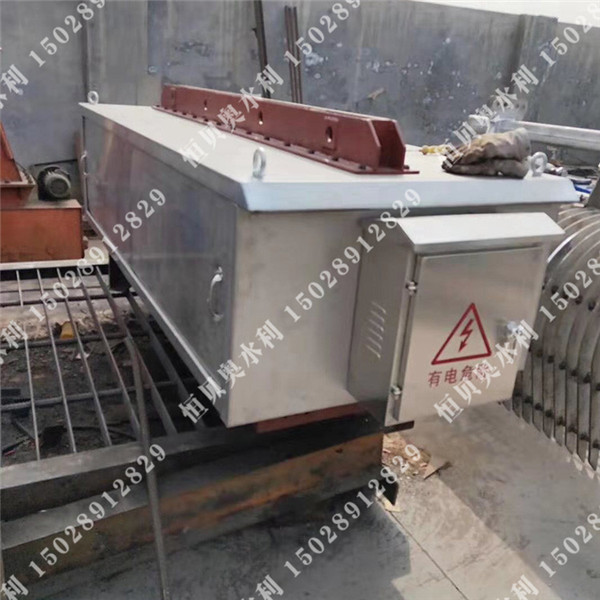
Selection of types: There are fixed and mobile types of cleaning machines. According to the opening and closing mode of the rake bucket, cleaning machines can also be divided into rope type and hydraulic drive mode. Each type of cleaning machine has its own unique advantages. In order to ensure the effectiveness of use, the type of cleaning machine should be selected based on actual needs. In addition, the difficulty of maintenance and inspection of the cleaning machine should also be considered. In order to save future maintenance work, a convenient one for maintenance and repair should be chosen
The rotary cleaning machine adopts a unique suspension rail design, which can meet the requirements of various venues and spaces, and has a wide range of applications. An economical and practical grab bucket, a reliable hydraulic opening and closing bucket mechanism, has a high cleaning effect on various types of pollutants. High cost-effectiveness, large processing capacity, and work efficiency equivalent to the combination of three traditional machines, one can replace several traditional cleaning machines. The magnetic discharge electric drum is used to automatically track the rise or fall of the grab bucket, with a simple and reasonable structure, no permanent soaking parts, long service life, low maintenance, and no need for a conveying mechanism to grab the melons. The dirt is directly discharged at the collection point and can be remotely controlled by an automatic control system.
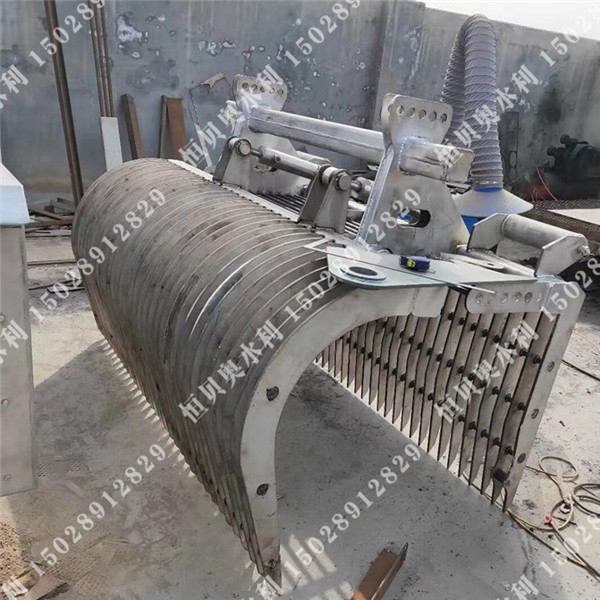
The main purpose of the grab bucket cleaning machine is to install a rotary cleaning machine at the inlet of hydraulic structures such as pump stations, power stations, and inverted siphons. The rotary cleaning machine uses a trash rack to intercept the pollutants (branches, leaves, weeds, household waste, floating ice, etc.) carried by the water flow, and uses a rotating rake to scoop them onto the bridge deck. They are then transported away by a belt conveyor or other means to prevent harmful pollutants from entering the diversion channel and ensure the smooth operation of the unit or other equipment and structures.
The main purpose of the grab bucket cleaning machine is to install a rotary cleaning machine at the inlet of hydraulic structures such as pump stations, power stations, and inverted siphons. The rotary cleaning machine uses a trash rack to intercept the pollutants (branches, leaves, weeds, household waste, floating ice, etc.) carried by the water flow, and uses a rotating rake to scoop them onto the bridge deck. They are then transported away by a belt conveyor or other means to prevent harmful pollutants from entering the diversion channel and ensure the smooth operation of the unit or other equipment and structures.
The grab bucket cleaning machine has a simple structure, good rigidity, smooth operation, low risk of failure, easy operation and maintenance, good cleaning effect, high efficiency, low energy consumption, and long service life.
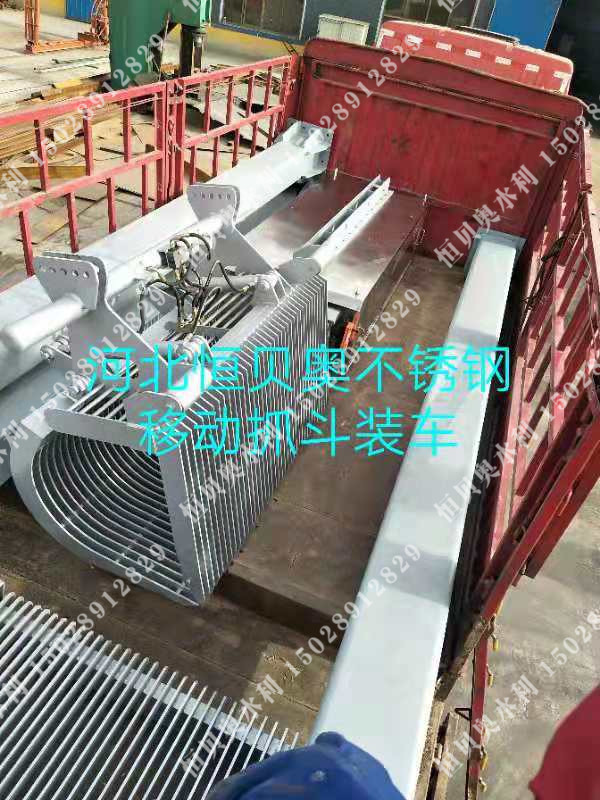
Structural features:
The grab bucket cleaning machine is a fixed continuous cleaning equipment that combines interception and cleaning. The rotary cleaning machine is mainly composed of three parts: the grid body, the cleaning rake (toothed rake), and the transmission system; According to the situation of pollutants at the bottom of the diversion channel, auxiliary grids are sometimes added at the bottom of the grid body.
Working principle: The driving mechanism is arranged on the left or right side of the upper part of the grid body. The driving sprocket on the output shaft of the reducer drives the driven sprocket on the wheel axle group through chain transmission. The driven sprocket transmits torque to the wheel axle transmission shaft through a safety protection device, and the transmission shaft drives two traction sprockets to rotate, thereby rotating the traction plate roller chain. The cleaning rake installed between the two traction chains rotates with the chain. Due to each rake tooth being inserted into the grid surface to a certain depth, the dirt on the grid surface is forced to move with the rake. When the rake rotates to the top of the grid body and the traction chain changes direction, the rake also flips over. At this time, the dirt on the rake falls off to the working bridge deck or belt conveyor facilities and is sent out of the bridge deck.
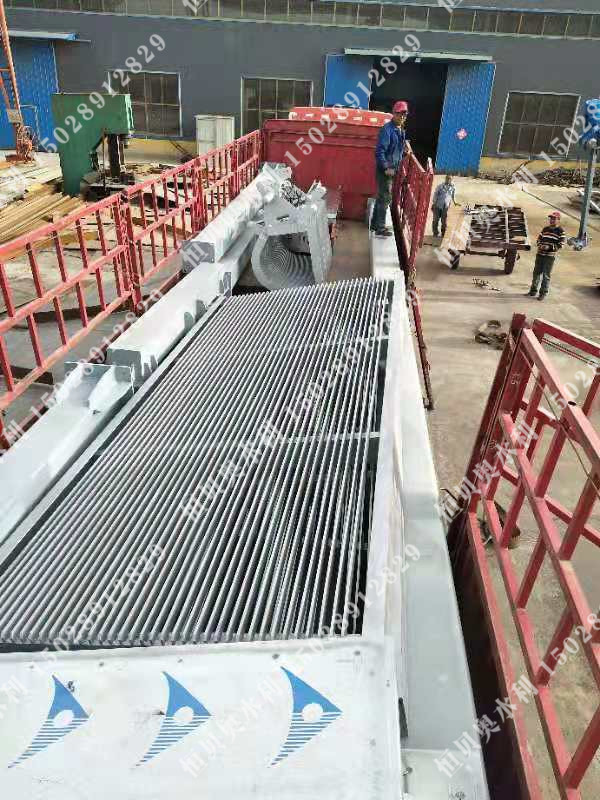
Transmission system: The transmission system mainly consists of an electric motor, a planetary cycloidal pinwheel reducer, an active sprocket, a drive chain (sleeve roller chain), and a wheel axle group. The wheel axle assembly consists of a driven sprocket, a transmission shaft, a traction sprocket, a plate roller chain, left and right adjustable bearings, and an overload protection mechanism. The tension of the drive chain is tightly attached to the sliding rail and adjusting bolt on the motor seat for adjustment. The traction sprockets at both ends of the transmission shaft supported on the left and right adjustable bearing brackets mesh with the plate roller chain, causing the roller chain to rotate around the guide rail. To synchronize the tension of the two roller chains, adjustment screws are installed on the left and right adjustment bearings.