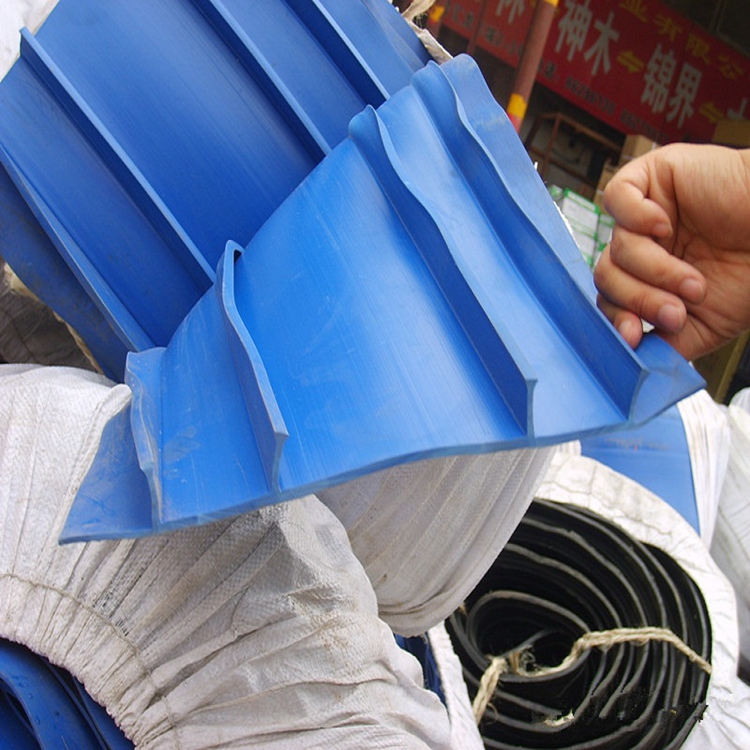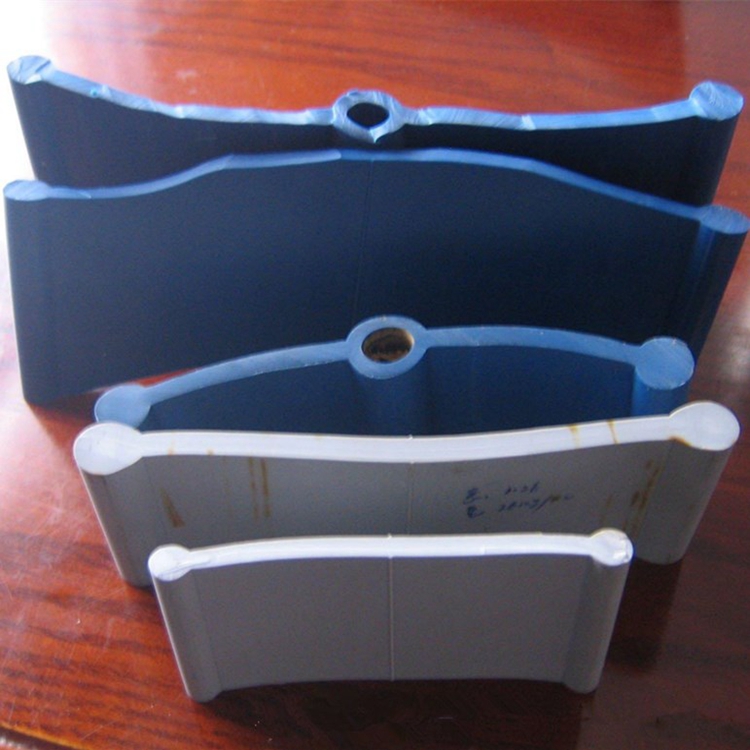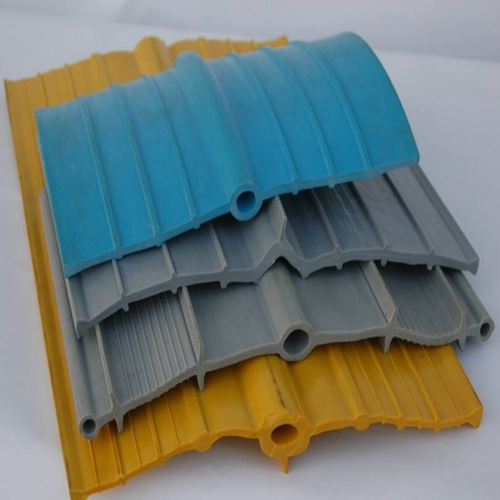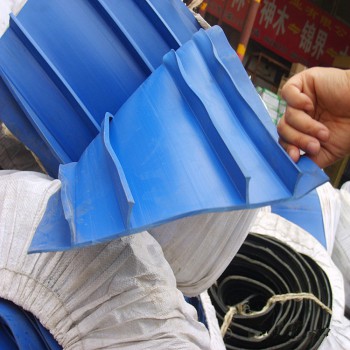








Plastic waterstop is a type of waterstop, which is divided into three types: PVC plastic waterstop, EVA plastic waterstop, and ECB plastic waterstop.
PVCWaterstop is a waterstop material made by mixing, granulation, extrusion and other processes of polyvinyl chloride resin and various additives.PVCPlastic waterstops utilize the elastic deformation characteristics of elastomeric materials to play a leak proof and anti-seepage role in building construction joints, and have the characteristics of corrosion resistance and good durability.
Plastic waterstops are mainly used in foundation engineering where they are integrated with concrete and installed in construction joints and deformation joints during concrete pouring. Such as tunnels, culverts, water diversion aqueducts, water retaining dams, liquid storage structures, underground facilities, etc,The scope of application is the same as that of rubber waterstops.
According to the structural form, it can be divided into:Mid buried typePVCWaterstop, external adhesive typePVCWaterstop, back adhesive typePVCWaterstop, groutable typePVCWaterstop, PVC waterstop, rubber waterstop, flat plate typePVCWaterstop strip.
PVCConstruction method of plastic waterstop:
The construction method of external plastic waterstop is the same as that of rubber waterstop. When pouring and burying, it is necessary to make the interface between it and the concrete flat, and the joint part should be firmly bonded. During the pouring and burying process, the concrete should be fully vibrated with appropriate force to ensure good bonding with the concrete and achieve better waterproofing effect.
PVCConstruction precautions for plastic waterstop
1) During the construction process, due to the presence of many sharp stones and steel bars in the concrete, attention should be paid to avoiding mechanical damage to the waterstop during operation.
2) When positioning the plastic waterstop, it should be made to fit smoothly with the concrete interface, and there should be no flipping or twisting of the waterstop. Otherwise, it should be adjusted in a timely manner.
3) When pouring and fixing the waterstop, it is necessary to prevent the waterstop from shifting and affecting the waterstop effect.
4) The external adhesive plastic waterstop joint can be secured using methods such as bonding and hot welding to ensure a firm joint.
5) During the process of pouring concrete, attention should be paid to sufficient vibration to achieve full bonding between the waterstop and the concrete.