
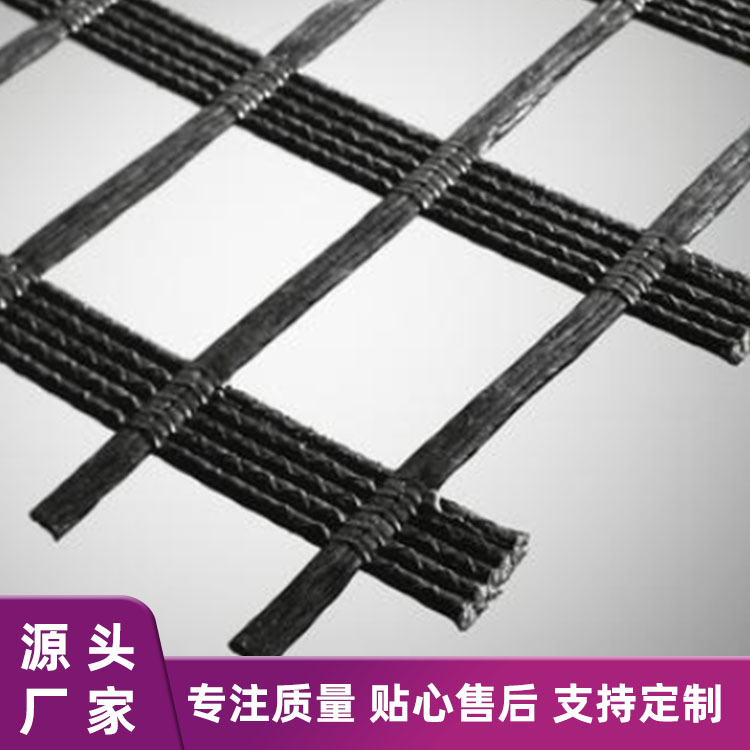
 Glass Fiber Geogrid
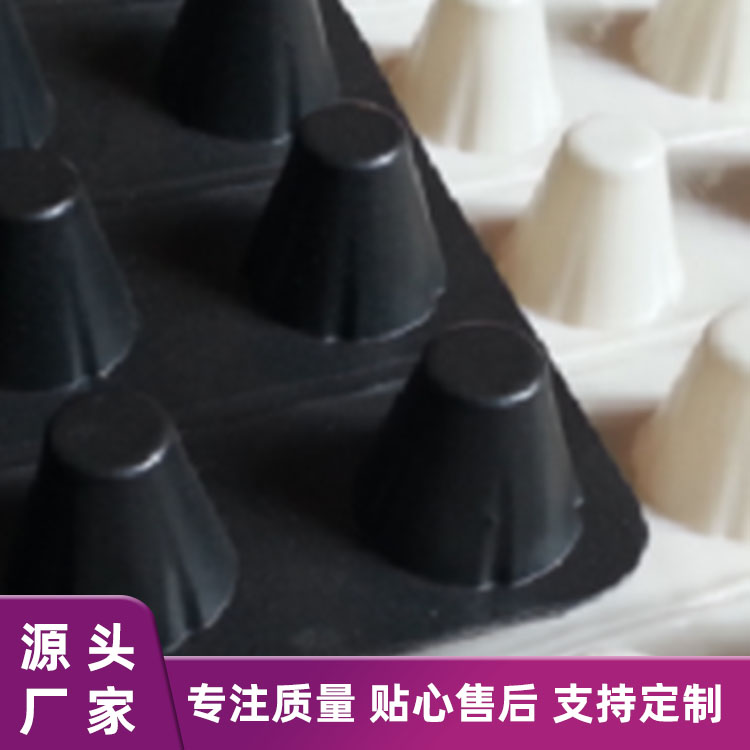 Drainage mat
 Geotextile Cellular Confinement System
 Bidirectional Plastic Geogrid
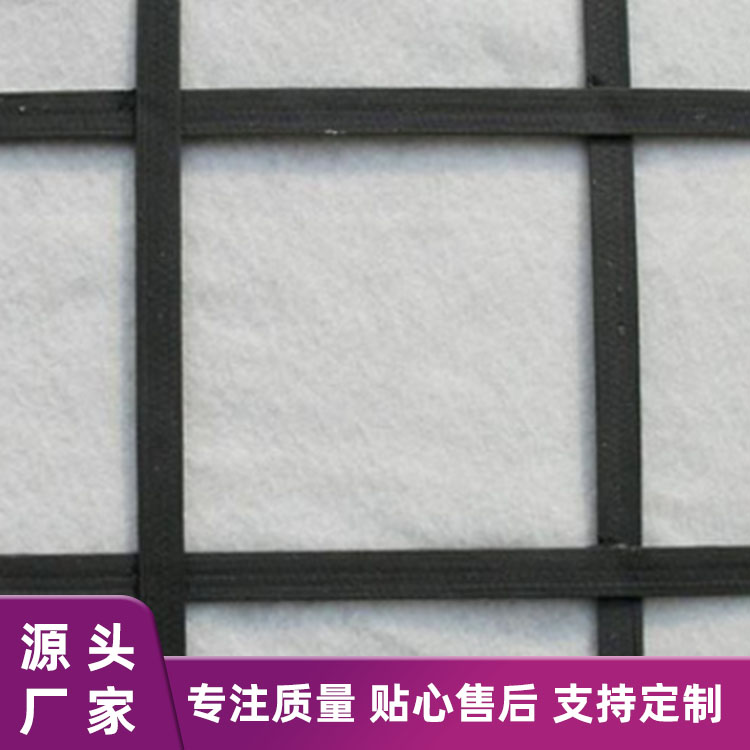 Steel-plastic composite geogrid
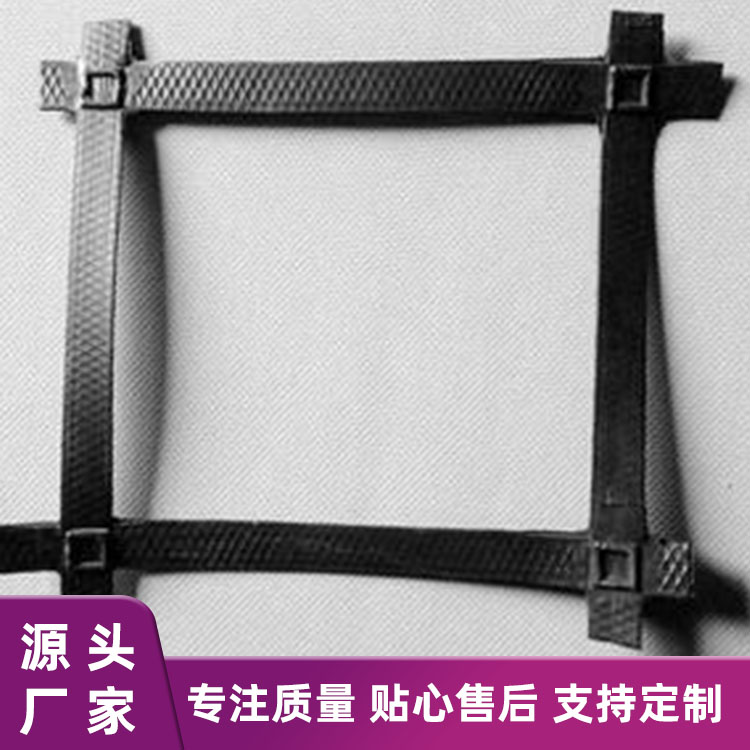 High-strength steel-plastic geogrid
Product Details






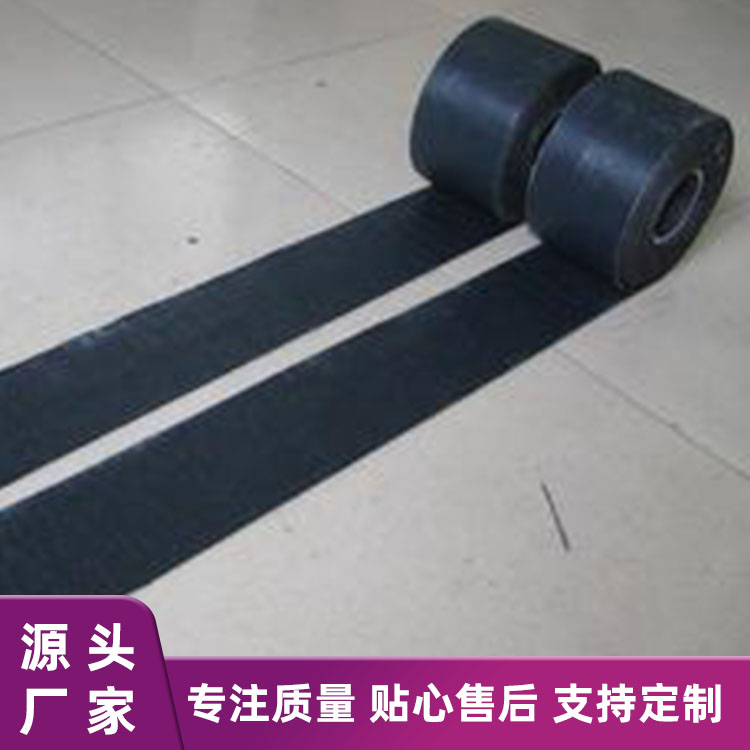
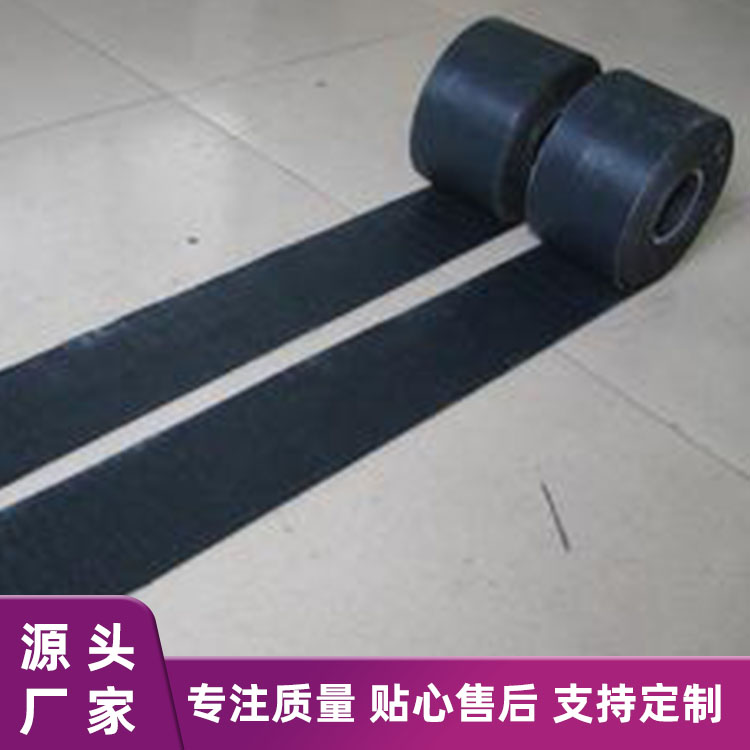

产品Price Negotiable
最小起订Quantity: 供货总Quantity:


1. Crack-resistant tape production 2.2 Surface Treatment for Horizontal Cracks at the Foundation Level 2.3 Install crack prevention tape
Crack Prevention Tape, also known as Crack Stopping Tape, was introduced from the United States at the turn of the century. After undergoing domestic trials, it is now widely used in many areas, indicating its universal recognition within the industry.
2. Crack Prevention Tape Material Performance
"Crack Resistant Tape" is a rubber asphalt-type high polymer waterproof membrane, composed of asphalt-based high polymer modified materials, high-tensile fabric with good high-temperature resistance and asphalt compatibility. It remains non-flowing at high temperatures and non-fracturable at low temperatures, typically ranging in thickness from 1 to 4 mm and in width from 24 to 100 cm.
The crack prevention tape primarily utilizes its flexibility and extensibility to reduce stress concentration at the base layer cracks (expansion joints), decrease the splitting effect of the surface layer at the crack location, and eliminate the unevenness at the crack area. Specifically, it is characterized by:
(1) Mechanical Effects. As a stress-absorbing film, the anti-crack tape's high polymer material can increase the likelihood of vertical cracks in the base layer extending horizontally along the interface, thereby delaying the time it takes for the cracks to reflect to the road surface.
(2) The role of侨联. After the formation of grassroots cracks, the double侨联 action of high-strength, anti-cracking, tensile fabrics with good high-temperature resistance and asphalt compatibility provides the cracked section with certain bending and tensile resistance, reducing the deformation of crack opening and lowering the tensile stress concentration at the crack tip.
(3) Locking interlocking action. The crack prevention tape will enhance the shear load-bearing capacity of the cracked section, and reduce the stress concentration at the crack tip.
(4) Low-temperature resistance and waterproofing. The crack-resistant asphalt-based polymer material maintains a certain degree of elasticity at low temperatures and has excellent waterproofing properties. It also keeps its shape unchanged in low temperatures, preventing water seepage into the road surface after cracking.
2. Construction Techniques
2.1 Environmental Requirements and Size Selection
(1) Use under conditions where the surface temperature is equal to or greater than 21°C.
(2) If the surface temperature is below 21°C, it is recommended to use a low-heat method to heat the adhesive side of the crack prevention tape. Be cautious not to overheat; melting of the adhesive is sufficient.
(3) Width options are combined with the crack orientation and specific shape, typically 24, 33, 48, 98 cm, etc.
(1) Must remove dust and debris such as water from the surface of the horizontal cracks at the grassroots level, ensuring the surface remains dry and clean.
(2) Any protrusions on the base surface must be cleaned or leveled to achieve a smooth finish.
Peel the isolation film (paper) and, when laying, pull the rolled material taut to ensure the anti-crack tape remains flat, wrinkle-free, and edge-free. After laying the anti-crack tape, roll it at least three times with a rubber wheel roller.

Phone Consultation