
 Glass Fiber Geogrid
 Drainage mat
 Geotextile Cellular Confinement System
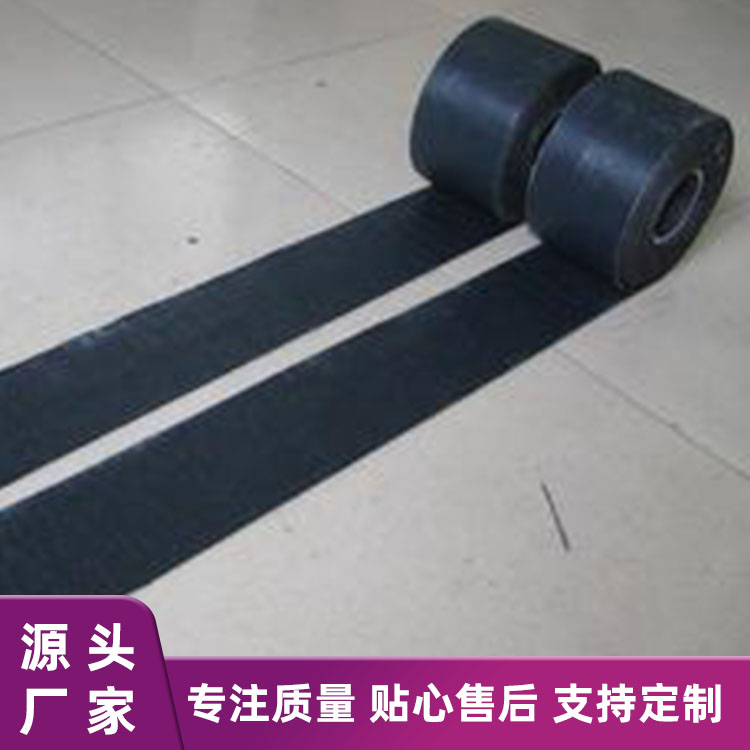 Crack Prevention Tape
 Bidirectional Plastic Geogrid
 Steel-plastic composite geogrid
 High-strength steel-plastic geogrid
Product Details








产品Price Negotiable
最小起订Quantity: 供货总Quantity:


Plastic Drainage Channels The plastic blind channel is composed of a plastic core wrapped with a filter fabric assembly. The plastic core is primarily made of thermoplastic synthetic resin, modified and extruded into thin plastic filaments in a molten state through a nozzle. These filaments are then fused at junction points by a molding device to form a three-dimensional mesh structure. The plastic core comes in various structures, including rectangular, hollow matrix, circular hollow circular, and more. This material overcomes the shortcomings of traditional blind gutters, featuring high surface porosity, good water collection, large void ratio, excellent drainage, strong compressive resistance, good pressure resistance, flexibility, adaptability to soil deformation, durability, light weight, ease of construction, significantly reduced labor intensity for workers, and high construction efficiency. Therefore, it is widely welcomed by engineering departments and has been extensively applied. 1) Reinforcement and drainage for highway and railway subgrades and shoulders. 2) Tunnel, subway underpasses, and underground cargo yard drainage 3) Soil and water conservation for slope and embankment development 4) Various retaining wall vertical and horizontal drainage. 5) Slippery surface drainage 6) Coal-fired power plant ash pond drainage; Landfill project drainage. 7) Drainage for sports facilities such as golf courses, baseball fields, soccer fields, parks, and recreational green spaces. 8) Roof garden and planter box drainage 9) Construction foundation drainage works 10) Agricultural and horticultural underground irrigation and drainage systems 11) Drainage systems for low-lying and damp areas. The drainage materials used in land preparation projects are internationally known as Geocomposite Drainage Systems (GDS), also referred to as three-dimensional drainage boards and drainage channel materials for civil engineering. These are three-dimensional, porous materials formed by heating thermoplastic synthetic resins, melting them, extruding them through nozzles to form fiber strands, and then fusing their junction points together.
The application range of plastic blind trench:

Phone Consultation