
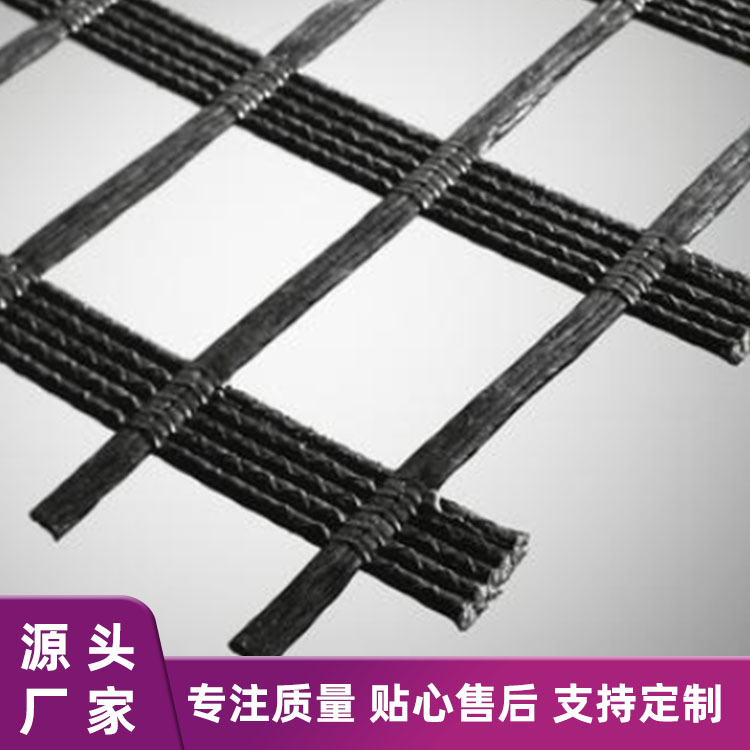
 Glass Fiber Geogrid
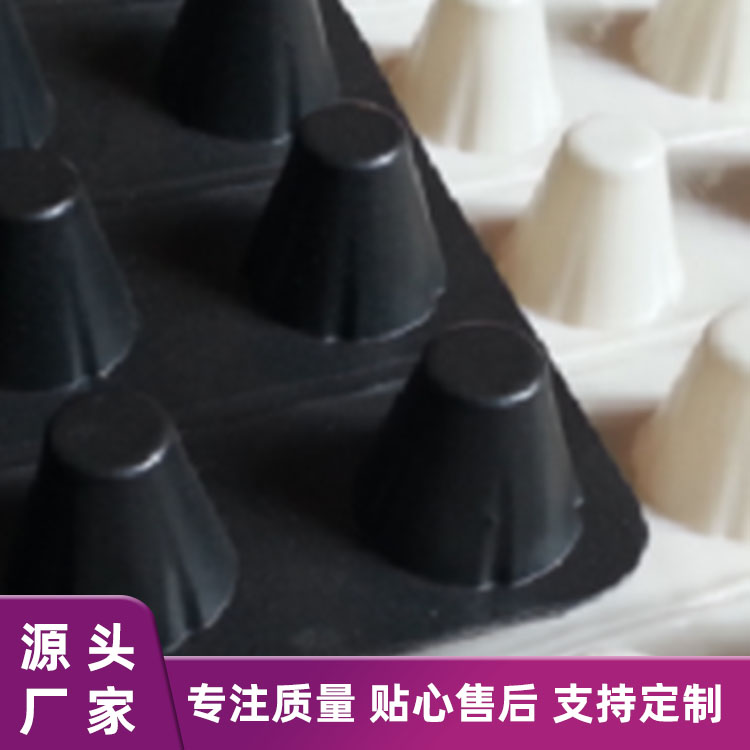 Drainage mat
 Geotextile Cellular Confinement System
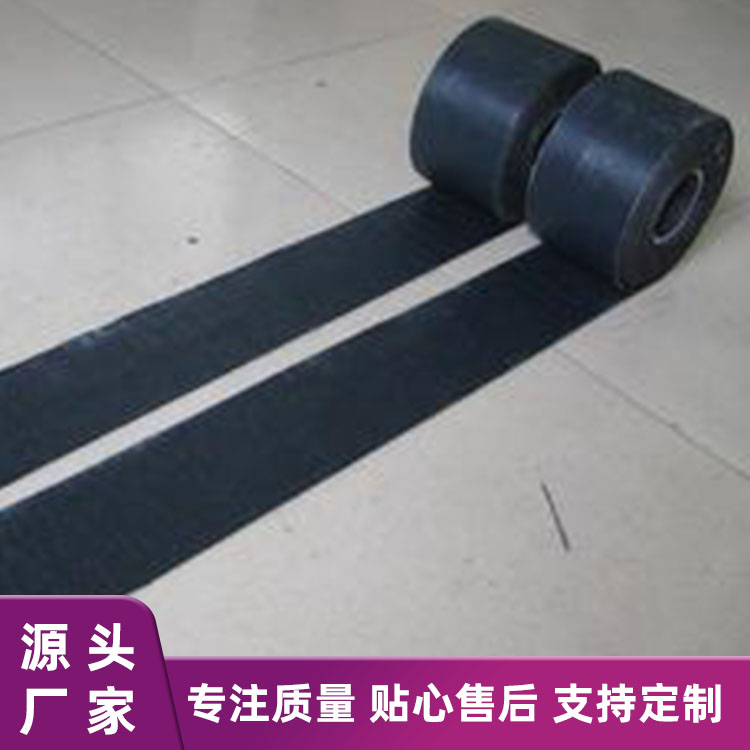 Crack Prevention Tape
 Bidirectional Plastic Geogrid
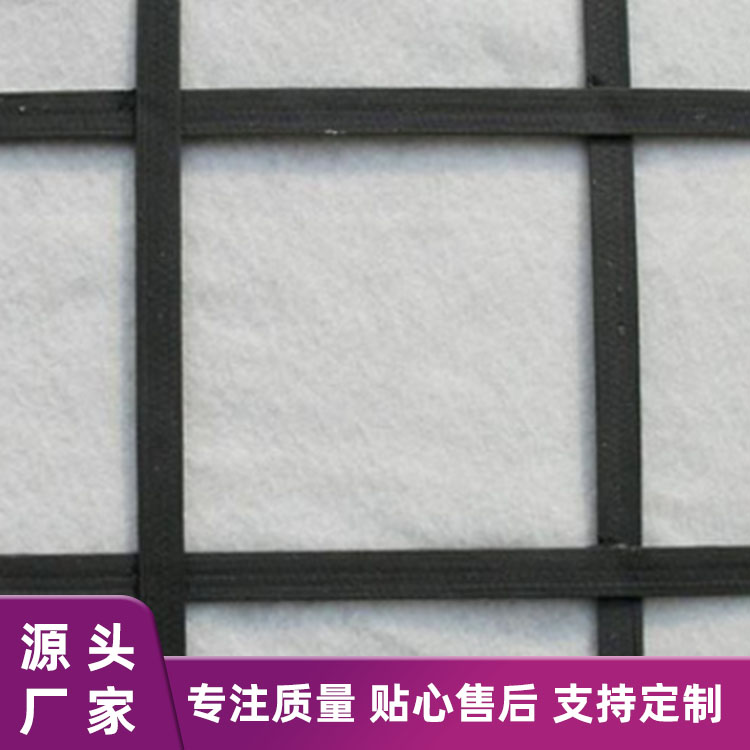 Steel-plastic composite geogrid
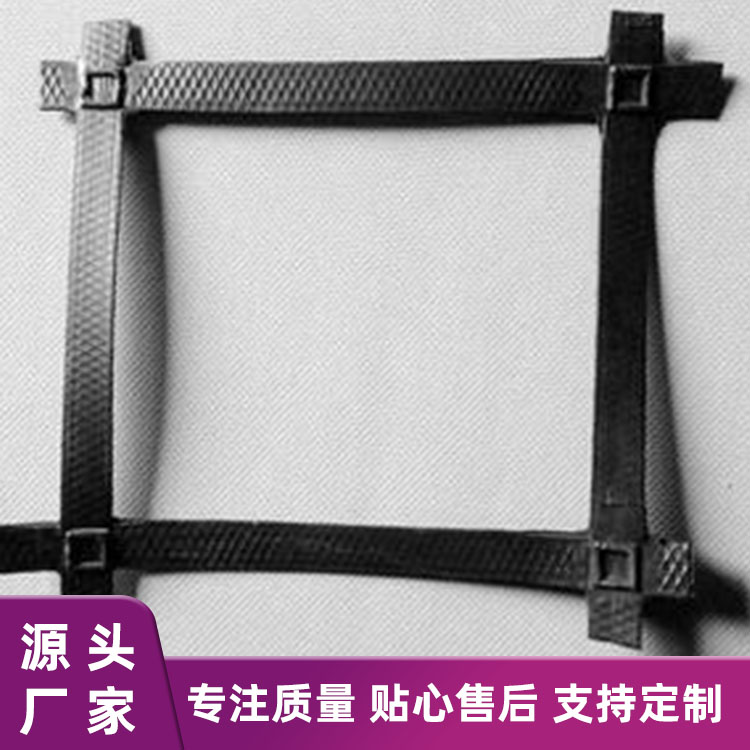 High-strength steel-plastic geogrid
Product Details





产品Price Negotiable
最小起订Quantity: 供货总Quantity:


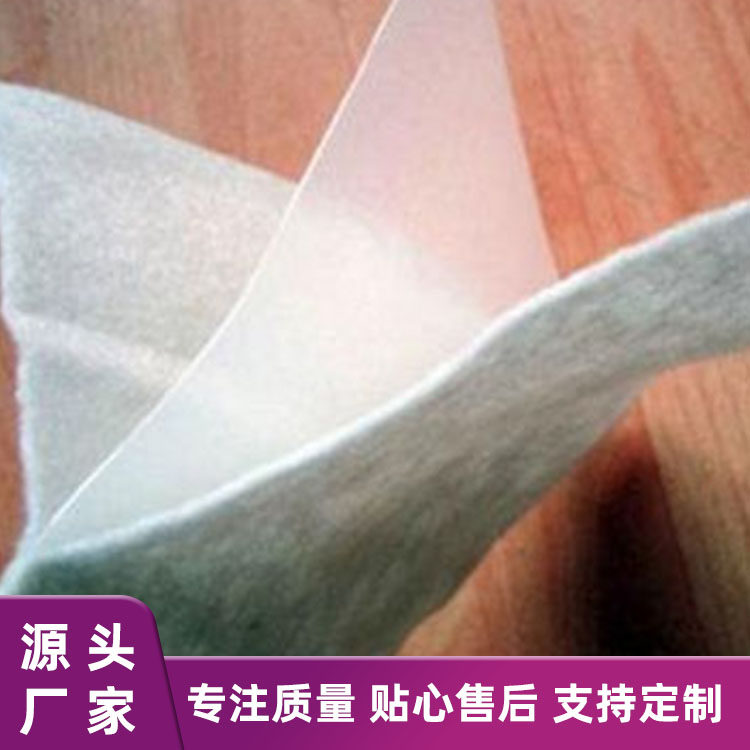
Composite geomembranes are widely used in seepage prevention projects for channels. The extensive application and effectiveness of geosynthetic materials in civil engineering, especially in flood control and emergency rescue projects, have attracted great attention from engineering technicians. Regarding the application technology of geosynthetic materials, the state has proposed normative technical requirements from aspects such as seepage prevention, anti-filtering, drainage, reinforcement, and protection, significantly accelerating the promotion and application of new materials. This material is widely used in seepage prevention projects for irrigation districts, and in combination with construction practice, this article briefly discusses the application technology of composite geomembranes. 1. One fabric and one film (fabric: 100-1000g/m², film thickness: 0.1-1.5mm) 3. One fabric and two films (fabric: 100-1000g/m², film thickness: 0.1-0.8mm) 4. Multi-layered Fabric (Fabric: 100-1000g/m², Film Thickness: 0.1-0.8mm) Performance Composite geomembrane (composite waterproofing membrane) is available in single-bonded and double-bonded types, with widths ranging from 4 to 6 meters and weights from 200 to 1500g per square meter. It boasts high physical and mechanical properties such as tensile strength, tear resistance, and puncture resistance. The product features high strength, good elongation, large modulus of deformation, resistance to acids and alkalis, corrosion resistance, aging resistance, and excellent waterproofing performance. It meets the civil engineering needs for waterproofing, isolation, reinforcement, and crack prevention in water conservancy, municipal, construction, transportation, subway, tunnel, and construction projects. It is commonly used for waterproofing treatment of embankments and drainage ditches, as well as for anti-pollution treatment in waste disposal sites. Construction Composite geotextile membranes are formed by heating one or both sides of the film with an oven's far-infrared heat and pressing the geotextile and the film together through guide rollers. With advancements in production technology, there is also a casting method used to produce composite geotextile membranes. These come in various configurations, such as one geotextile and one film, two geotextiles and one film, or two films and one geotextile. Geotextile acts as a protective layer for the geomembrane, ensuring the anti-seepage layer remains undamaged. To reduce UV radiation and enhance resistance to aging, it is advisable to use the buried laying method. Under construction, first use sand or clay with a smaller diameter to level the base surface, followed by the laying of geotextile membrane. Do not stretch the geotextile membrane too tightly; the ends buried in the soil should be wavy. On the laid geotextile membrane, lay a transition layer of fine sand or clay about 10cm thick. Build a protective layer with 20-30cm blocks (or concrete precast blocks) to prevent erosion. During construction, try to avoid placing stones directly on the geotextile membrane; it's better to construct the protective layer while laying the membrane. To connect the composite geotextile membrane with surrounding structures, use expansion bolts and steel strip clamps for anchoring, and brush emulsified asphalt (2mm thick) to bond the connection points to prevent leakage. Water Pressure Measurement Determination of the hydrostatic pressure resistance of composite geotextiles The principle of the composite geomembrane's resistance to static water pressure is that once the pressure head on both sides of the composite geomembrane reaches a certain value, the geomembrane will rupture. Gradually increase the hydraulic pressure on both sides of the sample and maintain it for a certain period. When the seepage flow rapidly increases, it indicates that the sample has been damaged, and thus, the static water pressure resistance value of the sample is obtained. 2. Maintain the above pressure on the composite geomembrane for at least 2 hours, observe the water level changes in the seepage pipe. If the water level in the composite geomembrane remains relatively stable (seepage flow rate of 0), gradually increase the pressure in increments of 0.1-0.2 MPa, holding each level for 2 hours. Continue until a rapid increase in seepage flow is observed, indicating the sample has ruptured. The pressure level prior to this is then considered the static water pressure resistance (MPa). 3. If it is only necessary to determine whether the geotextile membrane sample meets a certain specified static water pressure value, simply apply pressure to this level and maintain it for 2 hours, then assess if it complies with the requirements. (1) Use requires an embedded installation: the coverage thickness should not be less than 30 cm. (2) The complete seepage prevention system should consist of: cushion layer, seepage prevention layer, transition layer, and protective layer. (3) The soil must be solid to prevent uneven settlement and cracking. Remove grass and roots within the anti-seepage area. Lay a protective layer of fine sand or clay in contact with the film. (4) Do not stretch the geotextile too tightly during installation; it's better for the buried ends to form a wavy pattern. Especially when anchored with rigid materials, some degree of expansion and contraction should be allowed. (5) During construction, it should be avoided to have stones or heavy objects directly砸 on the geomembrane, to construct, lay the membrane, and cover with protective layer simultaneously. 6-meter width, domestic wide composite film. High puncture resistance, high coefficient of friction. 3. Excellent aging resistance and a wide range of environmental temperature adaptability. 4. Excellent waterproof performance. 5. Suitable for projects in water conservancy, chemical industry, construction, transportation, subways, tunnels, waste disposal sites, and more. Features Composite geomembranes are soil waterproofing materials made by laminating a plastic film, primarily used as the waterproofing base, with nonwoven fabric. Their waterproofing performance largely depends on the waterproofing capability of the plastic film. The plastic films commonly used for waterproofing applications globally include polyvinyl chloride (PVC), high-density polyethylene (HDPE), low-density polyethylene (LDPE), and linear low-density polyethylene (LLDPE), as well as ethylene/vinyl acetate copolymers (EVA). These are high molecular weight, flexible chemical materials with low density, high extensibility, excellent adaptability to deformation, corrosion resistance, low-temperature resistance, and good anti-freezing properties. There's a new type of composite geomembrane known as the warp-knitted composite geomembrane. Made with synthetic fibers (or glass fibers) as reinforcing materials, it is a new type of geomaterial formed by combining with geomembranes. The warp-knitted composite geomembrane differs from the typical composite geomembrane. Its distinct feature is that the intersection points of the warp and weft are not bent, remaining straight. By using binding lines to securely tie them together, they can uniformly distribute and bear external forces, distributing stresses. Moreover, when the material is torn instantly under applied force, the yarns gather at the initial tear line, enhancing tear resistance. During the warp-knitted process, the binding lines repeatedly pass through the warp, weft, and needle-punched non-woven geotextile fiber layers, binding the three into one. Consequently, the warp-knitted composite geomembrane boasts high tensile strength and low elongation, while also incorporating the waterproofing properties of composite geomembranes. Therefore, it is a reinforcing, isolating, and protective geomembrane with excellent impermeability. It represents a high-level applied geomaterial composite on the international stage today. Service Life Considering that some field observation results of composite geomembrane indicate that the synthetic material has certain resistance to aging in engineering applications, certain countries have made relatively lenient provisions for its service life in some documents. For example, the former Soviet Union's BCH07-74 "Instructions for the Use of Polyethylene Waterproof Structures in Earthfill Dams" stipulates that polyethylene geomembranes can be used in structures with a service life of no more than 50 years. The conclusion of the article "Long-term Properties of Polypropylene Composite Geomembrane Geosynthetic Materials" published by the Linz, Austria company states: "More than 15 years of field application experience with polypropylene indicates high chemical and biological stability, with significant fabric damage occurring during construction, with no major changes after installation." The primary mechanism involves using the impermeability of plastic film to block leakage paths in earth dams, with its high tensile strength and elongation to withstand water pressure and accommodate dam deformation. Non-woven fabric, also a high molecular short fiber chemical material, is formed through needle-punching or thermal bonding, offering high tensile strength and elongation. When combined with the plastic film, it not only enhances the film's tensile strength and puncture resistance but also, due to the rough surface of the non-woven fabric, increases the friction coefficient of the contact surface, benefiting the stability of the composite geomembrane and protective layer. Additionally, they exhibit good resistance to bacterial and chemical侵蚀, are not susceptible to erosion by acids, bases, or salts, and have a long service life when used in light-shielding conditions. Specs There are numerous domestic manufacturers of geotextile membranes, offering a wide range of specifications, including single fabric and single membrane, single fabric and double membrane, double fabric and single membrane, double fabric and double membrane, and multi-fabric multi-membrane options. The models range from 200g/m2 to 1000g/m2, and customers can also specify their own requirements, with manufacturers producing them accordingly. Select the appropriate type and specification based on the engineering nature, category, application part, usage conditions, and design requirements. 2. Determine the thickness of the geotextile membrane based on the engineering design's hydraulic pressure requirements and application conditions such as exposure, burial, climate, and service life. 3. Based on the actual dimensions, area, construction conditions, and capabilities, determine the width and length of the geotextile membrane with the principle of minimizing joints during construction. 4. When the base is made of concrete, it is advisable to choose a woven geotextile film that can be directly bonded onto the cement base. 5. For road anti-seepage treatment, a single fabric and a film of 200-300g/m² are generally used under the central reservation. Industrial Film
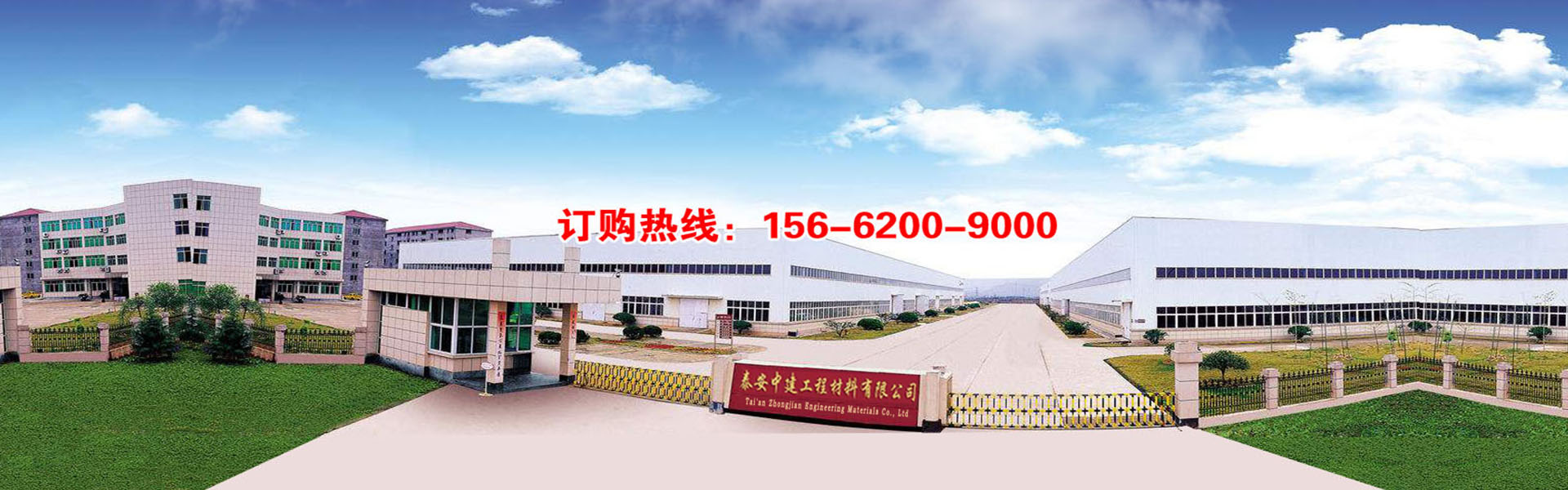
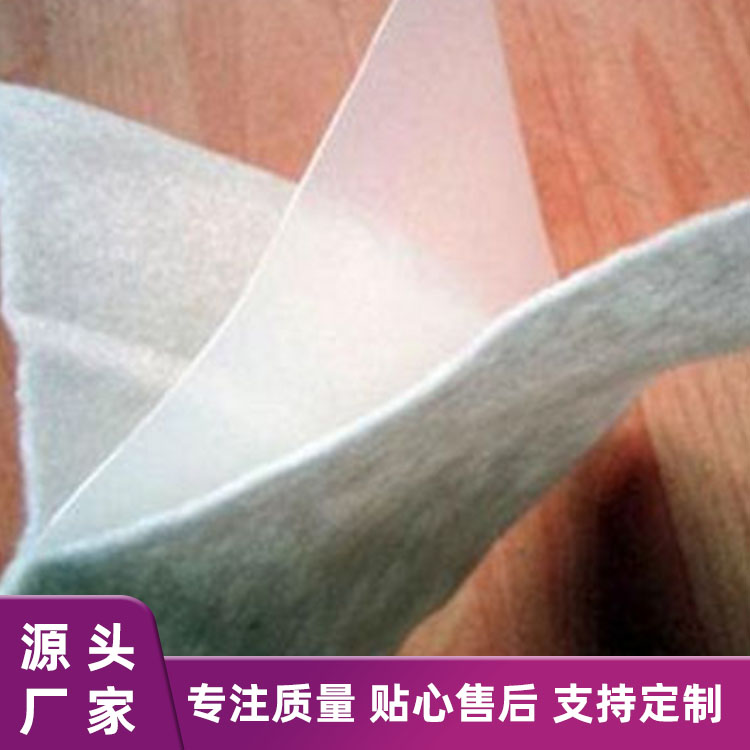
Composite geomembrane is an impermeable material made by bonding geomembrane with geotextile. It is primarily used for seepage prevention and comes in two types: one geotextile and one geomembrane, or two geotextiles and one geomembrane, with widths ranging from 4 to 6 meters and weights from 200 to 1500 grams per square meter. It boasts high physical and mechanical properties such as tensile strength, tear resistance, and puncture resistance, meeting the needs of civil engineering projects like water conservancy, municipal, construction, transportation, subway, and tunnels. Due to its use of high molecular materials and the addition of anti-aging agents in the production process, it can be used in unconventional temperature environments.
2. Two fabrics and one film (fabric: 80-600g/m², film thickness: 0.2-1.5mm)
Construction to be conducted
Features
Design Requirements

Phone Consultation