
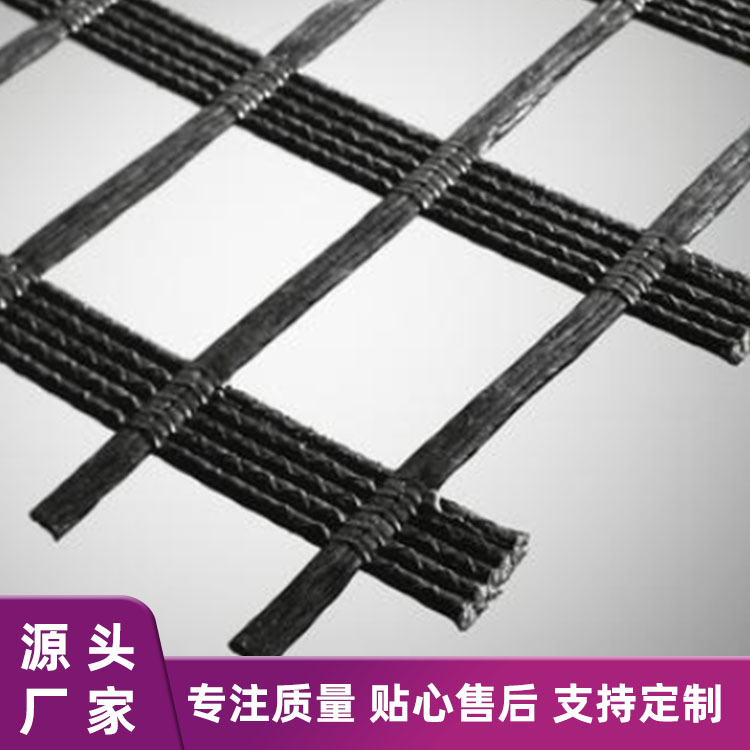
 Glass Fiber Geogrid
 Drainage mat
 Geotextile Cellular Confinement System
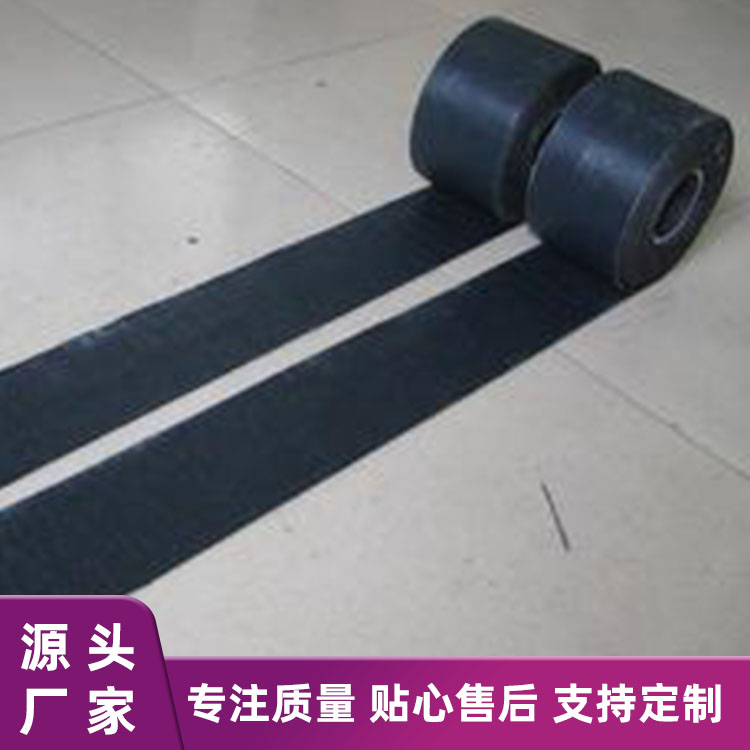 Crack Prevention Tape
 Bidirectional Plastic Geogrid
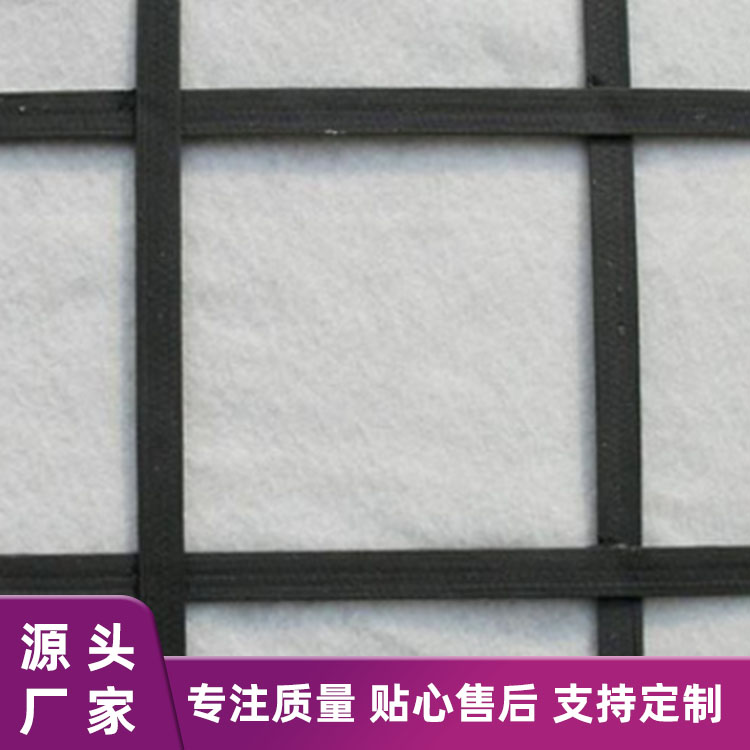 Steel-plastic composite geogrid
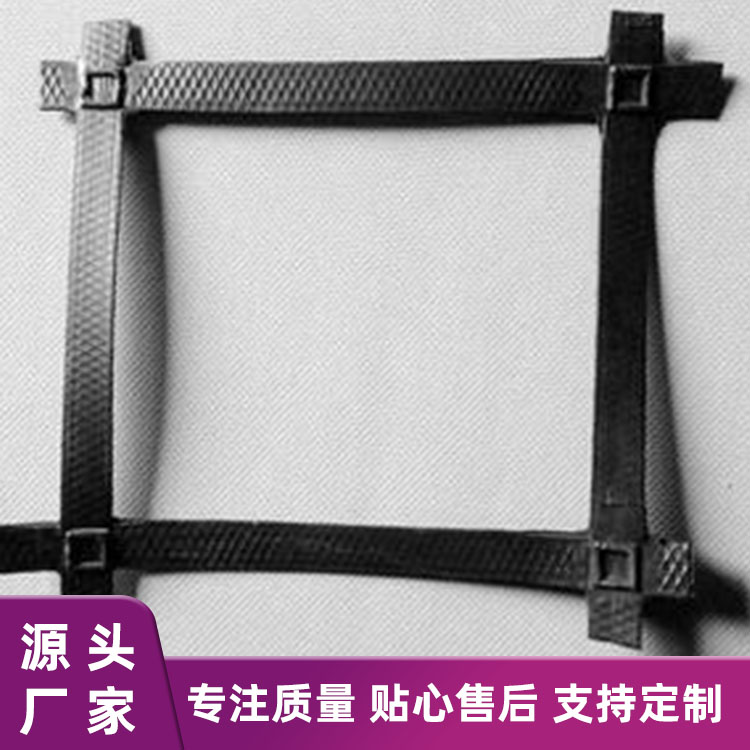 High-strength steel-plastic geogrid
Product Details






产品Price Negotiable
最小起订Quantity: 供货总Quantity:


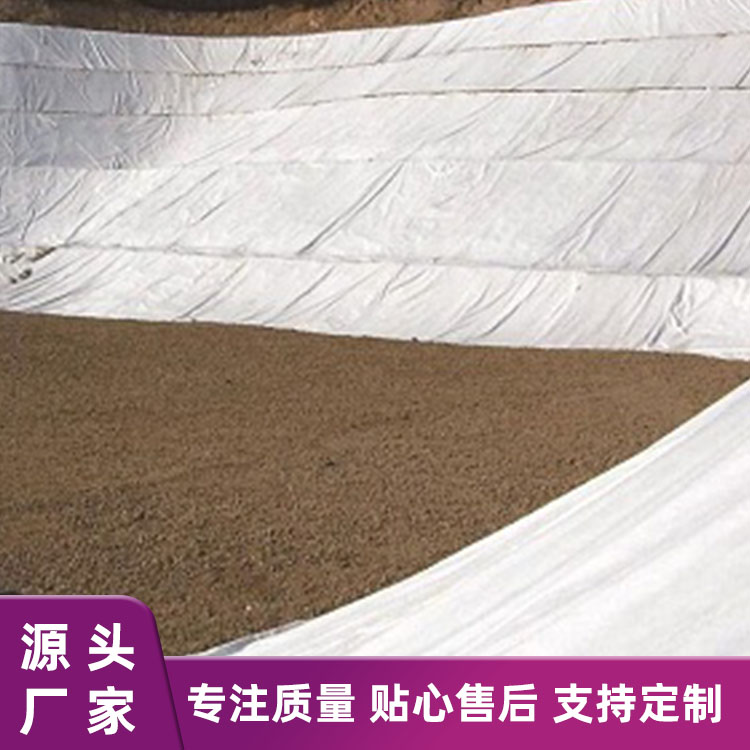
Geotextiles offer excellent filtration, drainage, isolation, reinforcement, and protective functions, featuring lightweight, high tensile strength, good permeability, high heat resistance, frost resistance, aging resistance, and corrosion resistance. The application of geosynthetic materials originated in the 1950s, and in 1998, the standard "Geosynthetic Nonwoven Fabric - Short Fiber Staple Nonwoven Geotextile" (GB/T17638-1998) was promulgated. Geotextiles have been widely used in various fields.
There are mainly three series of geotextiles:
One, needled non-woven geotextile, available in specifications ranging from 100g/m2 to 600g/m2, primarily made from polyester or polypropylene short fibers through the needling process. Its main applications include: slope protection for river, sea, and lake embankments, sea reclamation, harbor, lock防汛 and emergency rescue projects. It effectively preserves soil and water and prevents silt piping through filtration.
Two, composite geotextile made of needle-punched nonwoven fabric and PE film, available in 1 fabric + 1 film, 2 fabrics + 1 film configurations, with a width of 4.2 meters. The main raw material is polyester short fiber needle-punched nonwoven fabric, and the PE film is formed through lamination. Its primary use is for waterproofing, suitable for projects such as railways, highways, tunnels, subways, and airports.
Three, Nonwoven and woven composite geotextiles, including nonwoven and polypropylene filament woven composite, nonwoven and plastic braid composite, suitable for foundation reinforcement and infrastructure with adjusted permeability coefficient.

Phone Consultation