
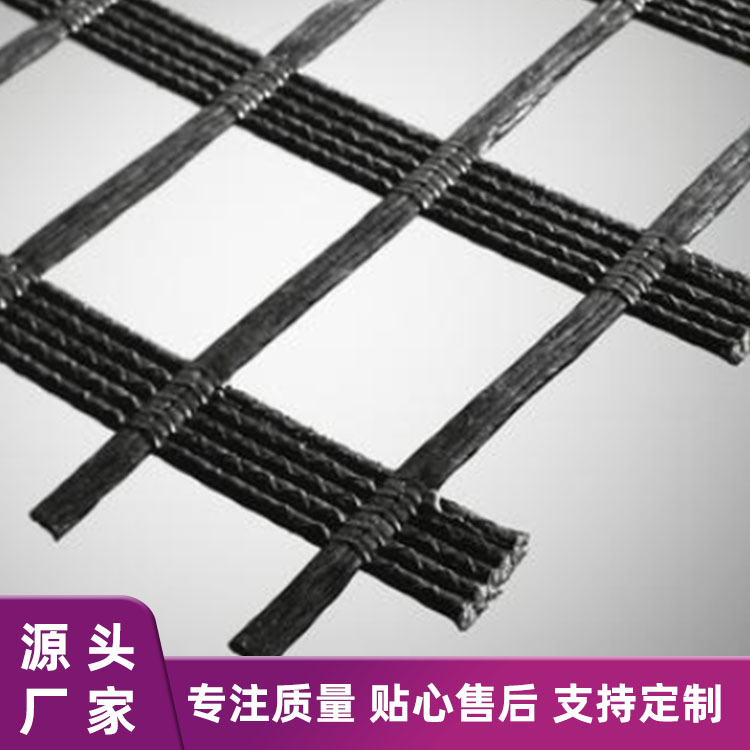
 Glass Fiber Geogrid
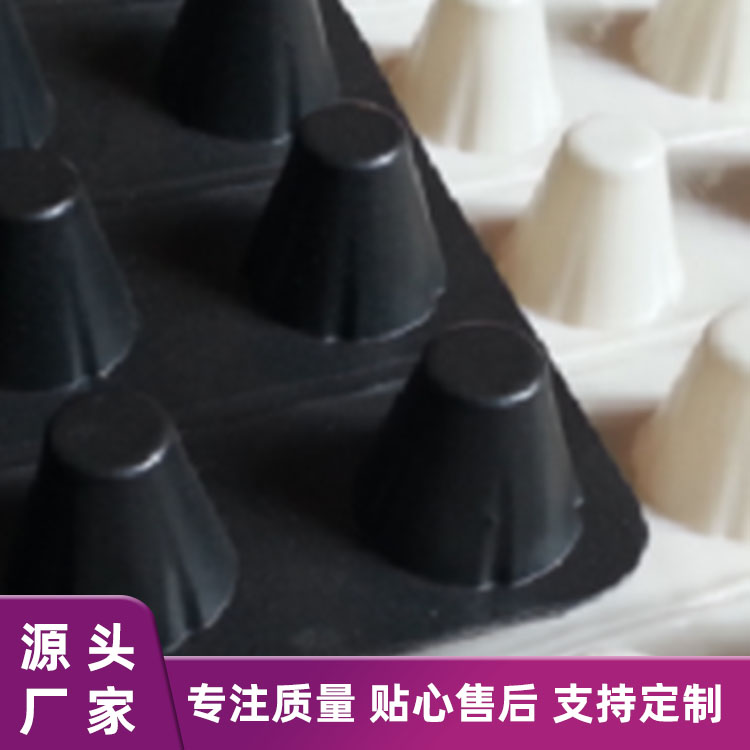 Drainage mat
 Geotextile Cellular Confinement System
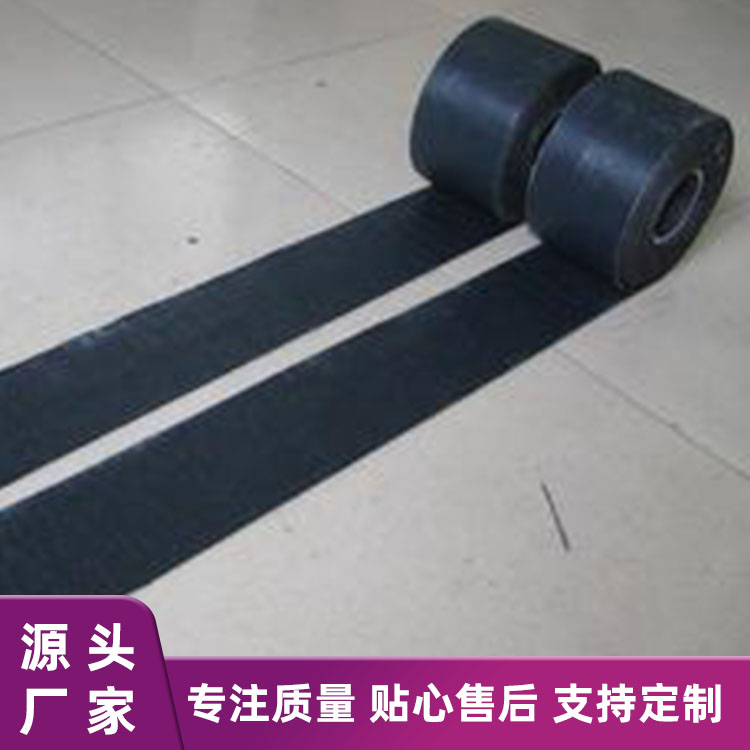 Crack Prevention Tape
 Bidirectional Plastic Geogrid
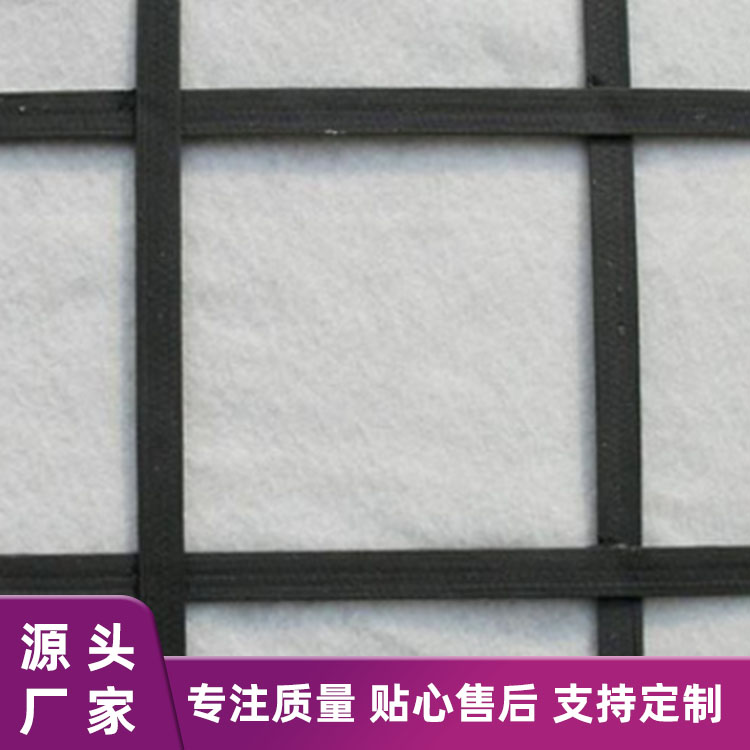 Steel-plastic composite geogrid
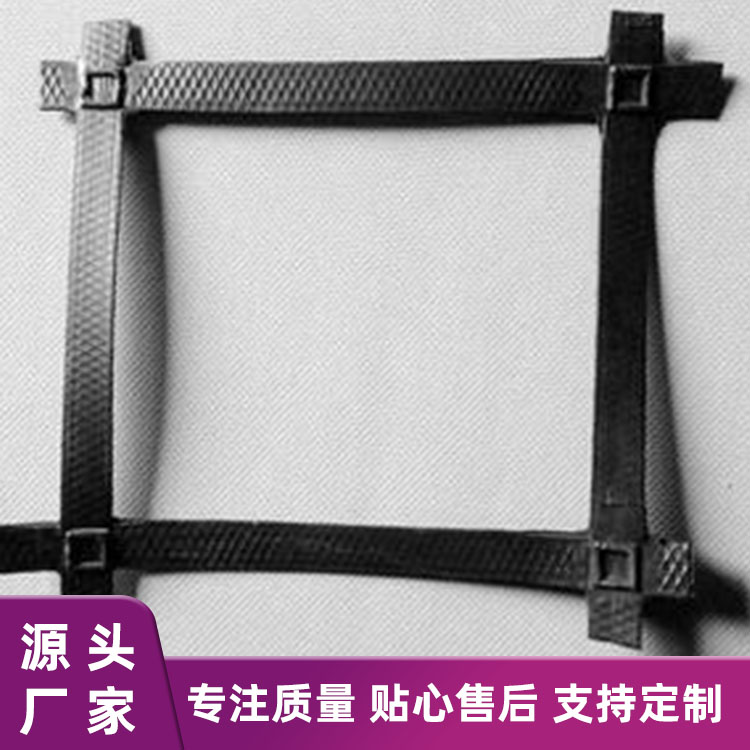 High-strength steel-plastic geogrid
Product Details






产品Price Negotiable
最小起订Quantity: 供货总Quantity:


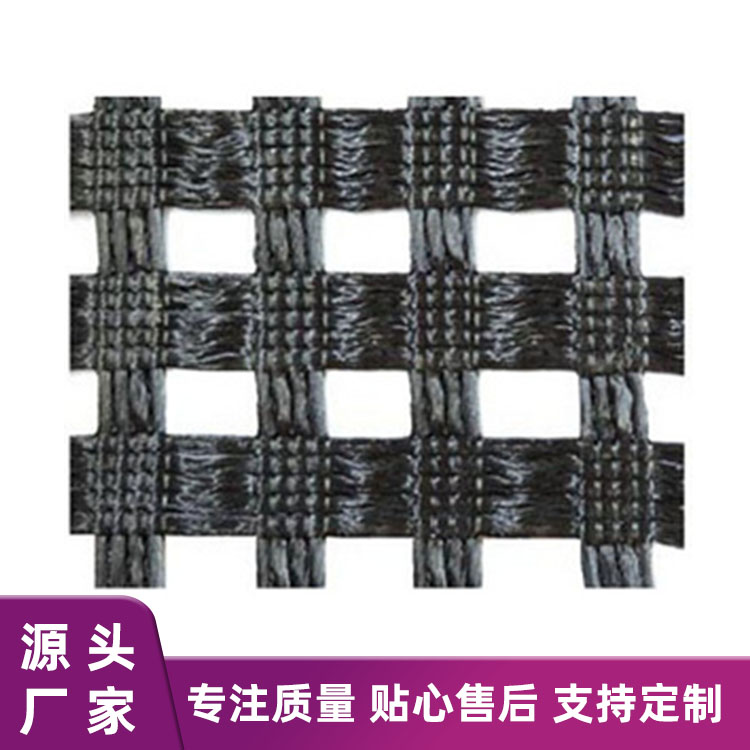
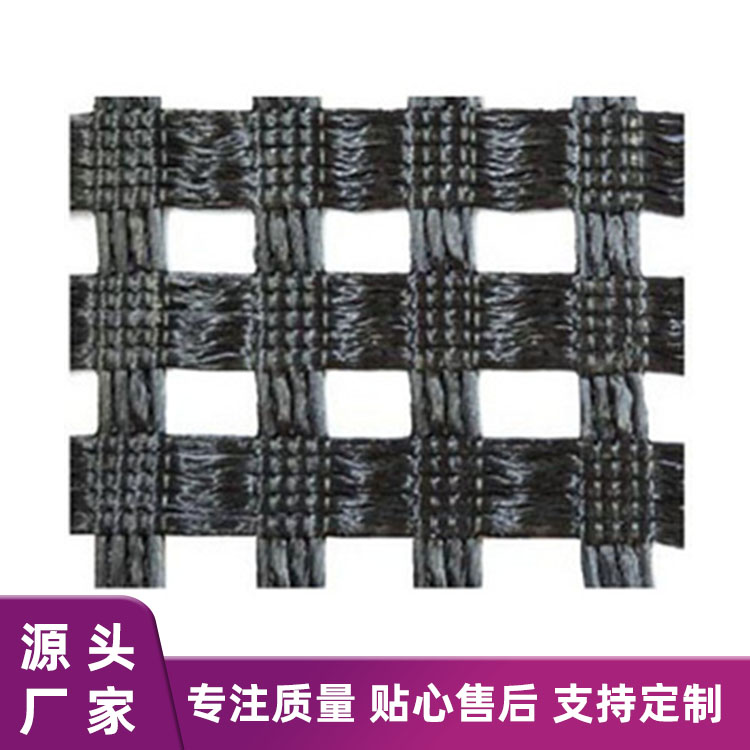
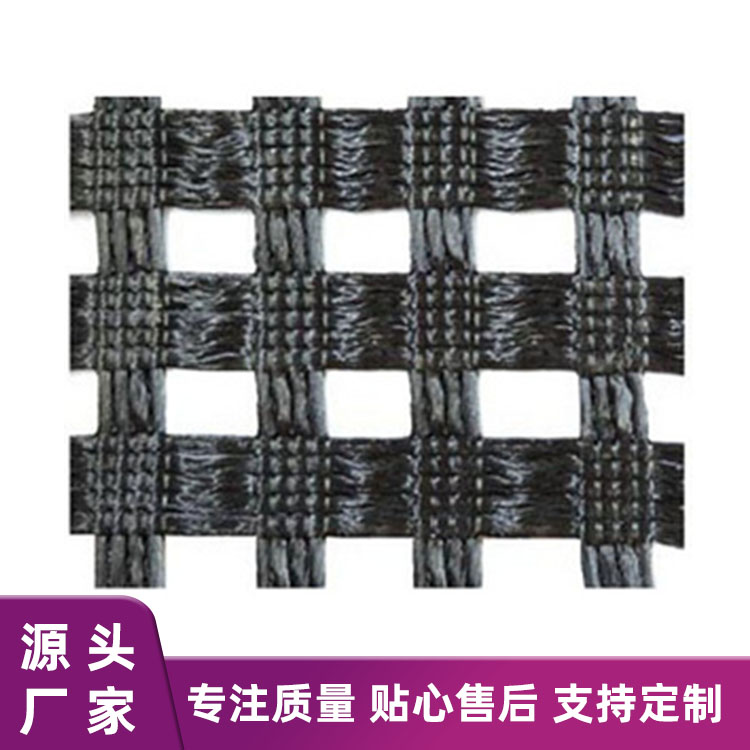
Polyester needle-punched geotextile格栅 High-strength polyester geogrid is a new type of geosynthetic base material for reinforcing subgrades, made from high-strength polyester or polypropylene fibers, woven in a warp-knitted directional pattern, and then treated with a special adhesive coating process. Features 1. Tensile strength rating 2. Lower elongation rate 3. Corrosion and aging resistant 4. Strong adhesion to the base material 5. Lightweight and drainage-efficient 1. Woven polyester geogrids are used for reinforcing and strengthening subgrades in roadways, railways, and municipal roads, effectively enhancing the strength of the subgrade and delaying the reflection cracks in the road. 2. Woven polyester geogrid reinforcement for embankments and river channels in hydraulic engineering, strengthening soft soil foundations, enhancing protection capabilities, and improving load-bearing and stability. 3. Woven Polyester Geogrids for reinforcement of embankment slopes and retaining walls, enhancing overall strength; used for soft soil foundation reinforcement in highways, railways, water conservancy, and other infrastructure projects. 4. Woven polyester geogrid for railway ballast protection: Due to train vibration and exposure to wind, rain, and moisture, ballast can be eroded. By wrapping the ballast with geogrid, we prevent its loss and enhance the stability of the subgrade. 5. Woven Polyester Geogrid for Railway Retaining Walls: Geogrid is used to reinforce retaining walls along railway edges, such as platforms and loading docks within train stations, which can extend service life and reduce maintenance costs. 6. Woven Polyester Geogrid for Reinforced Soil Retaining Walls: Laying geogrid next to highways and in vertical retaining walls can enhance the wall's load-bearing capacity. 7. Bridge pier foundations often tend to sink, causing a "bounce" effect. Laying geotextile格栅 beneath the pier foundation can enhance load-bearing capacity and stabilize the bridge pier. Instructions The grid should be laid on the coarse aggregate layer of the asphalt on the construction road surface. The existing road surface should be leveled first, then cleaned and trimmed before construction. For the use of ordinary grids, specific steel nails are required to secure the grid joints. The joints should be wider than 5cm horizontally and 10cm vertically. When laying geogrids treated with asphalt, minimize the application of asphalt adhesive. For self-adhesive geogrids, after being compacted by a rubber-tired roller, asphalt mix can be spread and compacted without the need for specific nails.
Performance and Features:
1. Tensile strength achieved
2. Lower elongation
3. Corrosion-resistant and aging-resistant
4. Strong adhesion to the base material
5. Lightweight with drainage properties
Product Applications:
1. Reinforcement and strengthening of road subgrades for various types of roads such as highways, railways, and municipal roads, which effectively enhances the subgrade strength and delays the reflection cracking of roads.
2. Reinforcement and isolation of dams and river channels in hydraulic engineering, strengthening soft soil foundations, enhancing their protective capabilities, and improving the load-bearing and stability of the foundations.
3. Reinforcement for embankment slopes and retaining walls, enhancing overall strength.
Usage

Phone Consultation