



- AllProduct Category
-
Accessories & Auxiliary Products
General Valves
Regulating Valve
Temperature and Pressure Reducing Device Automatic Control System
Cooling and Pressure Reducing Unit



详情描述
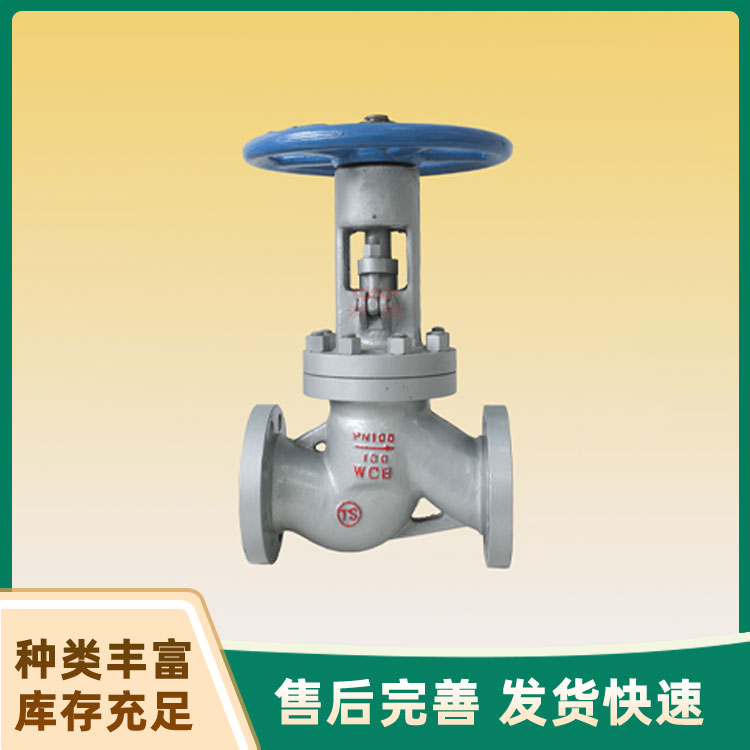
Stop valves, also known as gate valves, are forced-sealed types and must apply pressure to the valve disk to ensure a tight seal upon closure. When the medium enters from below the valve disk, the force required to overcome resistance includes the friction between the valve stem and packing and the thrust from the medium's pressure. Closing the valve requires more force than opening it, thus necessitating a larger diameter of the valve stem to prevent bending. They are categorized into three connection types: flanged, threaded, and welded. With the advent of self-sealed valves, the flow direction of stop valves changed to entering from above the disk into the valve cavity. Under the medium's pressure, the force required to close the valve is reduced while the force to open it increases, allowing for a smaller valve stem diameter. Additionally, under medium action, this type of valve offers better tightness. China's "Three Standardization for Valves" has stipulated that the flow direction of stop valves should be from top to bottom. When the valve is fully open, the opening height of the disk is 25% to 30% of the nominal diameter, indicating the maximum flow rate and full opening of the valve. Therefore, the full-open position of the stop valve should be determined by the travel of the valve disk.
Stop valves, also known as globe valves, feature a plug-shaped closure disc with a flat or hemispherical sealing surface. The disc moves linearly along the valve seat's centerline. The valve stem operates in a variety of forms (commonly referred to as a blind stem), including lift-and-turn rods, suitable for controlling the flow of gases, liquids, steam, corrosive fluids, sludge, oils, molten metals, and radioactive materials. As such, this type of stop valve is highly suitable for cutting off, regulating, and throttling fluids. Due to their relatively short stroke and highly reliable cutting function, and because the valve seat opening varies proportionally with the disc's stroke, they are particularly well-suited for flow regulation.


