

- AllProduct Category
-
Accessories & Auxiliary Products
General Valves
Regulating Valve
Temperature and Pressure Reducing Device Automatic Control System
Cooling and Pressure Reducing Unit


详情描述
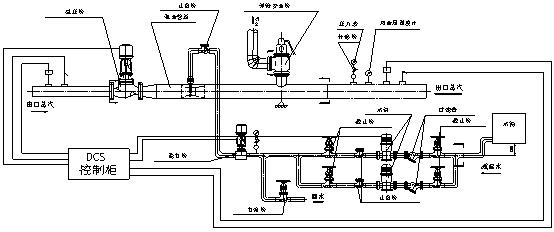
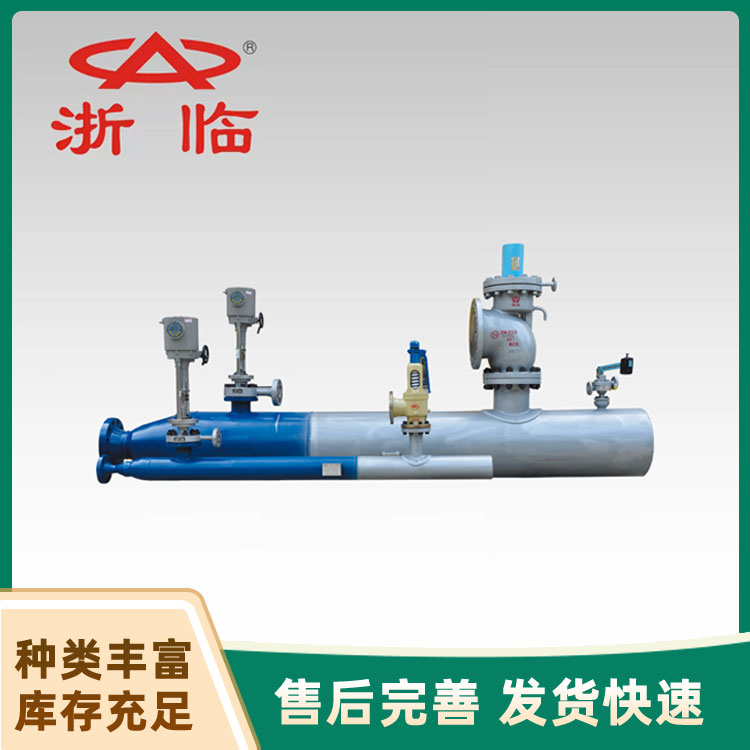
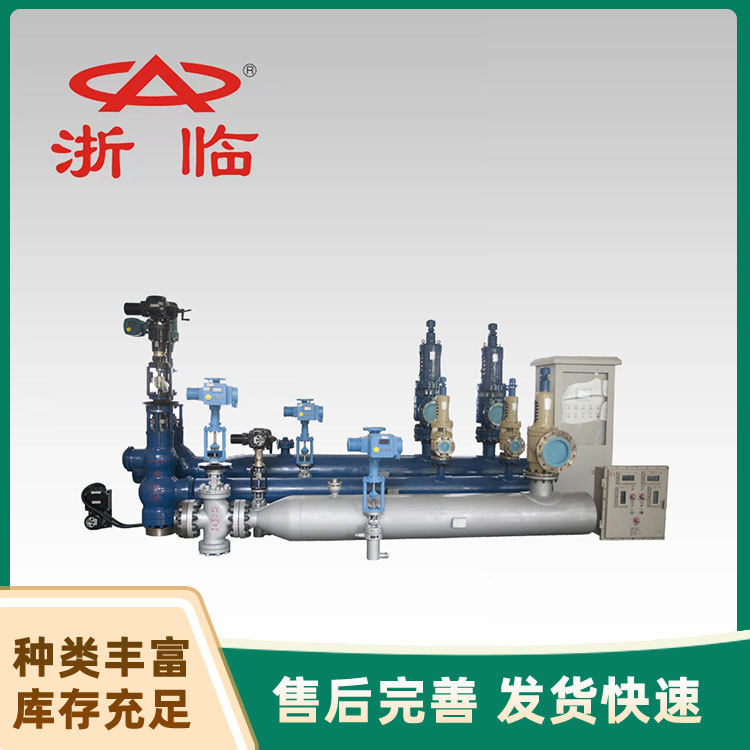
The split type medium temperature and medium pressure, sub-pressure reduction and pressure reduction unit (Series Y-W01/101, 02/102, 05/16, 09/10) consists of the following parts:
1. Pressure Reduction System: Pressure Relief Valves, Throttle Plates, etc.
2. Temperature Reduction System: Water regulating valve or adjustable nozzle, throttle valve, etc.
3. Safety Systems: Safety valves, check valves, etc.
4. Pipeline System: Steam pipes, transition pipes, water-attenuation pipes, etc.
5. Accessories: Shut-off valves, gauges, control cabinets, water tanks, piping fittings, etc.
The WY series temperature and pressure reducing device is the third generation reducing device developed by our company, integrating years of design and manufacturing experience, and incorporating foreign product structures, with optimized technical design.
The temperature and pressure reducing device consists of a pressure reduction system (pressure-reducing valves, throttle plates, etc.), a temperature reduction system (high-pressure differential water regulating valves, throttle valves, etc.), and safety protection devices (safety valves, check valves), featuring the following main characteristics:
1) Utilizing a temperature and pressure reducing valve structure, the steam is cooled and depressurized within the same valve, significantly reducing the overall length of the unit, minimizing land area required, and lowering engineering investment.
2) Utilizing a straight-travel double-seat cage-type temperature-reducing and pressure-reducing valve structure, the valve is equipped with a throttle screen to enhance the atomization effect of the temperature-reducing water, protecting the valve seat and body, thereby extending the valve's service life and reducing the noise of the device. The double-seat valve has a small unbalanced force, a wide adjustment range, and smooth operation, without the risk of jamming. The sub-high pressure temperature-reducing and pressure-reducing valve features a sealed surface surfacing with cobalt-based ERCrMn-C-15, which is resistant to high temperatures and erosion; the valve seat and valve disc are matched and ground for excellent sealing performance, overcoming the drawback of large leakage in double-seat valves and suitable for temperatures up to 510°C.
3) The valve features an atomizing nozzle inside, where the reducing water passes through the water chamber within the valve core, achieving a jet velocity of up to 23 m/s at the spray point. The throttling between the valve disc and seat in the reducing-pressure valve maintains a high steam velocity (i.e., at the spray point of the reducing water), thereby ensuring excellent atomization even at lower steam flow rates.
4) Noise Reduction. The throttle orifice cover and throttle plate installed in the pressure-reducing and temperature-reducing valve, as well as the throttle plate after the valve, serve both to reduce pressure and atomize, but their primary function is to decrease the noise within the system. The main principle is the noise reduction achieved through the small holes.
5) Flow characteristics of temperature and pressure reducing valve: Straight or corrected percentage characteristic curve, capable of precise control over the full stroke range. Ensures stable operation of the equipment with secondary steam output between 10~100% of rated capacity, leakage class: IV.
6) The temperature water regulating system employs a straight-travel large pressure difference regulating valve, which can reasonably distribute the pressure difference on the water supply system. The large pressure difference water regulating valves of the same diameter offer different flow coefficient Cv values for selection, significantly enhancing the regulating sensitivity and accuracy of the temperature regulating system.
7) Electric temperature and pressure reducing valves, with electric water supply regulating valves and straight stroke electric actuators, eliminating the traditional lever hinge mechanism, reducing the dead travel sections, further enhancing the sensitivity and accuracy of the regulating system.