
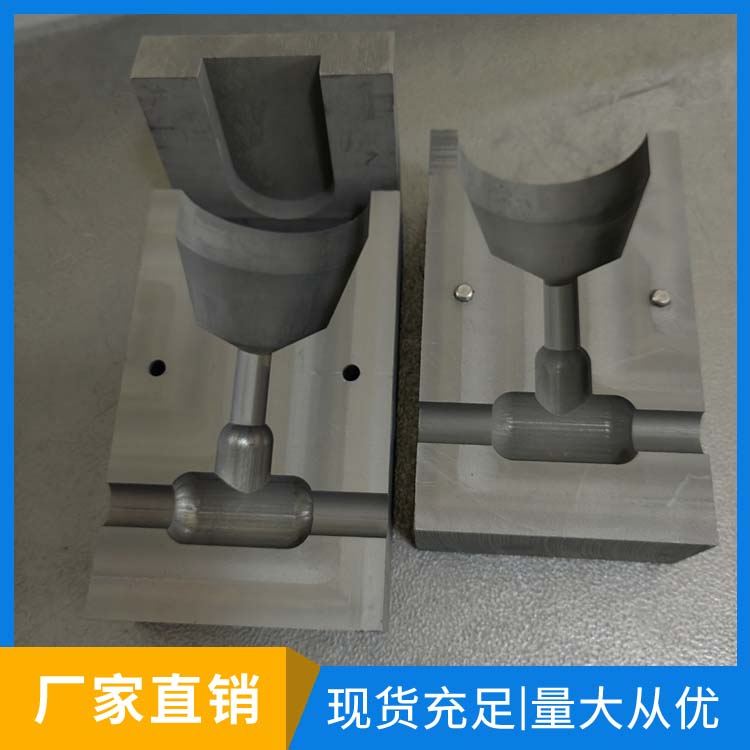
 Heat Release Welding Molding
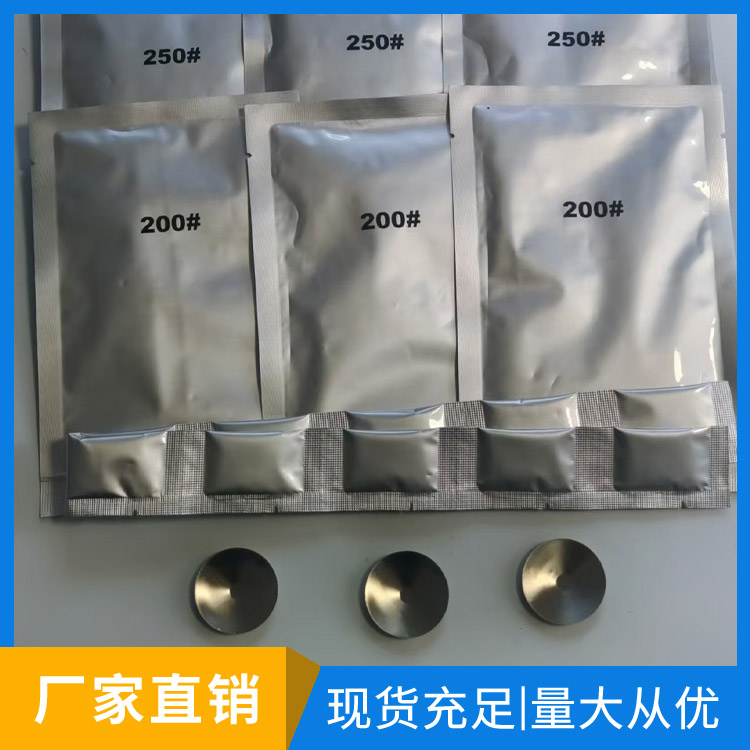 Heat Release Welding Filler Powder
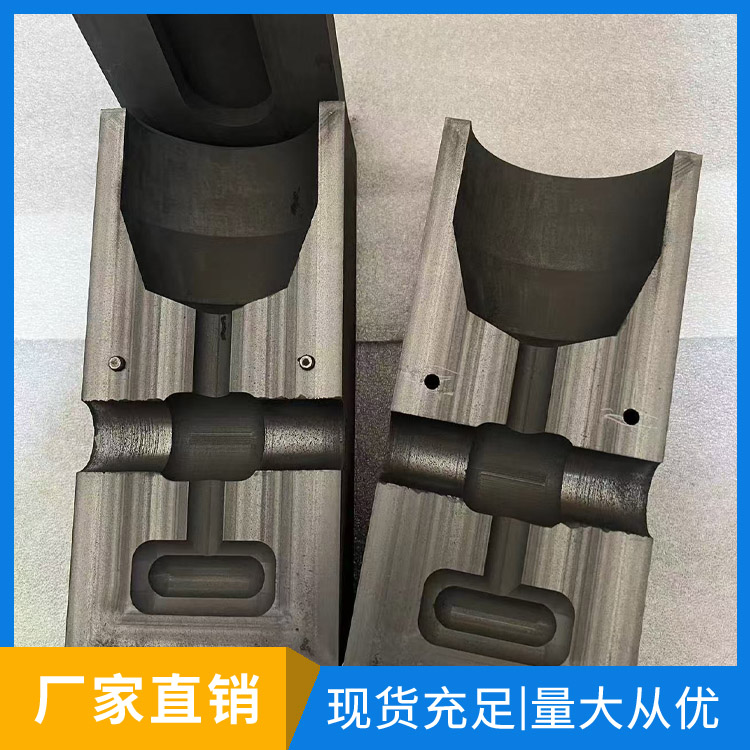 High-pressure Molding Die
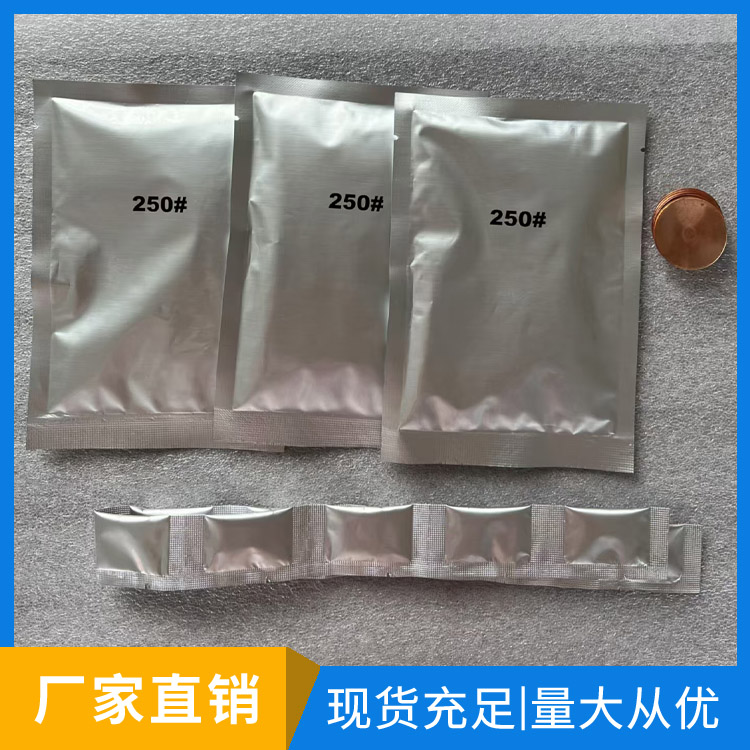 High-voltage Cable Welding Flux
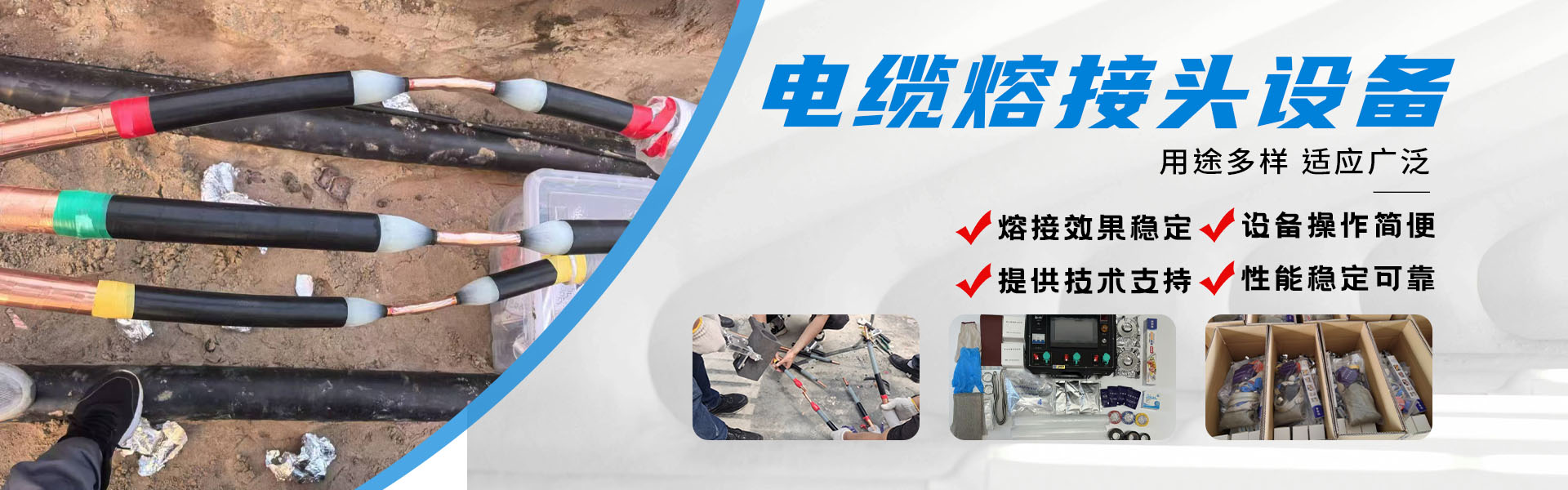
 Cable Splicing Equipment
 High-voltage Cable Melting Joint Equipment (Mechanical Model)
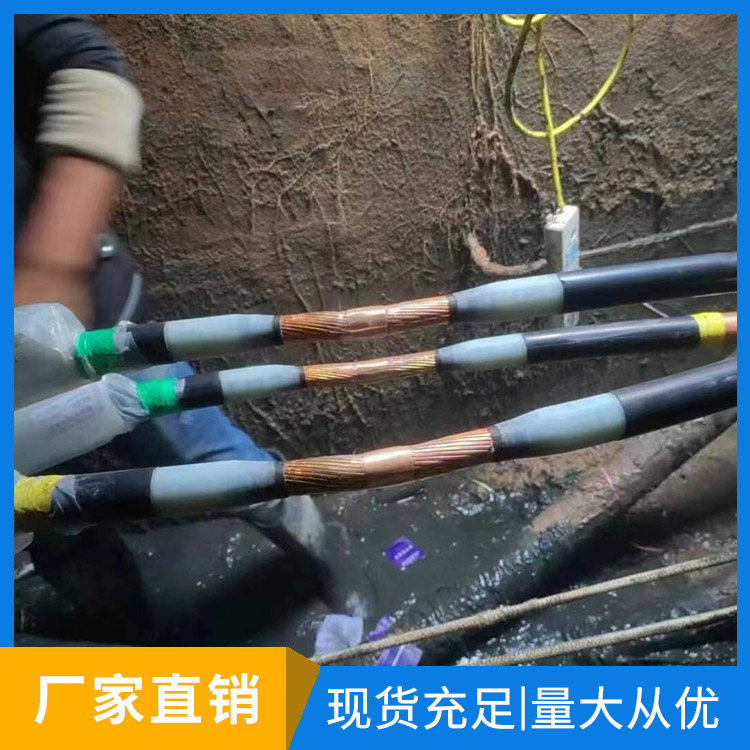 High-voltage Cable Welding Construction Training
Product Details

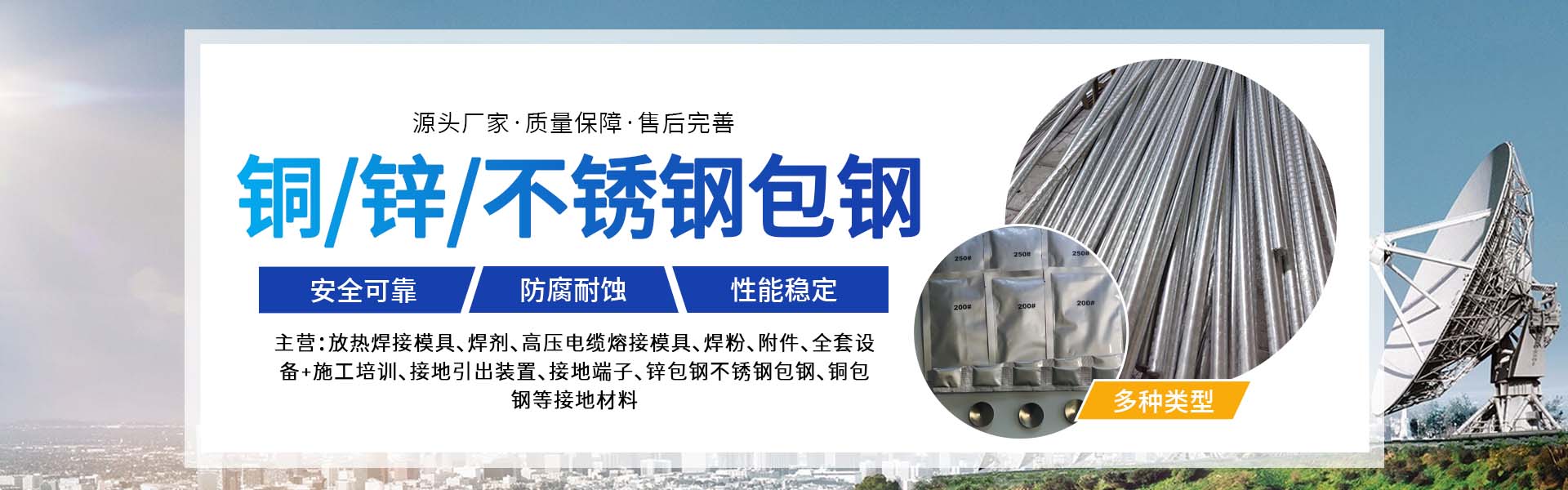
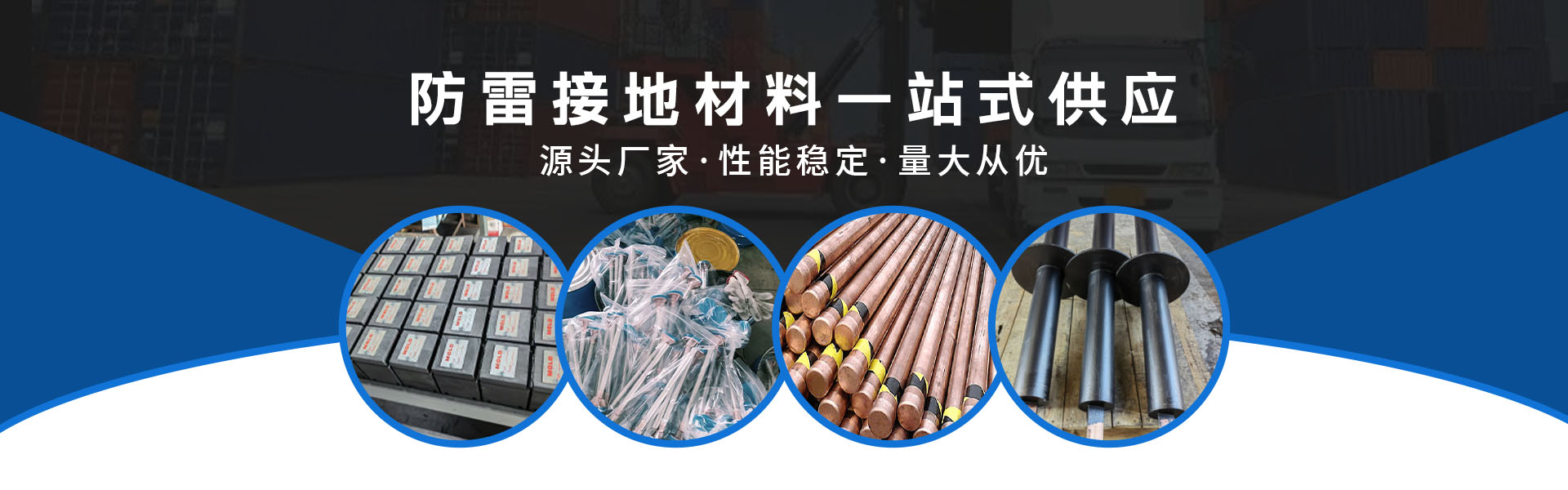
Production and processing: thermal bonding molds, welding flux, zinc-coated s...
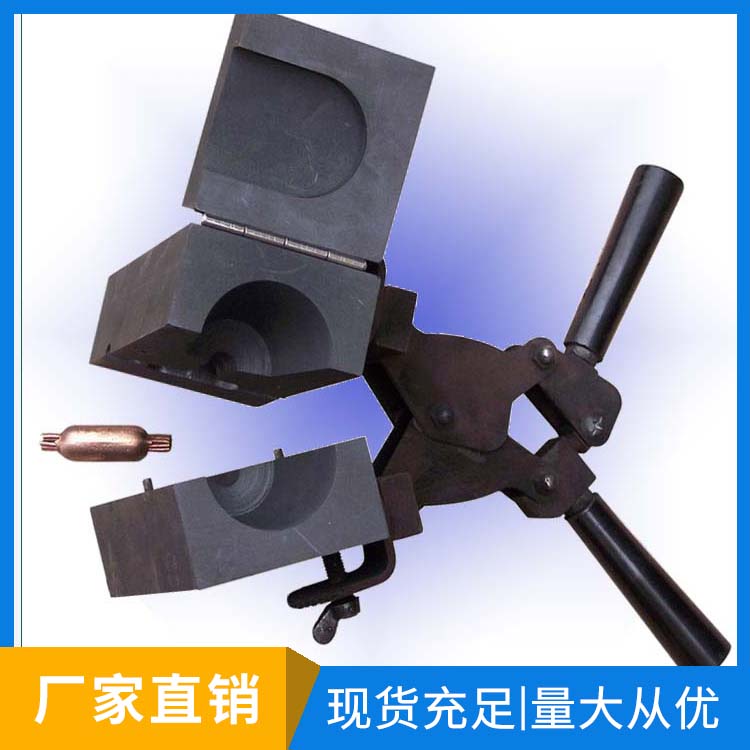
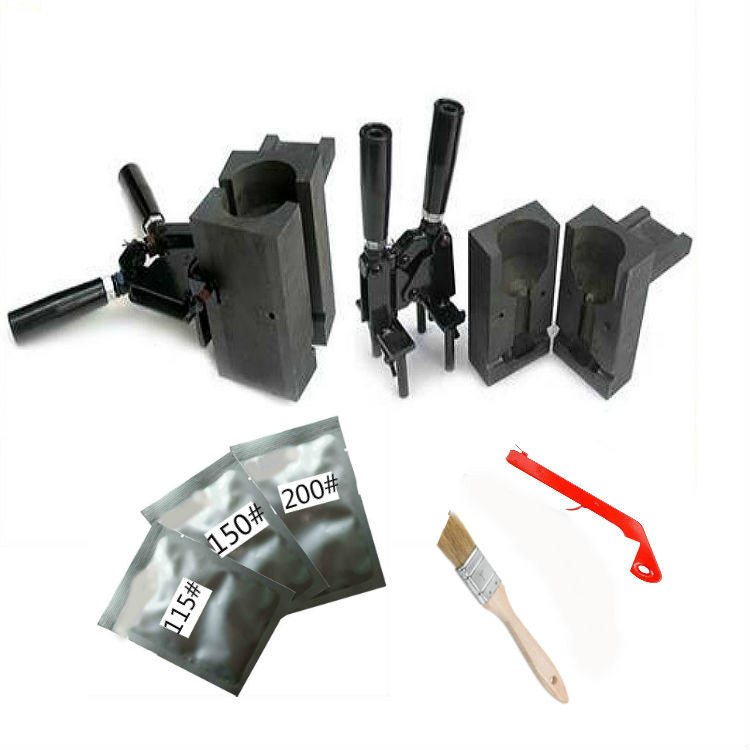
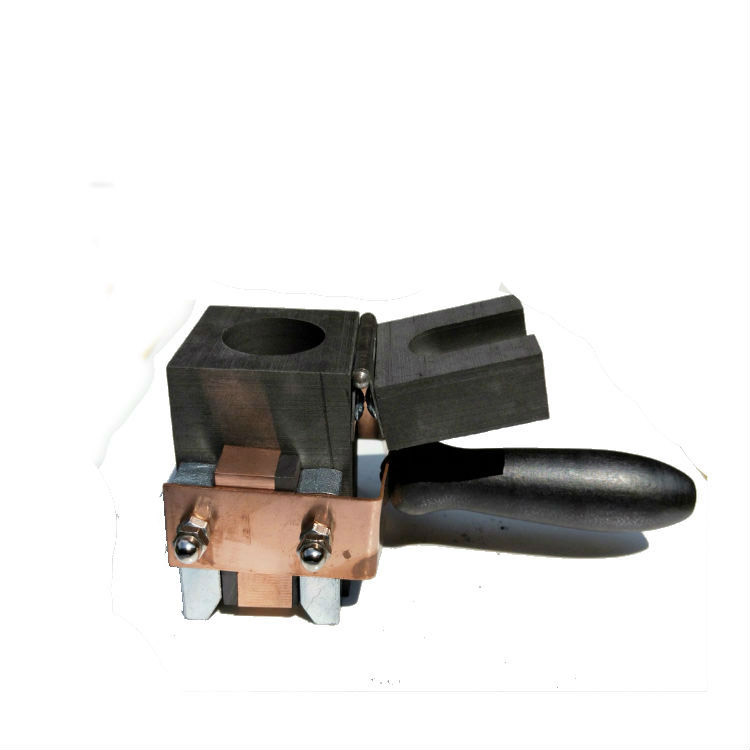
产品Price Negotiable
最小起订Quantity: 供货总Quantity:


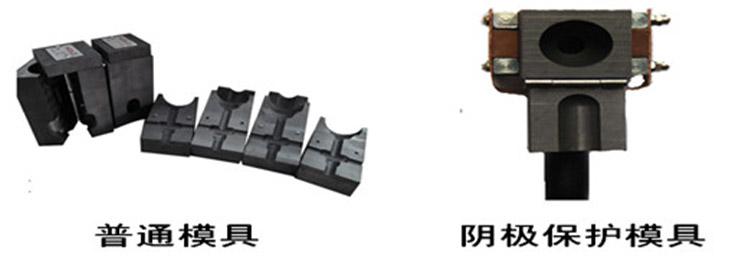
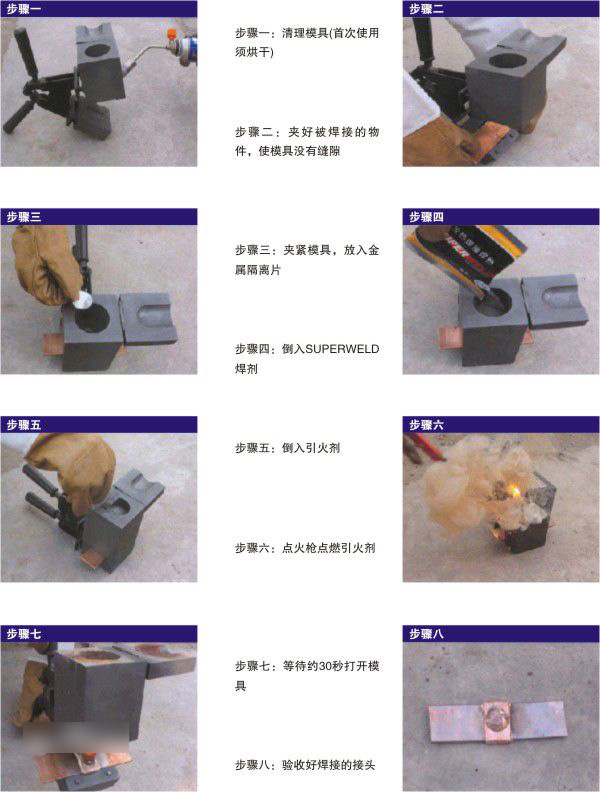
Section 1: Introduction to Heat-Fusion Welding Molds A heat welding system is a simple and high-quality electrical connection process that utilizes the exothermic reduction reaction of metal oxides as a heat source to form molten joints of specific shape and size that meet connection requirements within a special mold cavity. It consists of a set of welding components including exothermic welding flux, welding mold, and mold clamp. It is commonly referred to as hot melt welding flux, fire clay welding, etc., with the reaction as follows: 3GuO + 2Al == 6Gu + Al2O3 + heat (2500°C). The heat welding molds are essential carriers for the successful occurrence of heat welding reactions. A complete mold consists of several parts, including the mold cover, mold cavity, welding chamber, and flow channel. Many projects that use high-quality welding powder but fail to achieve satisfactory welding results are due to the use of impractical molds. Our company's welding molds are made with high-density, wear-resistant high-purity graphite as the basic material, capable of withstanding the melting temperatures of copper, steel, iron, and other metals. They feature a scientifically and rigorously designed flow path, velocity, and shape for molten metal. Each finished mold is strictly inspected, ensuring features such as reasonable design, long service life, excellent demolding effects, and good versatility. Molds are categorized into two main types: general heat-release welding molds and cathodic protection welding molds. Section 2: Applications of Heat Sealing Heat welding is widely used in lightning protection and surge protection for grounding projects; electrical equipment grounding projects; petrochemical engineering; construction of airports, railways, and highways; intelligent building construction; cathodic corrosion protection projects, etc. III. Advantages of Heat Sealing 1. The current-carrying capacity (melting point) of the welding point is identical to that of the conductor, boasting excellent conductivity. Tests show that the change rate of the DC resistance ratio before and after welding is nearly zero. This is unparalleled by any traditional connection method. 2. Welding points are molecularly bonded, non-aging. 3. Welding points are unaffected by corrosion, just like copper. 4. Will not be damaged by high surge currents. Tests show that under the impact of short-duration high currents, the conductor melts before the soldered joint. 5. User-friendly and simple, no need for specialized personnel. 6. Simple and lightweight equipment, easy to carry and operate. 7. The quality of the welding can be inspected by appearance. 8. No external power or heat source required during welding. Compared to traditional mechanical connection techniques, heat-sealing welding is a true molecular welding. The conductors are not damaged, and there is no contact surface, thus maintaining the overall effectiveness of the conductor interface. Section 4: Heat Welding Application Method V. Precautions for Heat Sealing Usage 1. Firstly, based on the shape and size of the welding material, we issue the appropriate mold and configure the corresponding type of welding powder (all our molds are equipped with a nameplate on them, indicating the mold model and the corresponding welding powder model). 2. Treat the pulling parts before welding, removing oil, dirt, and oxidation layers. 3. Thoroughly preheat the mold, using a blowtorch (or gas torch) to dry the weldment and the mold to minimize moisture as much as possible. 4. After installing and inspecting the mold, pour in the welding powder and ignite the reaction. Before lighting the flame, ensure that the melting mold cover is securely in place with no gaps at the closure. 5. No flammable materials are allowed within a 1-2 meter range of the site. Clean the molds and prepare them for the next use. Section 6: Alternative Names for Heat Welding Heat welding, also known as fire clay welding, fire clay fusion, fire clay melting welding, thermal melting welding, aluminum thermite welding, aluminum thermite welding agent, radiant welding, exothermic welding, and fire clay welding.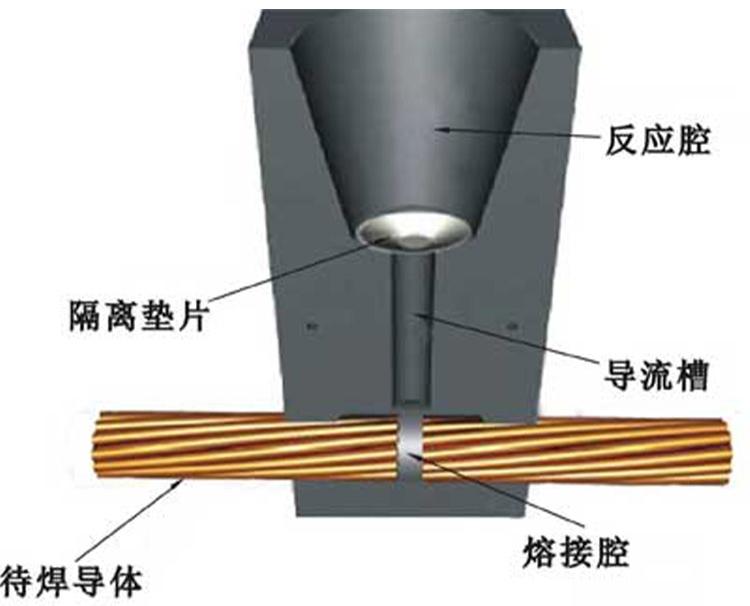

Phone Consultation