
 Flange
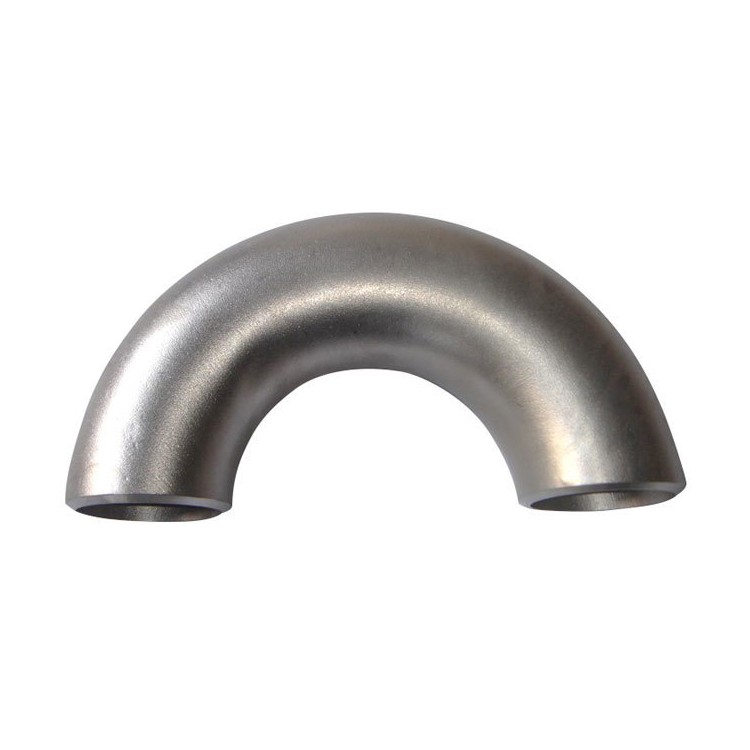 Elbow
Elbow
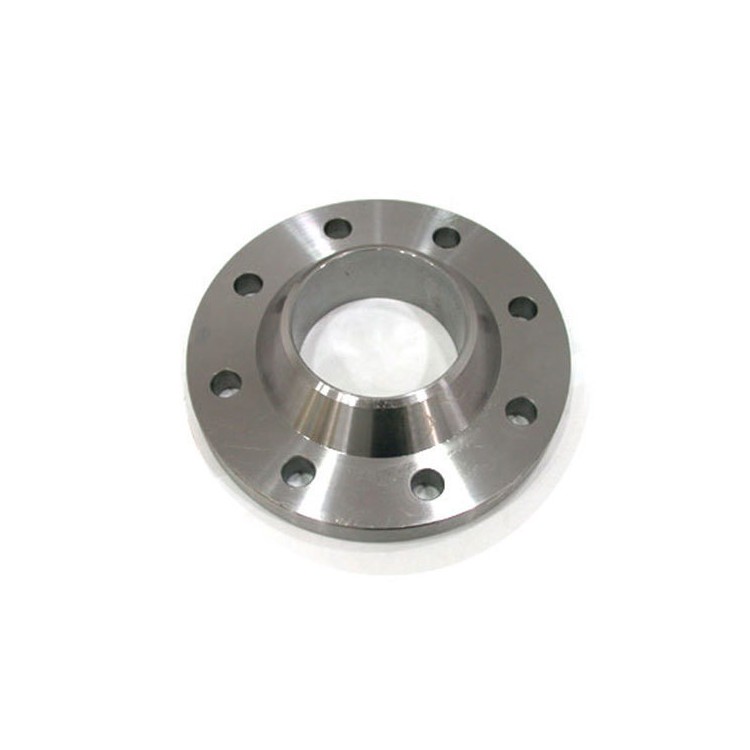 Flange
 Stainless Steel Flange
 90-degree elbow
 Bend Elbow
Product Details




产品Price Negotiable
最小起订Quantity:1 Piece 供货总Quantity: 9999 Piece


Brand |
|
Specs |
Customizable |
Material |
Stainless Steel |
Usage |
Construction Engineering |
Origin |
Hebei |
Available for sale locations |
National |
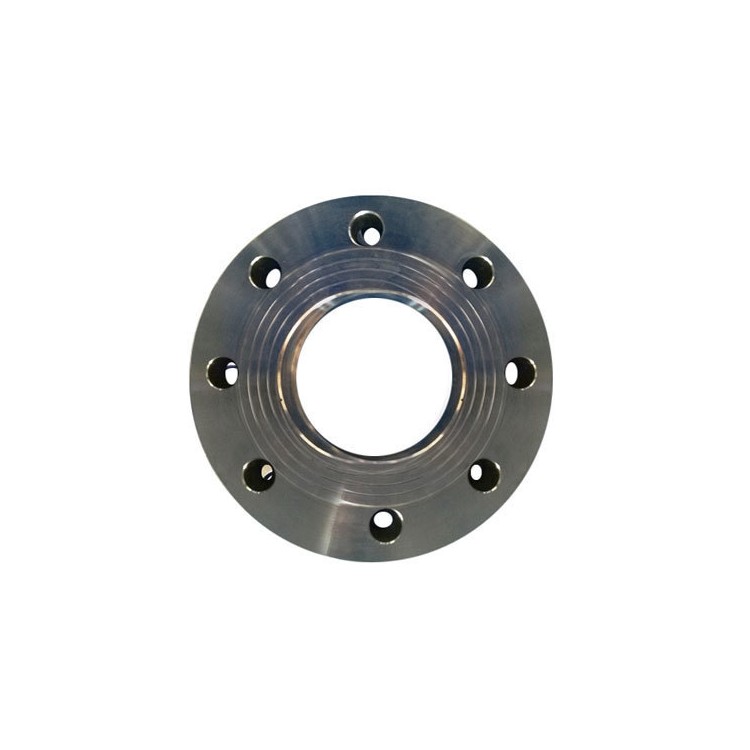
Stainless steel flat welding flange, as the name implies, is a flat welding flange made of stainless steel, also known as a flange plate, and belongs to a type within the flat welding flange series. Stainless steel flanges offer superior resistance to acids and alkalis, corrosion, and high temperatures compared to carbon steel flanges. Aesthetically pleasing, smooth and glossy surface, strong resistance to acids and alkalis, excellent corrosion resistance, robust texture and performance; DN15-DN600 PN0.25MPa,PN0.6MPa,PN1.0MPa,PN1.6MPa,PN2.5MPa,PN4.0MPa; Stainless Steel (Stainless Steel): ASTM A182 F304, 304L, F316, 316L, 1Cr18Ni9Ti, 0Cr18Ni9Ti, 321, 18-8 Commonly used 304 stainless steel flanges and 316 stainless steel flanges. Full Face Flanged Plate (FF), Raised Face Flanged Plate (RF) Chemical Industry Standard: HG20593-2009, HG20615-2009 National Standards: GB/T9119-2010, GB/T2555-81 Mechanical Department Standards: JB/T81-94, JB/T74-94, JB/T75-94 Marine Standard: CB M1001-81 Single-sided welding, double-sided nut connection; In simple terms, it involves inserting the pipe into the inner diameter of the flat welding flange and welding it in place, then securing both sides with bolts and nuts. Pure forging, semi-forging (second choice) are suitable for necked lap joint flanges (SO) and necked butt weld flanges (WN); steel plates are suitable for lap joint flanges. Aerated furnace blanking, full forging or finished forging cutting shaping process, high-precision CNC lathe turning, CNC sliding head drill boring. 1. To prevent intergranular corrosion caused by flange heating, the welding current should not be too high, about 20% less than that of carbon steel welding rods. The arc should not be too long, and rapid interlayer cooling with narrow welding seams is preferred. 2. When using welding rods, keep them dry. Titanium calcium rods should be dried at 150℃ for 1 hour, while low α-hydrogen rods should be dried at 200-250℃ for 1 hour (do not re-dry multiple times, as it may cause the coating to crack and peel off). Prevent the rod coating from contacting oil and other contaminants to avoid increasing the carbon content in the weld and affecting the quality of the workpiece. 3. During the welding of stainless steel flange fittings, repeated heating leads to the precipitation of carbides, reducing their corrosion resistance and mechanical properties. 4. Hardening after welding of chrome stainless steel flange fittings is greater than that of ASME flanges, which is prone to cracking. If welding with the same type of chrome stainless steel welding rods (G202, G207) is used, it is necessary to perform preheating above 300℃ and post-welding slow cooling around 700℃. If the welded parts cannot undergo post-weld heat treatment, stainless steel flange fitting welding rods (A107, A207) should be selected. 5. Stainless steel flanges, enhanced with appropriate amounts of stabilizing elements such as Ti, Nb, Mo for improved corrosion resistance and weldability, exhibit better weldability than chromium stainless steel flanges. When using the same type of chromium stainless steel welding rods (G302, G307), preheat to above 200°C and perform an approximately 800°C post-weld heat treatment. If the weldment cannot be heat treated, select stainless steel flange pipe fitting welding rods (A107, A207). 6. Stainless steel flange pipe fittings, with excellent corrosion and oxidation resistance, are widely used in chemical, petroleum, and machinery manufacturing. Advantages: Flat weld flanges not only save space and reduce weight, but more importantly, they ensure that the joint area will not leak, offering excellent sealing performance. The reduction in the compact flange size is due to the decreased diameter of the sealing element. This will reduce the cross-sectional area of the sealing face. The法兰gasket has been replaced with a sealing ring to ensure a proper match between the sealing faces. This results in the need for only minimal pressure to seal the cover tightly. As the required pressure decreases, the size and quantity of the bolts can be correspondingly reduced. Therefore, a new product has been designed that is compact and lightweight (reducing the weight by 70% to 80% compared to traditional flanges). Therefore, the flat welding flange is a superior type of flange product, reducing both weight and space, playing a crucial role in industrial applications. Drawback: The main design drawback of the flat welding flange is that it cannot guarantee no leakage. Design deficiencies: The connections are dynamic, and factors such as thermal expansion and fluctuating cyclic loads can cause movement between the flange faces, affecting the function of the flange and compromising its integrity, leading to leaks. No product can be completely defect-free; it's about minimizing the shortcomings as much as possible. Therefore, the company strives to enhance the performance of the flat welding flanges during production, ensuring they serve a greater purpose. 1: We recommend purchasing from a reputable flange manufacturer with a certain production scale. 2: Manufacturers of flanges must provide material inspection reports and other relevant documents for flange plates. 3: Flange plates must have corresponding specification and model embossed markings and identification.Introduction to Stainless Steel Flat Welding Flange

Features of Stainless Steel Flat Welding Flange
Specification Model
Pressure Rating
Common Materials
Sealing Surface Type
Compliance Standards
Connection Type
Production Process
Caution for Using Stainless Steel Flat Weld Flanges
Advantages and Disadvantages of Stainless Steel Flat Weld Flanges
Procurement Recommendations

Phone Consultation