

Product Details

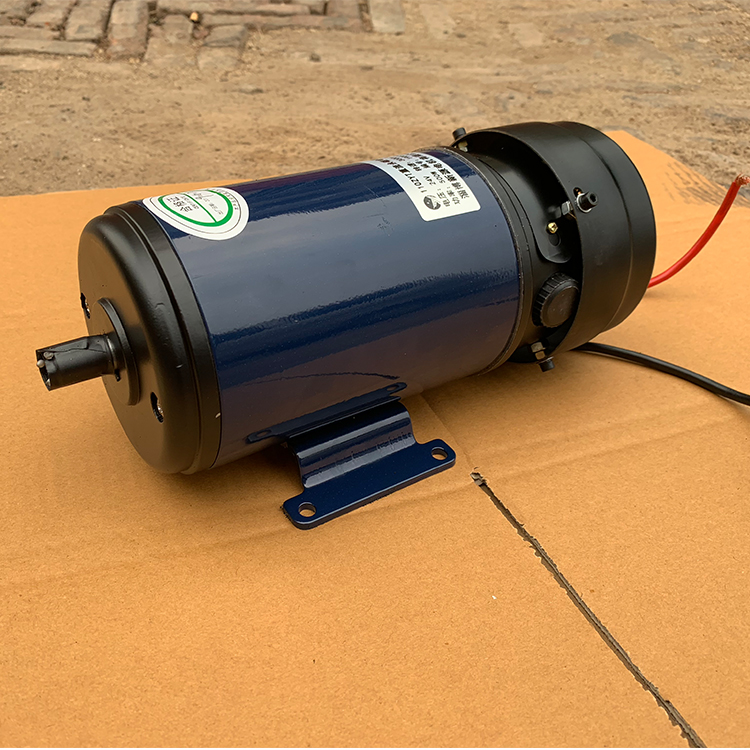


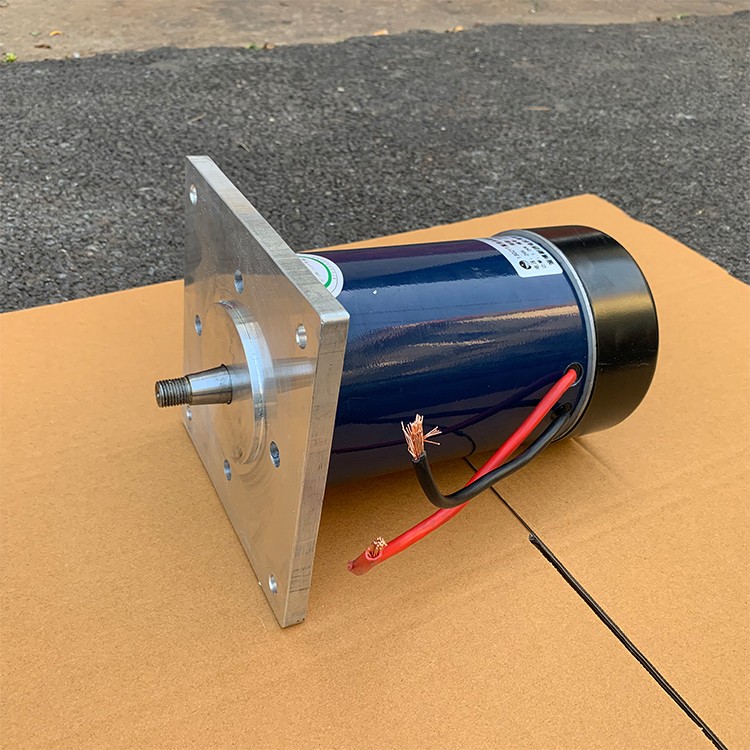
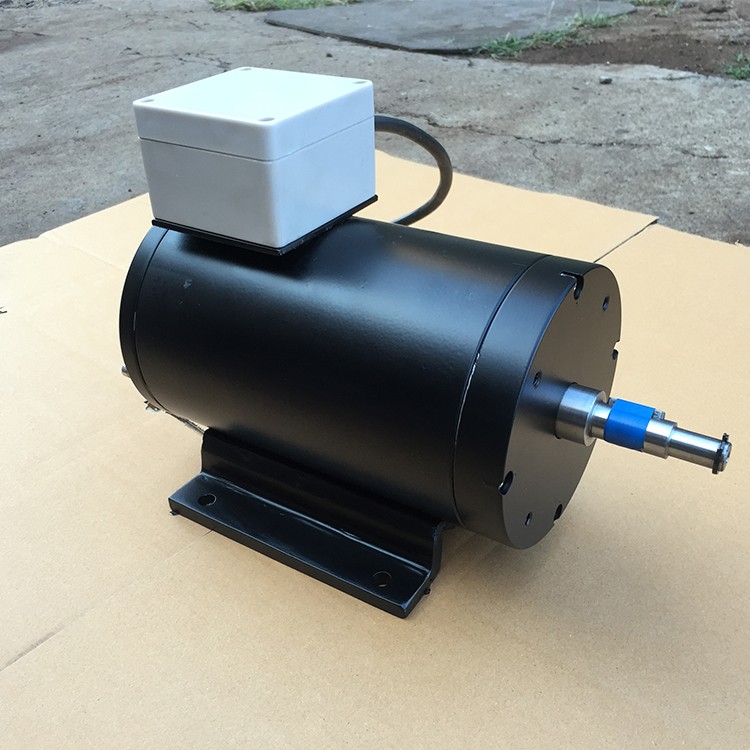

价 格Negotiable
最小起订1 Tai库存99 Tai
 Business Card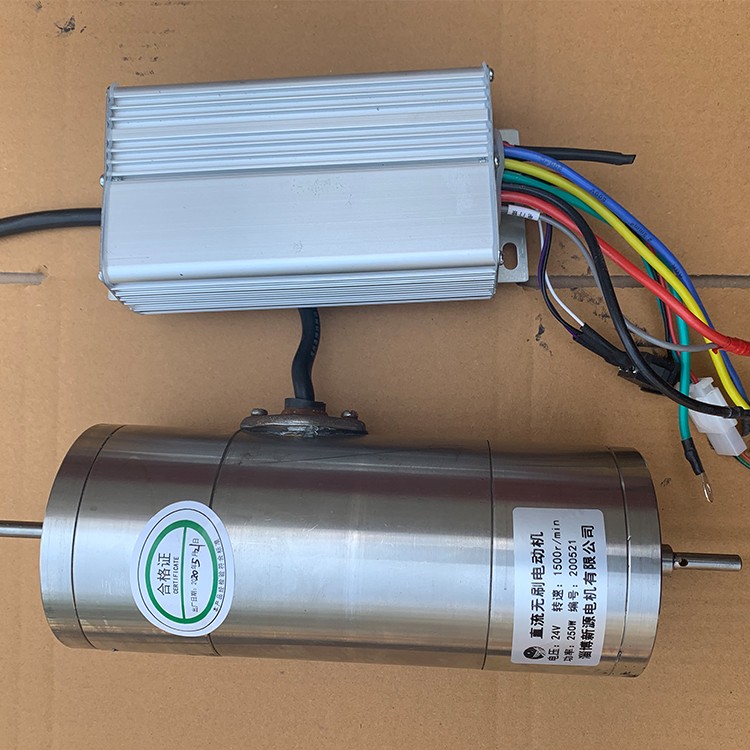
Negotiable
Negotiable
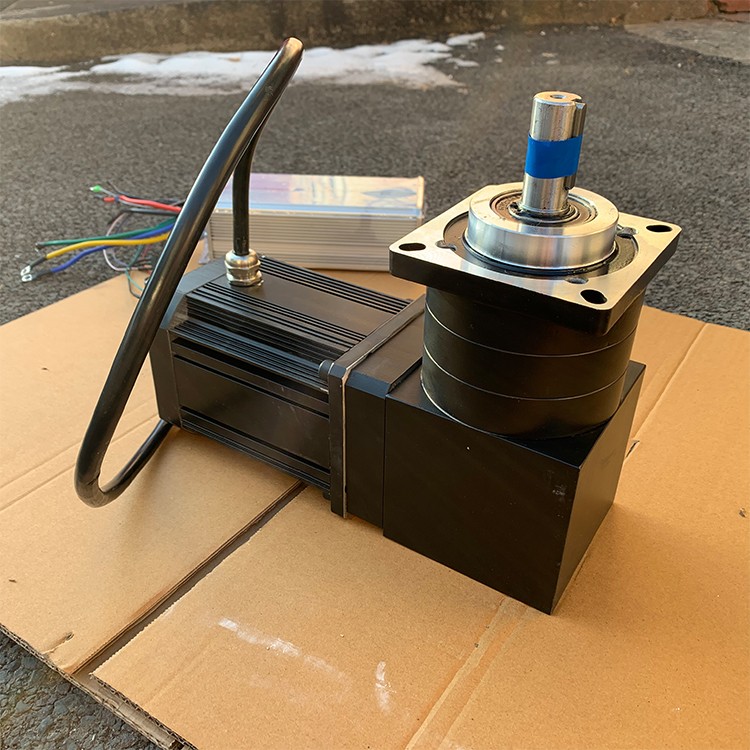
Negotiable
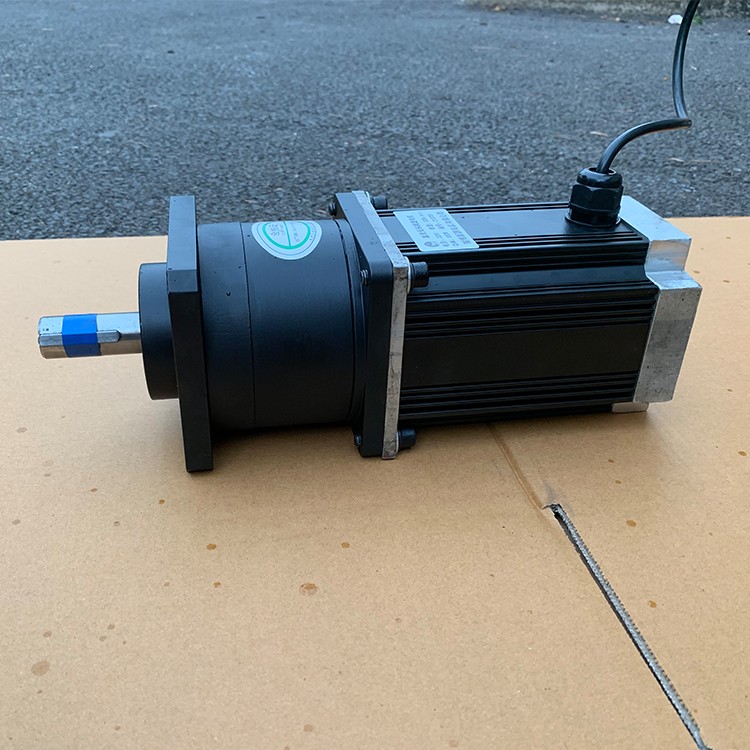
Negotiable
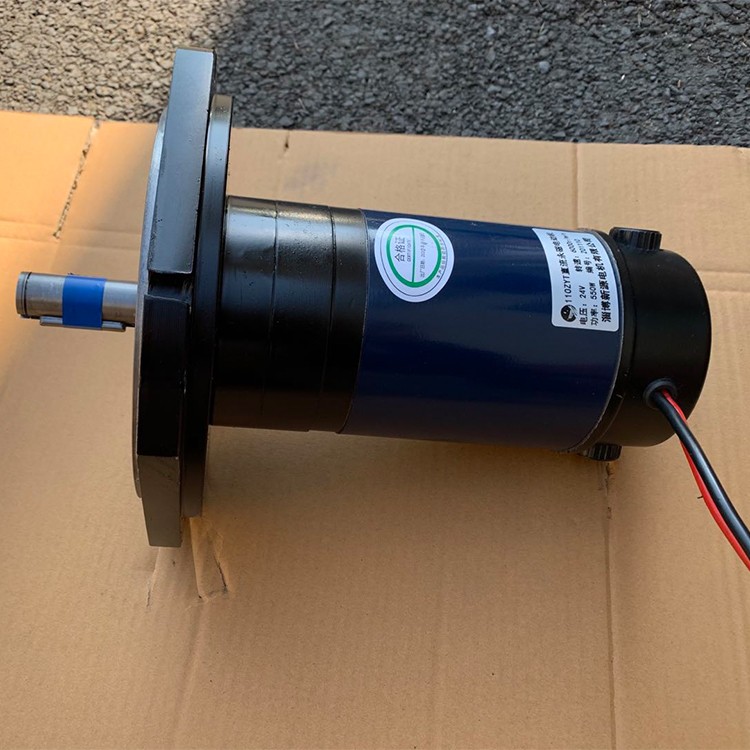 Planetary Gearbox Reduction Motor
Negotiable
DC Reduction Motor
Negotiable
Brushless DC Reduction Motor
Negotiable
Underwater Motor
Negotiable
Brushed DC motor
Negotiable
Planetary Gearbox Reduction Motor
Negotiable
DC Reduction Motor
Negotiable
Brushless DC Reduction Motor
Negotiable
Underwater Motor
Negotiable
Brushed DC motor
Negotiable
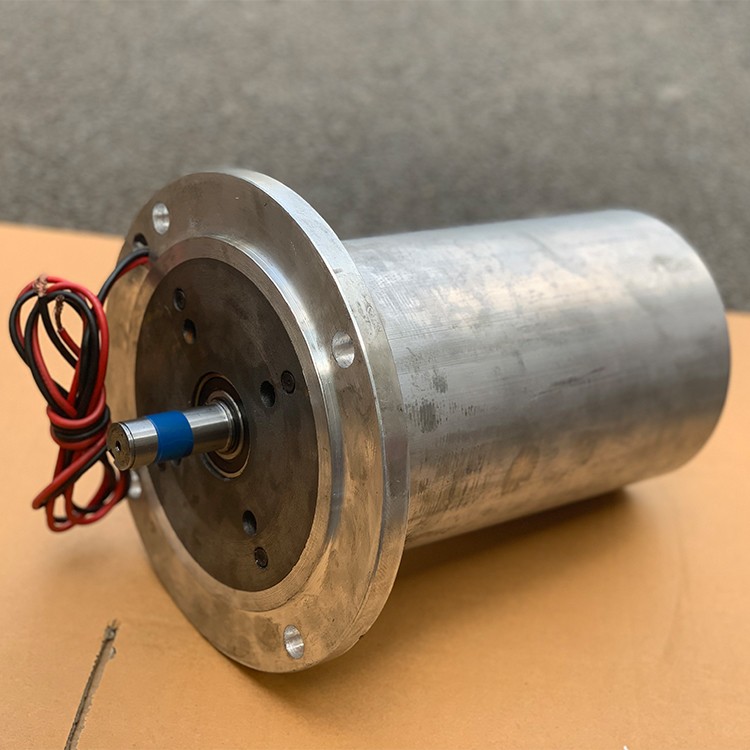 DC Actuator Motor
Negotiable
DC Motor
Negotiable
DC Actuator Motor
Negotiable
DC Motor
Negotiable
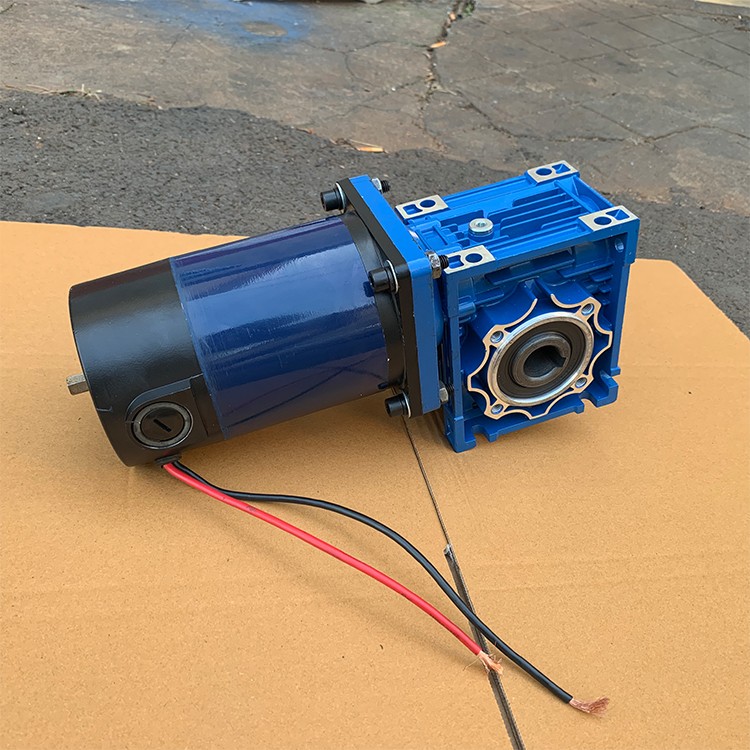 Spiral Bevel Gear Motor
Negotiable
Spiral Bevel Gear Motor
Negotiable
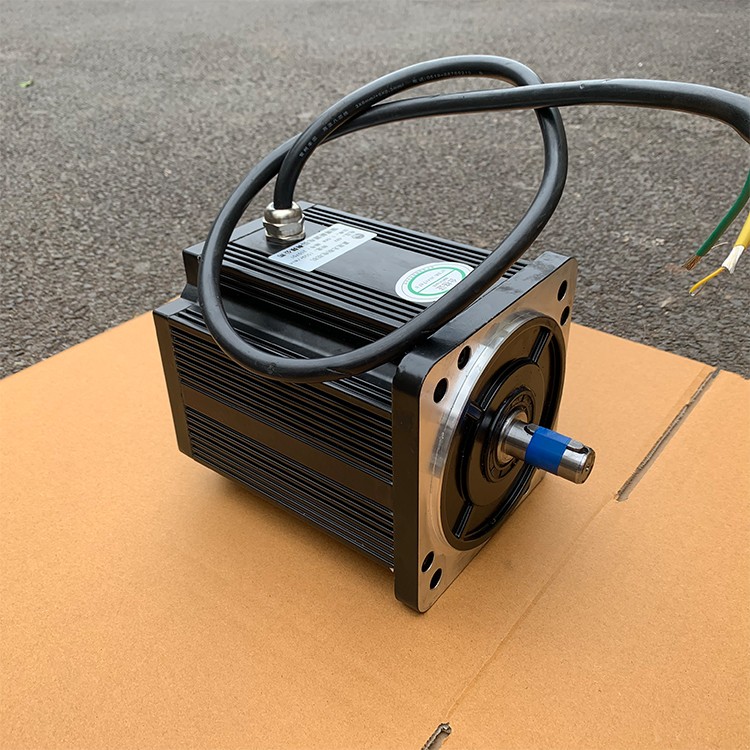 Brushless DC Motor
Negotiable
Brushless DC Motor
Negotiable
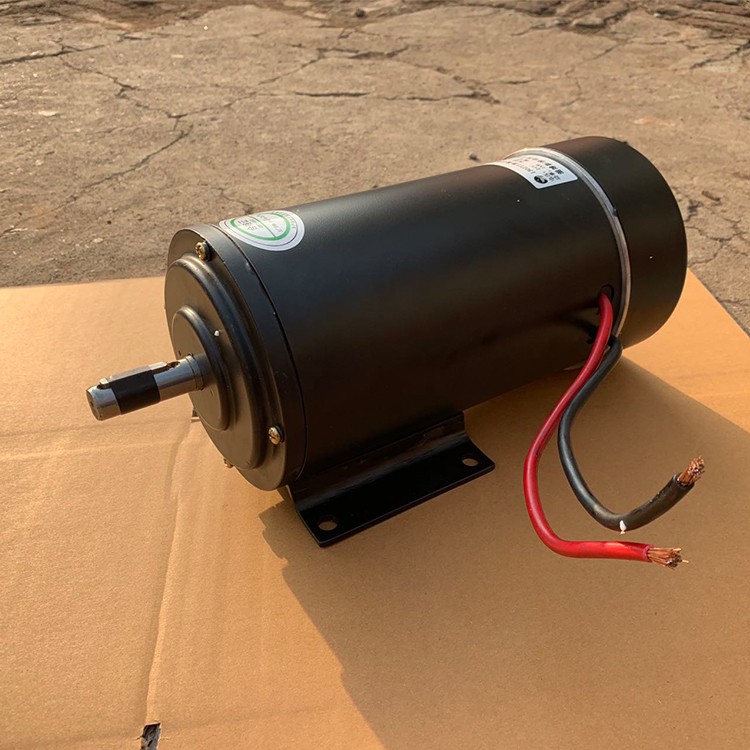 DC Permanent Magnet Motor
Negotiable
DC Permanent Magnet Motor
Negotiable
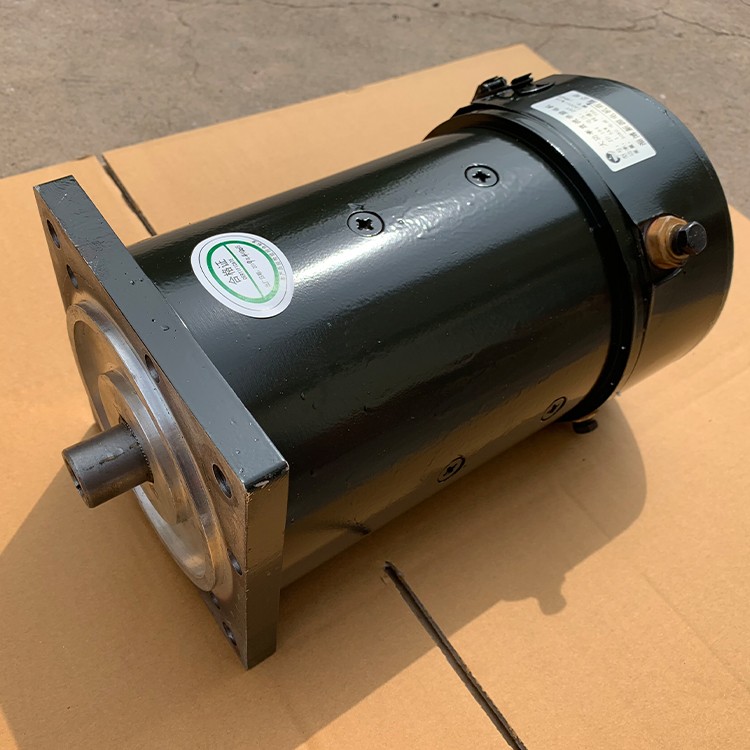
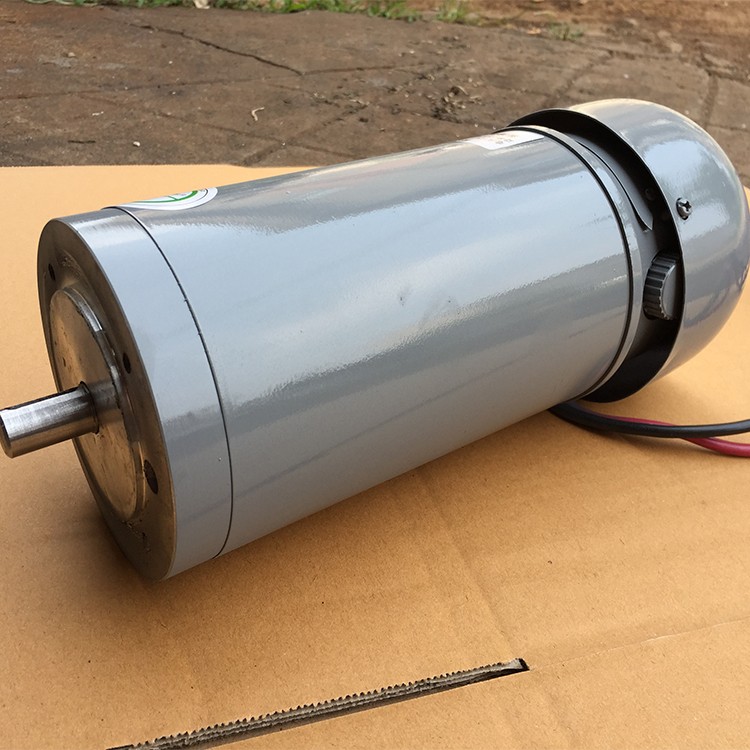
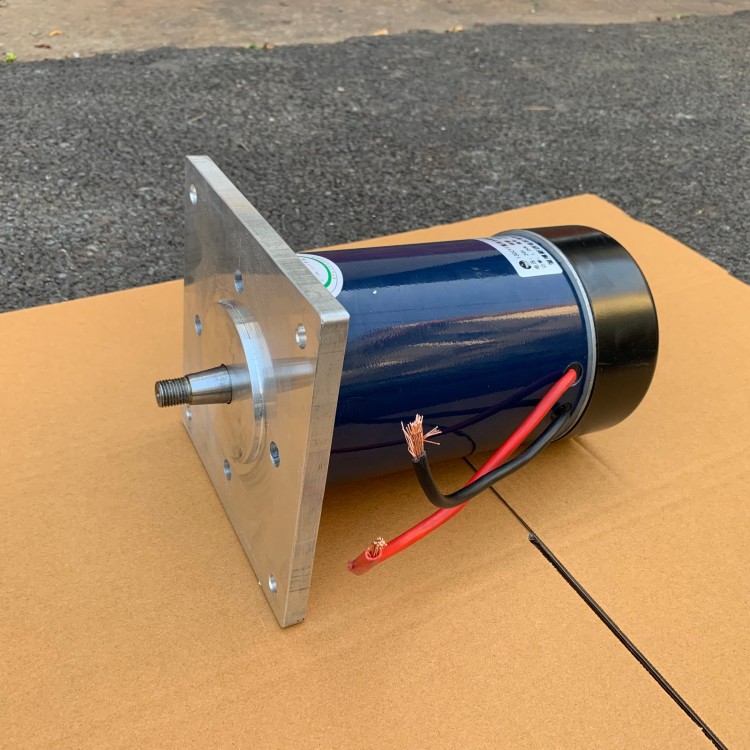
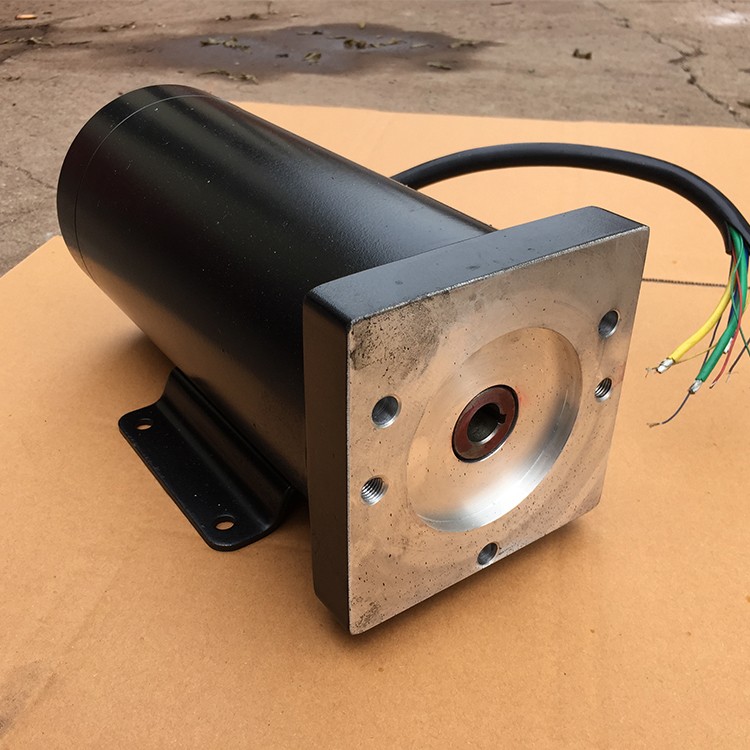
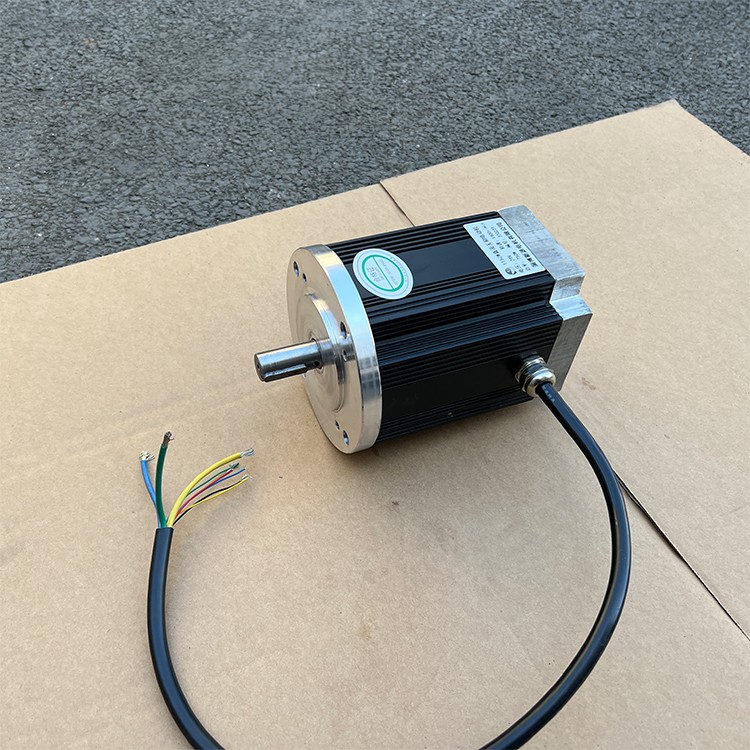
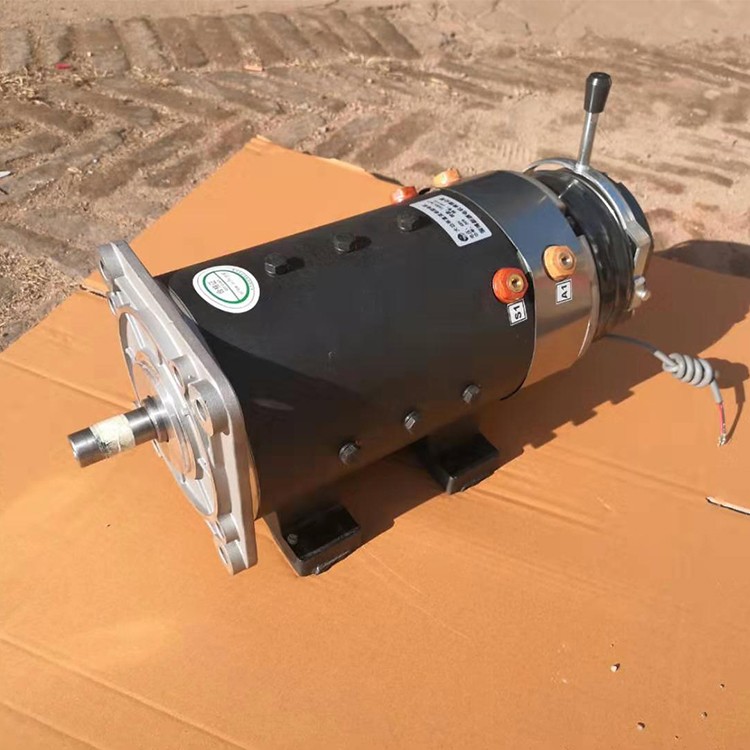
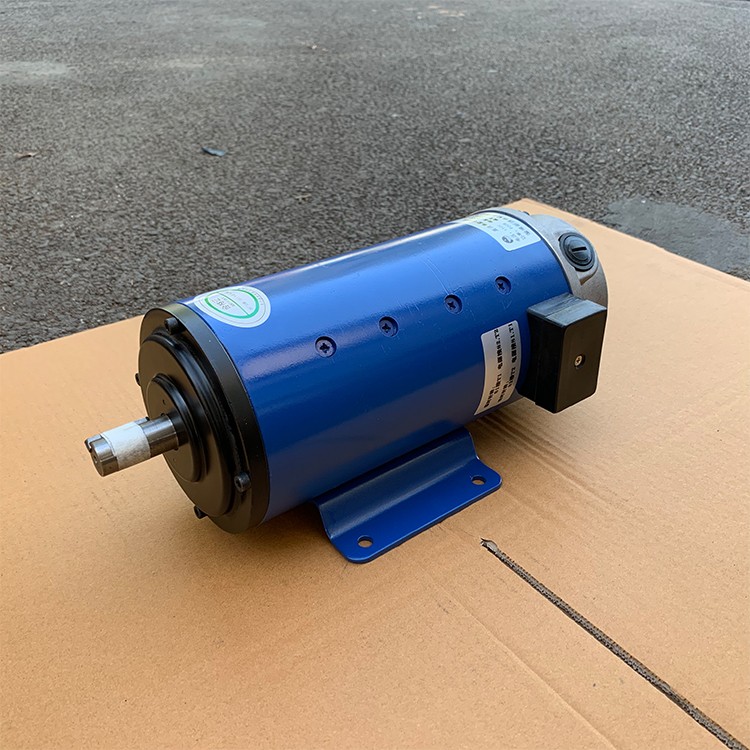
A direct current machine (DC machine) is a rotating electric machine that can convert direct current electrical energy into mechanical energy (DC motor) or mechanical energy into direct current electrical energy (DC generator). It is an electric machine capable of converting direct current electrical energy and mechanical energy into each other. When it operates as a motor, it is a DC motor, converting electrical energy into mechanical energy; when it operates as a generator, it is a DC generator, converting mechanical energy into electrical energy.
The DC motor is fitted with a ring-shaped permanent magnet. As current passes through the coils on the rotor, it generates an ampere force. When the coils on the rotor are parallel to the magnetic field, the direction of the magnetic field they continue to rotate in changes. Consequently, at this point, the brush at the end of the rotor alternates contact with the commutator, thereby reversing the direction of the current in the coil. The direction of the Lorentz force remains unchanged, allowing the motor to maintain a consistent rotational direction.
The working principle of a DC generator involves converting the alternating electromotive force induced in the armature winding into direct current electromotive force by means of a commutator and brushes that reverse the direction of the current as it exits through the brush terminals.
The direction of the induced electromotive force is determined according to the right-hand rule (the magnetic lines of force point towards the palm, the thumb points in the direction of the conductor's motion, and the direction of the other four fingers indicates the direction of the induced electromotive force in the conductor).
The direction of force on the conductor is determined by the left-hand rule. This pair of electromagnetic forces creates a torque acting on the armature, known as electromagnetic torque in a rotating motor. The torque direction is counterclockwise, attempting to rotate the armature counterclockwise. If this electromagnetic torque can overcome the resistive torque on the armature (such as that caused by friction and other load torques), the armature can rotate counterclockwise.

Phone Consultation