



 通过中商114认证
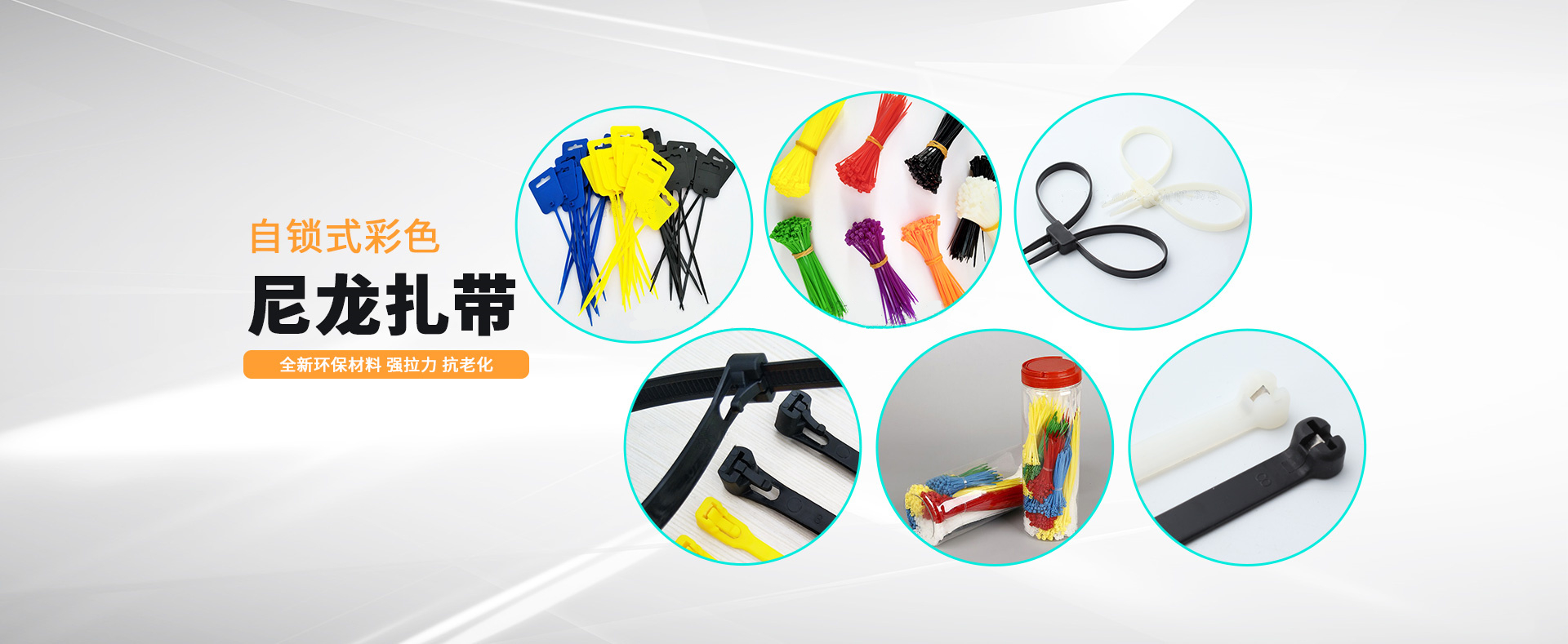
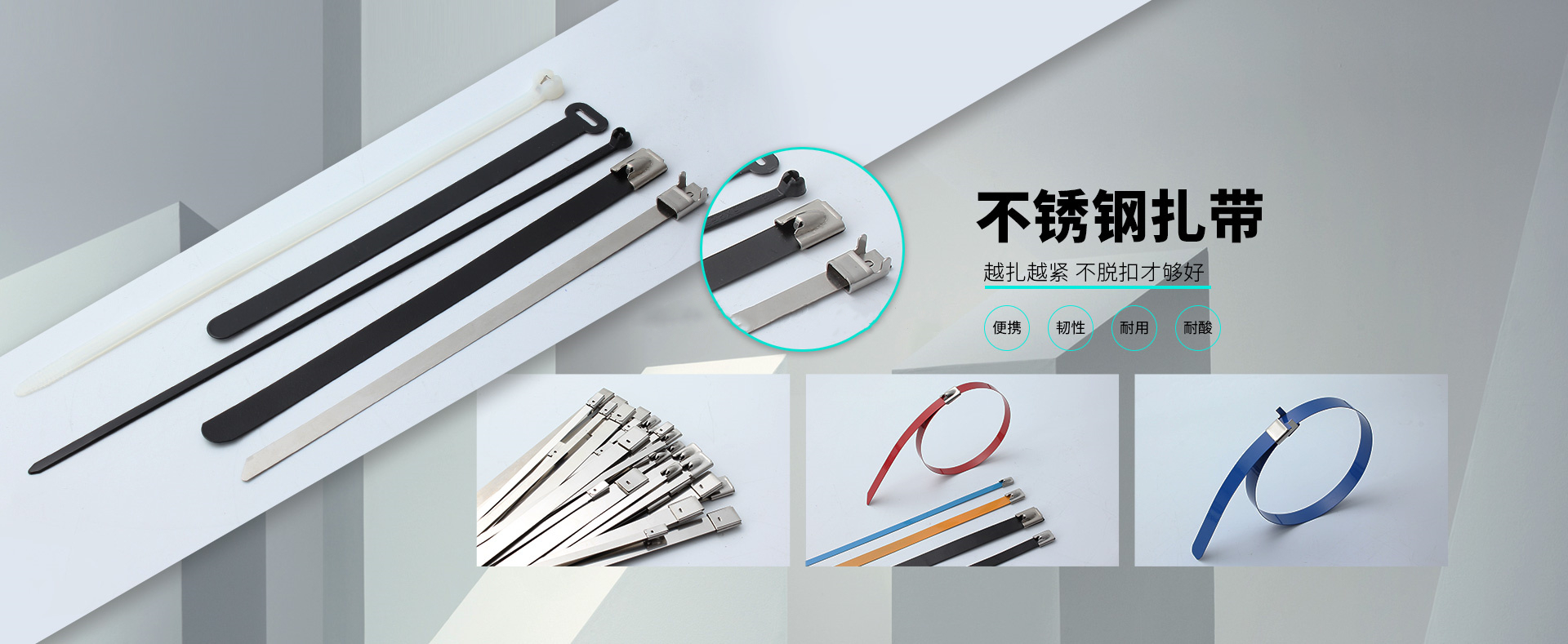
Zip ties have become an essential binding material in both industrial production and daily life, widely used across various industries. Zip ties are categorized by material into nylon zip ties (also known as plastic zip ties) and stainless steel zip ties.
The Nylon Cable Ties were invented by Thomas & Betts, Inc. in 1958. Initially designed for standard wiring in Boeing aircraft, they have gained widespread acceptance over the years due to their ease of use and low cost. Despite their convenience and cost-effectiveness, traditional nylon cable ties have many drawbacks, such as:
Low tensile strength. Generally, nylon ties are mainly used for wiring, just to bundle the cables together, but they are not suitable for high-tension applications, as standard-sized nylon ties are typically used for wiring purposes. Belts usually have only tens of kilograms of tensile strength.
2. Nylon cable ties are primarily suitable for indoor use due to their short service life. In outdoor environments with high temperatures, high humidity, and strong ultraviolet radiation, the nylon material tends to age quickly and can break after some use, thus failing to ensure good safety.
3. Limited usage scope; nylon materials are not suitable for low or high-temperature environments, etc.
Therefore, stainless steel cable ties, made of stainless steel, have emerged. Compared to nylon cable ties, stainless steel cable ties offer the following advantages:
High tensile strength, with a tensile force reaching over 1.5 tons. Various sizes are available to meet different usage environments and requirements.
2. Long lifespan with stainless steel materials available in various grades, grades 316 and higher offer a lifespan of over ten years outdoors, and excellent corrosion and oxidation resistance in a variety of harsh environments.
3. Broadly applicable, stainless steel cable ties in various sizes and material grades are suitable for diverse usage environments.
For knowledge on the types and uses of stainless steel ties, please refer to Longyou's other articles on the new webpage of the Electrical official website, or directly contact our sales representatives.
Stainless steel is categorized into three types: Austenitic, Ferritic, and Martensitic stainless steel.
Austenitic stainless steel contains 16%-26% chromium and less than 35% nickel, typically offering high corrosion resistance, cannot be strengthened by heat treatment, and is non-magnetic; common types include 18/8 or 304 grades, which contain 18% chromium and 8% nickel; typical applications include the aircraft industry, dairy, and food processing.
Standard ferritic stainless steel contains 10.5% to 27% chromium and is indeed nickel-free. Due to its low carbon content (below 0.2%), it cannot be strengthened by heat treatment and is only used in applications that do not require corrosion resistance, such as construction and automotive trim.
Martensitic stainless steel typically contains 11.5%-18% chromium, less than 1.2% carbon, and may also include nickel. It can be strengthened through heat treatment, offering moderate corrosion resistance and is suitable for use in tools, wrenches, and turbines.
