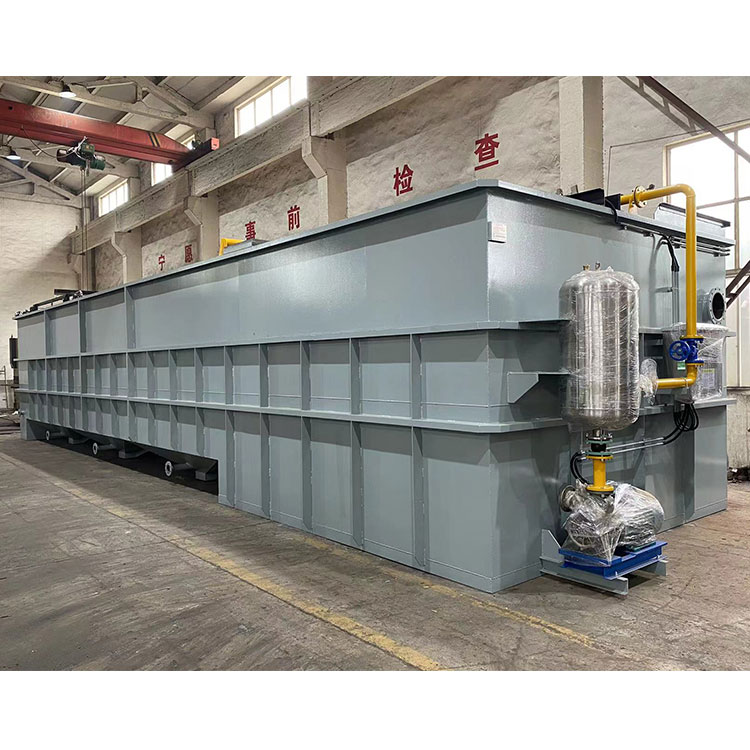
 JF Integrated Air Flotation Equipment
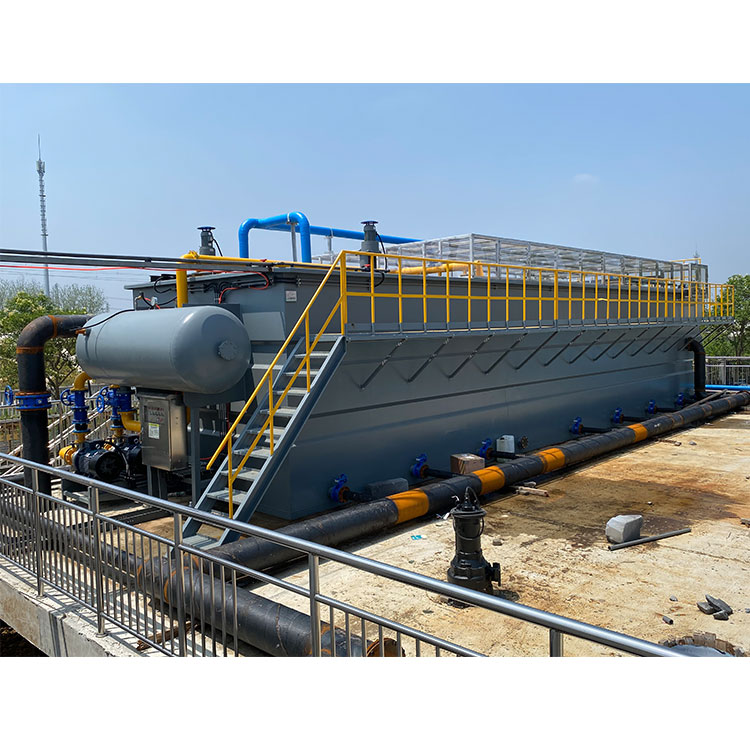 JF Combination Floating Equipment
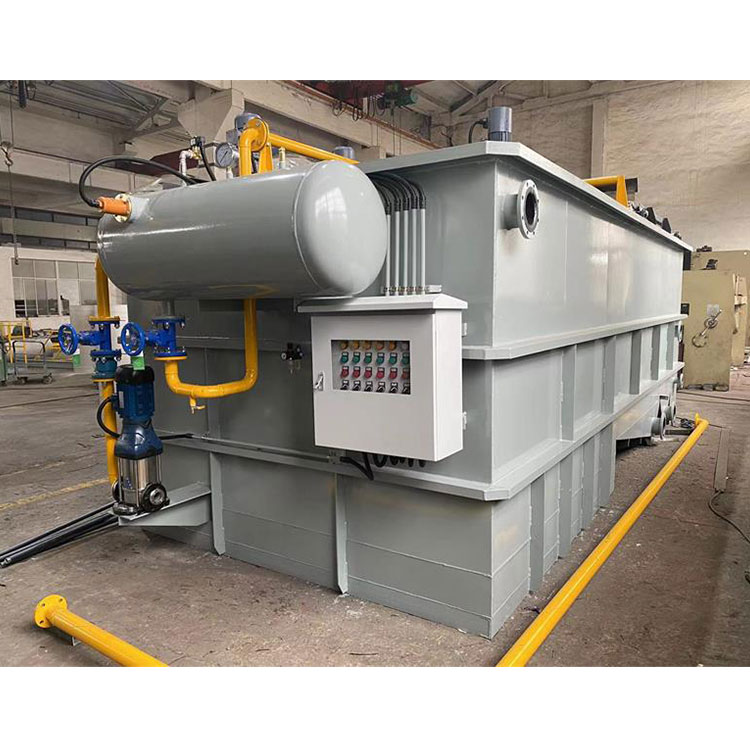 Laboratory Air Floating
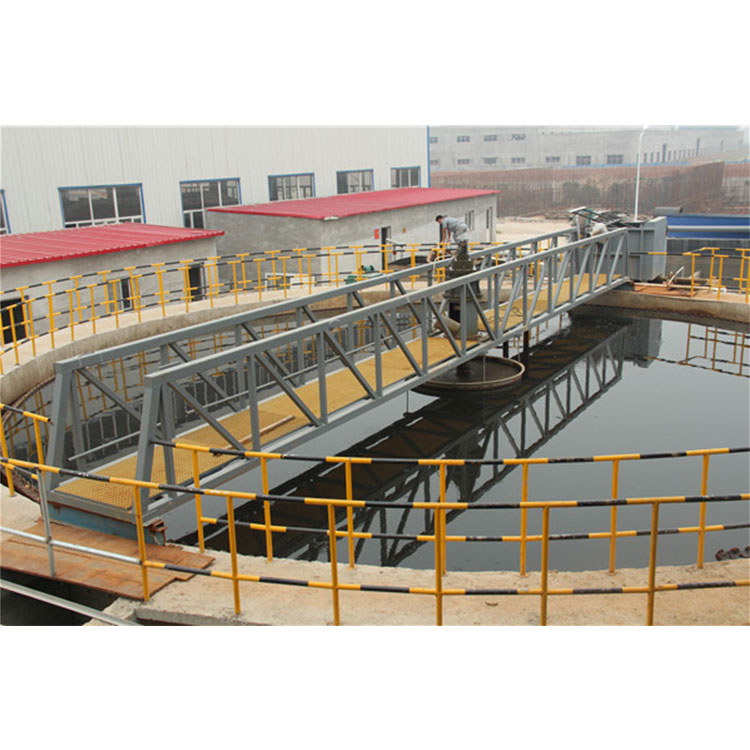 Central Drive Sludge Scraper
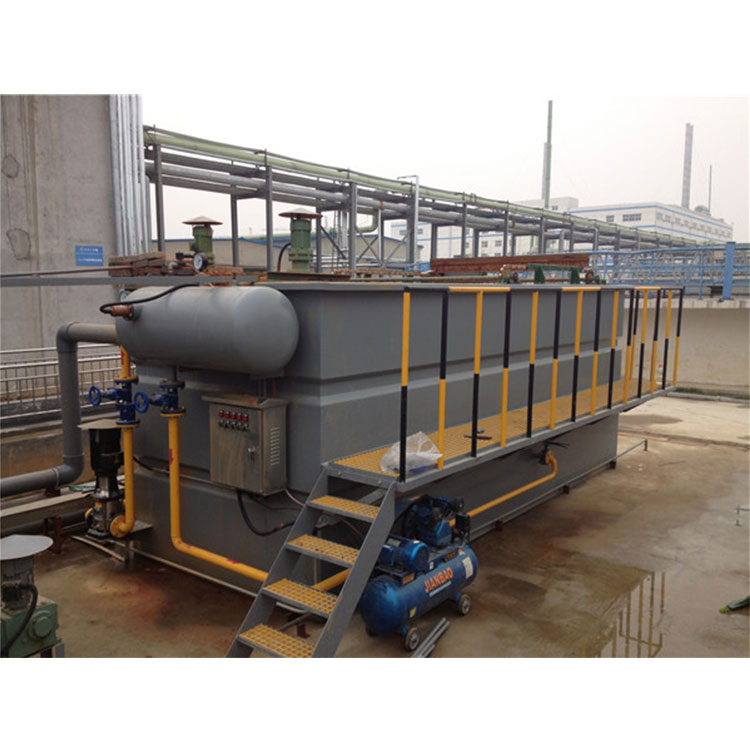 JF Composite Air Flotation
 Shallow Water Floating Machine
Product Details



产品Price Negotiable
最小起订Quantity:1 Tai 供货总Quantity: 10 Tai
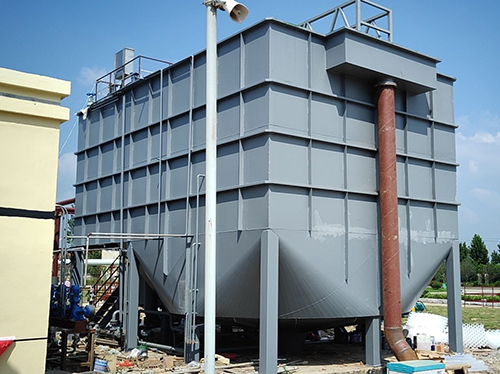
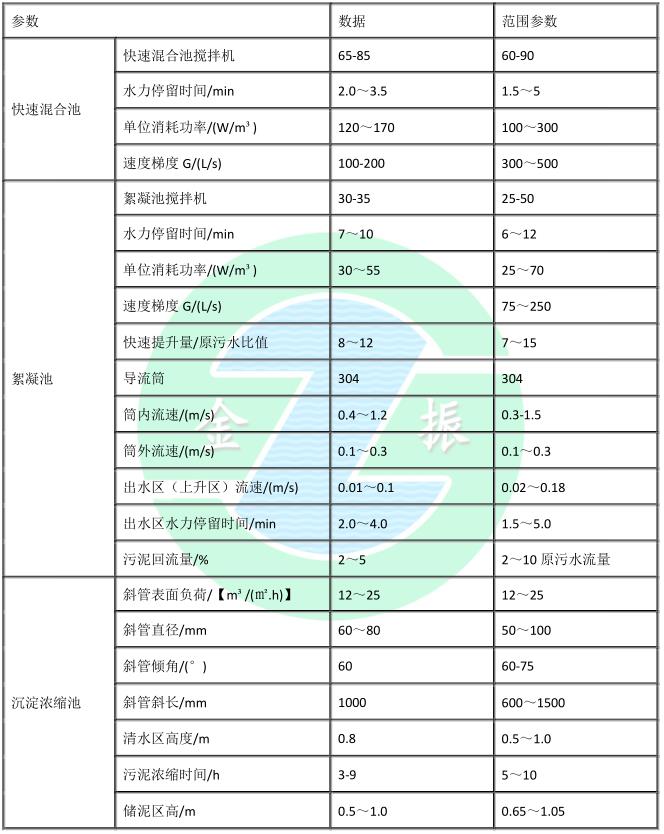
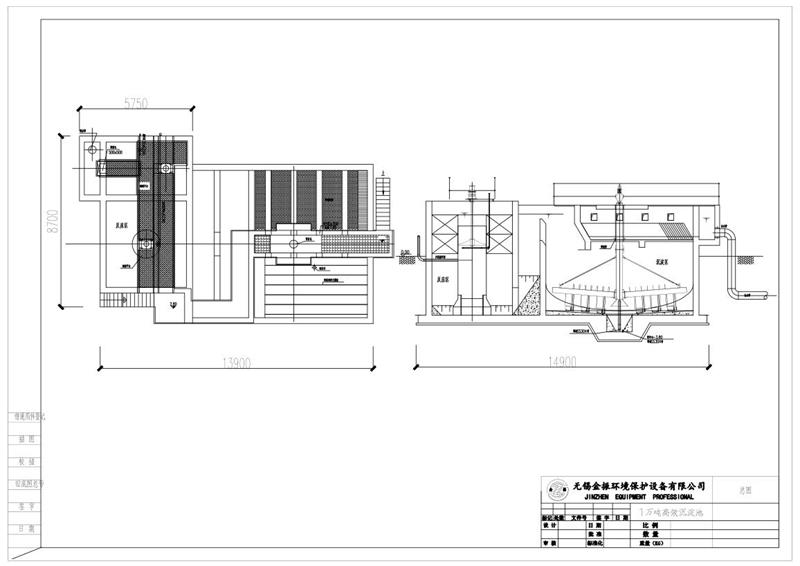
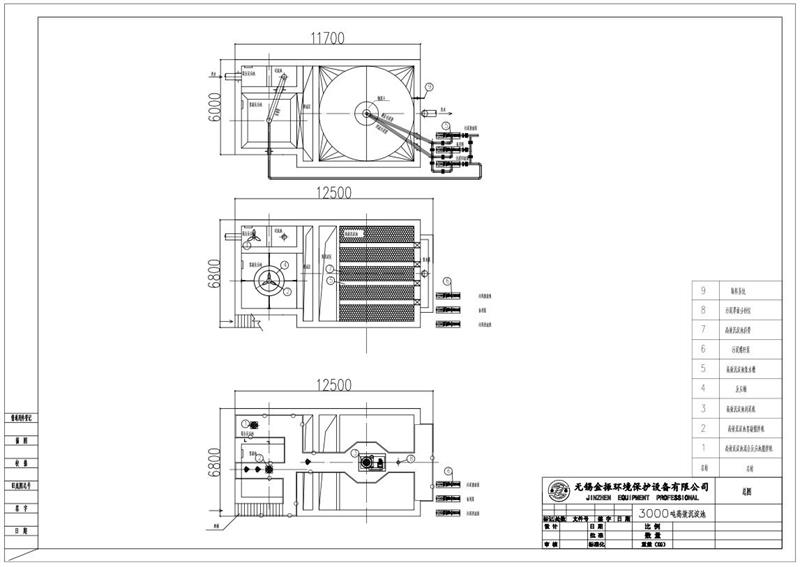
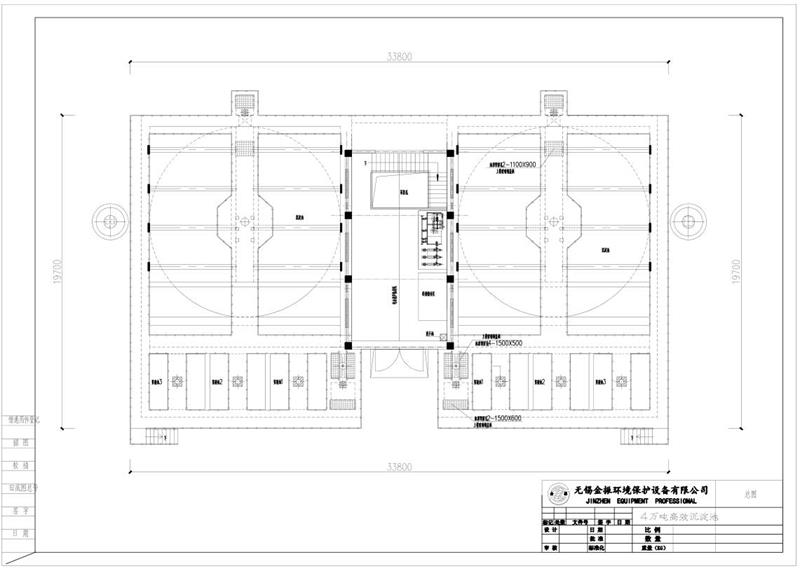
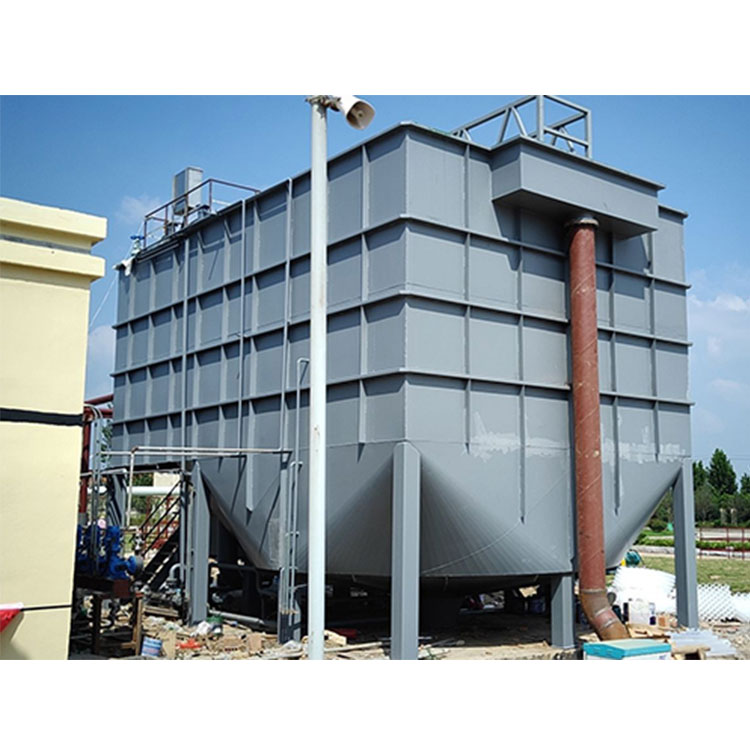
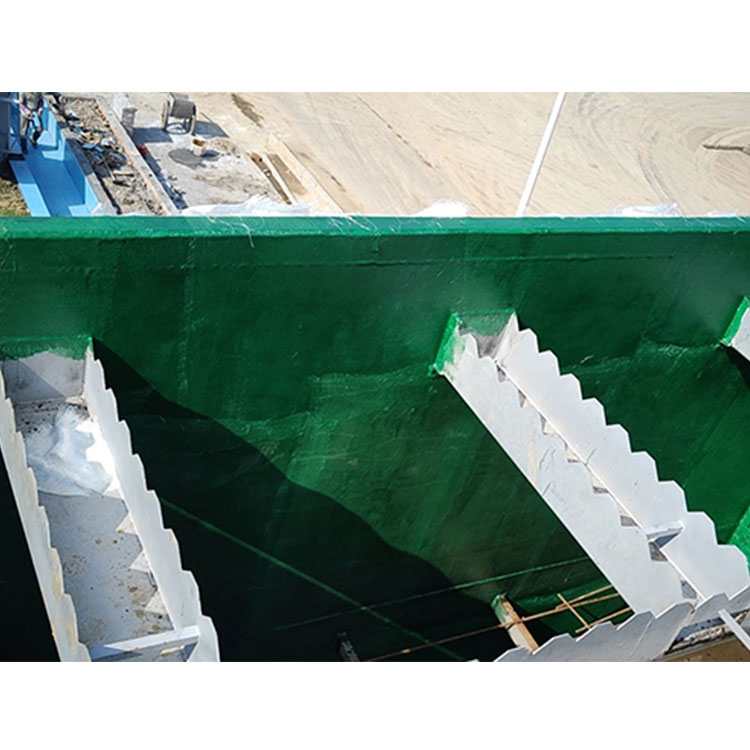
High-density sedimentation tanks are the summary and development of coagulation sedimentation calculations. This process primarily combines clarification technology with sludge thickening technology, further removing pollutants such as SS, TP, and part of COD from the secondary effluent. The sedimentation tank is mainly divided into three areas: reaction zone, sedimentation zone, and effluent zone. In the reaction zone, stirring is achieved through a rapid mixer to achieve an internal circulation rate of 6-9.5 times the incoming water, with the impeller of the mixer generally using a three-layer design. Propellers or two layers (determined by pool depth) react, agitate, and cut the suspended matter in the water, forming large, easy-to-settle flocs. In the sedimentation zone, high-density suspended particles settle quickly, while fine flocs are captured by the inclined pipes, and the high-quality effluent is collected and discharged through the pool's top collecting channel. Wastewater initially enters the rapid mixing tank, where it is quickly mixed with added coagulants, which can be aluminum or iron salts. After mixing, the wastewater flows into the flocculation reaction tank, where high molecular weight flocculants, typically polyacrylamide, are added. This is followed by slow stirring with sludge recycled from the sedimentation tank to complete the flocculation reaction, accelerate the solid looping process, and promote the formation of dense, uniform floc particles. Subsequently, the water flows through the push flow zone from the flocculation tank into the sludge concentration zone; most suspended solids are directly separated in the sludge-water separation zone, while the finer floc particles are intercepted and settled in the plate or tube settlers. At the bottom, there is a grid-type sludge scraper concentrator. After concentration, part of the sludge is recycled to the outlet of the rapid mixing tank, while the rest is discharged. Compared to traditional sedimentation tanks, high-density sedimentation tanks have the following characteristics. ① The system features sludge recirculation, accounting for 1.5% to 12% of the treated water volume, with flocculation and mixing functions. ② In the flocculation zone and recirculated sludge, the use of flocculants and organic polymer flocculants as coagulants enhances overall coagulation efficiency and accelerates the separation of sludge and water. ③ The sedimentation zone is equipped with inclined plates to increase the surface hydraulic load, allowing for further separation of fine particles in the water. ④ Automation of the entire system can be achieved by monitoring key operational conditions. This includes adjusting the speed of the flocculation mixer, dosage of chemicals, amount of recirculated sludge, and sludge disposal, to achieve different operational effects. ⑤ The mixing and flocculation tanks are mechanically stirred for easy adjustment under various operating conditions. ⑥ The tanks are fitted with a concentrator scraper, which effectively increases sludge sedimentation concentration and speed, allowing for simultaneous sedimentation and concentration. The activated sludge effluent has good sedimentation and higher concentration, and the sludge-water mixture is further concentrated in a static pressure sludge pool and sludge concentration tank. In some cases, the concentrated sludge can also be directly transported to the dewatering room for dehydration. 2. High-Density Sedimentation Tank Design Parameters The main technology of high-density sedimentation tanks is carrier flocculation technology, which is a rapid sedimentation technique characterized by adding high-density, non-soluble medium particles (such as fine sand) during the coagulation stage. This utilizes the gravity settlement of the medium and the吸附 (adsorption) action of the carrier to accelerate the "growth" and sedimentation of the flocs. The definition of carrier flocculation is a physical-chemical treatment process that improves the settling performance of suspended solids in water by enhancing the adsorption of flocs using continuously recycled medium particles and various chemical agents (usually PAV and PAM iron salts, etc.). Its working principle involves first adding a coagulant (such as polyaluminum chloride) to the water to destabilize the suspended solids and colloidal particles, followed by the addition of high-molecular-weight flocculants and denser carrier particles. These destabilized impurity particles then form flocs around the carrier as the nucleus, rapidly generating dense flocs through bridging adsorption by the high-molecular-weight chains and the sedimentation and entrapment effect of fine sand particles, significantly reducing the settling time, enhancing the clarification tank's treatment capacity, and effectively dealing with high shock loads. Compared to traditional flocculation processes, this technology offers advantages such as a small footprint, low construction cost, and resistance to shock loads. High-density sedimentation pond process flow: Concrete Pond The coagulant is added to the raw water, where it rapidly mixes with the suspended solids in the wastewater under the action of a fast mixer. By neutralizing the negative charge on the particle surface, the particles become "unstable" and form small flocs, which then enter the flocculation tank. At the same time, the phosphorus in the raw water reacts with the coagulant to form phosphates, achieving the purpose of chemical phosphorus removal. ② Feed Tank Fine sand and floc aggregates are quickly mixed in the rapid mixer, forming denser and heavier flocs with fine sand at the core, which facilitates rapid sedimentation in the sedimentation tank. ③ Maturation Pond (Floc Pond) Flocculants cause the small flocs entering to agglomerate into larger ones through adsorption, electrical neutralization, and bridging. The slow stirrer ensures that the chemicals and flocs are thoroughly mixed without disrupting the formed larger flocs. ④ Inclined plate sedimentation tank: After flocculation, the water enters the bottom of the inclined plate in the sedimentation tank and flows upwards to the upper collecting area. Particles and flocs settle on the surface of the inclined plate and slide downwards under gravity. The higher upward flow rate and the 60° inclination of the plate can create a continuous self-scraping process, preventing the accumulation of flocs on the plate. Fine sand flows down with the sludge along the surface of the inclined plate and settles at the bottom of the sedimentation tank. Then, the circulation pump transports the fine sand and sludge to the hydrocyclone, where they are separated under centrifugal force: the fine sand exits from the bottom and returns directly to the dosing tank, while the sludge overflows from the top and flows by gravity to the sludge treatment system. The water after sedimentation is collected and discharged by the stainless steel collecting troughs distributed at the top of the inclined plate sedimentation tank. 1,000 metric tons sedimentation pond 40,000 tons settling pond 3,000-ton sedimentation pond