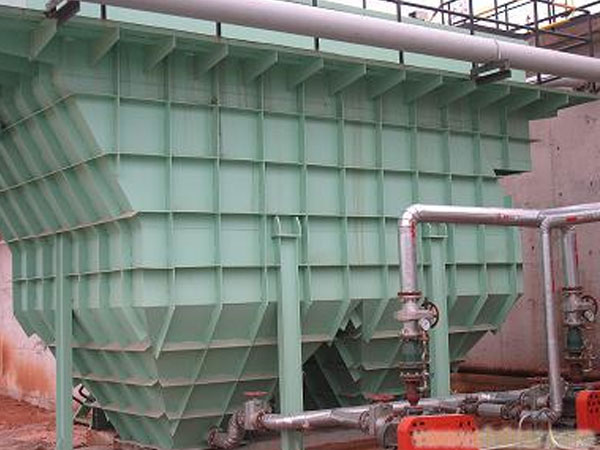
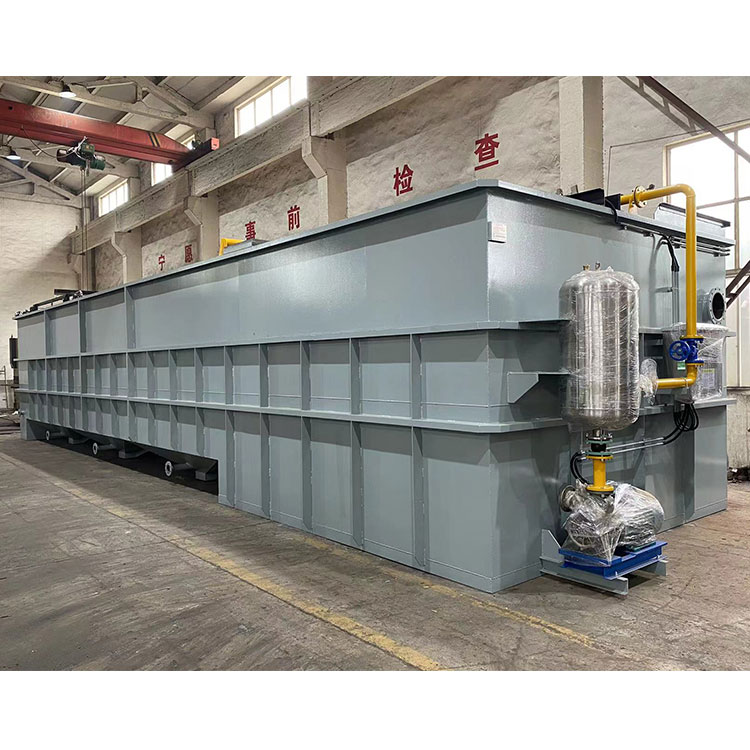
 JF Integrated Air Flotation Equipment
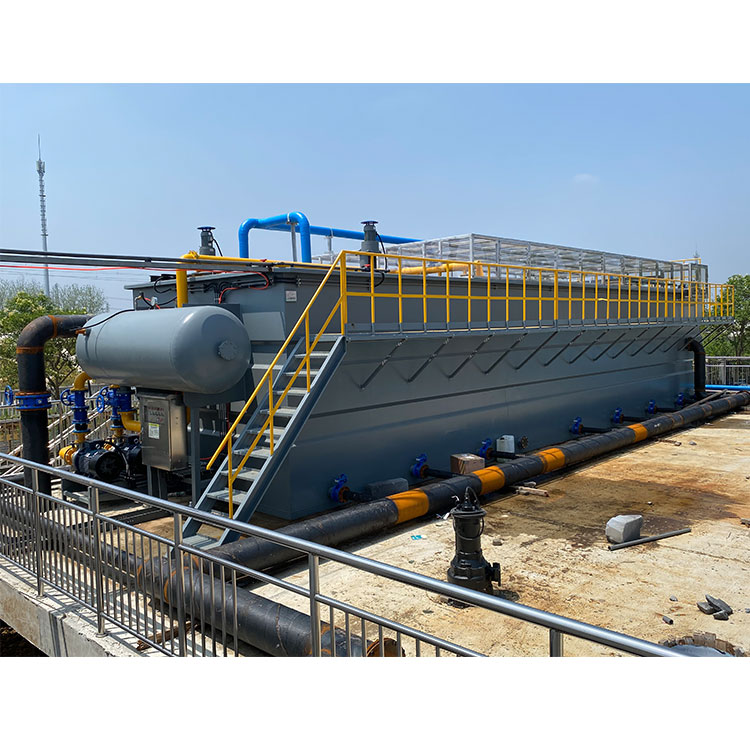 JF Combination Floating Equipment
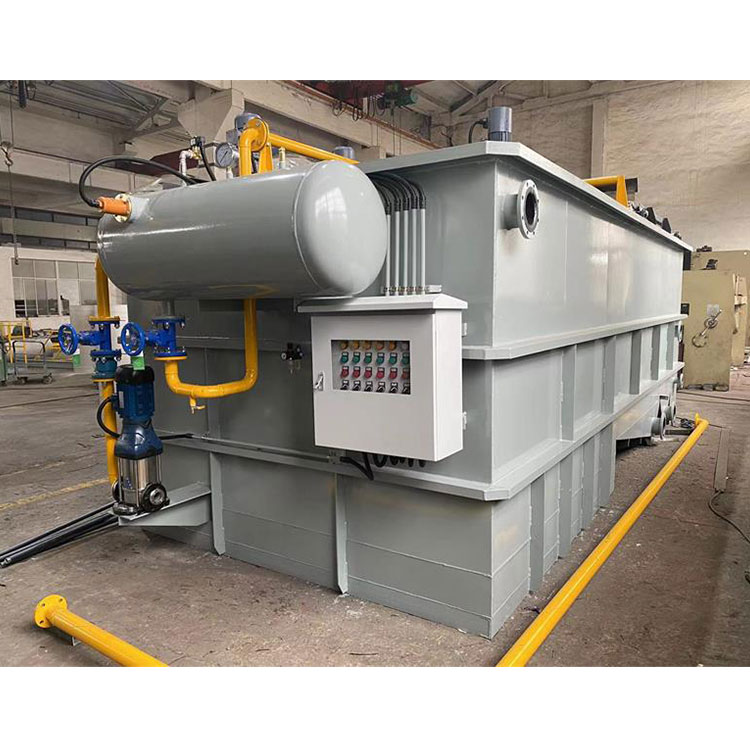 Laboratory Air Floating
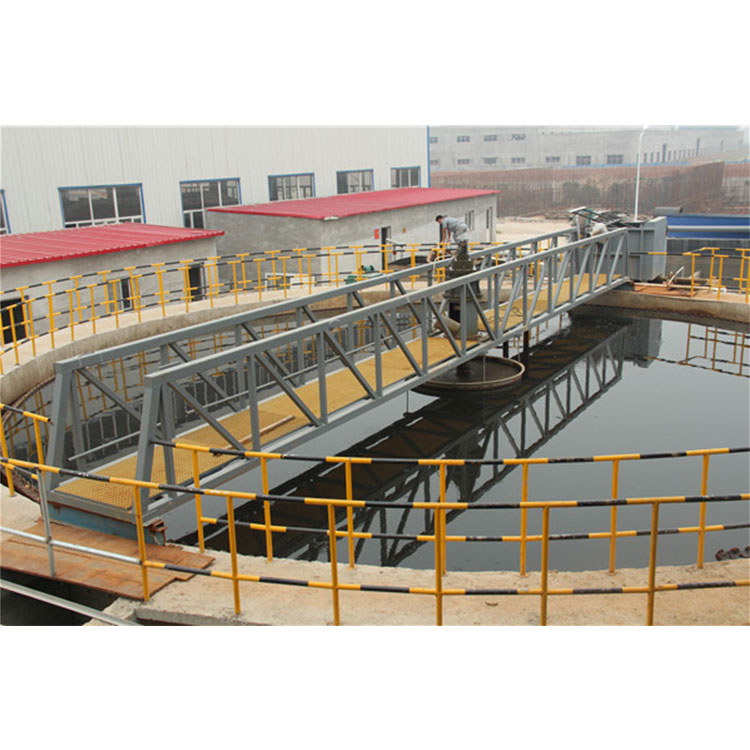 Central Drive Sludge Scraper
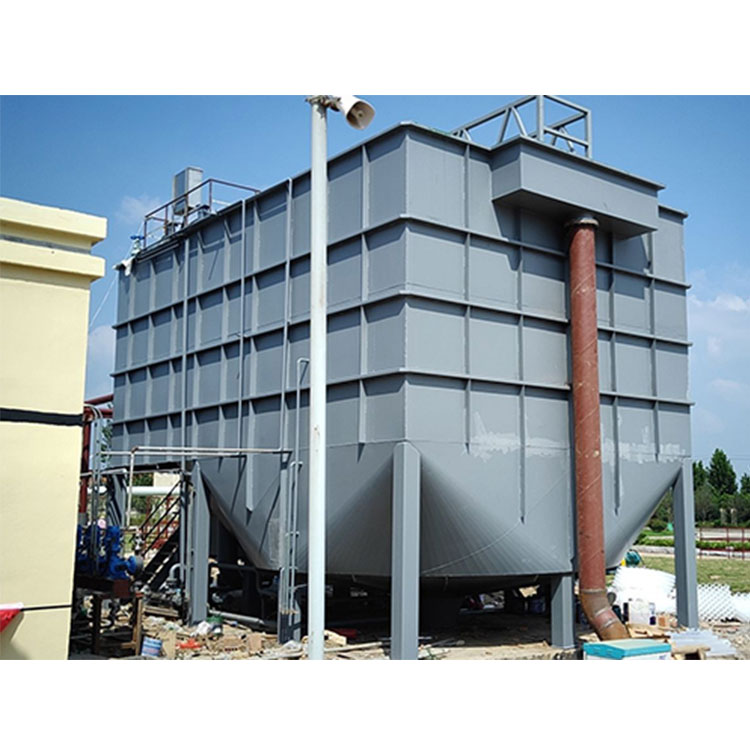 High-density sedimentation pond
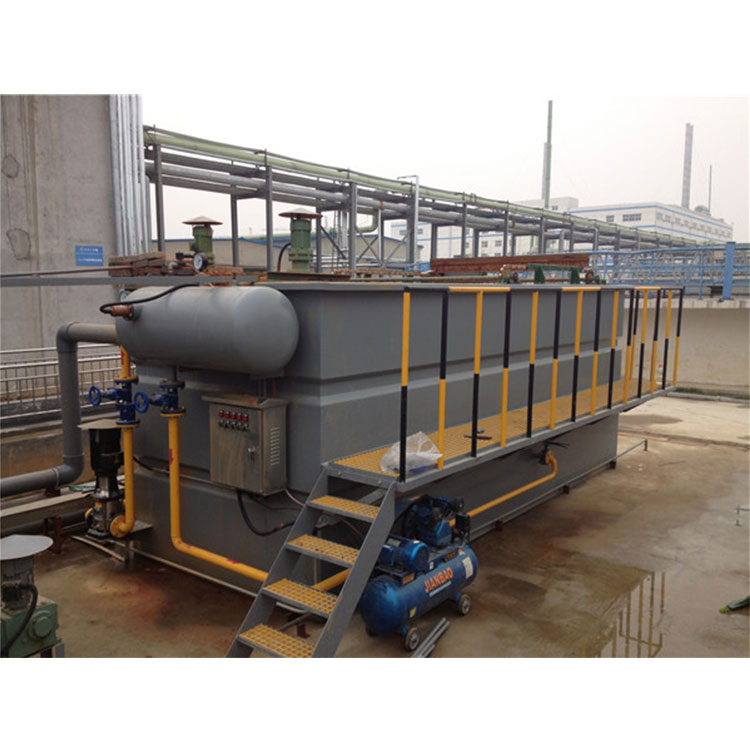 JF Composite Air Flotation
 Shallow Water Floating Machine
Product Details



产品Price Negotiable
最小起订Quantity:1 Tai 供货总Quantity: 10 Tai
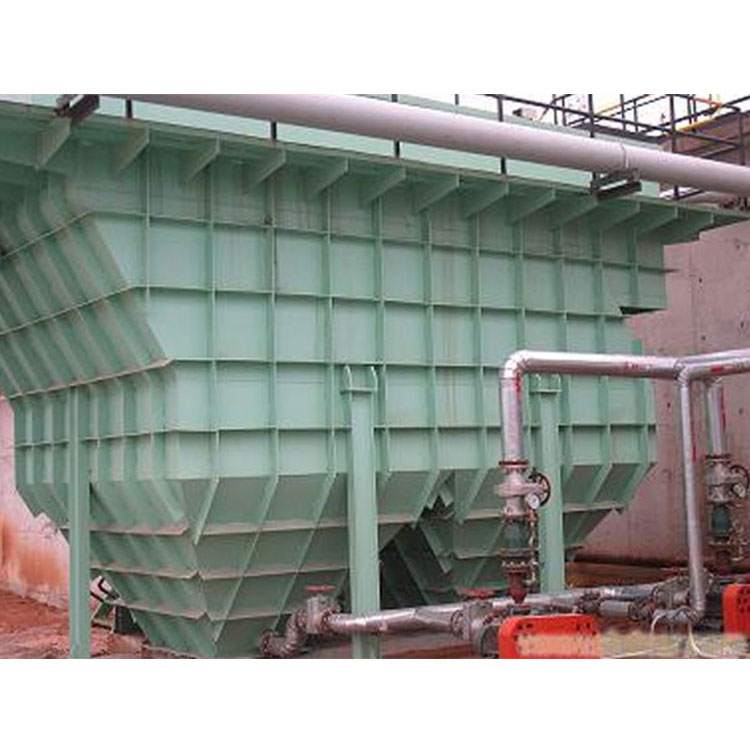
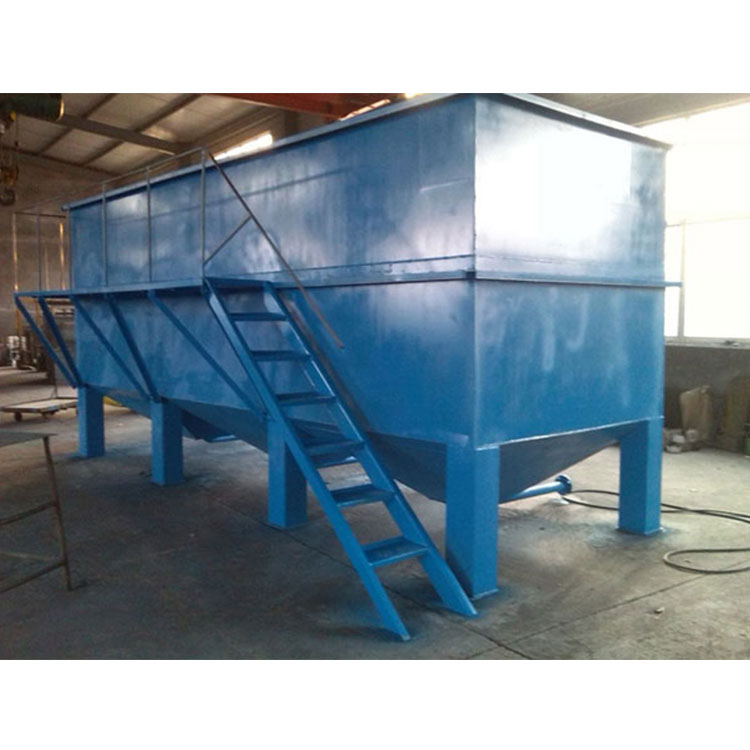
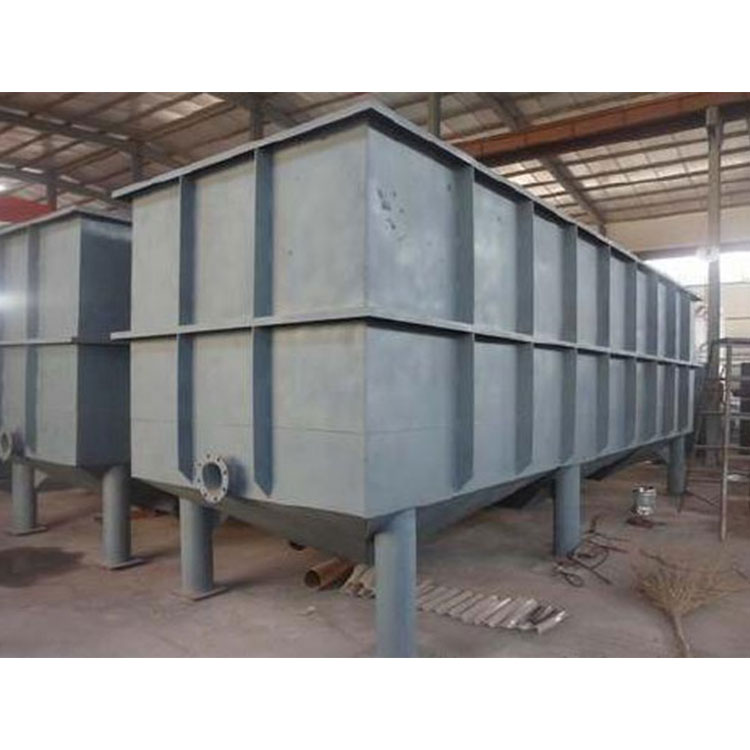
Sedimentation tanks are commonly used structures for separating suspended solids. The preliminary treatment used in biological processing is referred to as the primary sedimentation tank. For general urban wastewater, the primary sedimentation tank can remove about 30% of BOD5 and about 55% of suspended solids. The secondary sedimentation tank, as part of the biological treatment process, is known as the secondary sedimentation tank. Based on the direction of water flow, sedimentation tanks are typically categorized into three types: horizontal flow, vertical flow, and radial flow. 1. Placental sedimentation. The sedimentation basin is rectangular. Wastewater flows out from one end of the tank, passes through horizontally, and exits from the other end. At the bottom of the pool, there are sludge buckets, with the rest of the bottom sloping towards the sludge buckets. 2. Vertical Flow Sedimentation Ponds. Mostly circular in shape, some are square or polygonal. Wastewater enters from the central pipe in the middle of the pool, and is evenly distributed across the pool's cross-section through reflectors at the bottom of the central pipe. The water trough is situated on the pool surface or around the pool walls, so the water flow direction is basically from bottom to top. Sludge is stored in the sediment bucket. 3. Radial Flow Sedimentation Basin Also known as radiation settling. The pools are mostly circular, with smaller ones sometimes square or polygonal. The inlets and outlets of the tanks are arranged similarly to upflow tanks, with the inlet in the center and the outlet around the perimeter. However, the ratio of the diameter of the radial flow pool is many times larger than that of the vertical upflow pool. The water in the pool flows outward in a horizontal direction (jet flow). As the cross-sectional area keeps increasing, the flow velocity of the pool water decreases gradually from the center to the edge. The pool bottom slopes towards the center, with a central sump for sediment. Sediments are typically cleared using scraper/suction equipment. The lagoon is divided into five sections: inflow, outflow, sedimentation area, sludge storage area, and buffer zone. The inflow and outflow are designed to ensure even and smooth water flow, enhancing precipitation efficiency. The sedimentation area is the main component of the pool. The sludge storage area serves as a location for sludge storage, concentration, and discharge. The buffer zone is situated between the sedimentation area and the sludge storage area. Its purpose is to prevent the sediment at the bottom of the pool from being carried away by water currents. The operation mode of sedimentation tanks can be divided into intermittent and continuous operation. The intermittent operation of sedimentation tanks is generally divided into three stages: inflow, sedimentation, and drainage. The settleable suspended solids in the wastewater are discharged through drainage pipes at different heights on the tank wall after sedimentation treatment. The continuous operation of sedimentation tanks discharges wastewater continuously. The settleable particles in the wastewater complete sedimentation as they flow through the tank. At this time, the settling particles are affected by gravity-induced sedimentation and flow velocity. Flow velocity is an important factor affecting particle sedimentation.