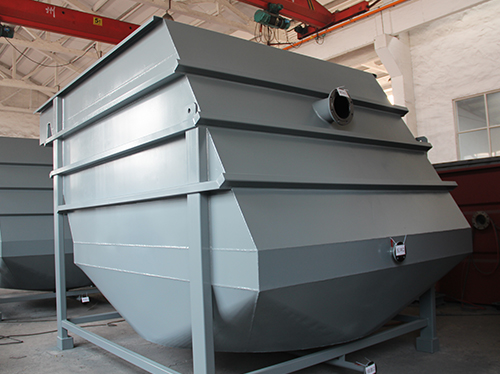
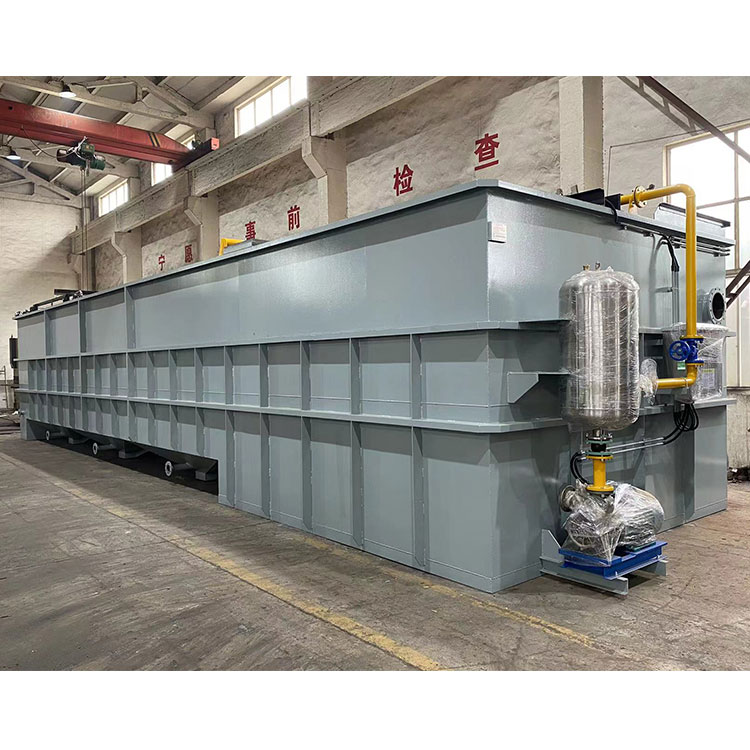
 JF Integrated Air Flotation Equipment
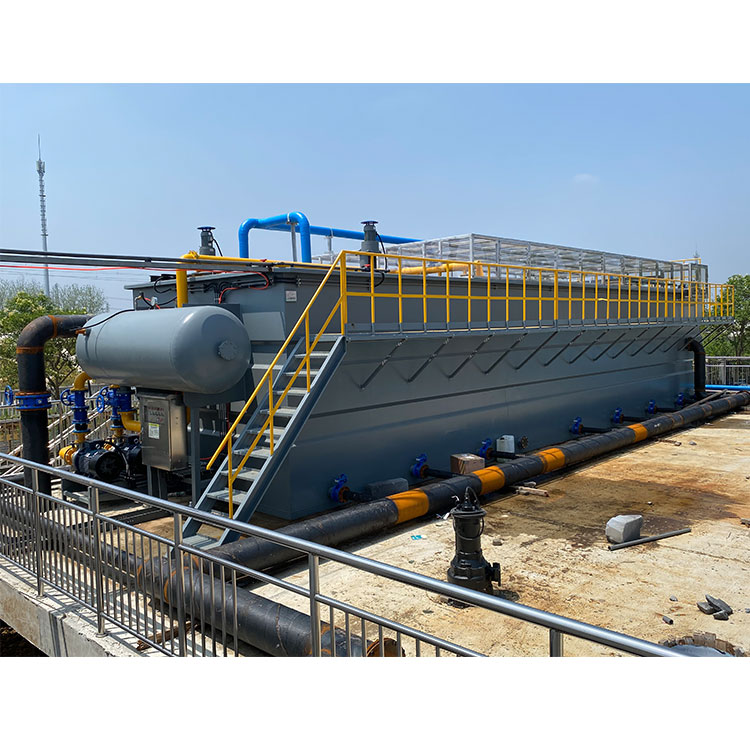 JF Combination Floating Equipment
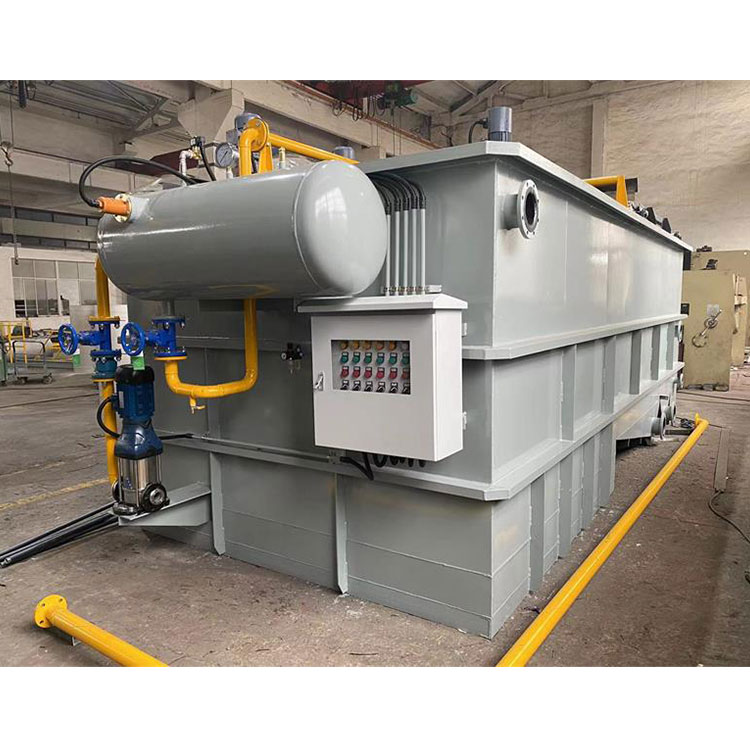 Laboratory Air Floating
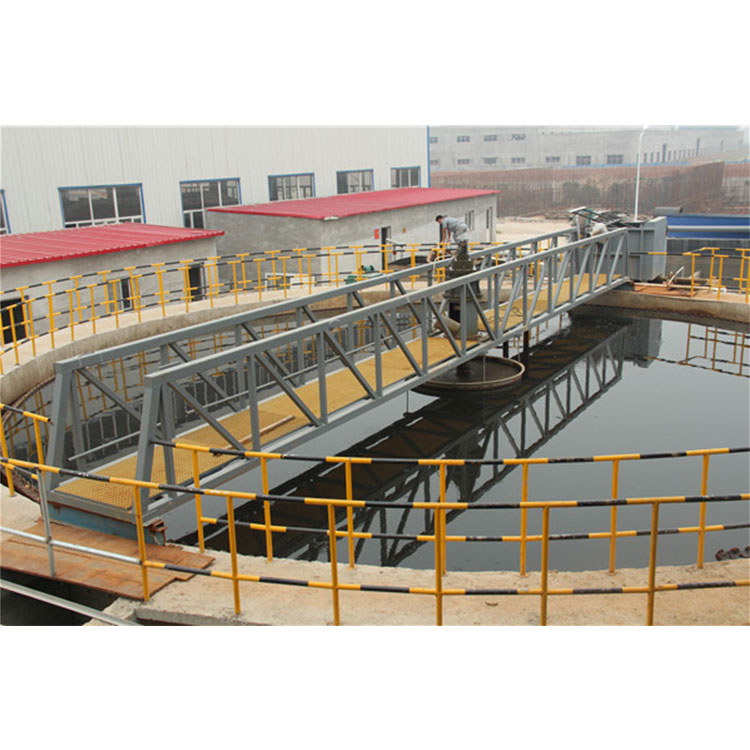 Central Drive Sludge Scraper
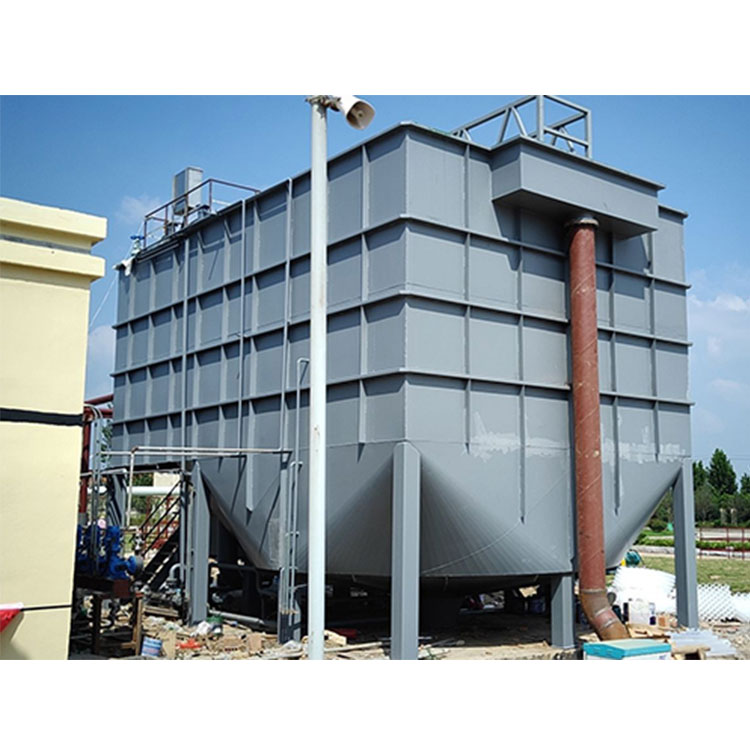 High-density sedimentation pond
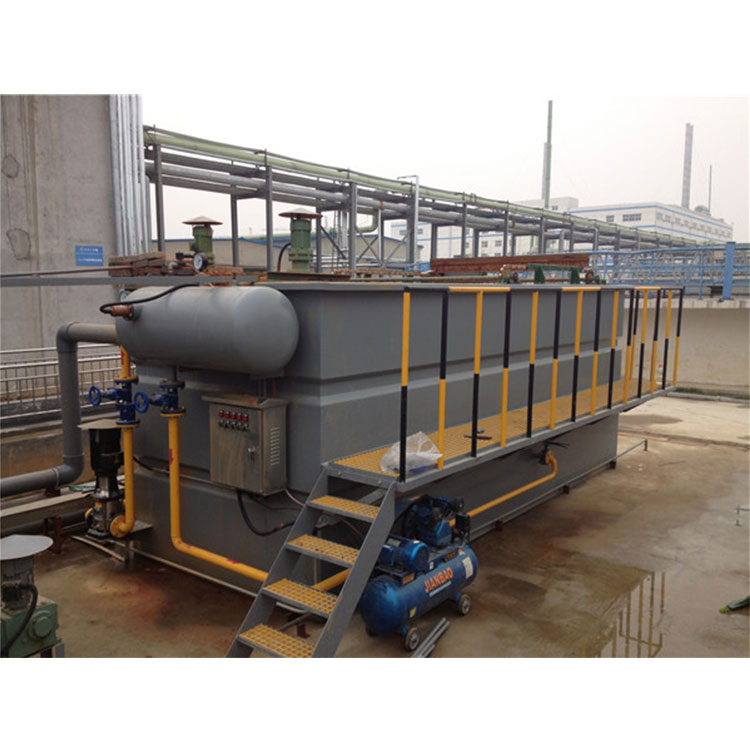 JF Composite Air Flotation
 Shallow Water Floating Machine
Product Details



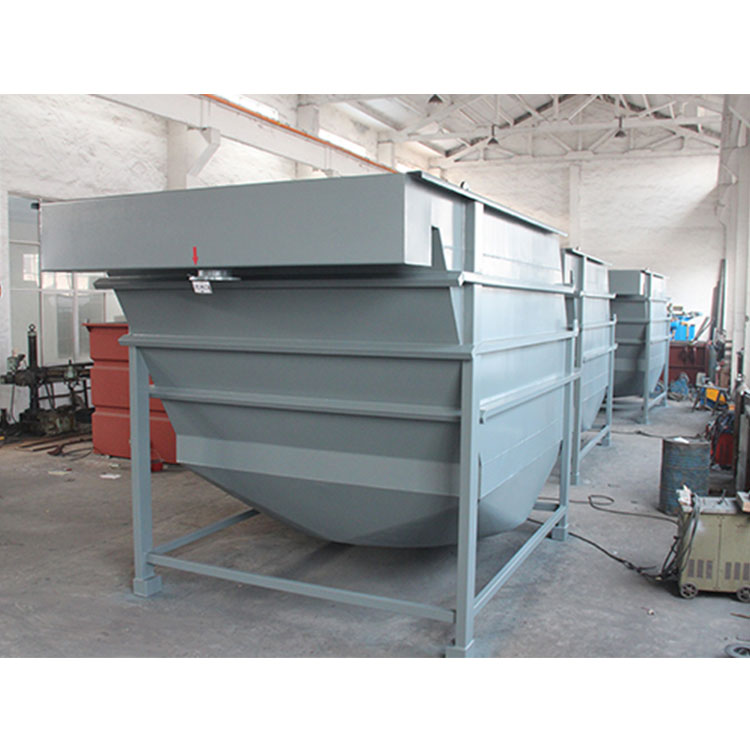
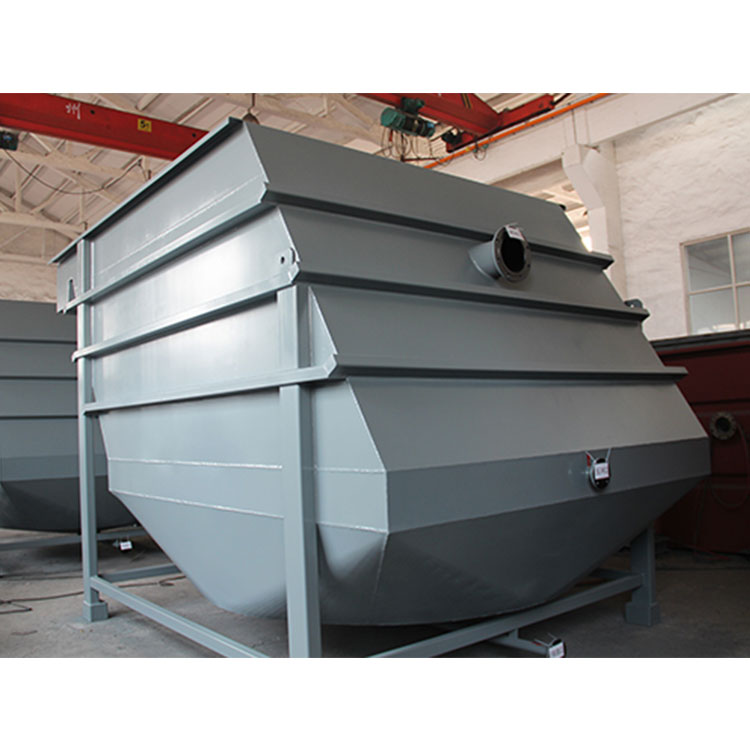
产品Price Negotiable
最小起订Quantity:1 Tai 供货总Quantity: 10 Tai
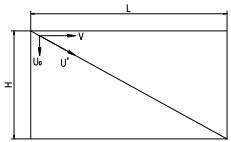
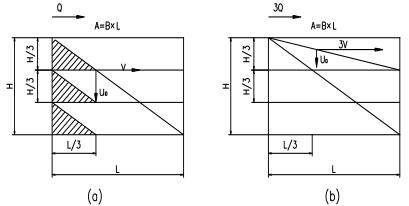
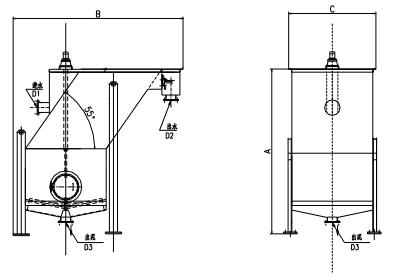
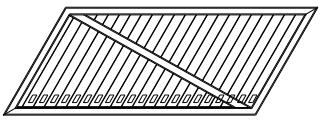
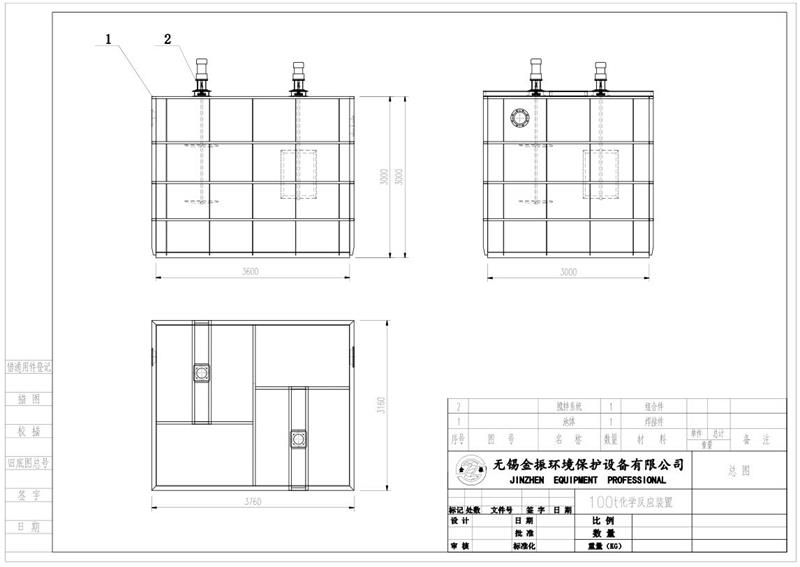
Shallow Depth Theory As shown in the figure, in a sedimentation tank with a length of L, a depth of H, a horizontal flow velocity of v, and a particle settling velocity of u0, under ideal conditions, L/H equals v/u0. Sedimentation tank schematic If the flow rate is V, the sedimentation basin area is A, and the sedimentation time is t, then V = H·A/t, t = L/v = H/u0, hence V=A u0 Clearly, the treatment capacity of the sedimentation tank is only related to the bottom area A of the tank and the settling velocity u0, and not to the depth of the sedimentation tank. If horizontal baffles are used, the H is divided into 3 equal layers, each with a depth of H/3, as shown in Figure (a). Under the condition that u0 and v remain constant, only L/3 is needed to remove particles with settling velocity u0, which means the total volume can be reduced to 1/3. If the pool length L remains unchanged, as shown in Figure (b), due to the pool depth being H/3, the horizontal velocity can be increased to 3v, still allowing particles with settling velocity u0 to settle out, thereby increasing the treatment capacity by a factor of 3. Dividing the sedimentation tank into n layers can increase the treatment capacity by a factor of n. This is the theory of shallow pool sedimentation. To address the sludge discharge issue in sedimentation basins, in practical applications of the shallow pond theory, horizontal baffles are replaced with inclined plates at an angle α, which is set at 50° to 60°. Therefore, the total effective area of the inclined plates, multiplied by cosα, yields the horizontal sedimentation area. n A=∑A 1 cosα 1 By the equation V = A * u0, if the sedimentation efficiency and u0 remain constant, the sedimentation area A increases by a factor of n, theoretically the water volume passing through can also increase by a factor of n. The inclined plate sedimentation tank utilizes many inclined plates to increase the sedimentation area A, forming numerous shallow sedimentation ponds, thus significantly enhancing the treatment capacity of the inclined plate sedimentation tank. Working Principle Wastewater enters the pool through the inlet pipe, flows downward through the inlet chamber located in the middle of the pool, is reflected by the weir plates, and then enters the inclined plate through the internal water distribution orifice. As the solution flows upwards, the contained solid particles settle on the parallel inclined plate components, then slide into the sedimentation pit at the bottom of the pool. In the sedimentation pit, the sludge is concentrated and discharged through the sludge outlet. The clarified liquid leaves the inclined plates through the overflow outlet holes at the top and is then collected by adjustable overflow weirs, finally flowing out through the outflow pipe. The purpose of designing passage holes at the top of the inclined plate is to create a pressure difference as the clarified liquid flows through the collecting channel, ensuring uniform flow distribution between the plates and utilizing the entire surface area. This operation enhances reliability, reduces the impact of fluid flow, and also minimizes the possibility of scaling and sedimentation. Principle Diagram Features (1) Enhance precipitation capacity: a) Increased sedimentation area; b) The inclined plate can act as a re-agglomeration agent for the sediment, causing the flocs to grow larger and making them easier to settle. c) Inclined plate sedimentation creates laminar flow conditions, resulting in excellent sedimentation performance. (2) Increased concentration of settled sludge. (3) The discharge of clean water remains stable throughout the year, and there is no sludge accumulation. Application Scope Lamella separator sedimentation tanks are primarily used for tapping into the potential or expanding the treatment capacity of existing wastewater treatment plants, as well as when wastewater treatment plants are limited by land area, serving as primary sedimentation tanks. They are specifically applied to: (1) Metalworking Wastewater Treatment (2) CPI Process Treatment and Wastewater Treatment (3) Surface Water Purification (4) Factory Waste Sludge Washing Water Treatment (5) Factory's Low-Volume Wastewater Treatment (6) Municipal Phosphate Wastewater Treatment (7) Pulp Recycle Wastewater Treatment Composition The lamella separator, designed for various application scenarios and for treating wastewater with high sludge content, is engineered to maximize the dry sludge volume. The design incorporates the sludge sedimentation and concentration sections together and includes a scraper. The structural diagram is as shown below. Illustration Its applicable range includes: large design flow rate of 300 m³/h, sedimentation area of 15-190 m², and base plate area of 1.8×3.0m to 3.2×4.4m. A flocculation pond can be installed before water intake, which, through the action of flocculants, makes the wastewater and sludge entering the inclined plate sedimentation pond easier to settle and improves the treatment efficiency. Inclined plate component, which can be installed in existing sedimentation basins to enhance their treatment capacity. Multiple sets of inclined plate components can be used together. The structural diagram is as shown below. Illustration of Inclined Plate Assembly The complete set of equipment includes: housing, inlet sump, sludge scraper, weir component, distribution plate, collecting sump, outlet sump, etc. Technical Specifications JFY100 Chemical Reaction Equipment (1) - Model JXBC100 LAMIRA Sedimentation Tank (1) - Model