 JF Integrated Air Flotation Equipment
 JF Combination Floating Equipment
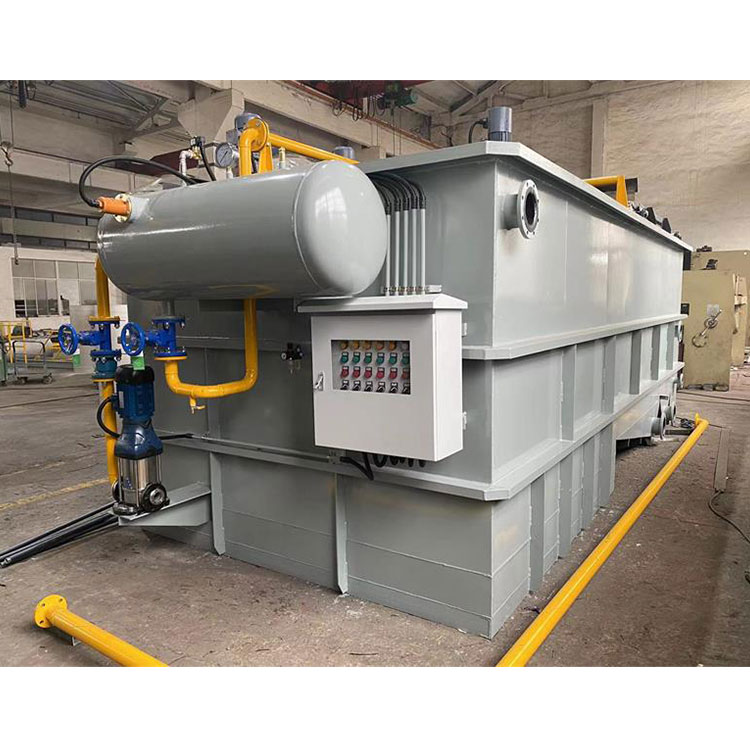 Laboratory Air Floating
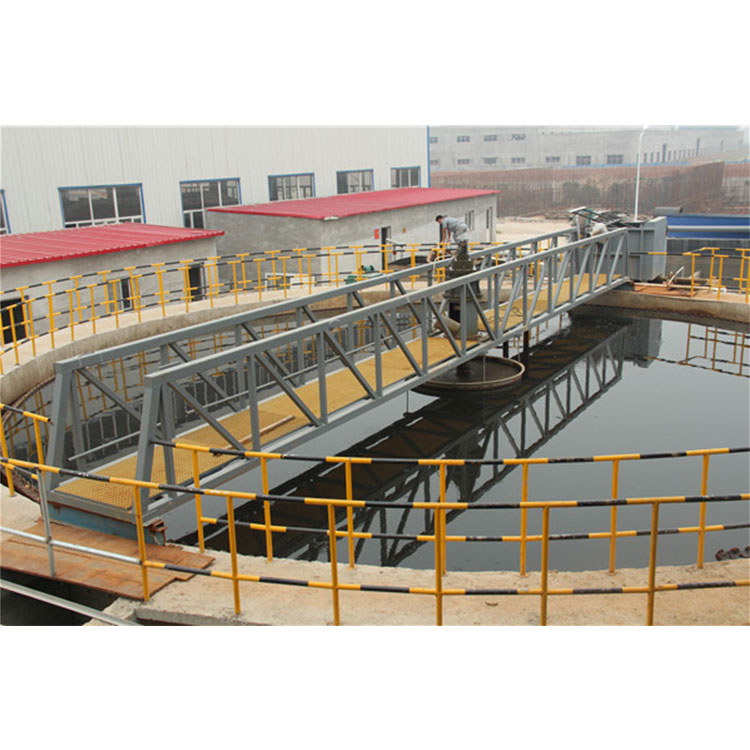 Central Drive Sludge Scraper
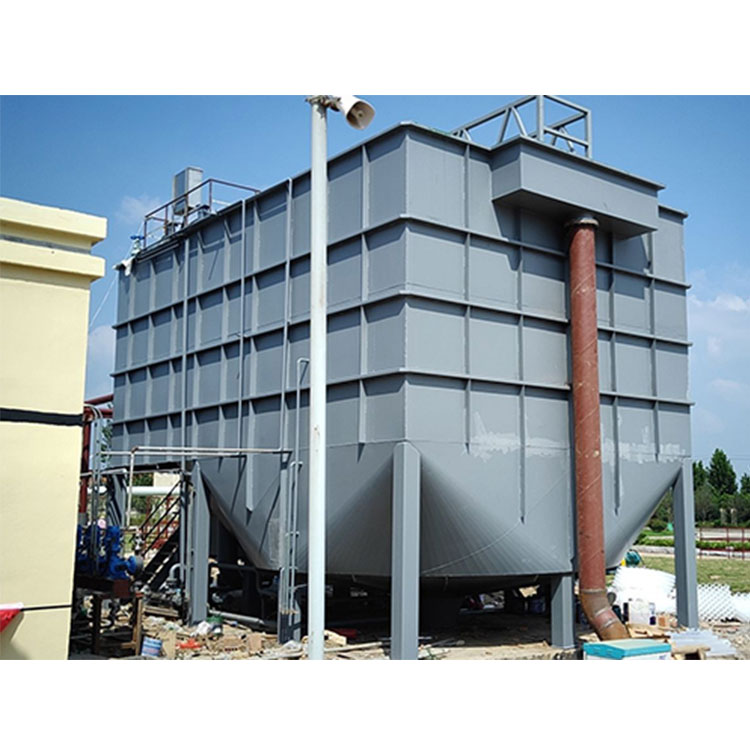 High-density sedimentation pond
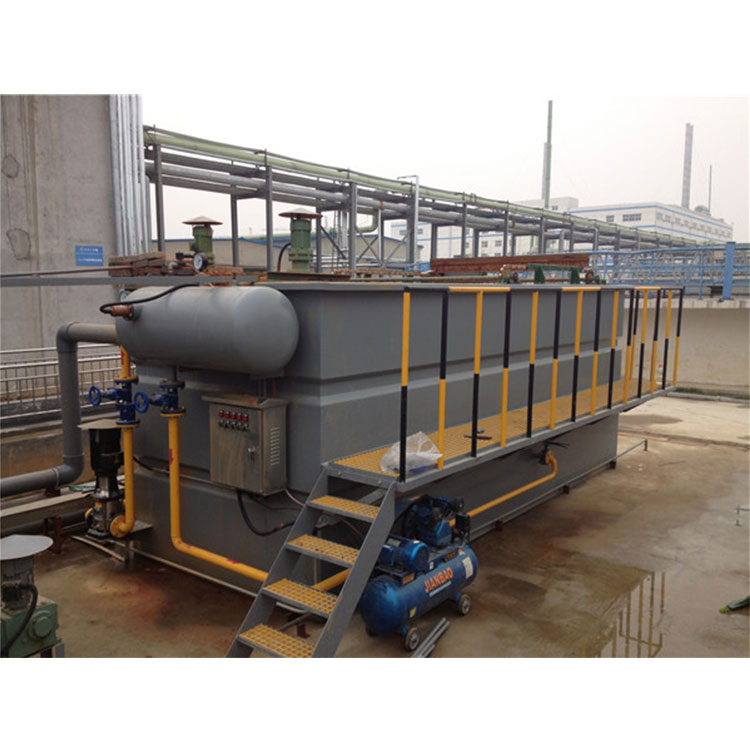 JF Composite Air Flotation
 Shallow Water Floating Machine
Product Details




产品Price Negotiable
最小起订Quantity:1 Tai 供货总Quantity: 10 Tai
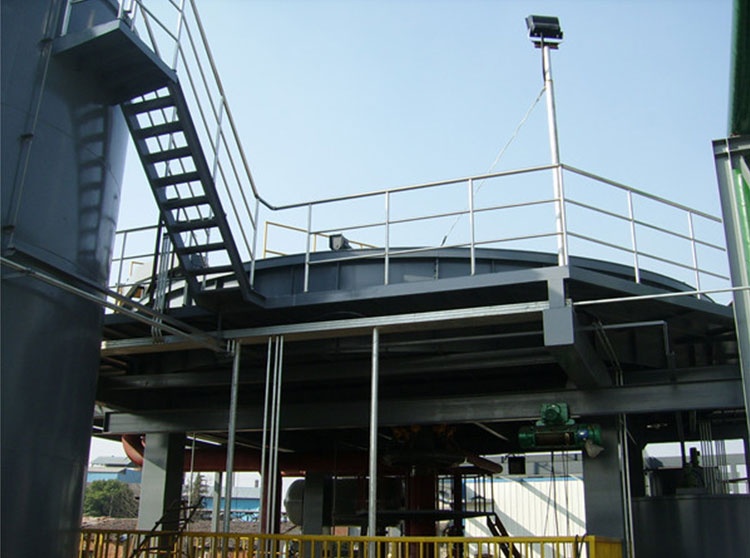
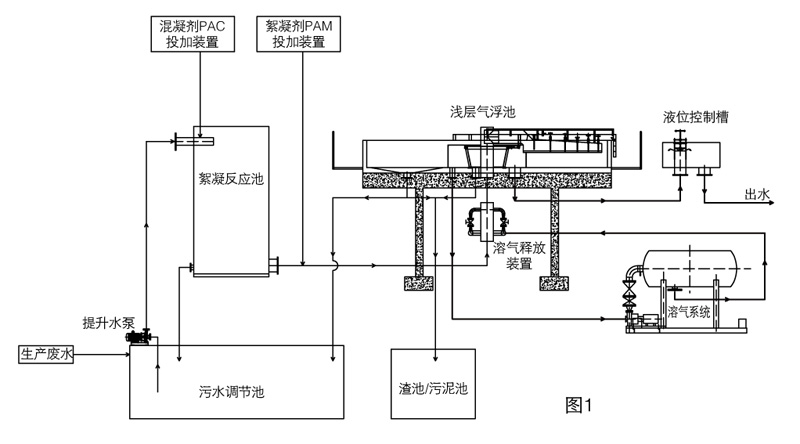
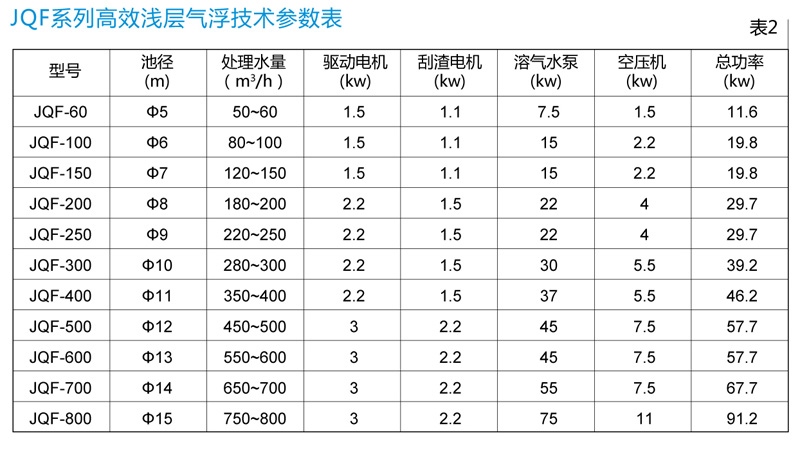
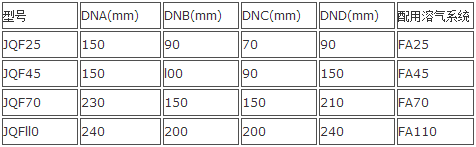
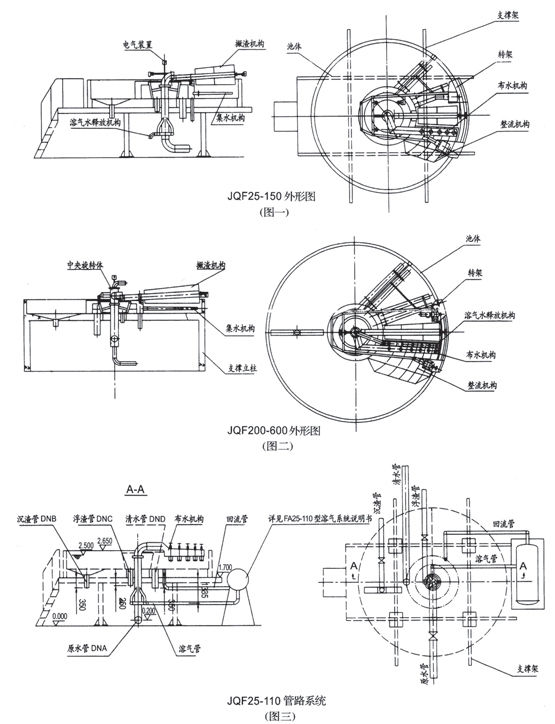
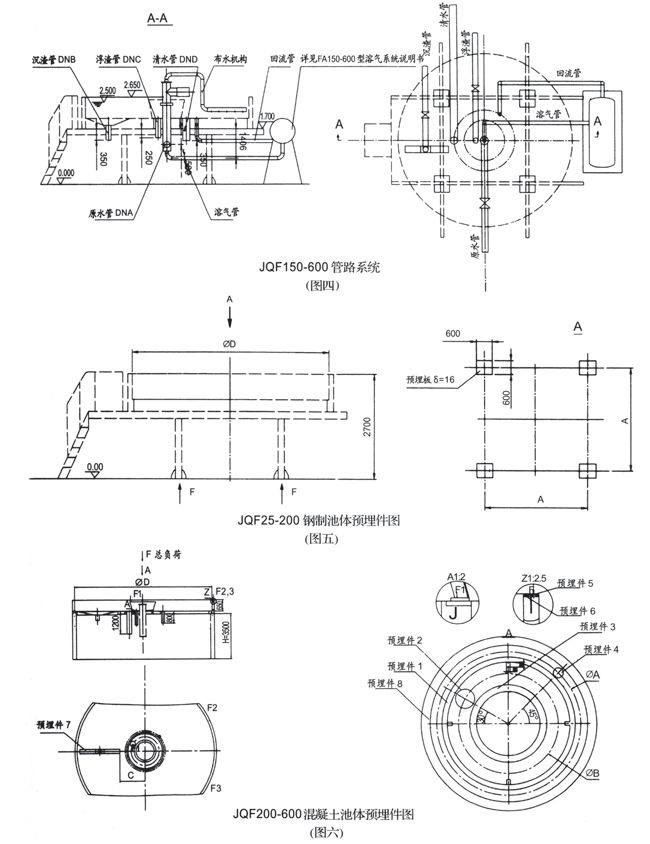
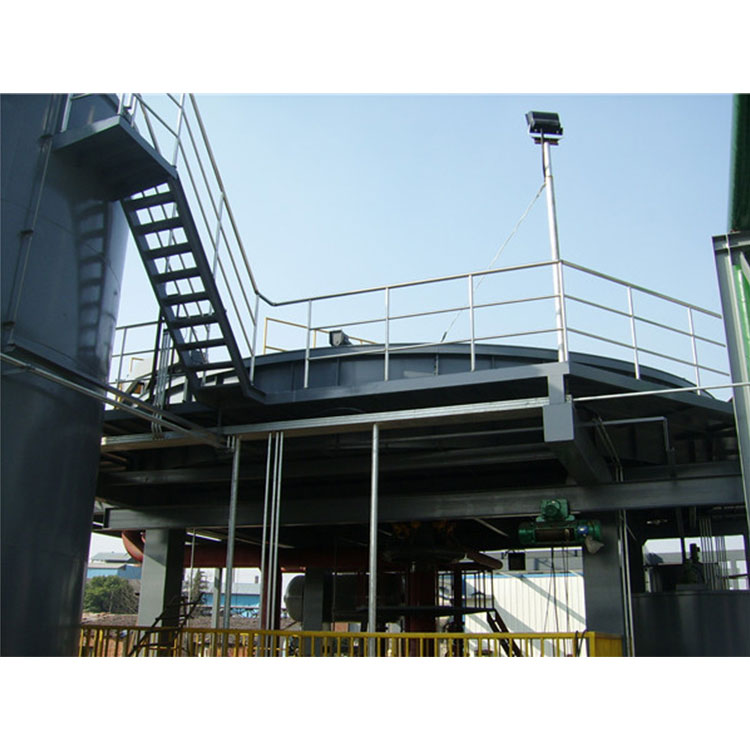
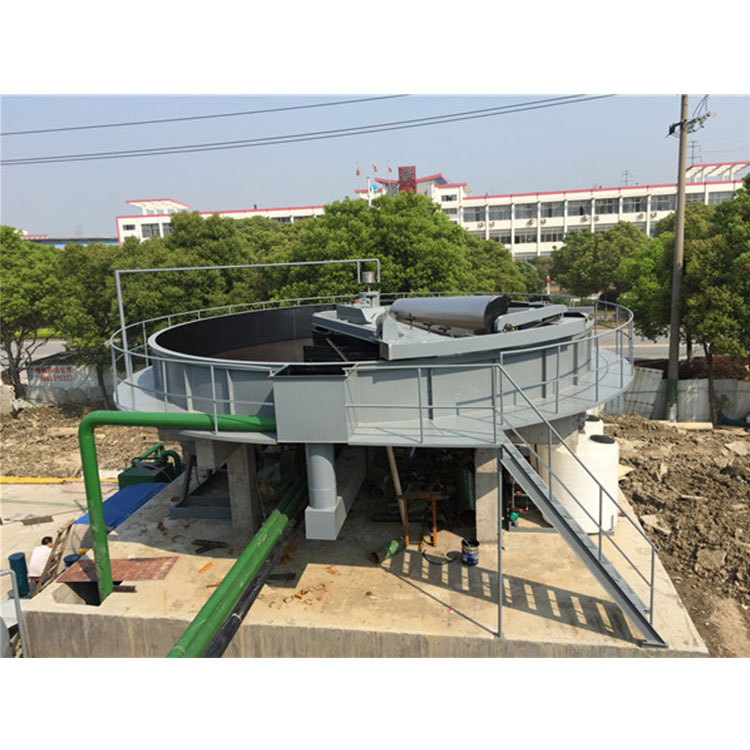
Overview and Usage: In water and wastewater treatment processes, solid-liquid separation technology and its equipment are key components. For the removal of fine suspended particles with a density close to that of water, air flotation is one of the most effective methods. The equipment is widely used in water supply and drainage treatment projects. One, it is applied in waterworks for removing algae and reducing turbidity using lake water as the source; Two, it is used in industrial wastewater treatment projects, such as in the petrochemical, textile, dyeing, electroplating, leather, and food industries; Three, it is applied in the recovery of useful substances from wastewater, such as fiber recovery from papermaking and pulp water. Model Features Features Effective water depth: 400-500mm 2. Hydrostatic retention time in the pool (3-5 mins). 3. High purification volume, meaning high surface loading. 4. Compact land area, light unit load, all prefabricated components assembled, no need for an operation room, equipment can be suspended installed, or multi-layer combined. Low installation and maintenance costs, easy to clean. High purity, with a suspended solids removal rate over 90%. 7. The device utilizes a JFA-type aeration system, which boasts an ingenious design and a high aeration efficiency of up to 90%, with a volume just one-fifth of a standard aeration system. Main working principle of the product Aeration flotation separation technology refers to the process of dissolving a maximum amount of gas into water under specific pressure conditions, aiming for saturation. The pressurized aeration water is then depressurized to release, generating a large number of tiny bubbles that thoroughly contact the suspended flocs in the water. The flocs adhere to the microbubbles, rising to the water surface along with them, forming scum which is then scraped off, thereby purifying the water quality. Our company has developed the JQF-type shallow gas flotation unit, a rapid gas flotation system. Based on traditional gas flotation theory, it successfully applies the "shallow layer theory" and "zero velocity" principle. Through careful design, it integrates coagulation, gas flotation, skimming, sedimentation, and sludge scraping into one, making it a water purification and treatment equipment. Process Flow Parameters and specifications Key Technical Parameters The JQF type shallow air flotation device integrates coagulation, air flotation, skimming, sedimentation, and sludge scraping into one, featuring a cylindrical overall structure, compact design, and a relatively shallow pond. The main body of the device consists of five major parts: the pond body, a rotating water distribution mechanism, an aeration release mechanism, a framework mechanism, and a water collection mechanism. The inlet, outlet, and float渣discharge outlet are all concentrated in the central area of the pond body. The water distribution mechanism, water collection mechanism, and aeration release mechanism are all tightly connected to the framework, rotating around the center of the pond body. This unit provides a complete set of equipment assemblies and control systems, achieving an ultra-optimal operational state through a combination of centralized and decentralized control (see Figures 1 and 2 for details). Note: 1. The water treatment capacity in the table is based on a recycle ratio R=30% and a hydraulic surface load: q=6-8 m3/m2.h. 2. JQF25-JQF200 refers to a steel pool body, where the working load indicates the total load that the civil foundation bears when the entire unit is operating normally. JQF200-JQF600 is for civil construction pools, and its working load refers to the total load the concrete pool bears when the entire unit is operating normally. JQF200 has a working load of 45/37 (t), where 45t refers to the total load carried by the civil foundation when the tank body is made of steel. 37t indicates the total load the concrete tank body bears when the tank body is made of concrete. Table 3: JQF25-110 Pipeline Parameters (See Figure 3) Table 4: JQF150-JQF600 Pipeline Parameters (refer to Figure 4) Table 5: JQF25-200 Steel Pool Body Embedment Parameters (refer to Figure 5) Table 6: JQF200-600 Concrete Tank Insert Parameters (See Figure Six)