
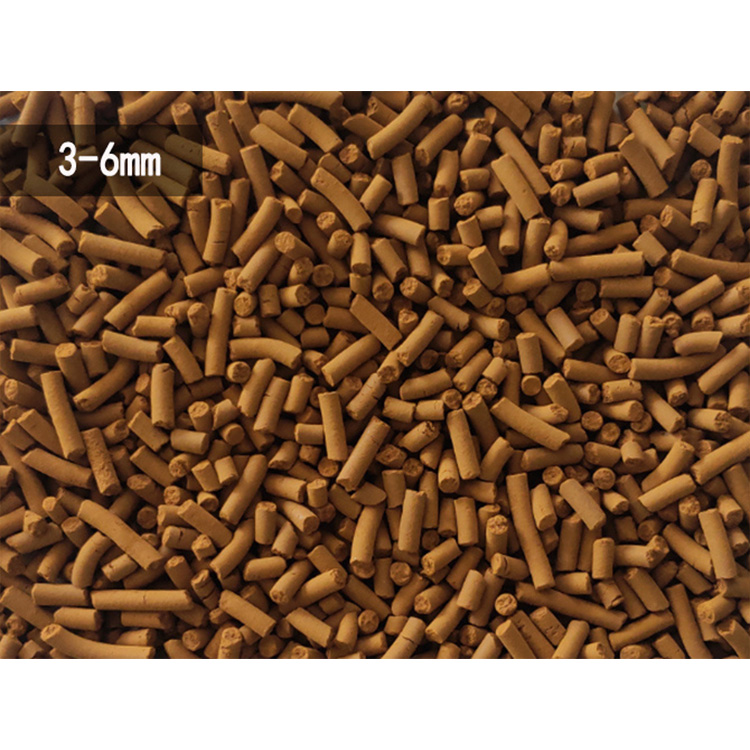
 Desulfurizing Agent Manufacturer | Iron Oxide Desulfurizing Agent
 Ferric Oxide Desulfurization Agent
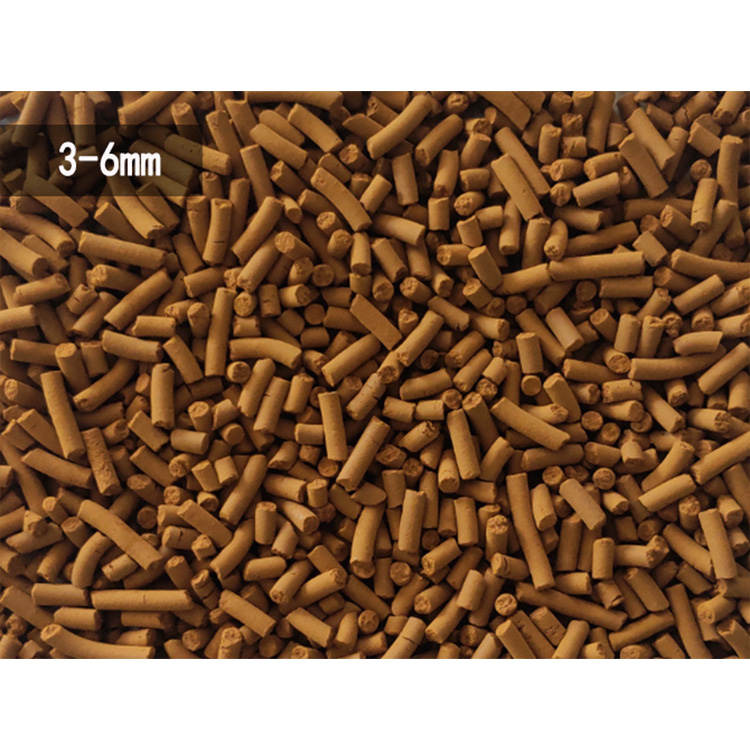 HXT Series Iron Oxide Desulfurization Agent
 High-Efficiency Desulfurizing Agent | Iron Oxide Desulfurizing Agent
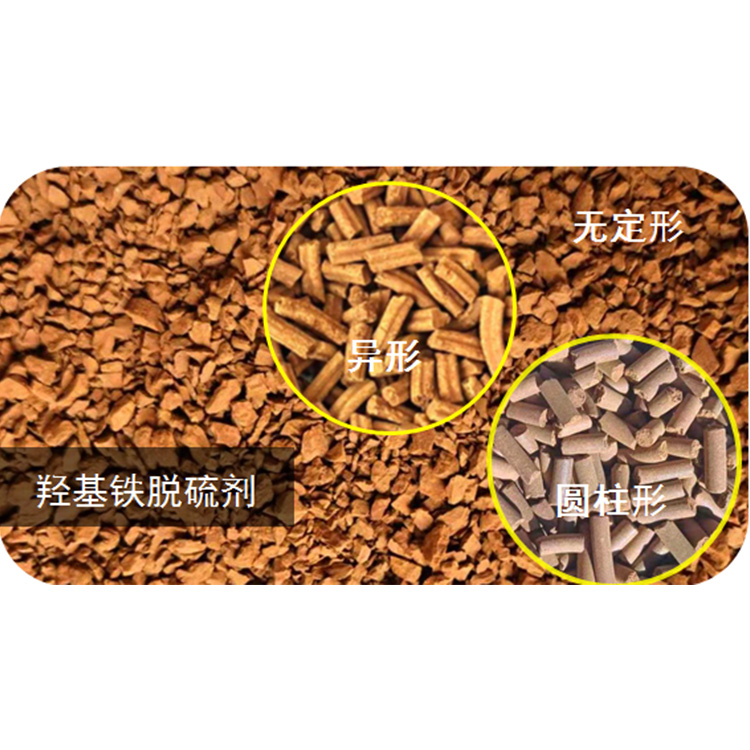 Hydroxyl iron-based desulfurizing agent
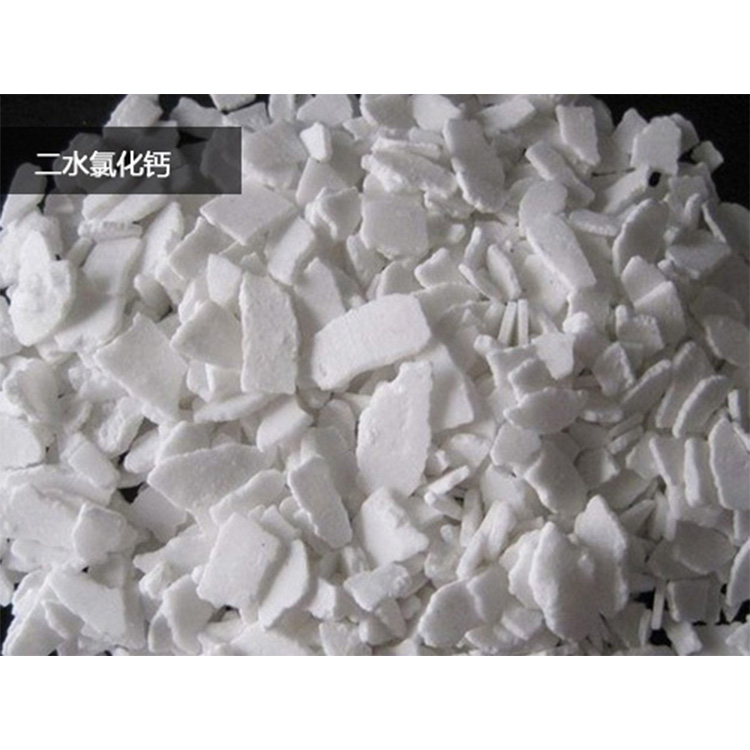 Dicalcium chloride
 Room Temperature Dechlorination Agent
Product Details





产品Price Negotiable
最小起订Quantity:1 Unit 供货总Quantity: 10000 Unit


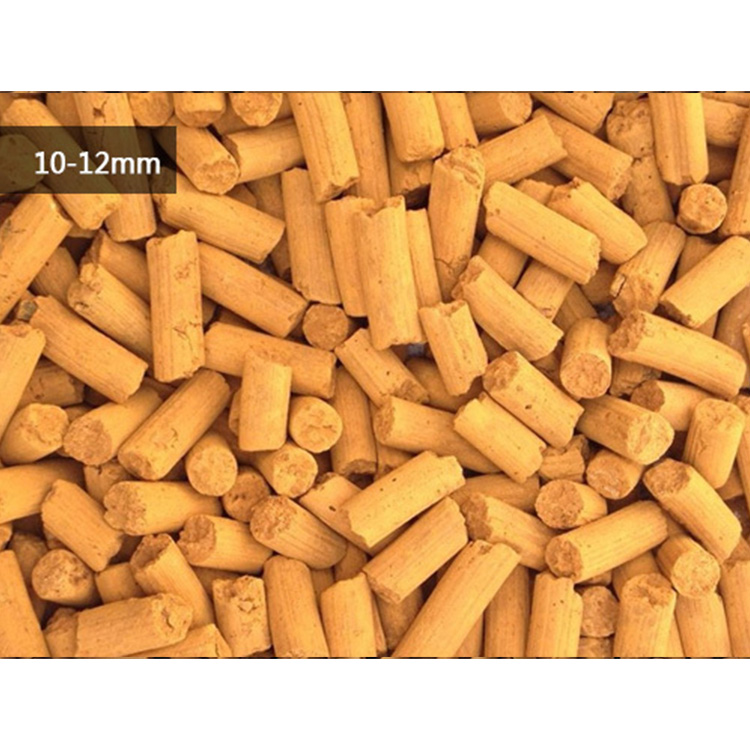
Desulfurizing agent, generally refers to chemicals used to remove free sulfur or sulfur compounds from fuels, raw materials, or other materials; in the control and treatment of pollutants, it mainly refers to agents capable of removing sulfur oxides from exhaust gases (includingChemicals used for SO2 and SO3. Removal of desulfurizing agents from flue gas is achieved using inexpensive lime, limestone, and alkaline solutions prepared with calcareous reagents. Chemical plants, smelting plants, and others commonly use solutions like sodium carbonate and alkaline aluminum sulfate as desulfurizing agents to treat waste gases, which can also be desorbed and recycled for reuse. Iron oxide desulfurization agent is a solid desulfurization agent that can remove sulfur from gases regardless of the presence of oxygen. It works by chemically adsorbing sulfur compounds in the exhaust gases into the pores of the desulfurization agent, altering its chemical composition to purify the gas. Once the desulfurization agent reaches saturation, meaning it no longer has desulfurization capacity, it needs to be regenerated, such as by using steam stripping. However, after long-term use, the desulfurization agent's activity continually declines, as some impurities may block its pores, rendering it inactive. Yet, its desulfurization activity can be enhanced and its service life extended by introducing a trace amount of oxygen into the reaction system. Waste desulfurization agents can recover their active components. Liquid desulfurizing agent due to proton transfer,The reaction between H2S and MDEA (N-methyl diethanolamine) is almost instantaneously controlled by the gas film: H2S + R2NCH3 = [R2NHCH3] + [HS]-. Due toMDEA is a secondary amine; CO2 reacts with the amine through an acid-base neutralization reaction only after forming bicarbonate with water: CO2 + H2O + R2NCH3 → R2NHCH3 + HCO3-, becauseCO2 and water require a slow intermediate process. This significant difference in reaction rates forms the basis for selective absorption, i.e., MDEA exhibits higher selectivity for absorbing H2S in the presence of CO2. Acidic exhaust gas is treated with water wash to removeCH3OH and HCN enter the bottom of the absorber tower, where they counter-currently contact lean amine solution added from the top. The purified gas, after desulfurization, escapes from the top of the absorber tower. The rich amine solution leaving the absorber tower is heated by a heat exchanger before being regenerated in the regenerator tower. The regenerated acid gas, which contains H2S and CO2, is fed into the Claus unit. The lean amine is then pumped to the absorber tower after cooling.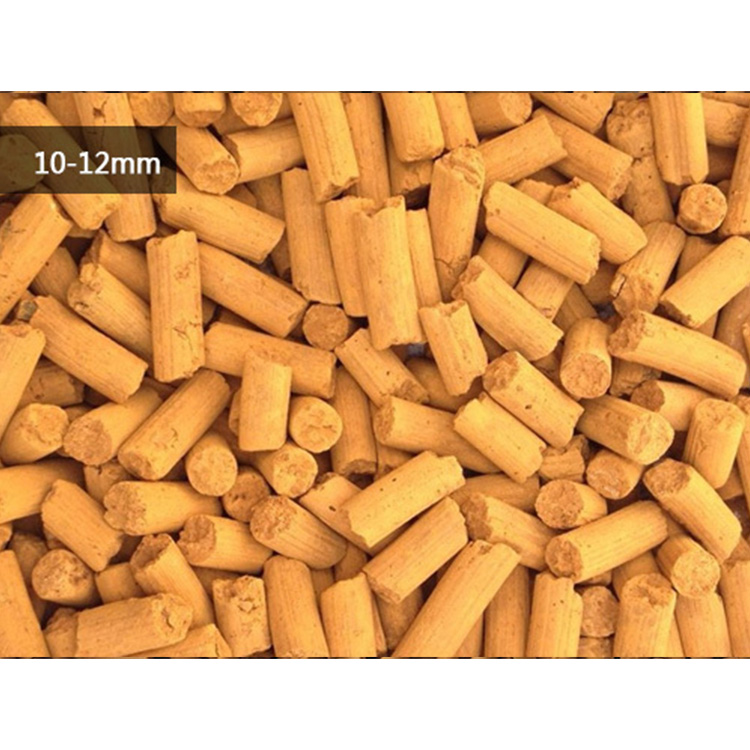
Phone Consultation