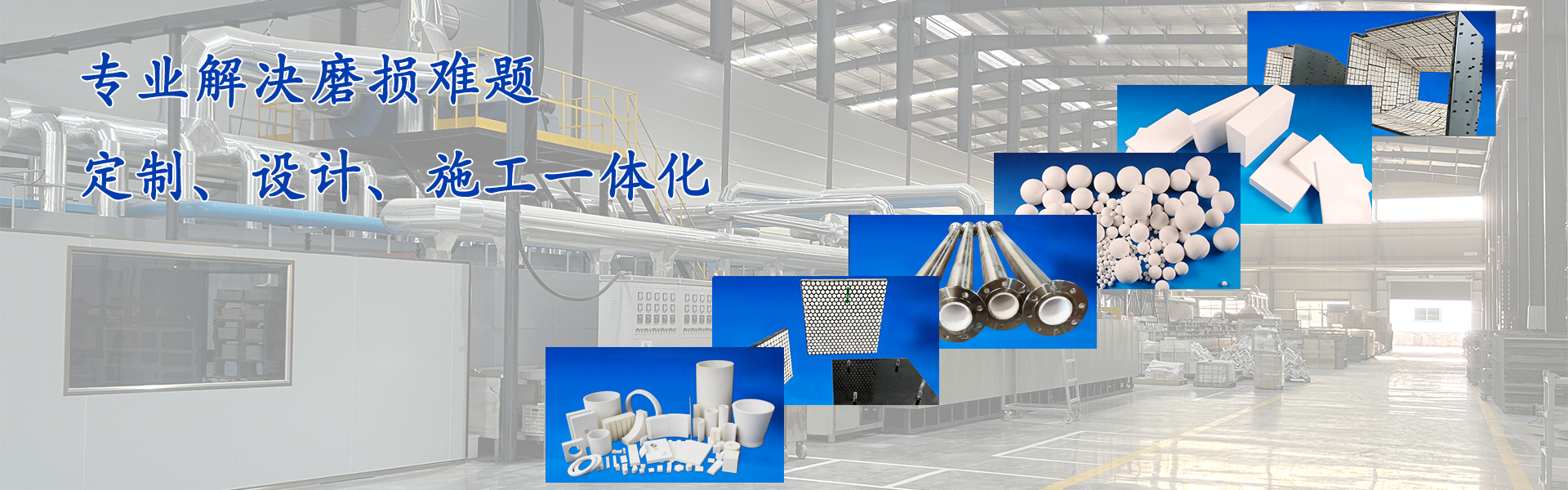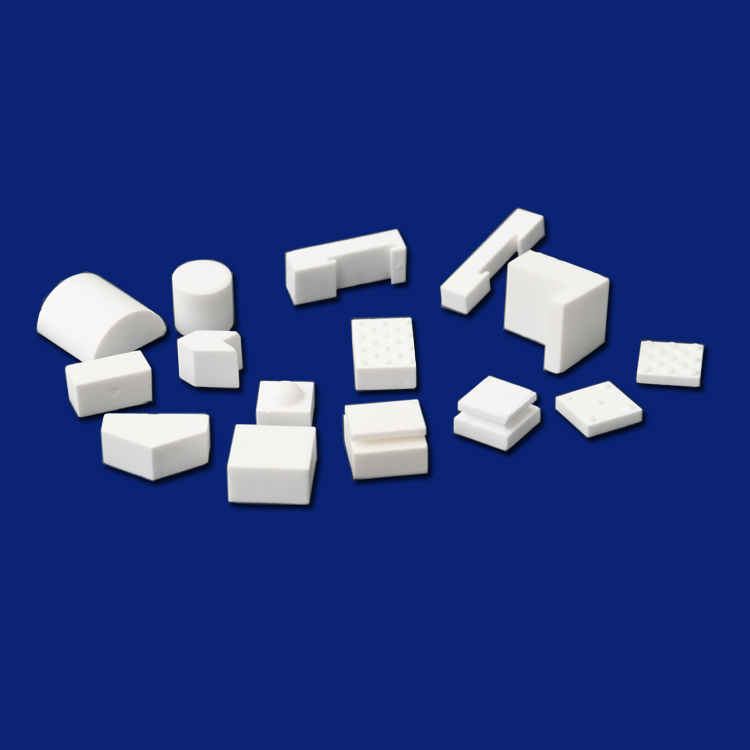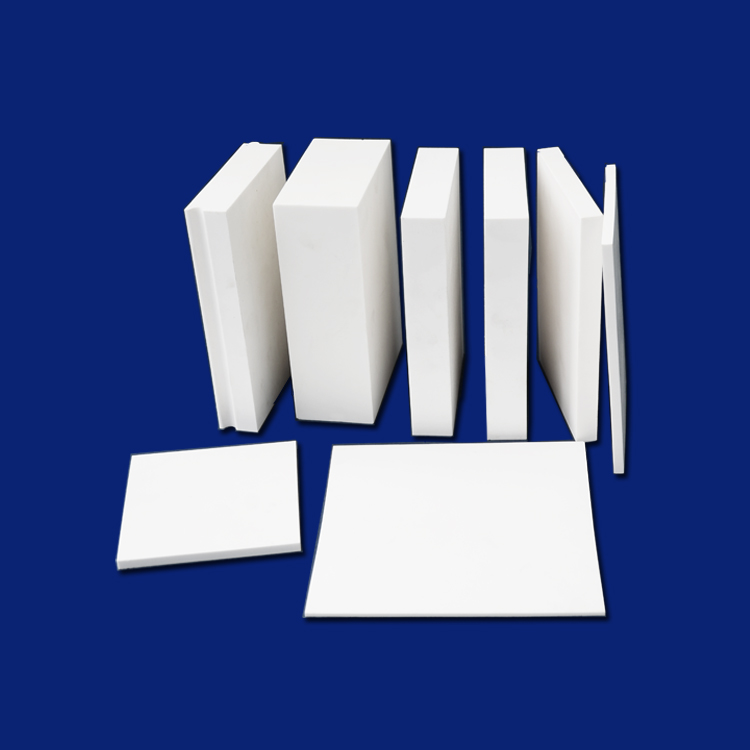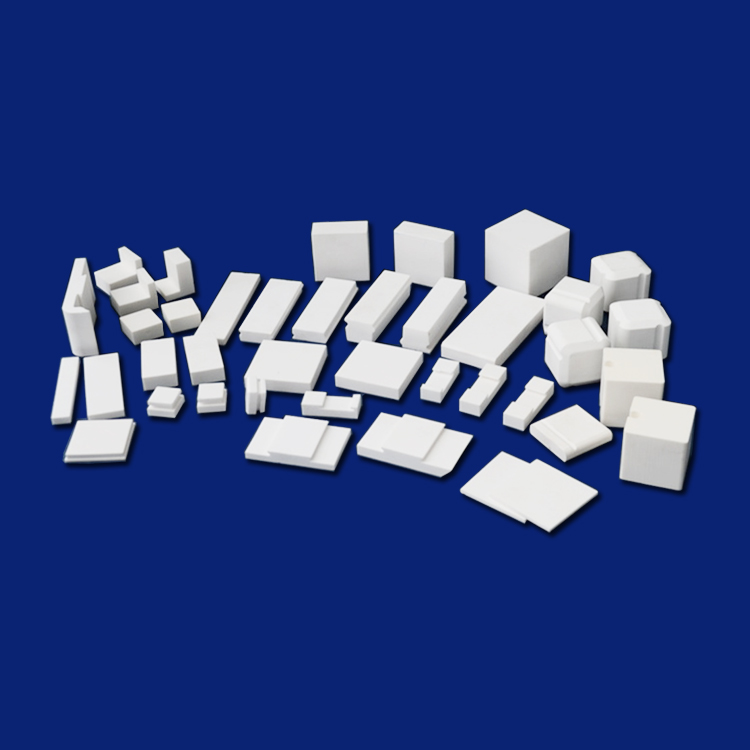
Abrasive ceramic tiles, abrasive ceramic linings, abrasiv...


Product Recommendation
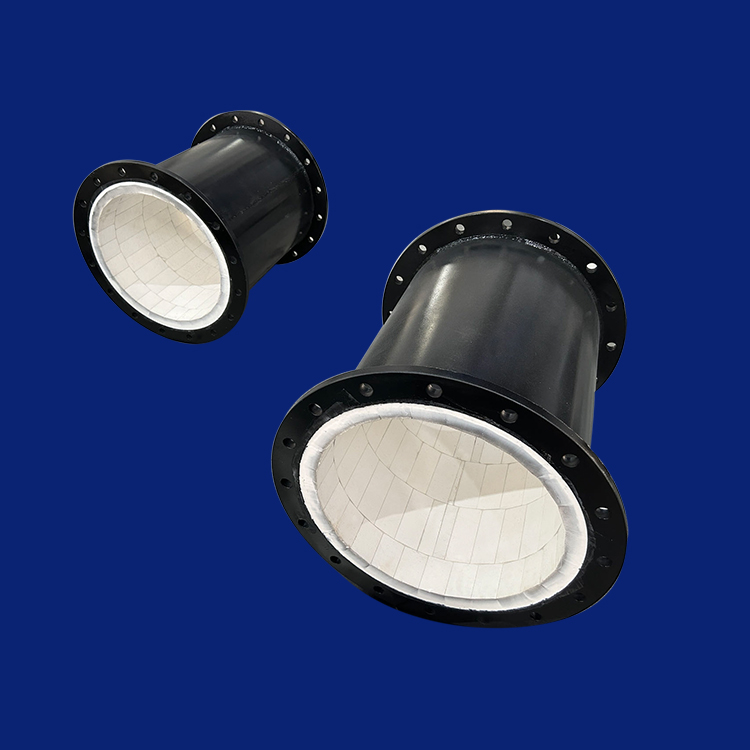
Factory Direct Supply Wear-Resistant Ceramic Pipe, Straight Elbows, Tees, etc. Customizable
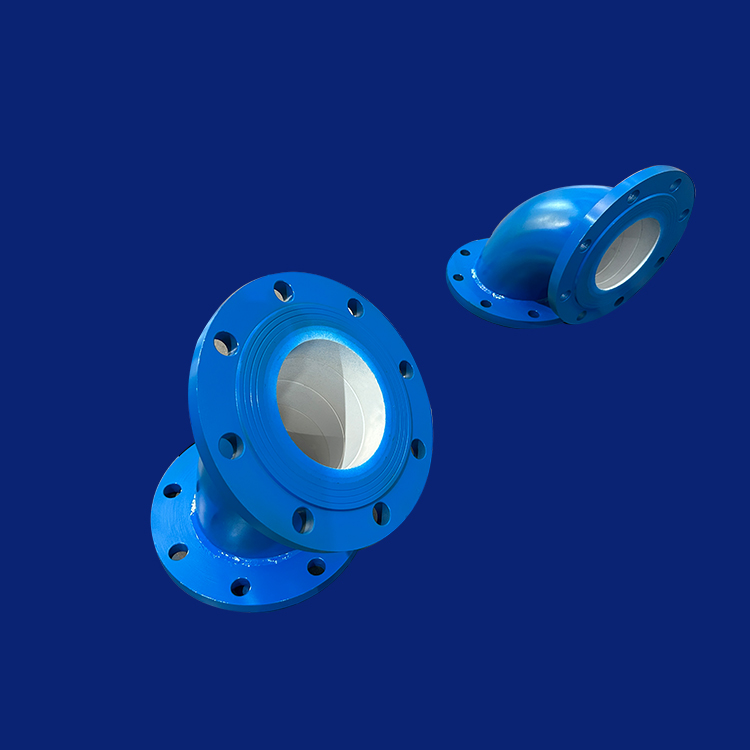
Factory-supplied ceramic composite pipes - high-wear resistance, corrosion and high-temperature resistance, customizable specifications
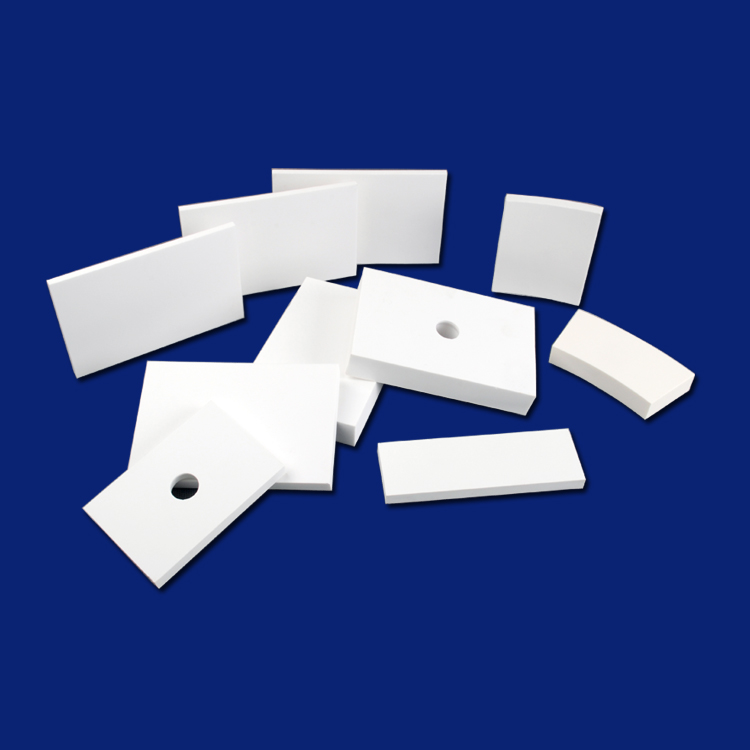
Wear-resistant ceramic liners, 150x100mmx20mm with holes, various sizes available, customizable.
Wear-resistant ceramic liners are primarily made from alumina powder, with other additives, formed by pressing and then sintered at a high temperature of 1700 degrees. They are a new type of wear-resistant material characterized by high wear resistance, high-temperature resistance, and corrosion resistance. They can be widely used on equipment with heavy wear in industries such as steel, thermal power, cement, machinery, coal, mining, and chemicals.
Common wear-resistant ceramic lining specifications include: 150x100x20、150x50x10、150x50x6、100x100x20、10050x10 and so on, linings can be categorized into flat and perforated plates based on their shape and application. Aluminum oxide ceramic linings typically contain 92%, 95%, or 96% aluminum, also known as high-aluminum linings. Generally, the higher the aluminum content, the more stable the chemical properties and the better the wear resistance.
There are three methods for installing wear-resistant ceramic linings. The most common is to use ceramic-specific adhesive. Before bonding, the equipment surface must be thoroughly cleaned and rust and oil must be removed to prevent affecting the adhesive's bonding strength. The adhesive is applied to the lining and must be allowed to fully cure before moving. This installation method is typically used for flat ceramic linings.
The perforated ceramic linings come with two installation methods. The first involves welding iron plates and using adhesive for a double fixation on the equipment surface, offering a sturdy solution. The alternative method employs bolts and screws, passing through the holes to securely attach the lining to the equipment.
How to install liners depends on the specific working conditions and materials of the equipment, and the appropriate installation method should be chosen.


b2b.china9.net © Zhongshang 114 Hebei Network Technology Co., Ltd.Address: Room 6009, Oriental New World Center, No.118 East Zhongshan Road, Qiaoxi District, Shijiazhuang City, Hebei ProvincePlatform Service Hotline: 4006299930