
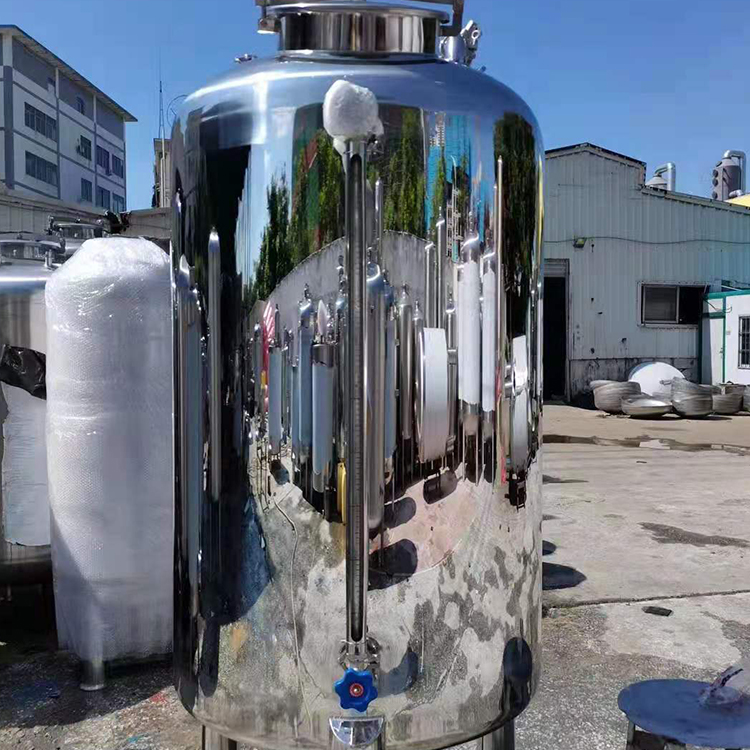
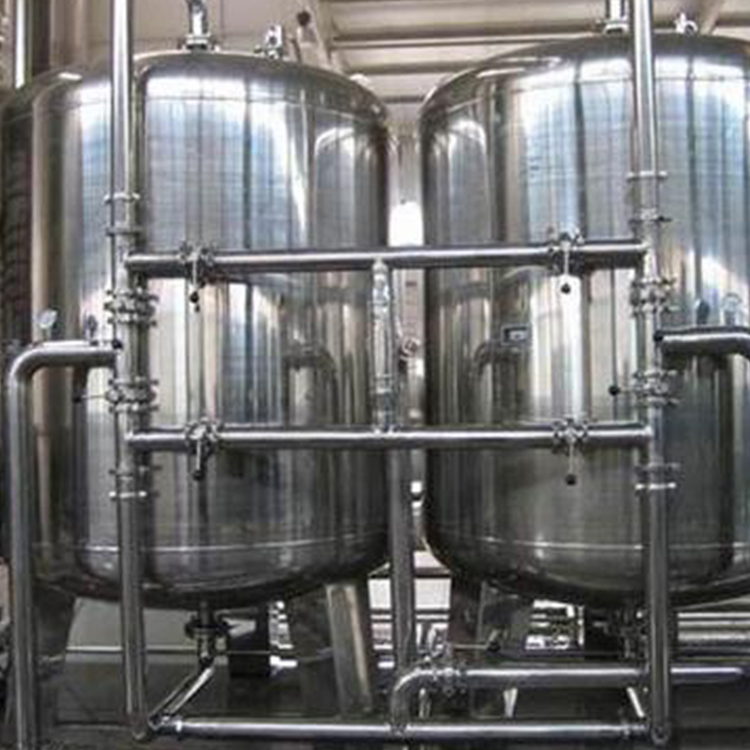
 Food-grade 304 stainless steel sterile water tank
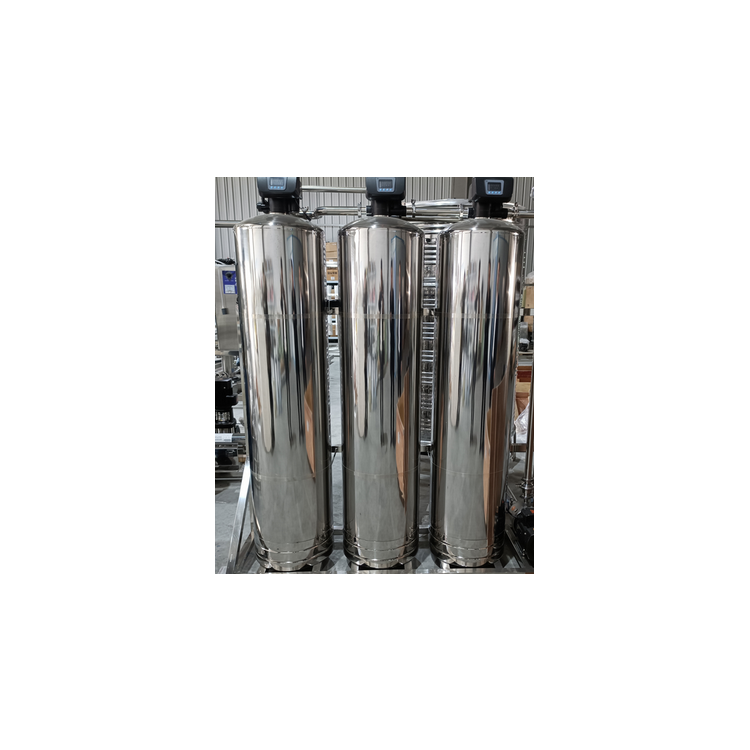 Filter | Stainless Steel Filter
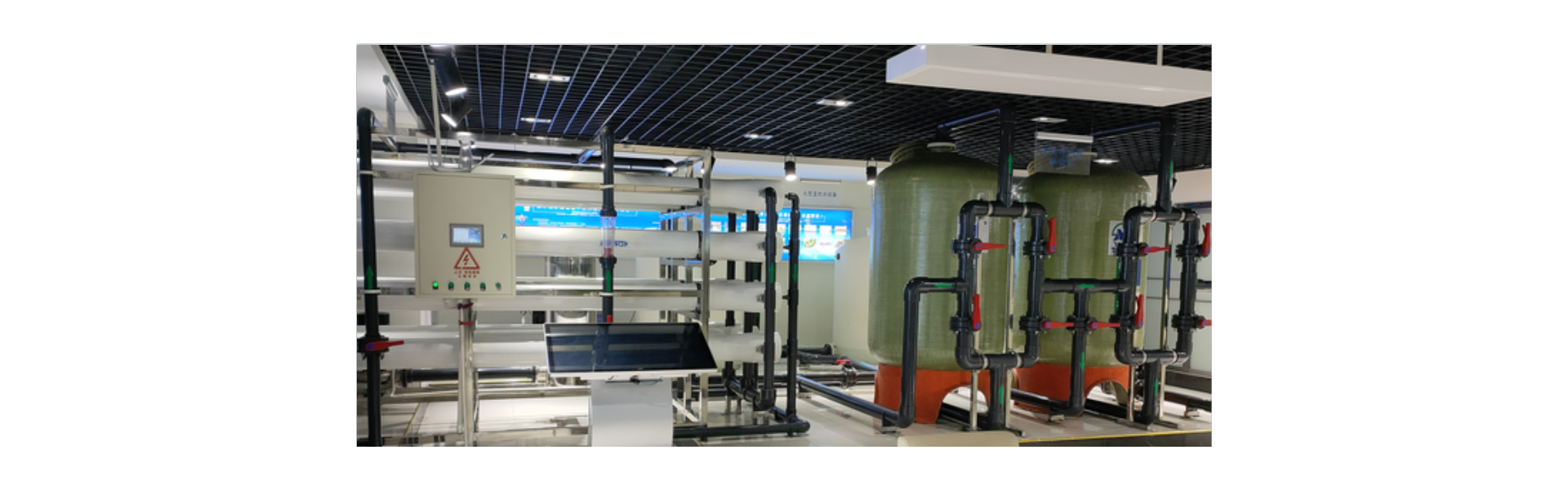
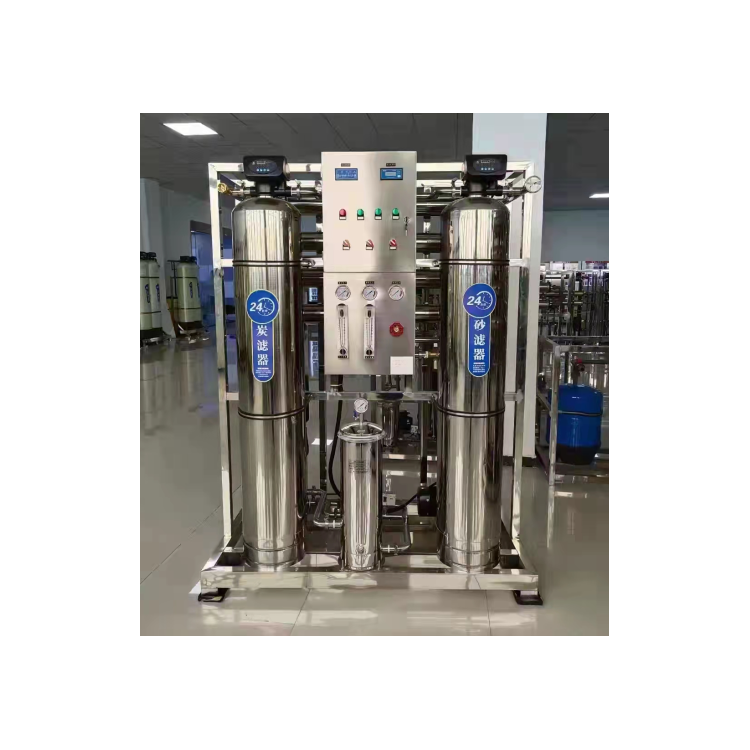 Reverse Osmosis and Nanofiltration Equipment 1-ton RO and NF System
 Reverse Osmosis and Nanofiltration Equipment 2-ton Reverse Osmosis and Nanofiltration System
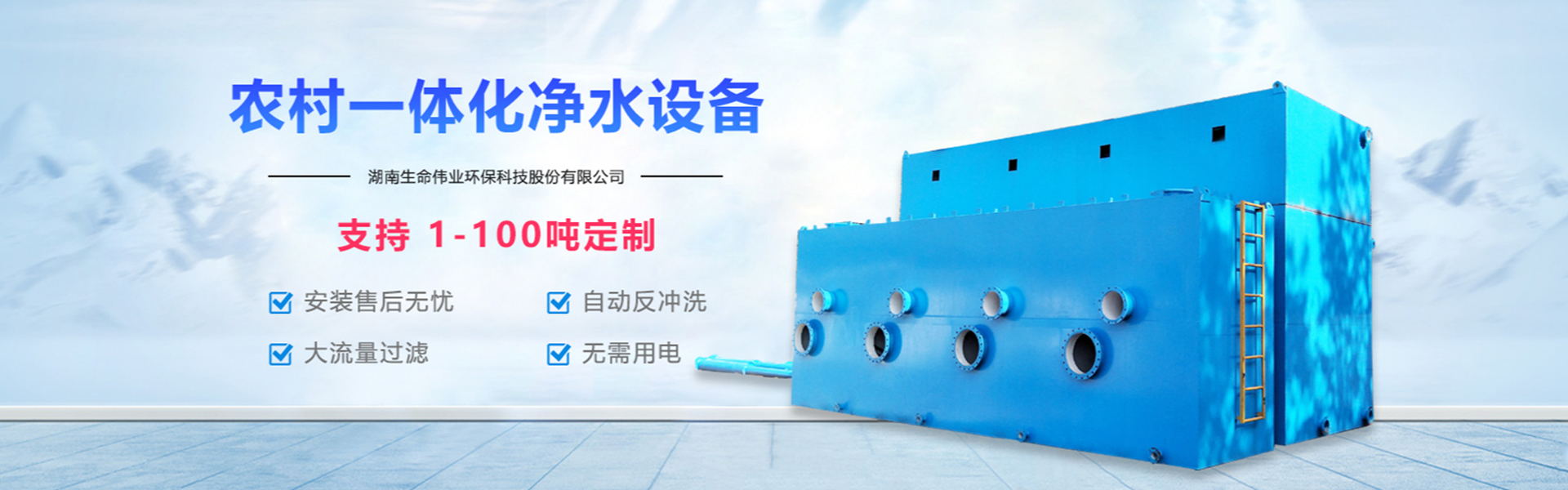
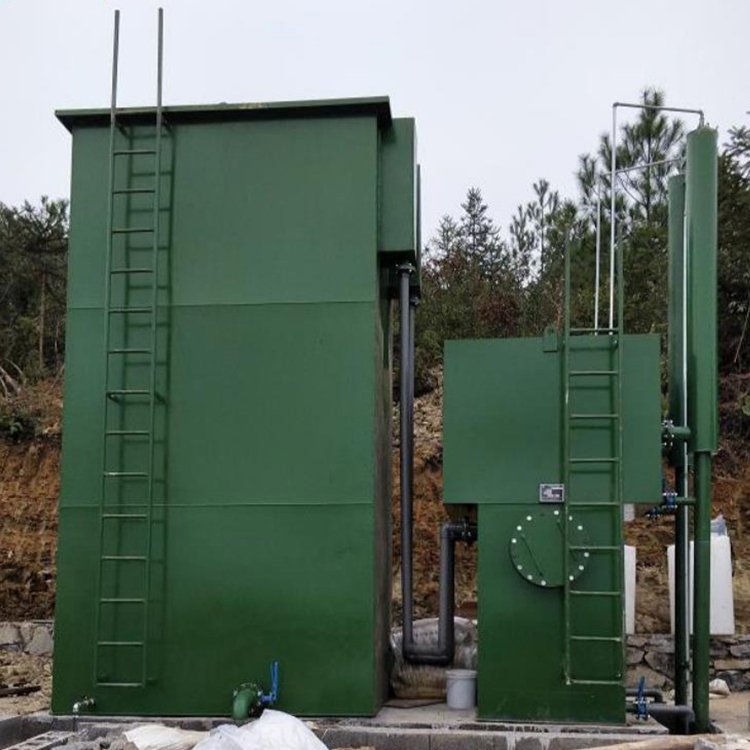 Rural Water Supply Equipment 5-200 tons Integrated Purification Equipment
 Filter, Stainless Steel Drum
Product Details

Manufacturing, sales, and installation of gas and liquid separation and purif...
产品Price Negotiable
最小起订Quantity: 供货总Quantity:


Brand |
|
Sales Method |
Direct Sales |
Performance |
Strong |
Available for Sale |
National |
Material |
Contact Customer Service |
Custom Processing |
Inquire with Customer Service |
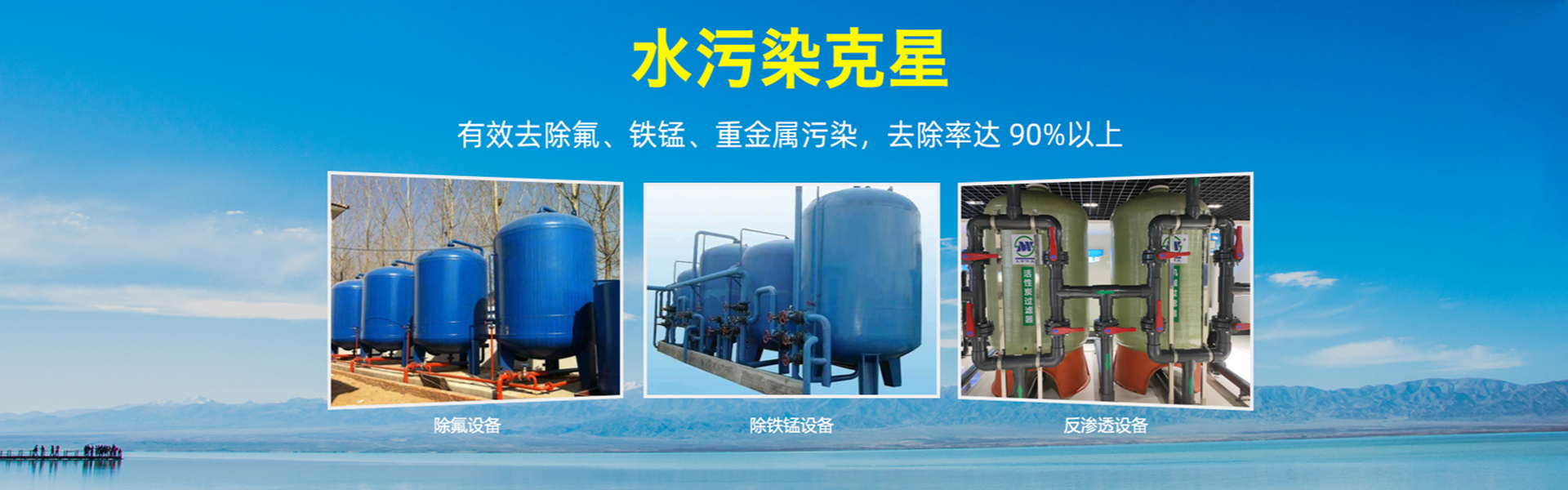
Working Principle Product Structure Fluoride Removal Equipment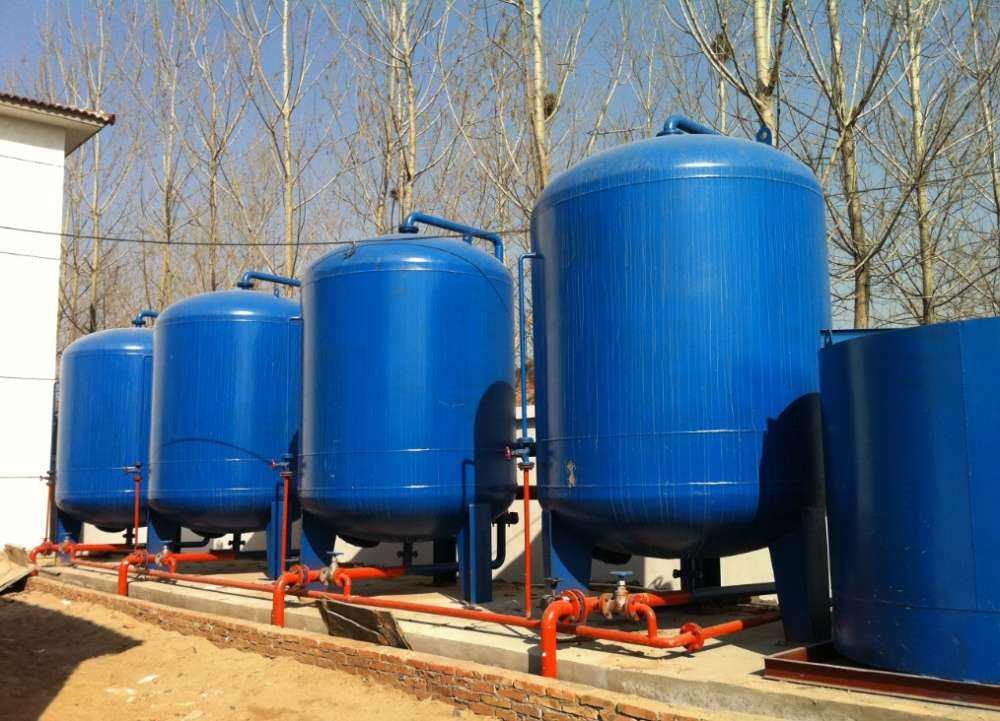
As the original water flows through the fluoride removal system, the core filter layer inside the fluoride reducer — natural mineral filter material.
Water comes into contact with natural mineral filter material in the fluoride reduction unit, where physical and chemical reactions—adsorption and ion exchange—occur. The fluoride ions in the water are adsorbed and exchanged by the filter material, thereby removing the fluoride ions from the water, achieving a fluoride content of no more than 1.0 mg/L, as specified by the National Standard for Drinking Water Quality (GB5749-2006). After a period of operation, the natural mineral filter material becomes saturated with adsorption and exchange, necessitating regeneration through a regeneration system. Once regenerated, the filter material's performance is restored to its original state, allowing for long-term, repeated use. Potassium aluminum sulfate (alum) can be used as the regeneration agent.
Key Features
Newly developed natural mineral filter material beneficial to human health.
2. Fluoride removal, along with the elimination of various harmful substances in water.
3. Stable performance with a long service life; low operation cost, generally 0.3 yuan per ton of water.
4. Simple structure, small land occupation, easy operation and maintenance management.
5. Flexible in scale, ranging from large to small, designed and manufactured according to customer requirements.
6. Available in manual, semi-automatic, and fully automatic models for customer selection.
The necessity of fluoride removal
Fluorine is a nonmetal element that assumes a -1 oxidation state in compounds. Under normal conditions, fluorine gas is a pale yellow-green, highly flammable, and irritating toxic gas. The reaction of fluorine gas with water is complex, primarily producing hydrogen fluoride and oxygen, along with smaller amounts of hydrogen peroxide, difluorine oxide, and ozone. It can also displace other nonmetal elements in compounds. It can react violently with all nonmetals and metals, forming fluorides and causing combustion. It is corrosive and toxic.
Working Principle
In China's methods for removing fluoride from drinking water, the most commonly used is adsorption filtration, with the main adsorbent being activated alumina as the filter material.
Active alumina is a white, granular, porous adsorbent with a large specific surface area, making it an economical and effective method for fluoride removal. It is an amphoteric substance with an isoelectric point around 9.5. Below a pH of 9.5, it can adsorb anions, and above 9.5, it can remove cations.
Therefore, in acidic solutions, active alumina acts as an anion exchange agent with selectivity for fluorine.
1. Before use, active aluminum oxide can be activated with an aluminum sulfate solution to convert it into the sulfate form. The reaction is as follows:
(Al2O3)n·2H2O + SO4 →(Al2O3)n·H2SO4 + 2OH
2. The reaction during fluorine removal is:
(Al2O3)n·H2SO4 + 2F → (Al2O3)n·2HF + SO4
3. After the activated alumina loses its deuterium removal capability, it can be regenerated with a 1%-2% aluminum sulfate solution.
(Al2O3)n·2HF + SO4 →(Al2O3)n·H2SO4 + 2F
The weight of fluorine that can be adsorbed by each gram of active alumina is typically 1.2 to 4.5 mg, which depends on: the original water's fluorine concentration, pH value, and the particle size of the active alumina.
Application Scope
China has a wide distribution of groundwater areas with high fluoride content. Long-term consumption of water with high fluoride levels can lead to chronic poisoning, particularly causing severe harm to teeth and bones. Milder cases may suffer from dental fluorosis, characterized by enamel damage and premature tooth loss, while severe cases can result in joint pain and even bone deformation, leading to conditions like hunchback and the complete loss of work capacity.
The hazards of high-fluoride water are severe. Our drinking water standards stipulate that the fluoride content must not exceed 1mg/L.
Performance Features
1. Cost-effective equipment with low operating costs and simple management.
2. Filter media is regenerated and can be reused multiple times, ensuring a long lifespan.
3. Effective de-fluorination, with minimal land use.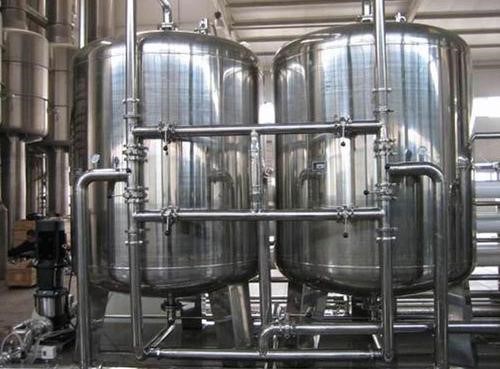
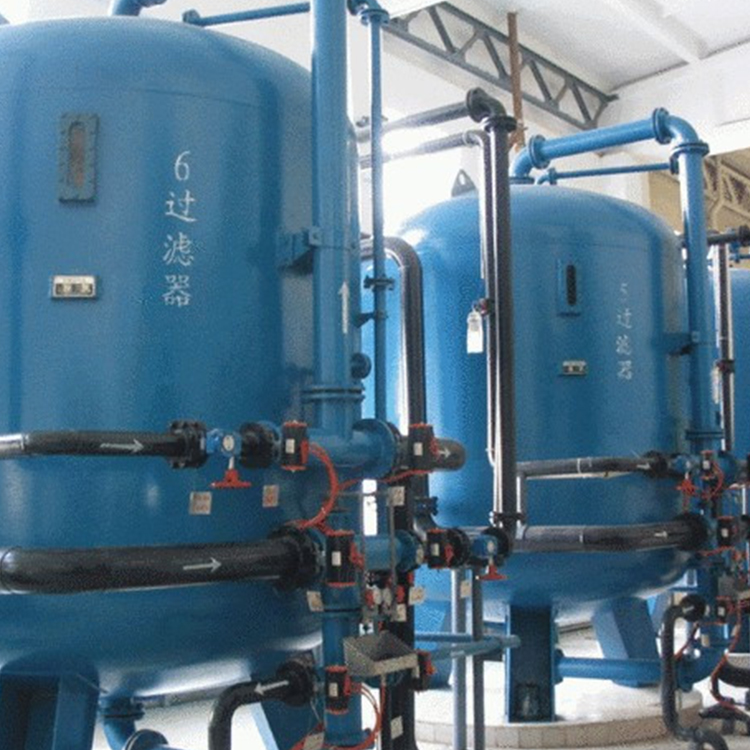
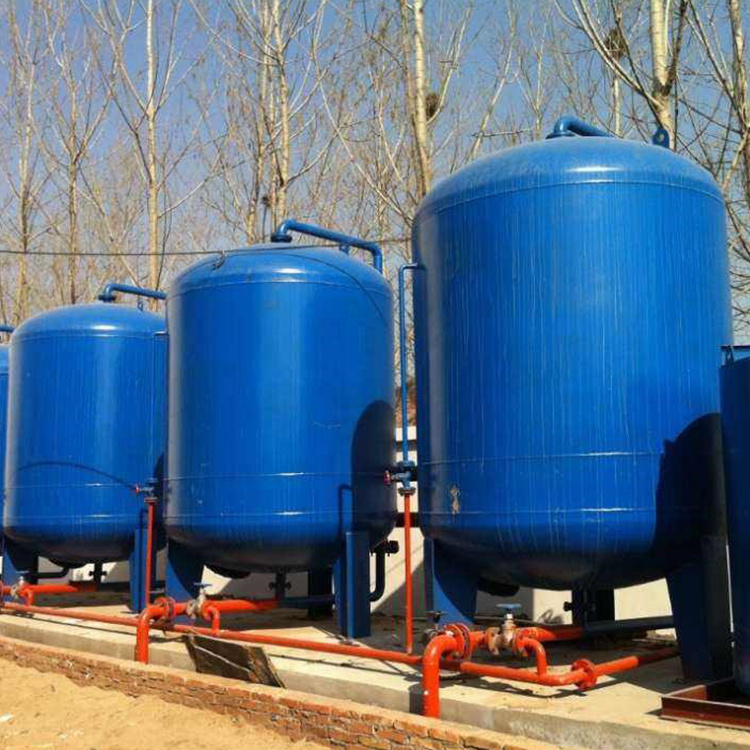
This unit consists of a defluorination tank, filter media, regeneration unit, piping valves, etc., and can be selected in different sizes based on varying levels of fluorine content and treatment water volume.
Selection Method
The size of the defluorination unit is determined by the water volume, and it can be made of steel or glass steel depending on the application. The defluorination equipment includes fixed bed and moving bed. The water flow in the fixed bed is typically upward, with a filter layer thickness of 1.1 to 1.5 meters and a flow rate of 3 to 6 m/h. The moving bed has a filter layer thickness of 1.8 to 2.4 meters and a flow rate of 10 to 12 m/h.
Operation Method
Activated alumina has better defluorination effect within the pH range of 5 to 8, with a higher adsorption capacity at pH 5.5. To minimize acid consumption and reduce costs, China generally controls the pH between 6.5 and 7.0, and the contact time of the defluorination unit should be over 15 minutes.
After the activated alumina fails, if the fluoride content in the effluent exceeds the standard, the operating cycle is terminated and regeneration is required. During regeneration, the activated alumina column is first backwashed for 10 to 15 minutes, with an expansion rate of 30 to 50% to remove suspended matter from the filter layer.
The concentration and dosage of the regenerant should be determined through testing. Generally, for Al2(SO4)3 regeneration, it is 1~2%, and for NaOH, it is 1.0%. After regeneration, backwash with de-fluorinated water for 8~10 minutes, and the regeneration time is approximately 1.0~1.5 hours. When using NaOH solution, the filter layer after regeneration is alkaline and must be converted back to acidic to remove F ions and other anions.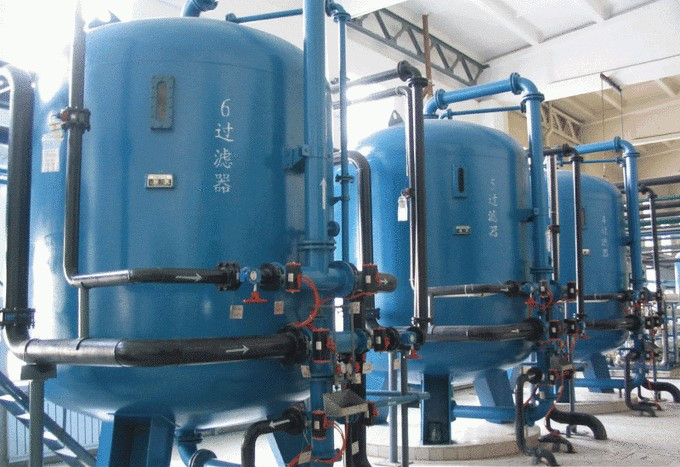
Underground water and drinking water defluorination equipment (defluorination filter) introduces new technology, new processes, and new equipment. Utilizes special activated alumina as the defluorination adsorbent, combining the defluorination process with acid addition or pH adjustment of the raw water, and adsorption catalysis to achieve high defluorination adsorption performance. The defluorination unit employs aluminum sulfate or sodium hydroxide as the regenerant, using large-flow circulation regeneration for rapid neutralization. This can greatly restore the adsorption performance of the activated alumina, ensuring continuous defluorination. The defluorination material is used as an adsorbent, with the tank made of carbon steel or fiberglass. A 1%-2% solution of aluminum sulfate or sodium hydroxide is used as the regenerant, and the filter material can be reused. It is a novel defluorination equipment different from ion exchange methods (electrodialysis units, reverse osmosis).
Features
1. Utilizes specially activated alumina as an adsorbent, featuring rapid adsorption speed, high adsorption capacity, minimal pH impact, and easy desorption, with superior performance compared to conventional activated alumina.
2. The regenerant replaces traditional aluminum sulfate with sodium hydroxide, eliminating the hazard to human health caused by excessive aluminum ions in the effluent.
3. By using a recycling process, traditional regeneration time can be reduced to completion within 4 hours.
4. Employed adjusted PH value and catalytic adsorption technology to significantly enhance adsorption capacity.
5. Continuously add catalyst in fixed dosages to increase the adsorption rate of fluorine.
6. Permanently resolved the "agglomeration" issue and "false fatigue" phenomenon in active aluminum oxide.
Principles and Process Flow of New Fluoride Removal Equipment
The fluorinated water passes through an adsorption filtration layer of active alumina with a larger specific surface area. Under pH conditions of 5 to 6, the fluoride ions in the water are adsorbed to form insoluble fluorides and are thus removed. The reaction is as follows: R2SO4 + 2F- = R2F2 + SO42-.
After adsorbent failure, regenerate it using aluminum sulfate solution to restore its adsorption capacity. When the raw water pH is greater than 7, typically adjust it using carbon dioxide gas.
De-fluorination Equipment Process Features: 1. Low cost, saving on investment; 2. Low operation and water production costs; 3. Easy equipment operation: Automated and semi-automated operations do not require pH adjustment; 4. Easy installation and use; the equipment can be directly connected to a variable-frequency pump in a deep well, with the equipment's output directly entering the pipeline, no need for an original or effluent reservoir, no need for secondary pressurization; 5. New de-fluorination equipment has a high water utilization rate of 98-99% or more; 6. Small footprint.
In many regions across our country, the fluoride content in groundwater exceeds the national drinking water hygiene standards (1.5mg/L). In some areas, it even reaches up to 20mg/L. Long-term consumption of high-fluoride water can cause mottled teeth and joint pain in the mild cases, while in severe cases, it can affect bone development, leading to loss of labor capacity. The new process, using an active aluminum oxide medium for fluoride removal equipment, effectively addresses these issues, protecting people from the harm of high fluoride levels.
Reason for Fluoride Removal
Fluoride in appropriate amounts is beneficial for dental health, but excessive intake can lead to fluorosis.
Fluorosis is a chronic, systemic disease, but the main symptoms are dental fluorosis and skeletal fluorosis. Dental fluorosis is characterized by rough surfaces, discoloration, and fractures, which are prone to falling off. More severely, skeletal fluorosis, primarily manifests as osteoporosis and deformation, leading to fractures. Fluoride can also deposit in joints, causing bone overgrowth, ligament ossification, and in severe cases, bone degeneration, joint stiffness, ultimately resulting in disability and paralysis.
Additionally, fluorine can suppress the functions of the adrenal, reproductive, thyroid, and pancreas glands in humans, and damage the digestive and cardiovascular systems. Severe fluorine poisoning can lead to the loss of labor force among residents in high-fluoride areas. Drinking high-fluoride water is a major cause of bone and tooth damage, and fluorine poisoning is a serious endemic disease that poses a significant threat to public health.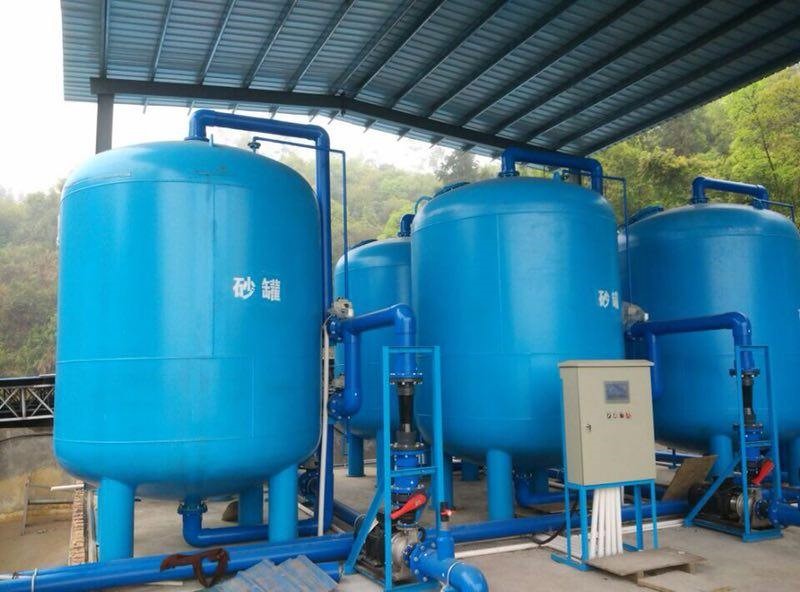

Phone Consultation