
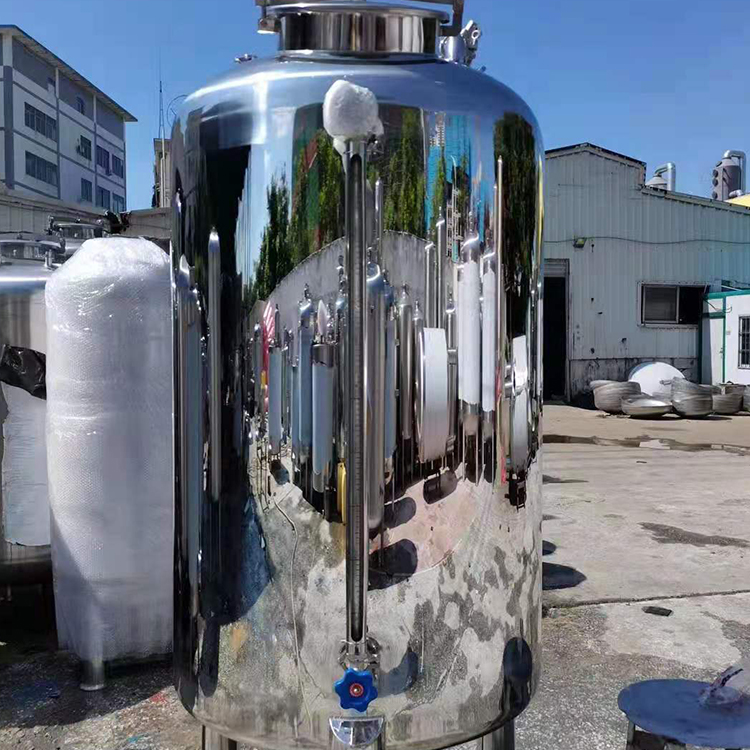
 Food-grade 304 stainless steel sterile water tank
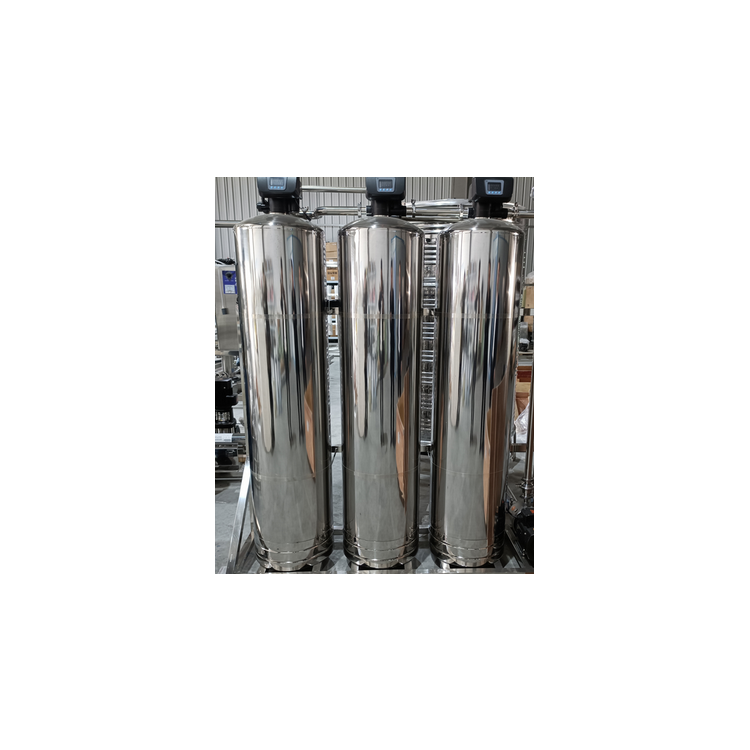 Filter | Stainless Steel Filter
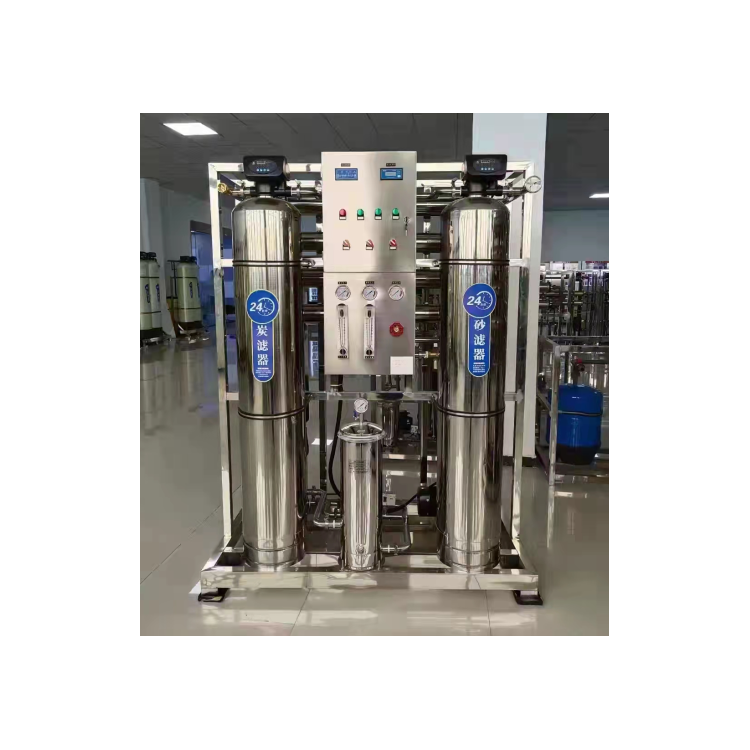 Reverse Osmosis and Nanofiltration Equipment 1-ton RO and NF System
 Reverse Osmosis and Nanofiltration Equipment 2-ton Reverse Osmosis and Nanofiltration System
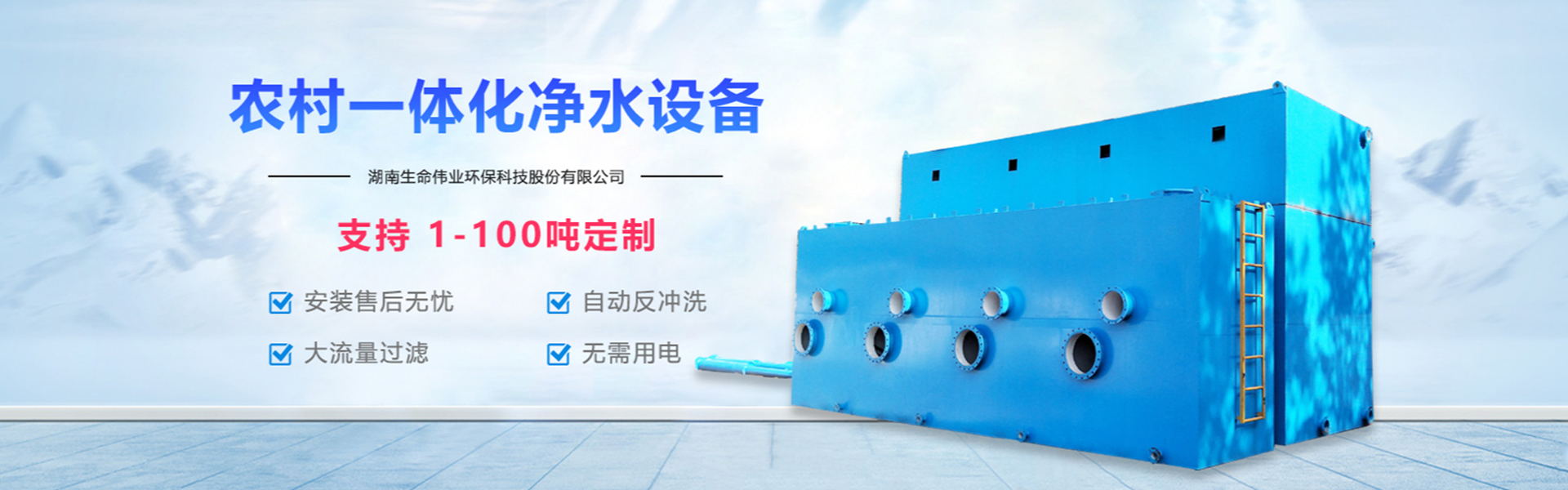
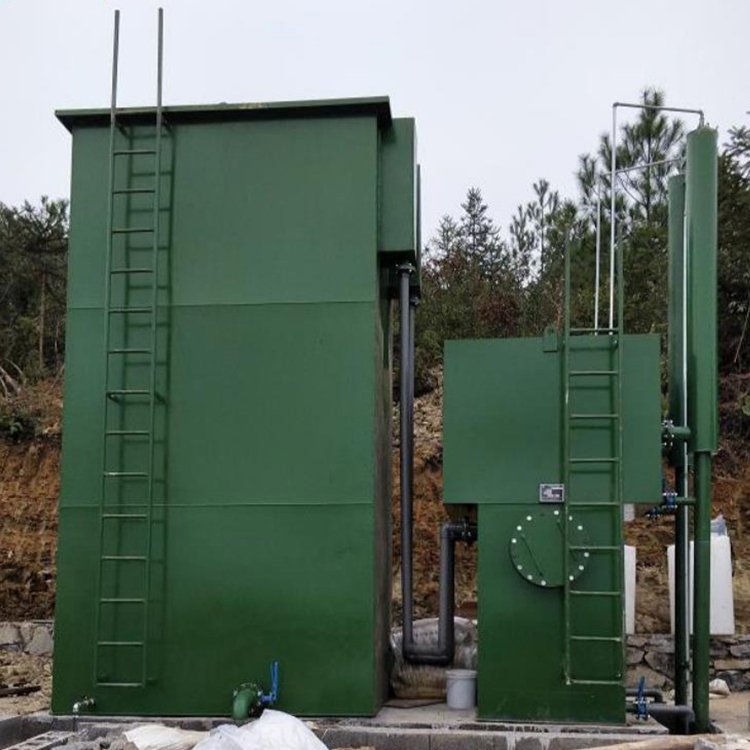 Rural Water Supply Equipment 5-200 tons Integrated Purification Equipment
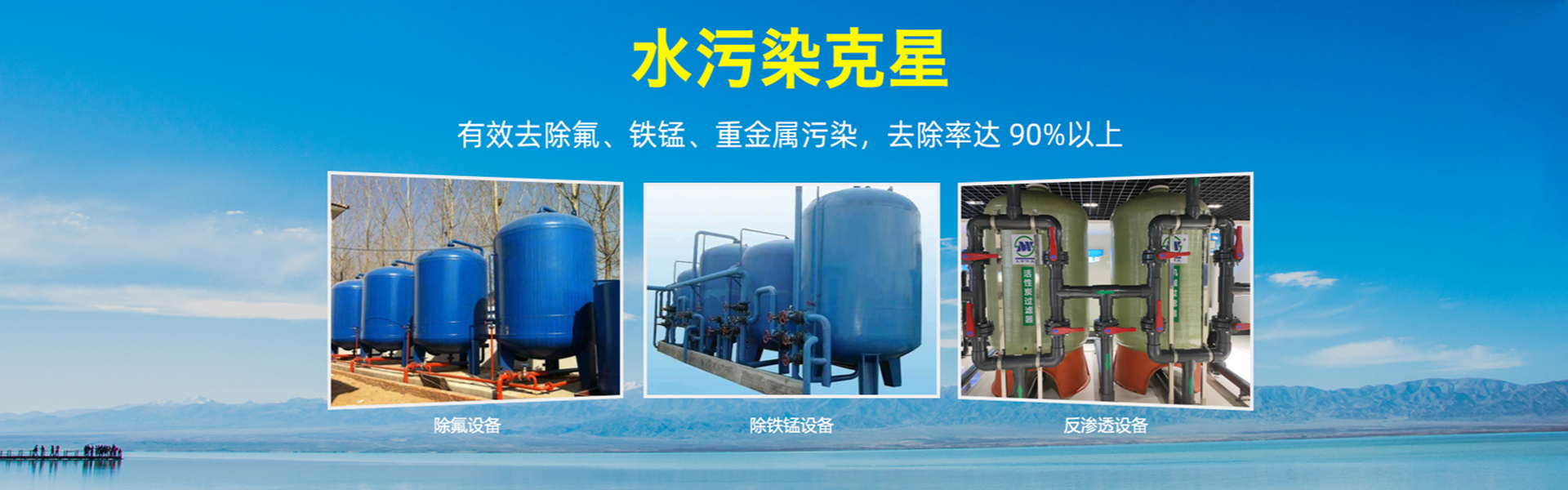
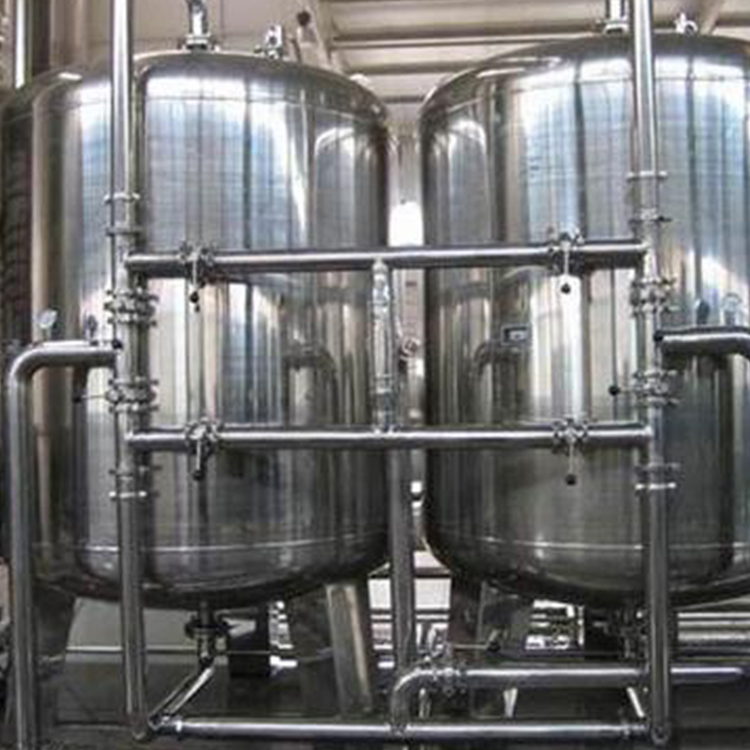 Fluoride Removal Equipment, Water Treatment Equipment
 Filter, Stainless Steel Drum
Product Details

Manufacturing, sales, and installation of gas and liquid separation and purif...
产品Price Negotiable
最小起订Quantity: 供货总Quantity:


Brand |
|
Sales Method |
Direct Sales |
Performance |
Strong |
Available Locations |
National |
Material |
Inquire with Customer Service |
Custom Processing |
Inquire with Customer Service |
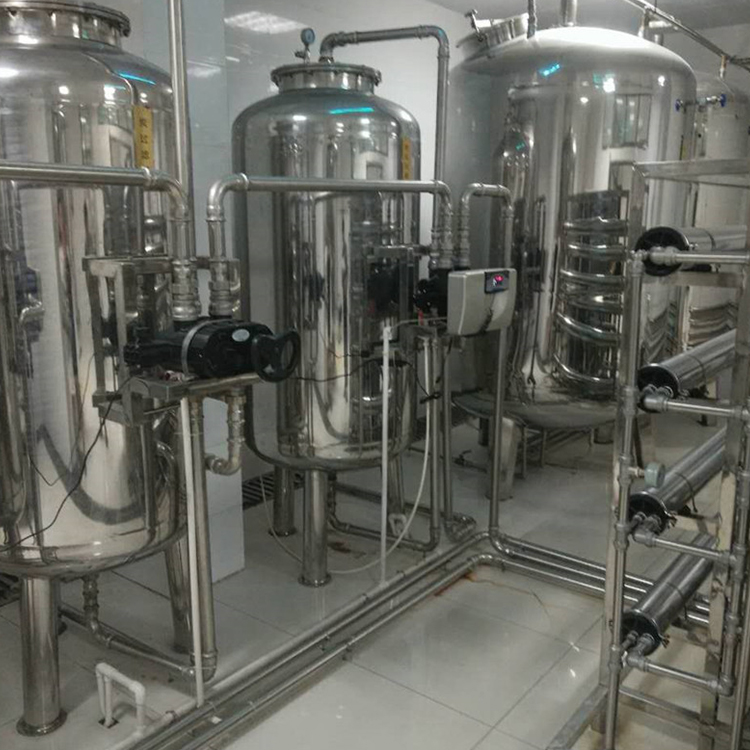
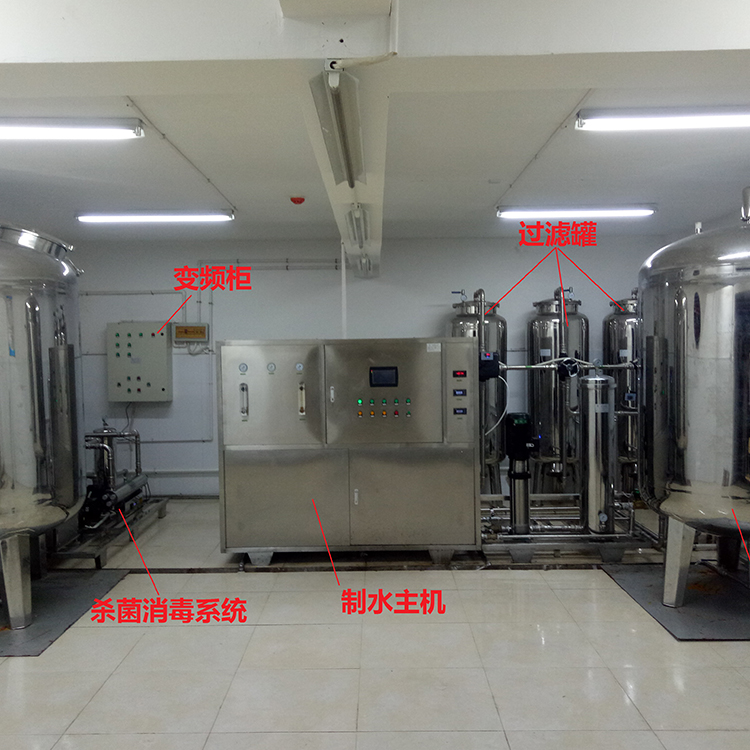
To fully ensure drinking water safety and achieve thorough removal of pollutants, it is recommended to adopt the RO (Reverse Osmosis) water treatment technology currently used in the water-related industry. Attached is the RO reverse osmosis principle diagram: 1. Introduction to Mechanical FiltersEquipped with an intelligent automatic flushing system and an automatic program controller, it eliminates the inconvenience and irregularities of manual flushing, ensuring smooth system operation; capable of removing rust, silt, colloids, and other turbid matter from water. The internal filter material is refined quartz sand, widely used in water purification for potable water, recycled water, and wastewater treatment, as well as for sediment removal from surface and groundwater. It is mainly used for turbidity removal in potable water treatment, as pre-treatment for reverse osmosis and ion exchange softening desalination systems. The main materials of the equipment are made of stainless steel, with an incoming water turbidity requirement of less than 20 NTU and an outgoing water turbidity of less than 3 NTU. 1. Precision Filter Introduction:Precision filters feature polished inner and outer surfaces, offering low cost, compact size, large filtration area, and high filtration accuracy. The filter cores are made of clean materials with high purity, strong resistance to contamination of the filtration medium, high heat resistance, and are not easily deformed. They are characterized by low price, low operating costs, ease of cleaning, prevention of reverse osmosis membrane clogging by turbidity, fast filtration speed, low clogging rate, resistance to acid and alkali corrosion, and long service life. They can remove various fine particles, colloids, metals, bacteria, residual chlorine, and other impurities from water or air. Equipped with 1um PP fiber, they further remove turbidity above 1um, extend service life, and ensure water quality. 1. RO Membrane Introduction:Reverse osmosis membranes with high and low-pressure protection devices for the entire system design, automatic flushing of the reverse osmosis membrane during startup and shutdown to extend its service life, intelligent online detection system, intelligent water quality online display reporting system, high configuration; it has changed the current low configuration, unstable operation of water quality at high standards, and difficulty in knowing water quality at any time. Removes all microorganisms (bacteria, viruses) and inorganic pollutants (heavy metal ions) that are difficult to remove by traditional methods. 1. UV Sterilizer Introduction:Ultraviolet (UV) light is a type of invisible light wave located beyond the violet end of the spectrum, hence the name "ultraviolet." It is one of the electromagnetic waves emitted by the sun and is typically divided into four categories based on wavelength. It is a special form of matter in which particles flow independently. Each UV photon with a wavelength of 253.7nm carries 4.9eV of energy. When UV light hits microorganisms, it transfers and accumulates energy, leading to the inactivation of the microorganisms and achieving disinfection. When bacteria and viruses absorb a dose of 3600 to 65,000 uW/cm², they have a powerful destructive effect on the DNA and RNA of bacteria and viruses, causing them to lose viability and reproductive ability, thereby eliminating them and achieving sterilization. UV light can cause mutations in nucleic acids, hinder replication, transcription, and protein synthesis. Additionally, it generates free radicals that can cause photoionization, leading to cell death. The sterilization principle of UV sterilizers is based on the intensity of the UV light emitted by the lamp tube, which is inversely proportional to the distance from the object being sterilized. When the intensity is constant, the longer the object stays in the light and the closer it is to the lamp tube, the better the sterilization effect; conversely, the worse the effect.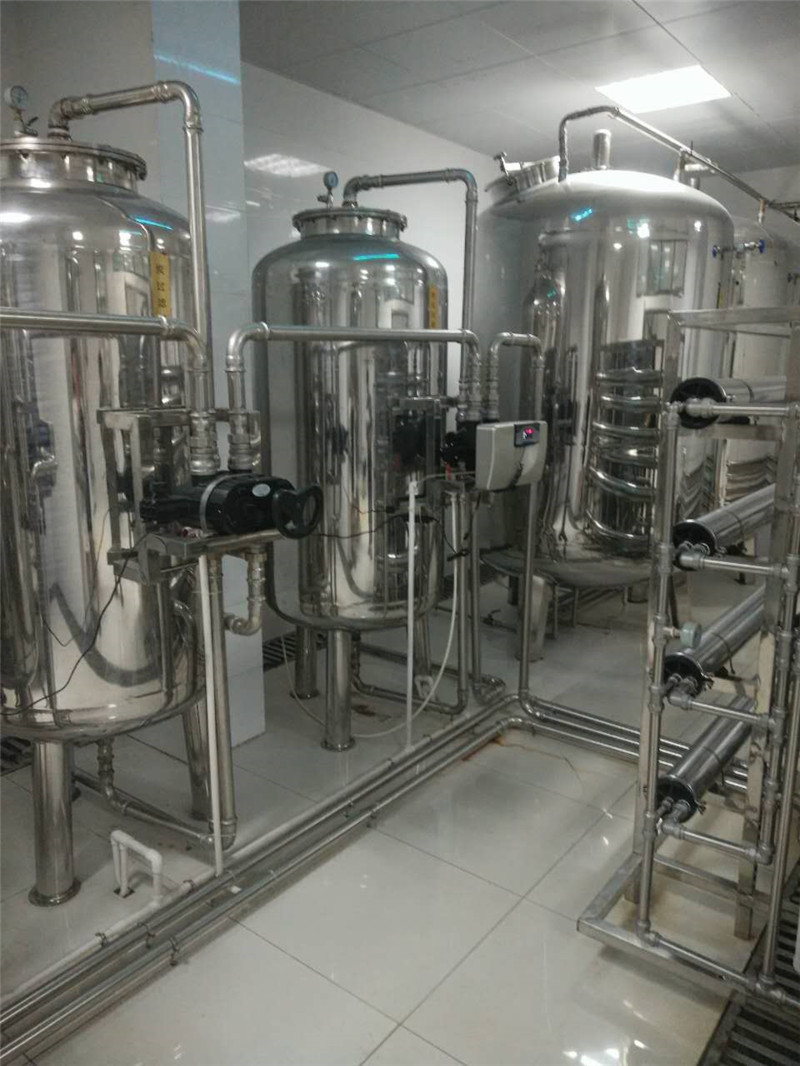 3 tons of reverse osmosis and nanofiltration equipment
The system utilizes a water treatment principle based on RO reverse osmosis technology.
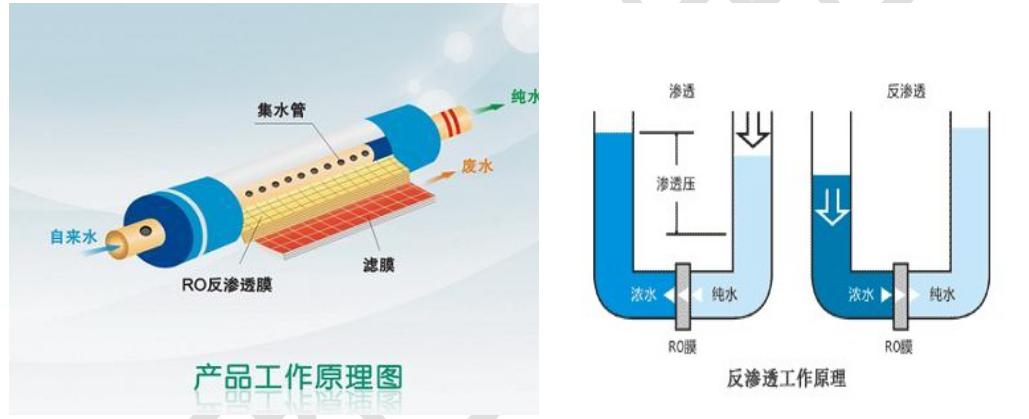
Two,Main Components Introduction:
Quartz Sand Filtration Material Description: Quartz sand is a hard, wear-resistant, and chemically stable silicate mineral, with a main mineral composition of SiO2, up to 99%. It is milky white with red or colorless translucent appearance, Mohs hardness of 7, brittle without cleavage,贝壳状 fracture, and an oily luster. It has a relative density of 2.65, and its chemical, thermal, and mechanical properties exhibit obvious anisotropy. It is insoluble in acid, slightly soluble in KOH solution, and has a melting point of 1750°C. The unique physical and chemical properties of quartz sand place it in a crucial position in the direct drinking water industry. Particularly, its inherent molecular chain structure, crystal shape, and lattice change patterns give it high-temperature resistance, low thermal expansion coefficient, high insulation, corrosion resistance, piezoelectric effect, resonance effect, and unique optical properties, which play an increasingly important role in high-tech products.
2. Activated Carbon Filter Overview:Primarily used for adsorbing free chlorine in water (adsorption rate up to 99%, with high removal rates for organic matter and color). Offers excellent filtration performance and low operating costs, removing organic matter, residual chlorine, and some heavy metal ions from water. Alters the shortcomings of short service life and high operating costs associated with the current activated carbon usage. It serves as a pretreatment device for the production of potable water in softening and desalination systems, utilizing coconut shell activated carbon as the filter material.
Coconut Shell Activated Carbon Filtration Material Description: Made from coconut shells, this activated carbon is refined and processed through steam activation, followed by screening. The product is in black granular form, featuring a developed pore structure, high adsorption capacity, strong strength, stable chemical properties, and durability. It is widely used for the deep purification of drinking and pure water. It is finely processed through a series of production techniques. The appearance is black and granular, with advantages such as well-developed pores, good adsorption properties, high strength, easy regeneration, and economic durability. Mainly used for the purification, decolorization, dechlorination, and deodorization of drinking water, pure water, and industrial wastewater; also suitable for desulfurization in the oil refining industry.
3. Softening FilterIntroduction:Equipped with an intelligent automatic dosing system, imported from the USA, with an anion resin; it removes calcium, magnesium, barium, and other multi-valent ions from water, reducing the hardness of tap water and improving water utilization by 60%. This saves one-fourth of water usage, prevents the reverse osmosis membrane from being blocked by scale, utilizes an automatic multi-way valve for the softening unit, and operates the salt absorption and regeneration process automatically. It can also adjust the regeneration time based on the water hardness, ensuring the output water hardness meets the main unit requirements, extending the main unit's lifespan, reducing salt consumption, and lowering operating costs.
Strong acidSodium Cation Resin Description:Resins contain a large number of strong acidic groups that readily dissociate into H+ in solution, thus exhibiting strong acidity. After dissociation, the negative groups within the resin, such as SO3-, can adsorb and bind with other cations in the solution. In practical applications, the exchange capacity of ion exchange resins includes the adsorption capacity, but the latter's proportion varies due to differences in resin structure.
Resin Pellet Size: Ion exchange resins are typically produced in small, bead-like granules. Finer resin granules have a higher reaction rate, but they also pose greater resistance to fluid flow, requiring higher operating pressures; this is especially true for thick syrup liquids with high viscosity, where the impact is more pronounced. Therefore, the size of the resin granules should be selected appropriately. If the resin particle size is below 0.2mm (approximately 70 mesh), it will significantly increase the resistance to fluid flow, reducing flow rate and production capacity.
Section 3: Introduction to Precision Filtration Systems
2、Introduction to PP Fiber Filter MediaPP filter cores are made by thermoplastic extrusion of polypropylene (PP), with micron ratings ranging from 1um to 300um. These cores feature an inside dense and outside sparse design without an internal shaft, ensuring stable flow, pressure difference, and service life, as well as excellent deep filtration performance and contaminant accumulation. They are low-pressure differential, long-lasting, and widely applicable filter cores. Due to the clean chemical composition of PP and compliance with food safety standards, they do not cause secondary pollution to the filtered liquid, offering features such as high flow rate, high precision, corrosion resistance, and high pressure resistance.
IV. Direct Drinking Water Treatment System Configuration Instructions:
2. Brief Introduction to SuperchargerUtilizing a lightweight vertical multi-stage centrifugal pump with maintenance-free mechanical seals. The pump's flow parts are made of stainless steel, featuring low noise, resistance to slight corrosion, attractive appearance, compact size, light weight, and long service life. The motor is a fully enclosed, air-cooled two-pole motor.
3. Introduction to Intelligent Digital Conductivity Meters:The conductivity meter is a laboratory instrument for measuring conductivity. In addition to determining the conductivity of general liquids, it also meets the requirements for measuring the conductivity of ultra-pure water. The instrument features a 0-10mV signal output and can be connected to an automatic electronic potentiometer for continuous recording. The conductivity meter is an essential testing equipment for drinking water plants to obtain QS and HACCP certifications.
Conductivity is a numerical representation of a solution's ability to conduct electricity. The electrical conductivity of water is related to the amount of inorganic acids, bases, and salts it contains. When their concentrations are low, conductivity increases with concentration. Therefore, this indicator is often used to estimate the total ion concentration or salt content in water. The range switching and constant calibration can be freely set and adjusted through the operational components on the back panel; it operates stably, measures accurately; features automatic temperature compensation; and is maintenance-free, making it the ideal matching instrument for various small-scale pure water equipment.
V. Sterilization System Configuration Description:
2、SterileTank Introduction:Manufactured from SUS304 stainless steel sheet, joints are welded using high-frequency resistance seam welding, ensuring resistance to rust and leakage; features a fully enclosed structure, effectively preventing debris and insects from entering, with excellent environmental protection benefits; easy to clean, equipped with a drainage system, free from mold, sandworms, and algae, and never rusts. Corrosion-resistant, durable, cost-effective, with a lifespan of over 30 years. Offers a complete range of specifications and can be customized to meet customer requirements.
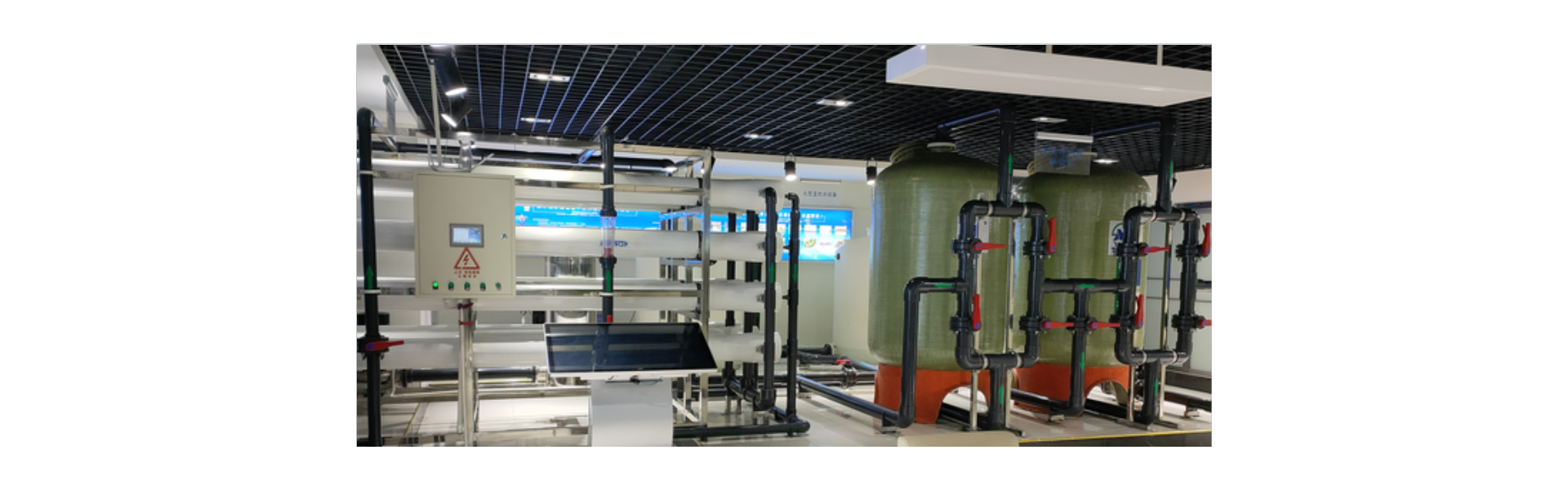
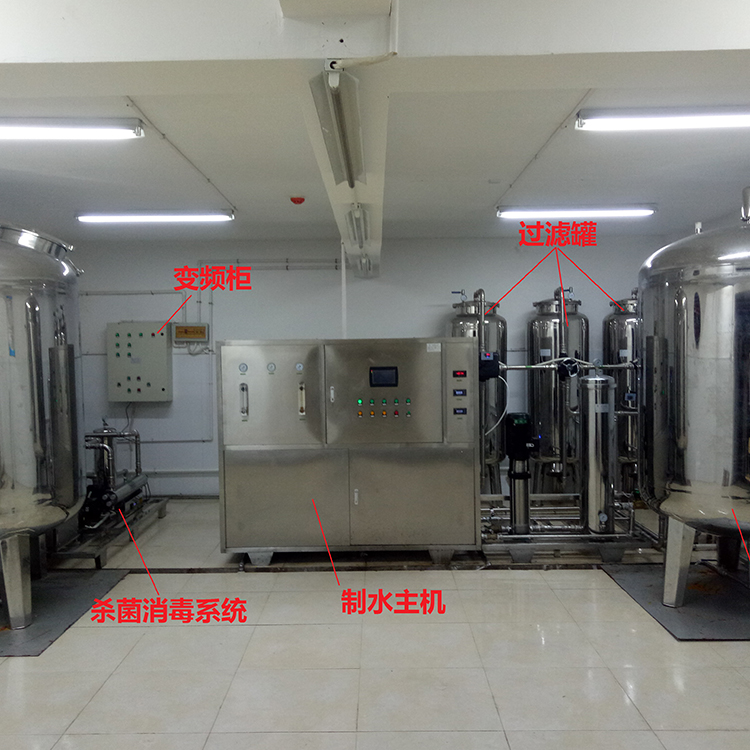
Equipment display image

Phone Consultation