




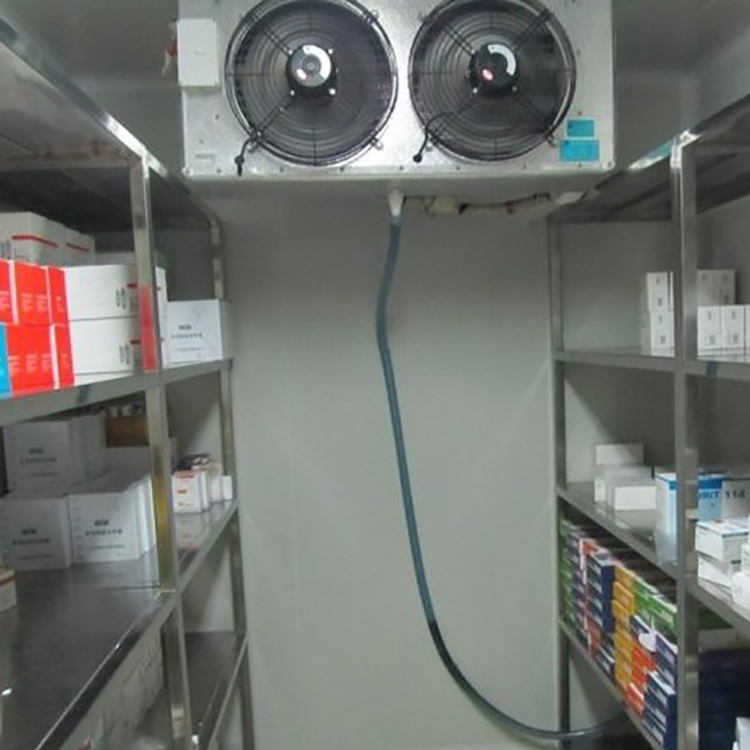
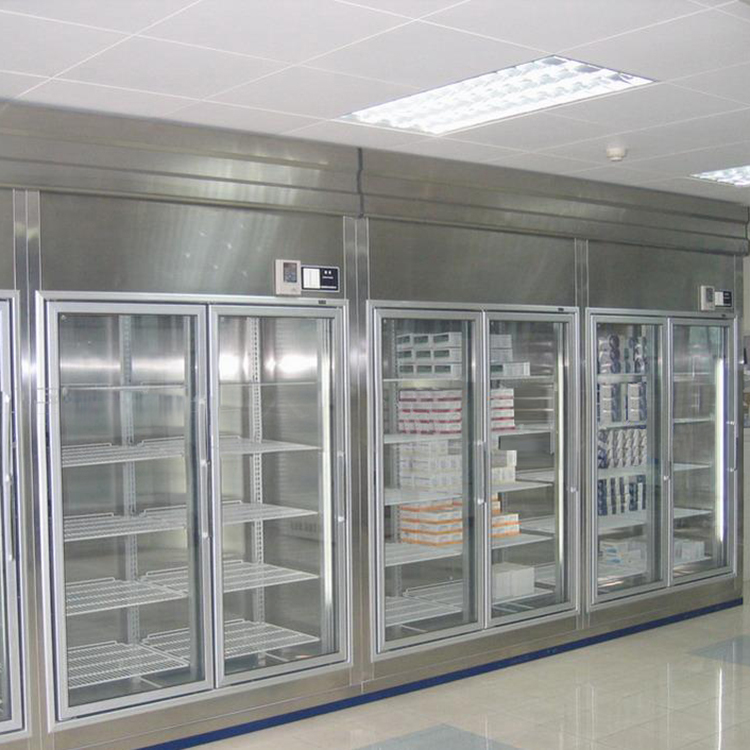
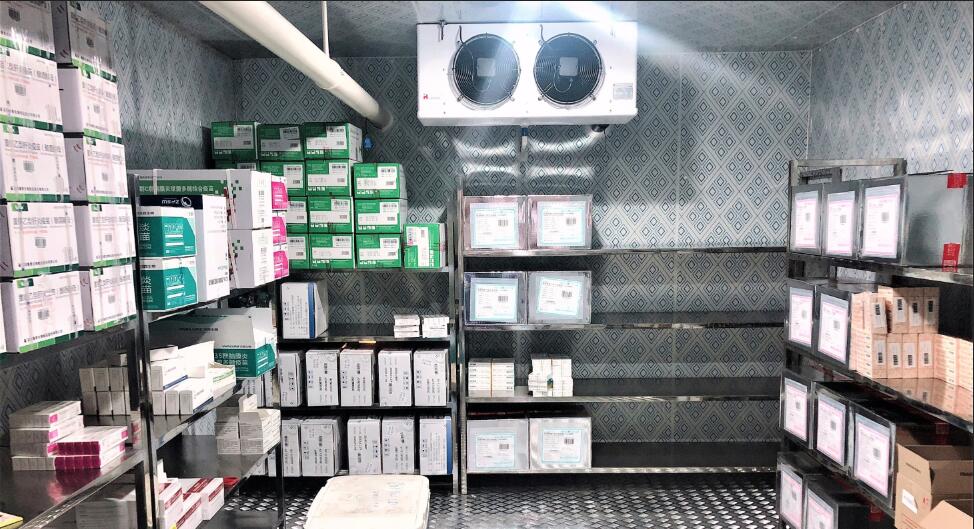
Medical vaccine cold storage is primarily used for the refrigerated storage of various medical products, biological preparations, blood products, etc., which cannot maintain quality at room temperature. It preserves the stored items from deterioration and expiration under low-temperature refrigeration conditions, extending their shelf life and lifespan. The storage temperature is determined based on the requirements of the items.
Vaccine Refrigerator: 0℃~8℃ storage for most vaccines and pharmaceuticals.
Pharmaceutical Cold Storage: 2℃~8℃ for storing medications and biological products, etc.
Blood Product Cold Storage: 2℃~6℃ suitable for storing blood, pharmaceutical biological products, etc.
Low-temperature storage: -20℃ to -30℃ for preserving plasma, biological materials, vaccines, reagents, etc.
Ultra-low temperature storage: -30℃ to -80℃ for storing placenta, semen, stem cells, plasma, bone marrow, biological samples, etc.
Medical vaccine cold storage facilities are typically constructed at pharmaceutical production plants, biotech companies, research institutes, blood centers, etc., with convenient transportation access, reliable water and power supply, and drainage conditions; they should be located on elevated terrain with good engineering geological conditions; comply with local overall planning and require approval from local authorities; possess good sanitation conditions, and must be located away from and far from harmful gases, dust, smoke, particulates, and other polluted areas. Power requirements: 220V/380V; Drainage requirements: The drainage within the storage area usually separates wastewater and rainwater systems, with rainwater generally discharged directly through open ground ditches; wastewater must be treated before discharge to prevent sedimentation.
To ensure the quality and reliability of medical supplies, vaccines, and blood products, and prevent incidents of failure or misclassification that could lead to medical or even life-threatening health accidents, medical vaccine cold storage facilities must meet requirements such as dual-machinery setup with one in reserve, redundant power supply, full control over temperature and humidity, and traceability of historical data records. This is to safeguard life, and there is no room for any error.
Choose thermal insulation materials for medical vaccine cold storage: Polyurethane foam boards can be used, with thicknesses determined according to usage requirements. It is recommended to use double-sided stainless steel sandwich panels for the cold storage panels, as they are hygienic, rust-proof, corrosion-resistant, easy to clean, and durable.
