
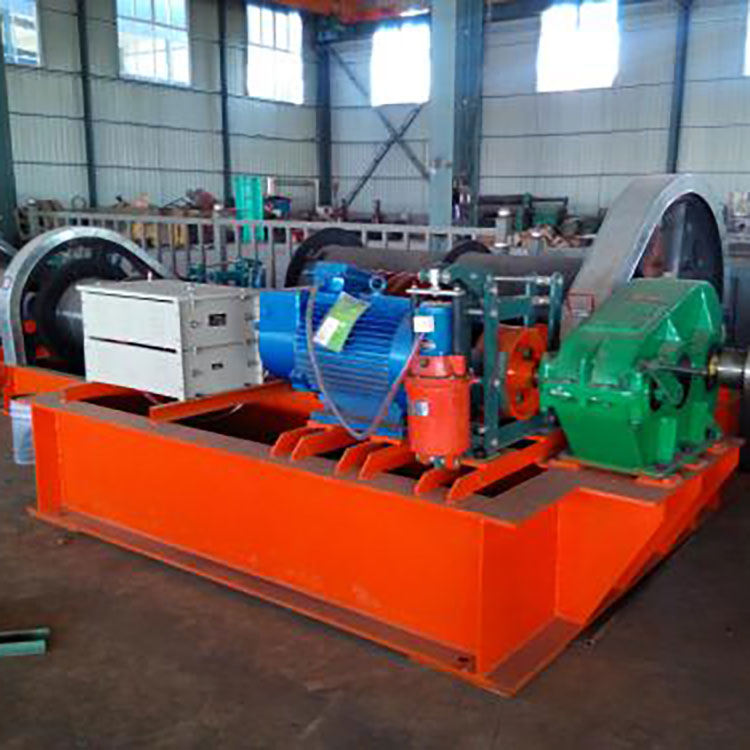
 Trolley-type Hoist Closure Machine - Ruixin Hydropower Machinery - Factory Direct Price, Discount, Installation and Commissioning Provided
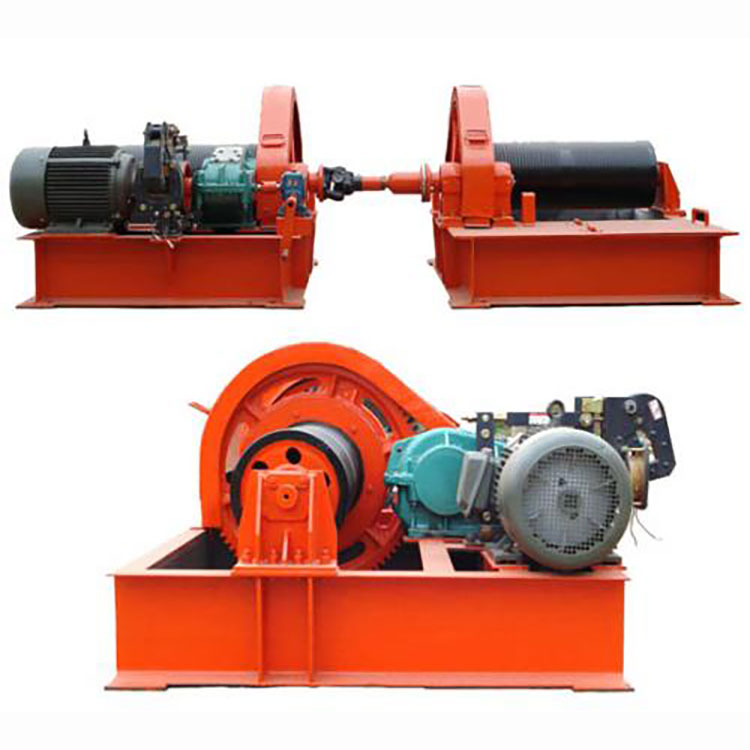 Double Hoist Winch - Ruisen Hydropower Machinery - Factory Direct Price, Discount, Installation and Commissioning Provided
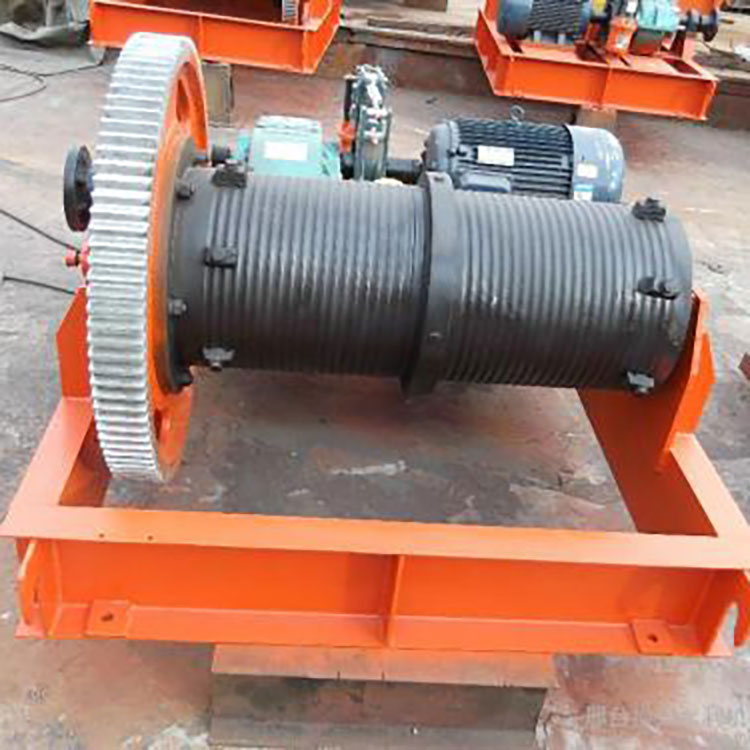 Manual Winch - Ruixin Hydropower Machinery - Manufacturer Direct, Competitive Prices, Installation and Commissioning Provided
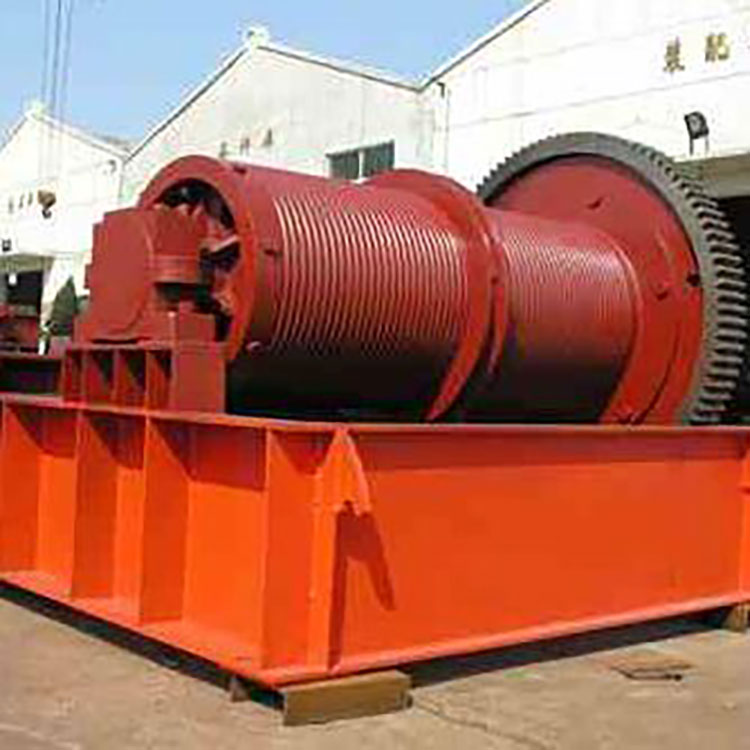 Rapid Hoist Shutters - Ruixin Hydropower Machinery - Manufacturer Direct, Competitive Prices, Installation and Commissioning Included
Product Details

Gate operators, sluice gates, winches, silt screens, cleaning machines, rubbe...


产品Price Negotiable
最小起订Quantity:1 Tai 供货总Quantity: 999 Tai


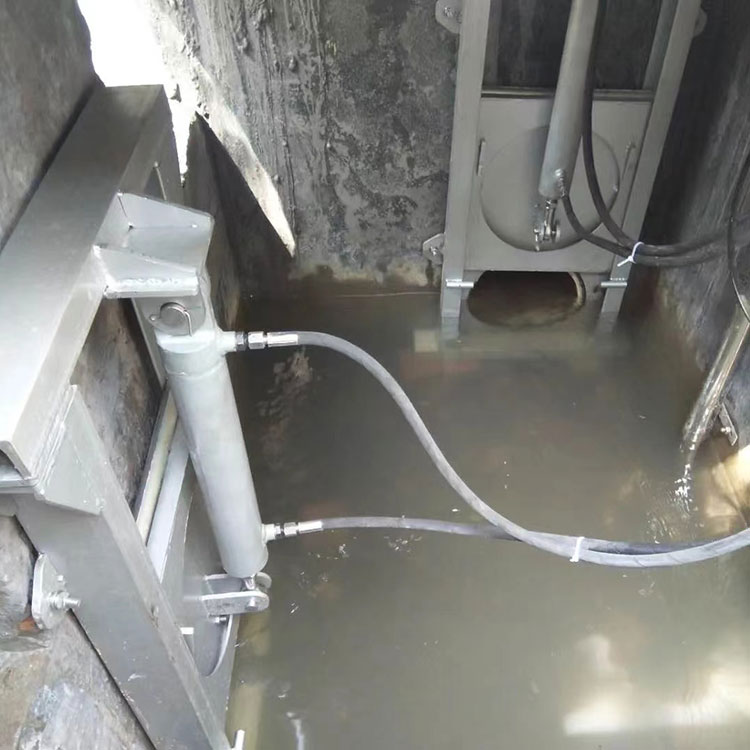 Rainwater and Sewage Diversion Separator - Ruisen Hydropower Machinery - Manufacturer Direct, Competitive Prices, Installation and Commissioning Included
Negotiable
Rainwater and Sewage Diversion Separator - Ruisen Hydropower Machinery - Manufacturer Direct, Competitive Prices, Installation and Commissioning Included
Negotiable
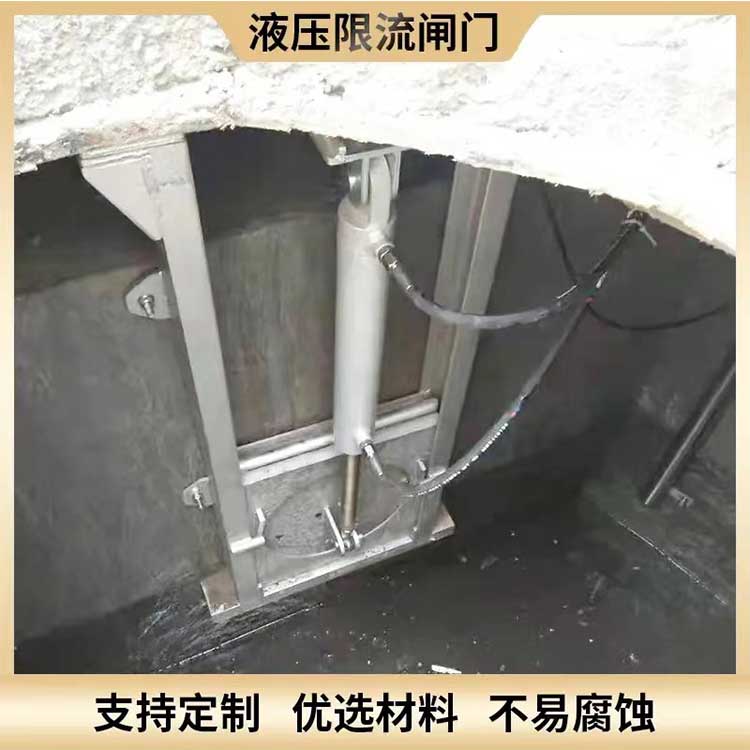 Hydraulic Sluice Gate - Ruisen Hydropower Machinery - Manufacturer Direct, Competitive Pricing, Installation and Commissioning Included
Negotiable
Hydraulic Sluice Gate - Ruisen Hydropower Machinery - Manufacturer Direct, Competitive Pricing, Installation and Commissioning Included
Negotiable
 Steel/Cast Iron Gate Valves - Ruisen Hydromechanical - Manufacturer Direct, Competitive Pricing, Installation and Commissioning Provided
Negotiable
Steel/Cast Iron Gate Valves - Ruisen Hydromechanical - Manufacturer Direct, Competitive Pricing, Installation and Commissioning Provided
Negotiable
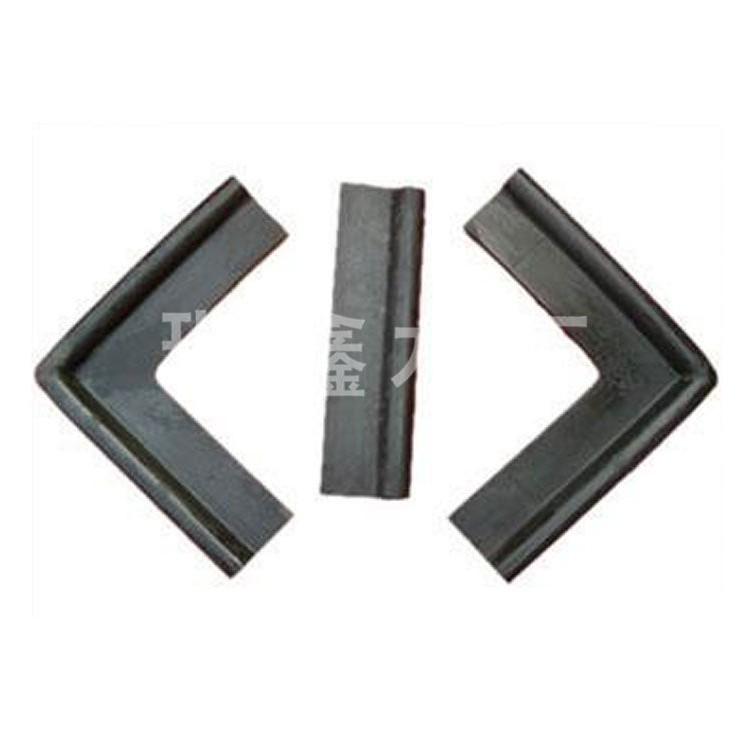
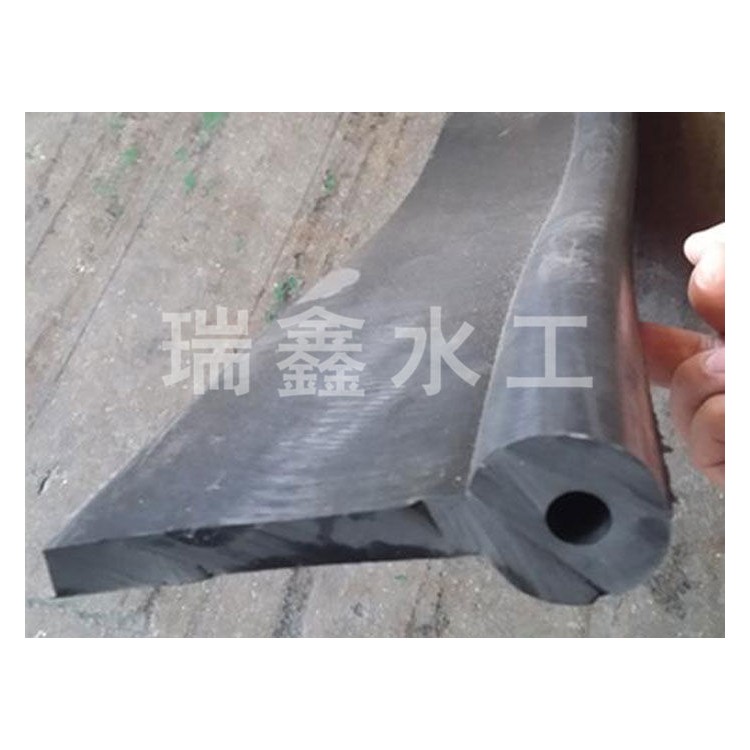
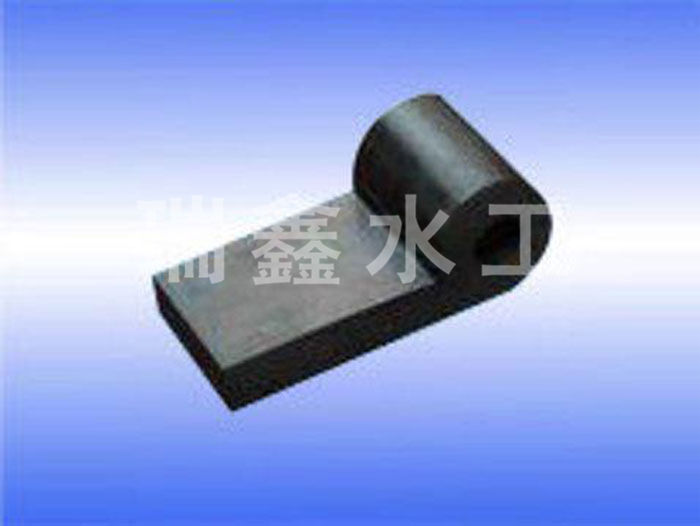
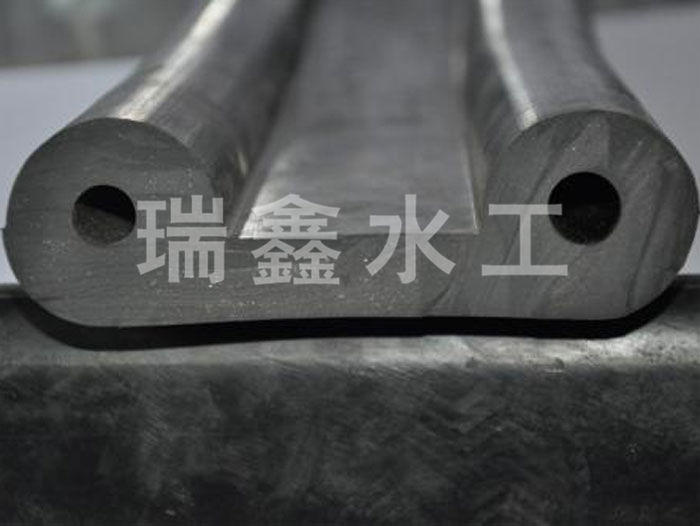
Rubber waterstops and waterstop rubbers are primarily made from natural rubber and various synthetic rubbers, mixed with various additives and fillers. After plasticization, blending, and molding, they come in a variety of types and specifications, including bridge type, mountain type, P-type, U-type, Z-type, Y-type, T-type, H-type, E-type, and Q-type. Instructions Rubber waterstop must be securely fastened during the process of tying rebar and formwork to prevent displacement during concrete pouring and ensure the correct positioning of the waterstop within the concrete. Punch holes only at the permitted locations on the waterstop for installation purposes. Do not damage the effective waterproof areas of the waterstop. Common fixed methods include: using additional steel bars for fixation; specialized clamps for fixation; using wire and molds for fixation, etc. Regardless of the chosen method of fixation, the method for fixing the waterstop should be carried out according to the construction specifications required by the design and must ensure accurate positioning of the waterstop, without damaging the effective waterproof parts of the waterstop, and facilitate the concrete pouring process. Application Scope Rubber waterstop belts are primarily used in the construction of concrete structures, such as in construction joints and deformation joints, where they integrate with the concrete to form the foundation for projects like underground facilities, tunnels, water conveyance aqueducts, retaining dams, and liquid storage structures.



Phone Consultation
QQ Service