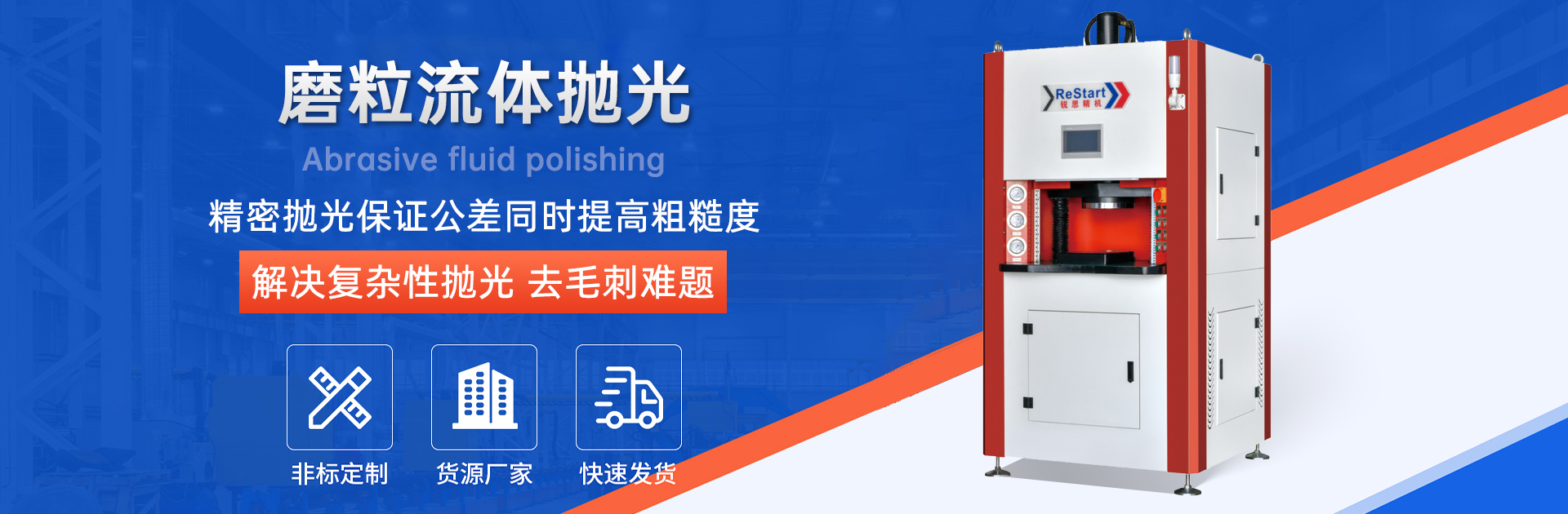
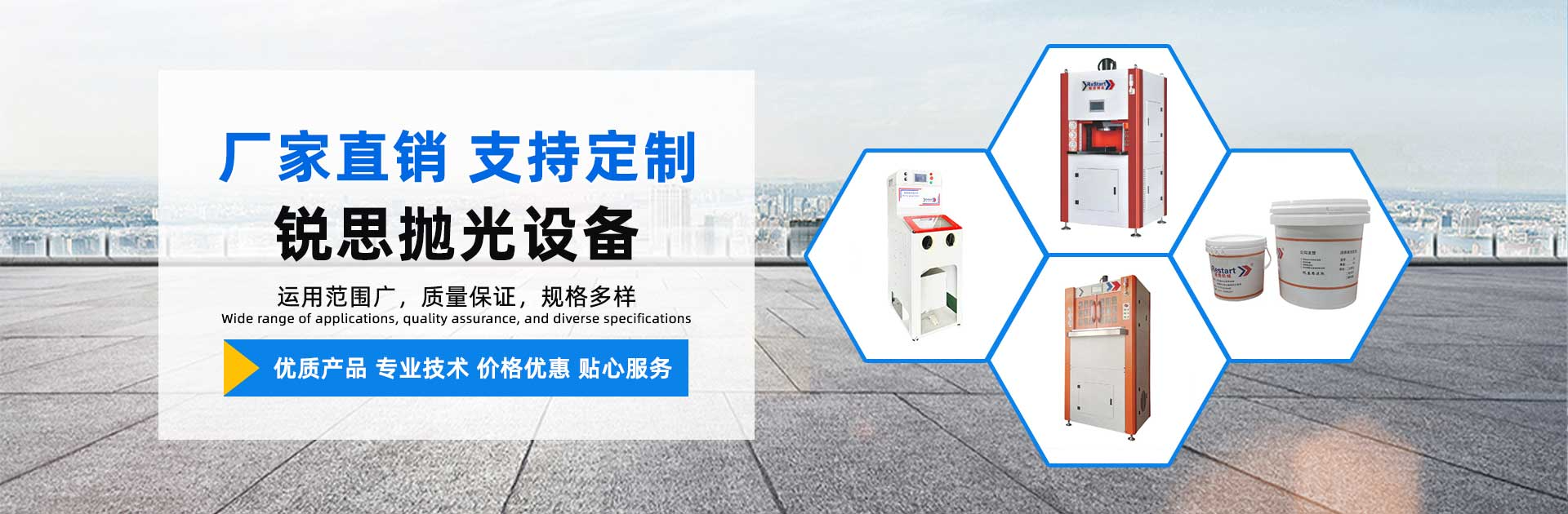
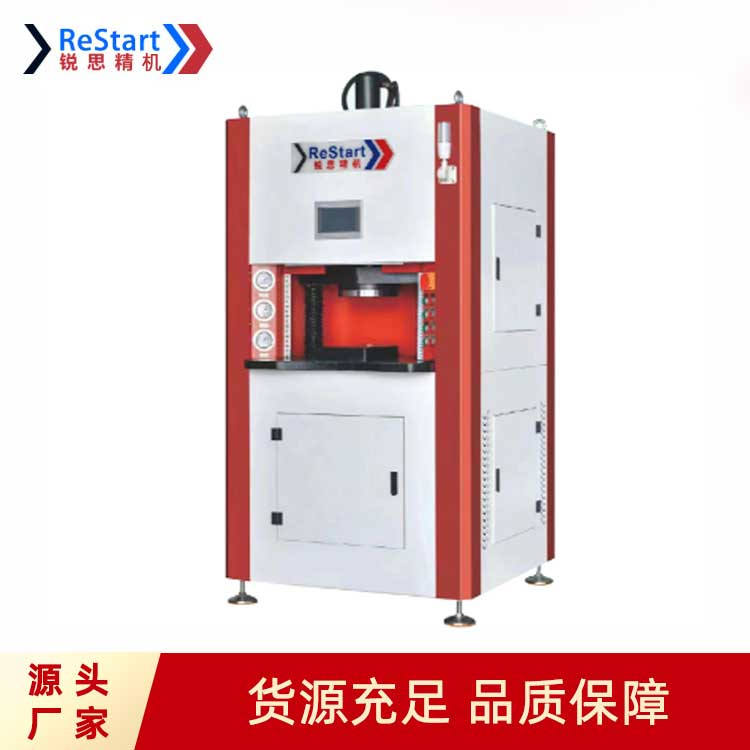
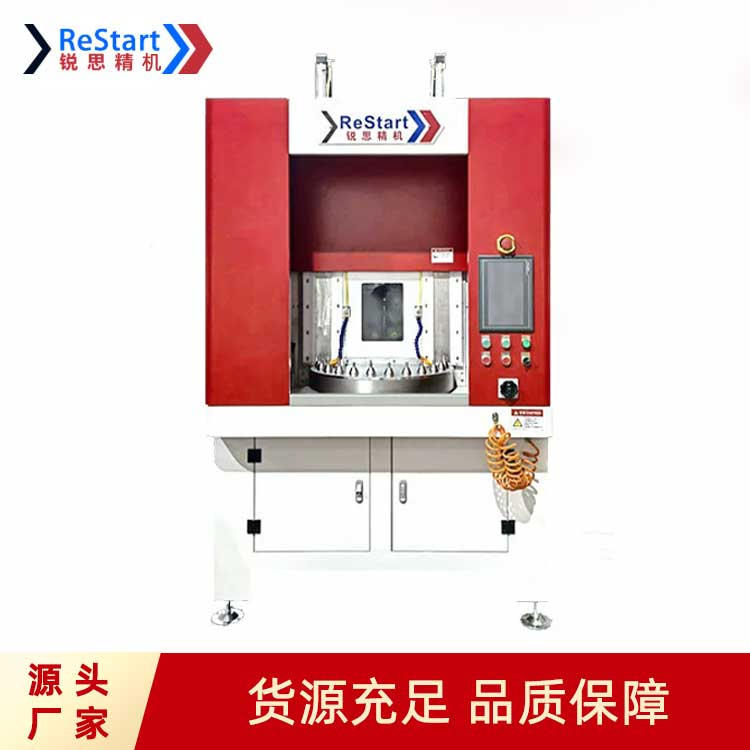
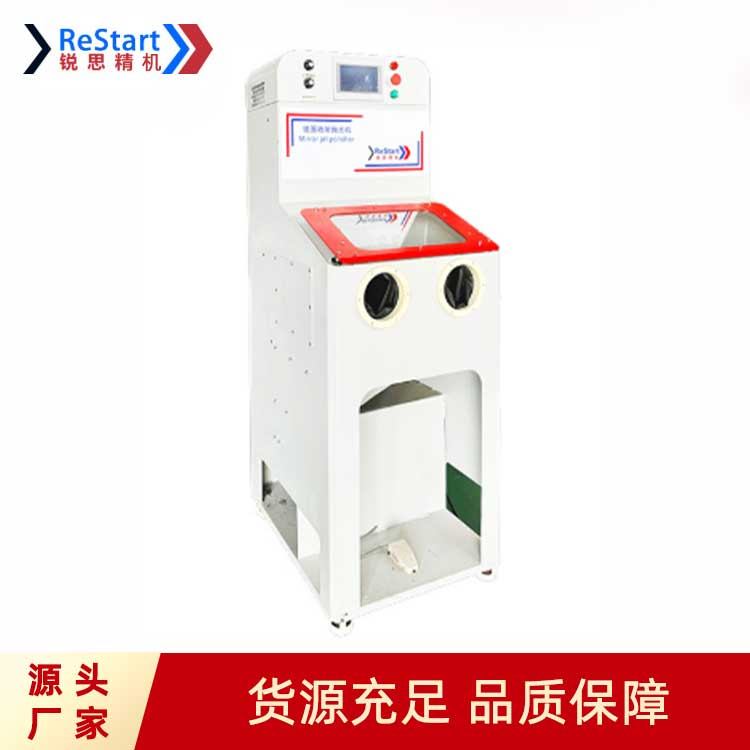
Fluid Polishing Machines, Blade Passivation Machines, Abr...

In the precision manufacturing sector, the polishing of the inner holes in slender long tubes (diameter 0.5-5mm, length-to-diameter ratio >10:1) has long been recognized as a challenging task in the industry. Whether it's for medical minimally invasive instruments, aerospace fuel pipelines, or 3D printed contour channels, traditional polishing techniques often struggle to balance efficiency, precision, and adaptability to complex structures. The emergence of Abrasive Flow Machining (AFM) technology, however, is revolutionizing this field with its "fluid brute-force aesthetics," becoming the ultimate weapon to tackle the pain point of polishing the inner holes of ultra-thin long tubes.
Data Blast:
Super-fine long tube polishing accounts for 40%-60% of the total product cost.
→ More than 500 medical device recalls occur globally each year due to internal bore polishing defects.
Abrasive flow polishing utilizes high pressure (50-300 MPa) to drive viscoelastic abrasive media (typically silicon carbide/diamond particles + polymer carrier) to form turbulent movement within the tube cavity. The abrasive particles strike the tube wall at a frequency of thousands of times per second, achieving three key effects:
Core Parameters Comparison (Example: 1mm ID × 100mm Length Tube)
Standard abrasive flow polishing particles with Ra roughness 1.6-3.2 μm, 0.05-0.2 μm; processing time: 6-8 hours per piece, 1-3 minutes per piece; structural limitations: straight pipes, bending, porous, mesh walls; wall thickness sensitivity: easily deformable; processable thin walls up to 0.1 mm.
A domestic heart stent manufacturer is utilizing medical-grade alumina abrasive, reducing the Ra value of the inner wall of vascular catheters from 1.2μm to 0.03μm (exceeding the FDA standard by 30%). Endoscope inspections show:
Blood turbulence reduction by 98% due to burr removal
Reduced support conveyor resistance by 75%.
Product defect rate plummeted from 12% to 0.3%.
Achieving 3-meter-long fuel tube (2mm inner diameter) for SpaceX Starship with the abrasive flow technology.
→ Roughness Ra < 0.1μm, Fuel flow fluctuation reduced by 90%
Zero hydrogen脆 risk, passes -196°C liquid nitrogen impact test
Processing efficiency increased 50-fold, with the cost of a single tube dropping from $800 to $15.
A new energy vehicle company has 3D printed a titanium alloy battery cooling tube with a serpentine multi-bend structure, which has been polished with an abrasive flow.
Dead zone Ra value reduced from 2.1μm to 0.15μm
Cooling hydraulic drop reduced by 40%, heat dissipation efficiency improved by 300%.
Polishing costs are just 1/7 of electrolytic polishing.
Polishing the 5G fiber optic connector bores (diameter 0.25mm) with nano diamond abrasive material achieves:
Ra value of 0.008μm, optical signal insertion loss reduced from 0.5dB to 0.02dB
Polishing consistency (CPK > 2.0) exceeds industry standards significantly.
→ Single-machine daily output exceeds 100,000 pieces, supporting the explosive demand for global 5G base stations
As precision manufacturing accelerates towards miniaturization and complexity, the abrasive flow technology is shifting from "replacing traditional processes" to defining new standards:
Industry Forecast:
The global market size for abrasive flow finishing equipment is expected to exceed $5 billion by 2025.
The market share of slender tube polishing is expected to rise from the current 15% to 60%.
The abrasive flow polishing technology is rewriting the industry's iron law of "the smaller, the harder to machine." From nanometer-level smoothness in blood vessels to zero hydrogen embrittlement assurance in rocket fuel tubes, this technology not only solves the manufacturing challenge of "the last micrometer," but also ushers in a new era of performance leap for complex internal cavity structures. As the abrasive fluid surges within the tube, we see not just the mirror-like reflection on the metal surface, but the beacon of the future where precision manufacturing moves towards atomic-level control.


b2b.china9.net © Zhongshang 114 Hebei Network Technology Co., Ltd.Address: Room 6009, Oriental New World Center, No.118 East Zhongshan Road, Qiaoxi District, Shijiazhuang City, Hebei ProvincePlatform Service Hotline: 4006299930