
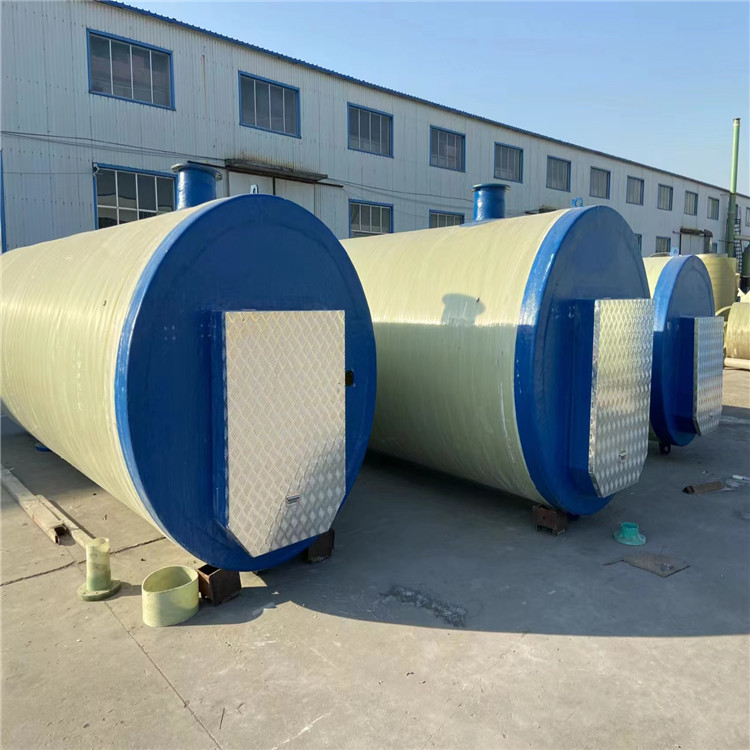
 Wastewater Lift Station
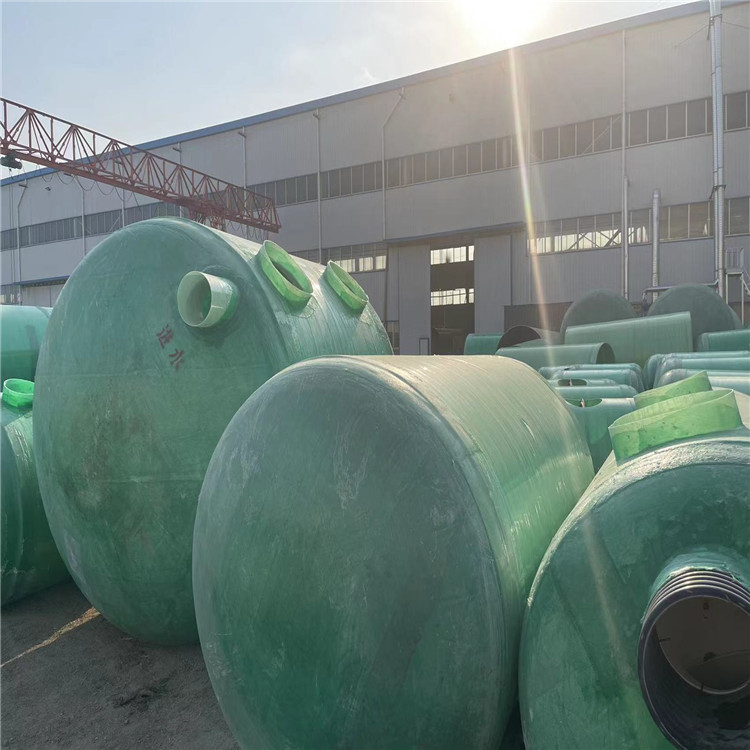 Subsurface Integrated Rural Domestic Wastewater Treatment Equipment
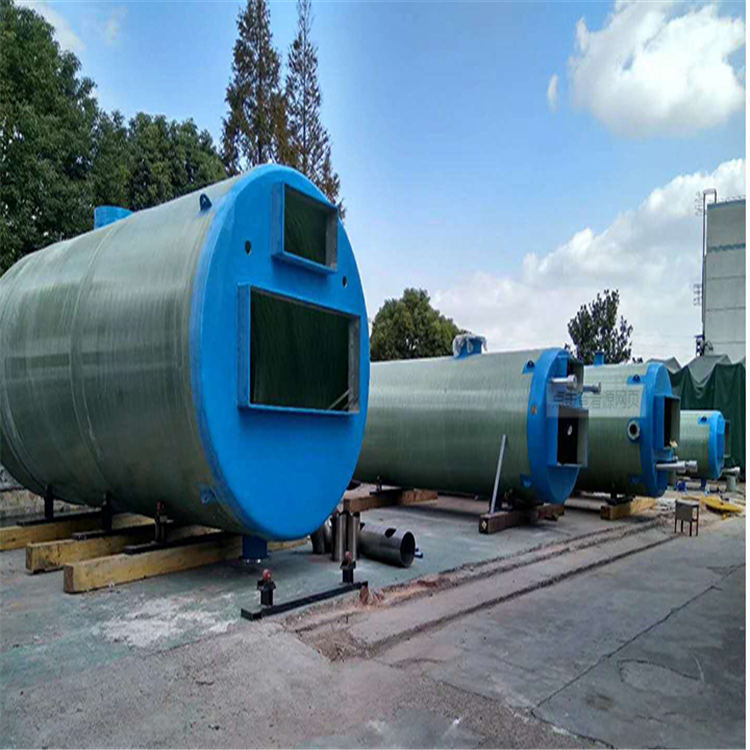 Integrated Pump Station
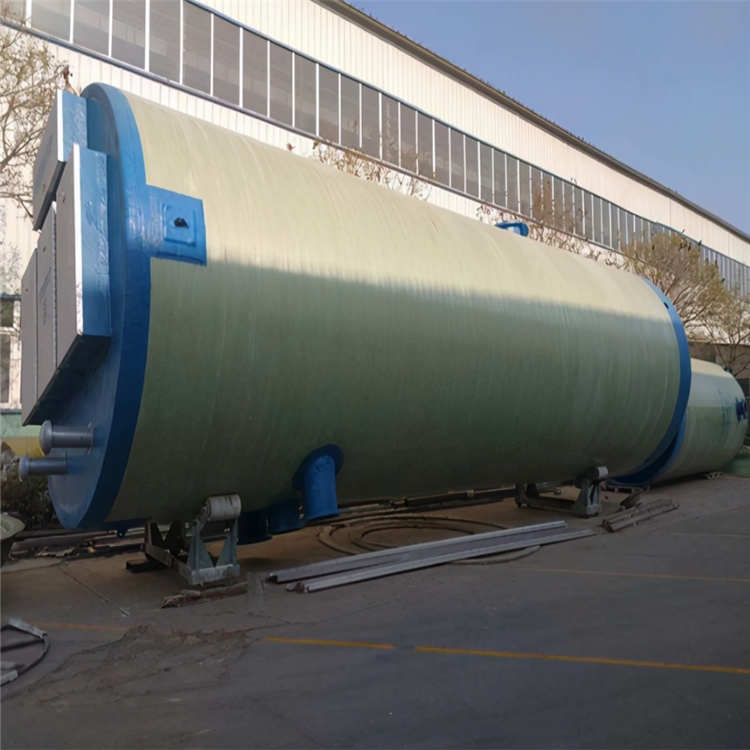 Integrated Wastewater Pumping Station
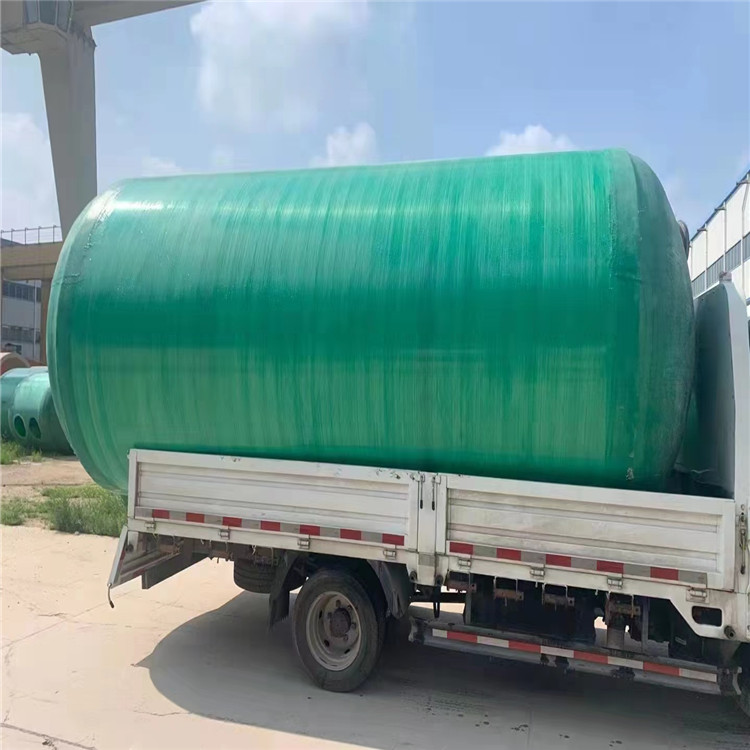 Fiberglass Wastewater Treatment Equipment
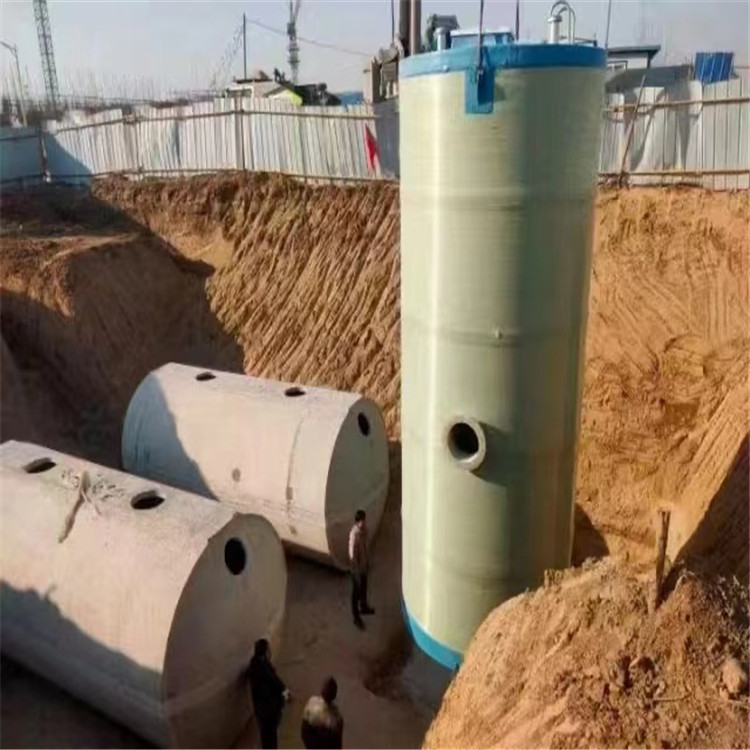 Integrated Wastewater Pumping Station
Product Details


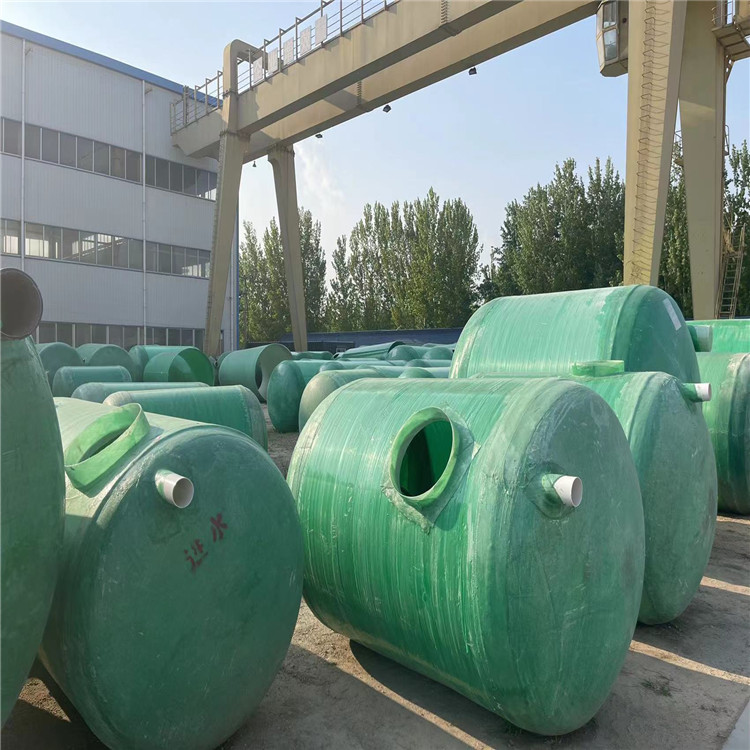

产品Price 22000.00/Cubic
最小起订Quantity:1 Cubic 供货总Quantity: 10000 Cubic


Brand |
|
Material |
Fiberglass |
Specs |
100 |
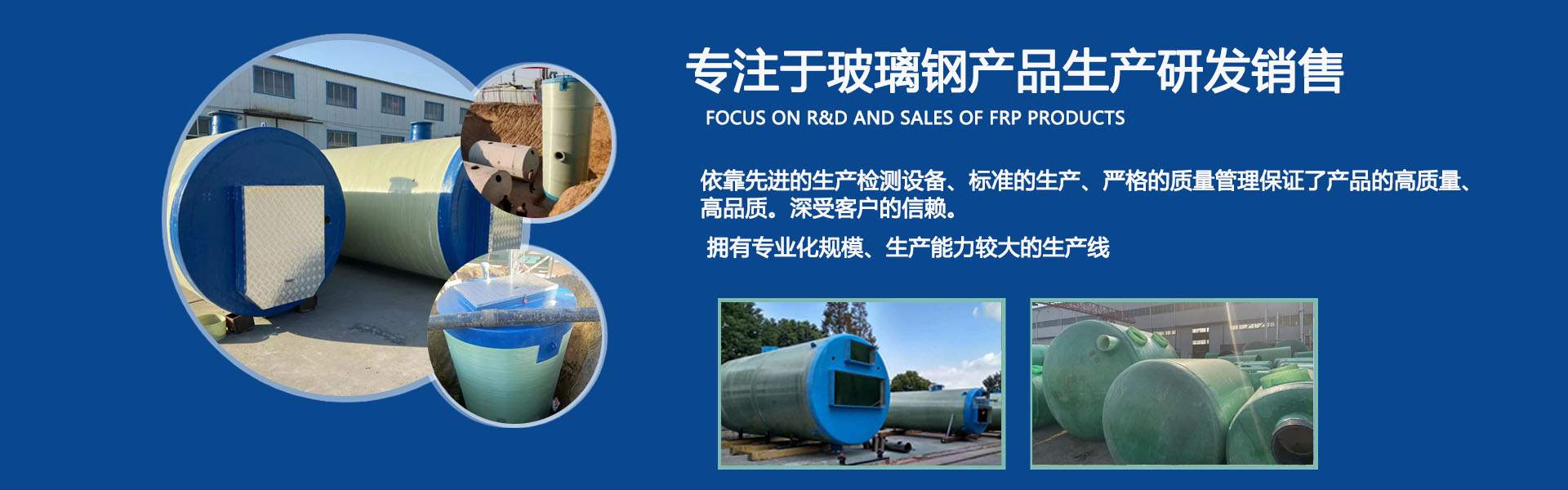
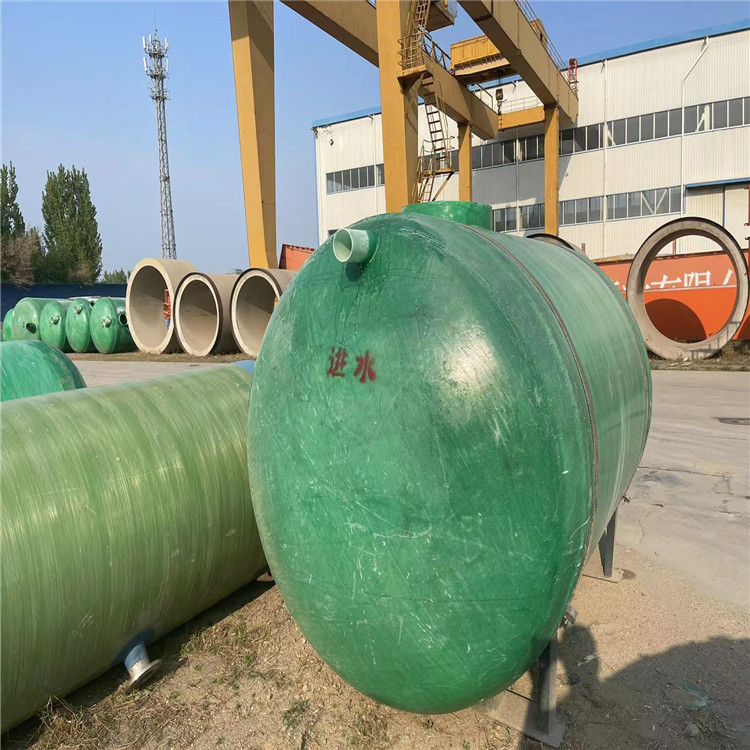
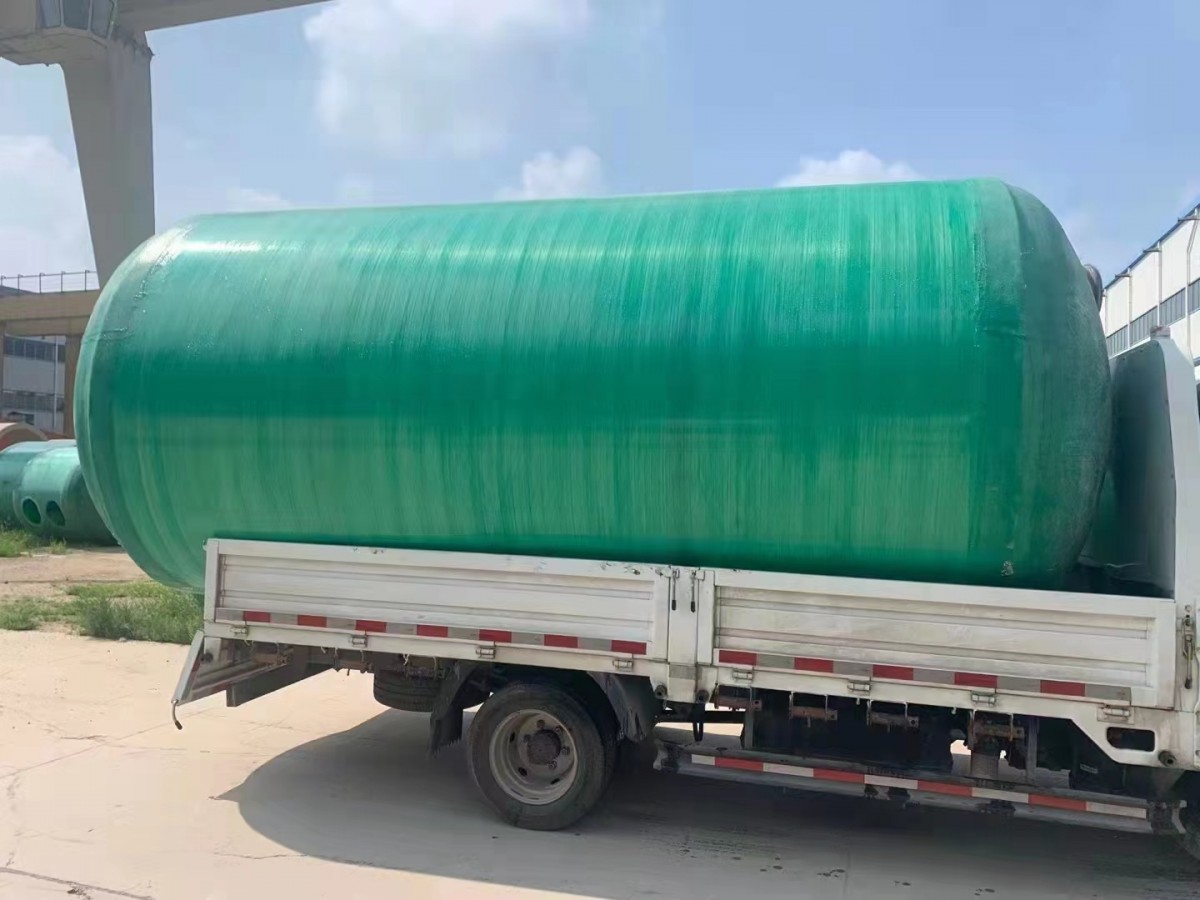
Glass-fiber reinforced plastic septic tanks are specialized equipment made from a synthetic resin matrix and glass fiber reinforcement materials, designed for the treatment of domestic wastewater. Its lightweight, high strength, excellent toughness, corrosion resistance, vibrant colors, and mirror-like luster. Fiberglass septic tanks are specialized equipment made from a synthetic resin matrix and reinforced with glass fiber materials, designed for the treatment of domestic wastewater. These tanks are actively promoted by the state as composite material products, offering advantages such as lightweight, high strength, good toughness, corrosion resistance, vibrant colors, and a glossy finish that resembles a mirror. They have far surpassed similar products made from ceramics, rigid plastics, and steel, and are widely used in industries such as chemicals, petrochemicals, construction, textiles, aviation, marine, transportation, electricity, metallurgy, machinery, food, papermaking, and environmental protection. Fiberglass septic tanks are also used in industrial living quarters and residential communities for the purification and treatment of domestic wastewater. They temporarily store excrement, allowing for initial decomposition within the tank to reduce the solid content in the discharged wastewater. 1. Backfilling must meet construction specifications, allowing for the construction of cleaning wells (inspection wells) on the pool. There are two types of cleaning wells: brick-lined wells and prefabricated reinforced concrete wells assembled in sections. 2. To prevent leakage in brick-lined manholes, it is required to apply a waterproof mortar coating on the inner and outer walls of the manhole, 20mm thick (1:2 waterproof mortar, with 5% of the waterproofing agent by weight of the cement), and angle beads to be coated at a 45-degree slope, 50mm thick. When groundwater is present, apply two layers of hot asphalt (or other waterproof coating) to the outer wall of the manhole, and then cover with soil to the ground level specifications. Advantages One: Cost-effective: The fiberglass septic tank is produced through factory, mechanized, mass production, and integrated molding processes, utilizing new technology and materials. It features a small volume with a large effective capacity. Two, the integrated glass fiber septic tank design is lightweight and high-strength, with quick and convenient installation. Section 3: The land-saving glass fiber reinforced plastic septic tank saves excavation area. Four, fiberglass septic tanks have excellent sealing performance, effectively handling feces with anaerobic decomposition efficiency twice that of traditional septic tanks. Five, the environmentally friendly glass fiber reinforced plastic septic tank is produced in one piece, featuring excellent sealing performance with no leakage or contamination of surface water. It does not corrode the surrounding plants, flowers, trees, or electrical cables. The tank employs high-level siphon drainage for multiple sedimentation and purification processes. Six. Durable glass fiber reinforced plastic septic tanks are made with new material glass fiber, resistant to aging and acidic/alkaline substances, with a lifespan of over 50 years. Seven: High-pressure-resistant fiberglass septic tanks with international 50 steel resin sealing, cylindrical in shape, offer several times the compressive strength compared to polygonal or square designs. Section 8: The glass-fiber septic tanks with no post-maintenance and long slag removal cycle are buried underground, require no power, and no maintenance or management is needed thereafter. Once the glass-fiber reinforced concrete septic tank is in place, backfilling should be done, ensuring the lower part of the tank is filled with sand and soil (height should not be less than half the diameter of the tank). It is strictly forbidden to use construction waste as backfill material. Stones in the backfill soil should be removed, and the soil should be compacted layer by layer, with each layer compacted to a thickness of 30mm. It is recommended to use manual compaction. Avoid local violent impacts during backfilling (such as with air compactors), and ensure the backfill soil around the tank is dense and compact.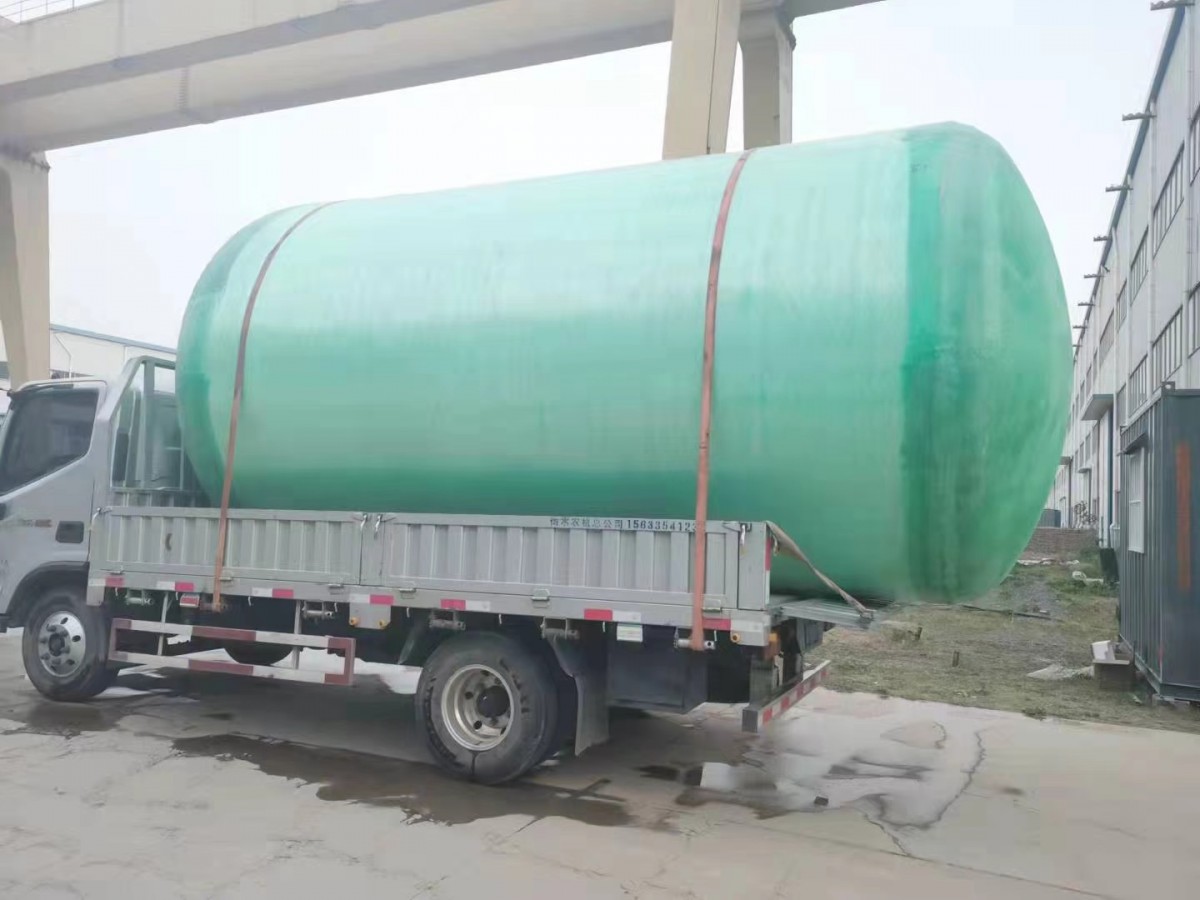


Phone Consultation