


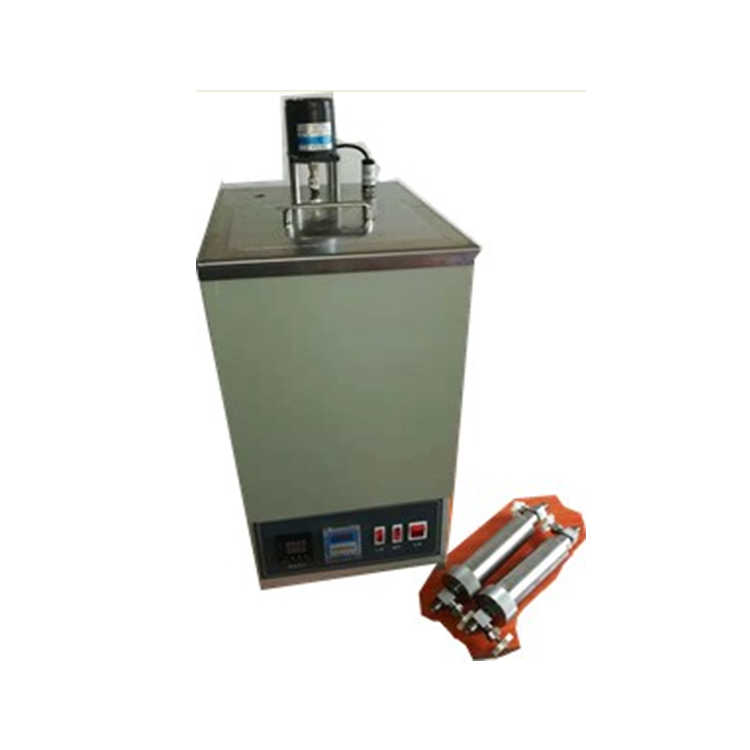
详情描述
I. Technical Specifications
Standard of Execution: GB/T2430 ASTM D2386
2. Test Unit: 1 Hole
3. Refrigeration Method: Compressor Cooling
4. Temperature Control & Detection Range: -80°C to Room Temperature
5. Display Accuracy: ±0.1℃
6. Cooling Method: Metal Bath Cooling
7. Display Method: 7-inch Touch Screen, PLC Controller
8. Temperature Sensor: High Precision Grade A Platinum Resistance (Imported Chip)
9. Sample Mixing: 60 times/min
10. Mixing Method: Motor-driven mixing, automatic lifting and lowering, made of corrosion-resistant stainless steel
11. Testing Methods: Infrared Fiber Optic Detection and Crystallization Exothermic Loss Detection
Printer: Mini thermal printer
13. Power Supply: AC 220V, 50Hz
14. Power: 1200W
Ambient Temperature: 10℃~30℃
16. Relative Humidity: ≤85%
II. Key Features
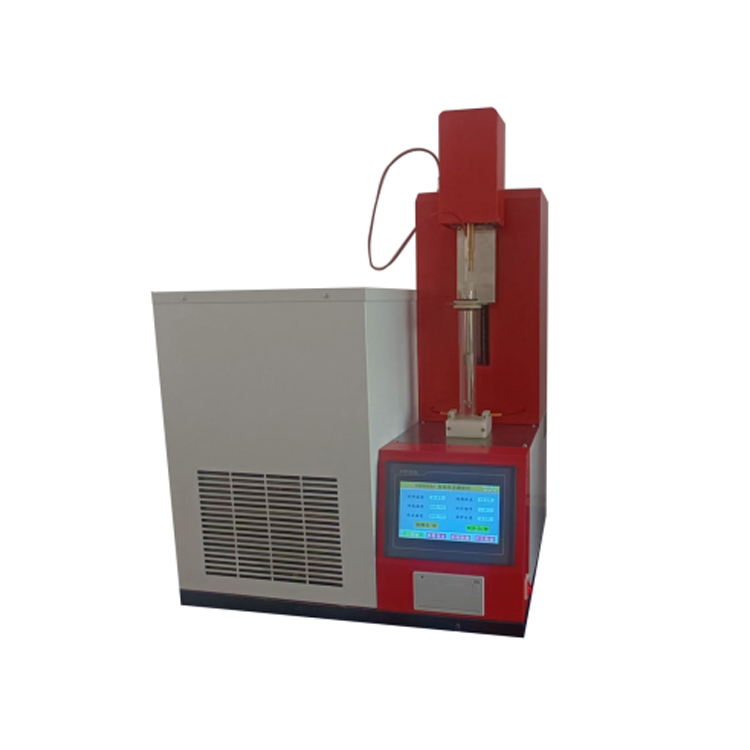
The instrument features a 7-inch industrial-grade touch screen and an industrial-grade PLC controller, offering greater stability than a microcontroller system and easy operation.
● The instrument bath features an aluminum metal bath, which cools down faster than traditional Dewar bottles, does not require a medium, is safe and reliable, and improves efficiency.
● Our instruments use imported compressors for refrigeration, ensuring fast cooling and a long service life.
The instrument features a desktop structure, with an aesthetically pleasing design, easy placement, and user-friendly operation.
●Instrument temperature utilizes precise A-platinum resistance thermometer (imported chip), with high accuracy and precise display.
●Highly automated instruments require only the user to set up the sample and click start. The instrument automatically cools, detects crystallization, stirs the sample, and the stirring system automatically raises and lowers. The screen displays the cooling and warming curves, automatically determines the test results. Upon completion, the instrument automatically prints and stores the results in the history record.
After testing, the stirrer automatically stops and prompts.
● The instrument features temperature compensation and large-capacity storage of historical data.
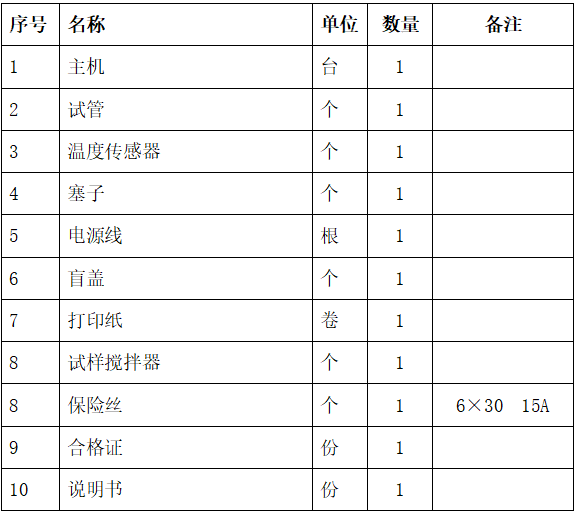
Section 3: Configuration List