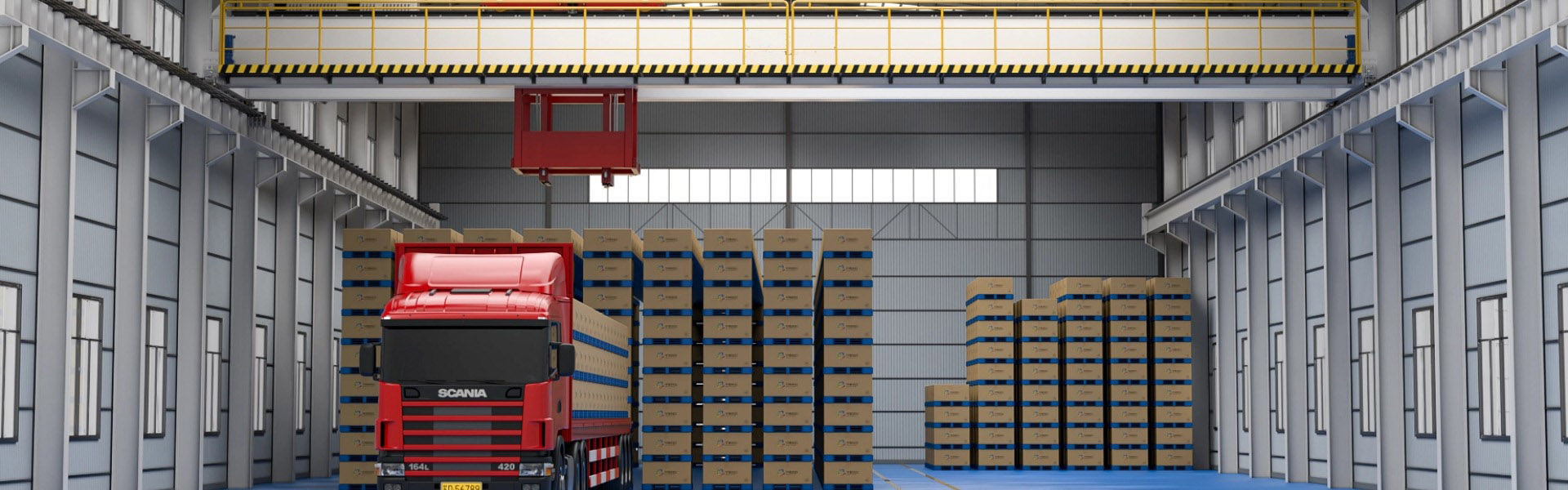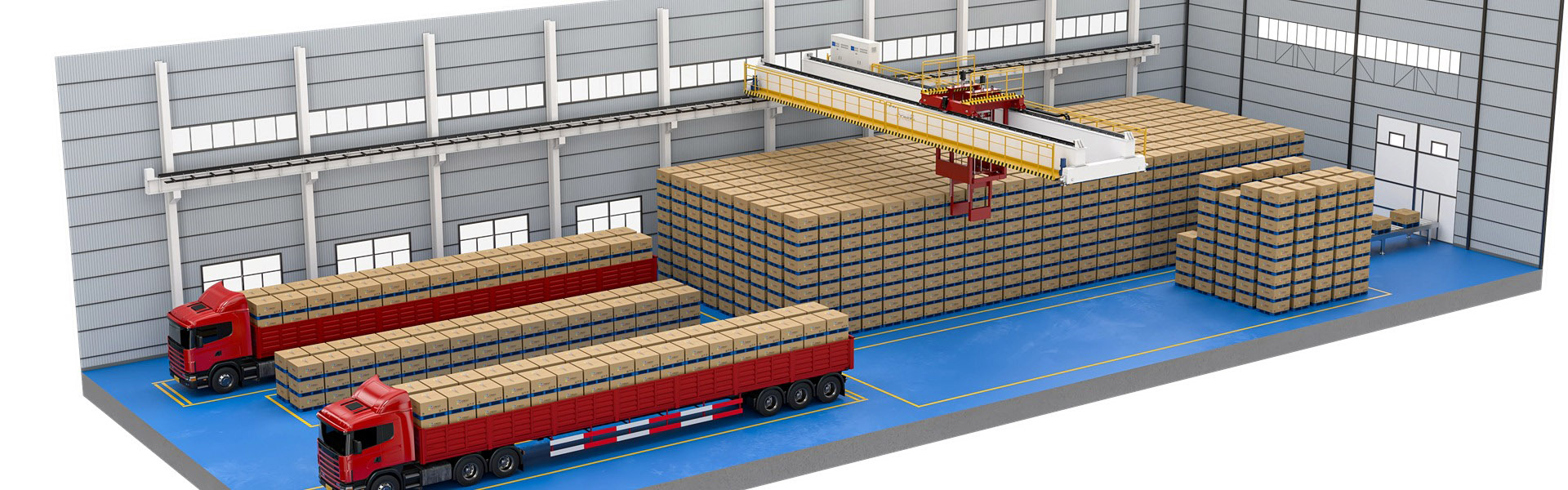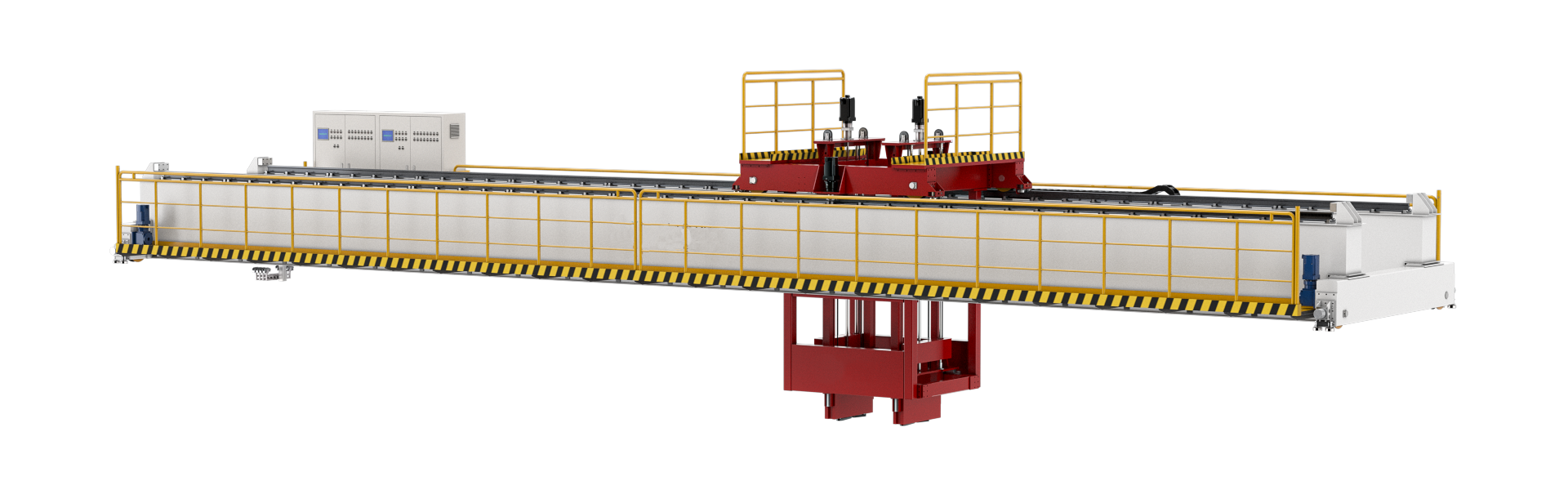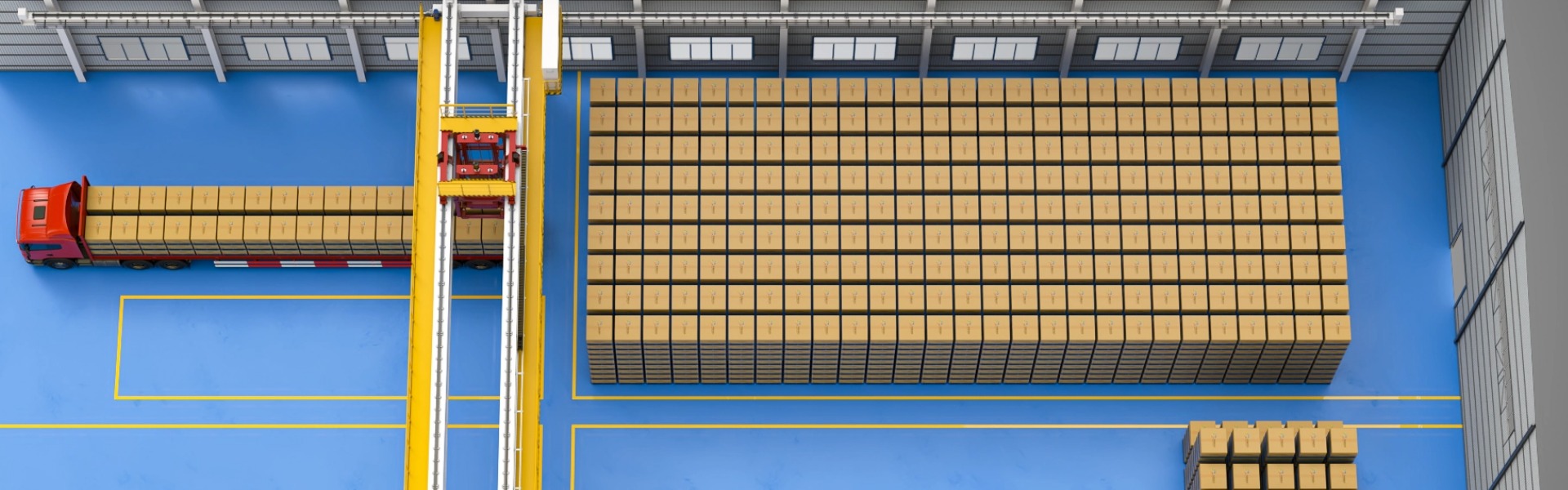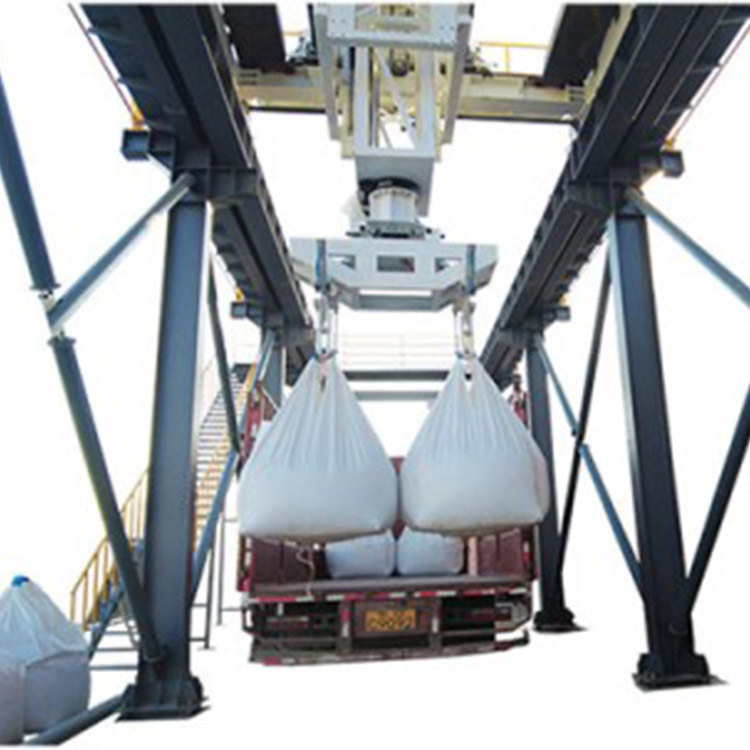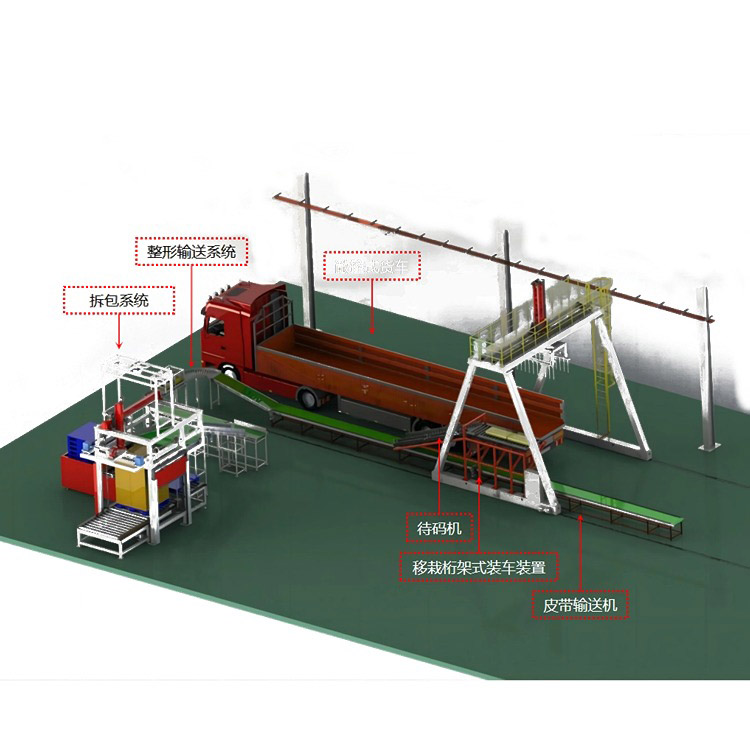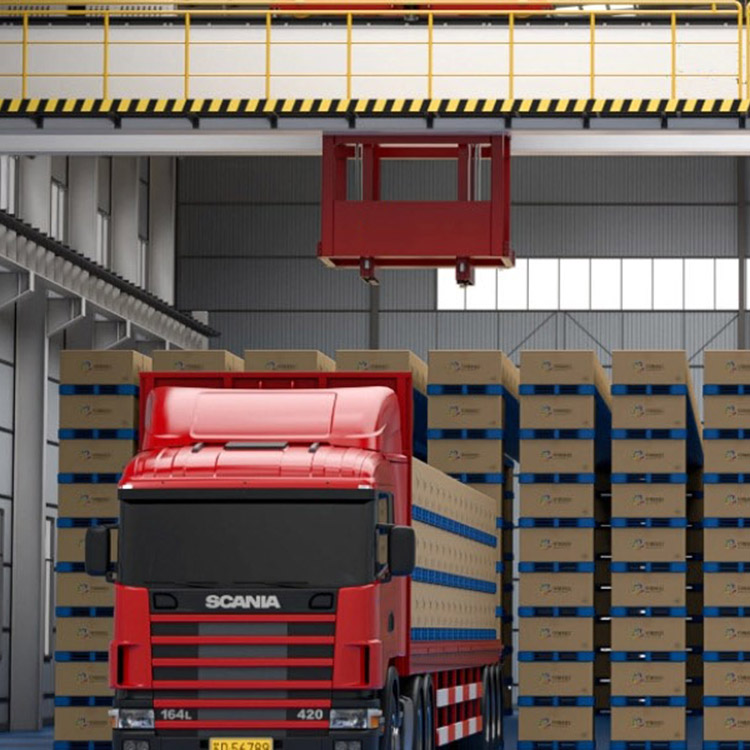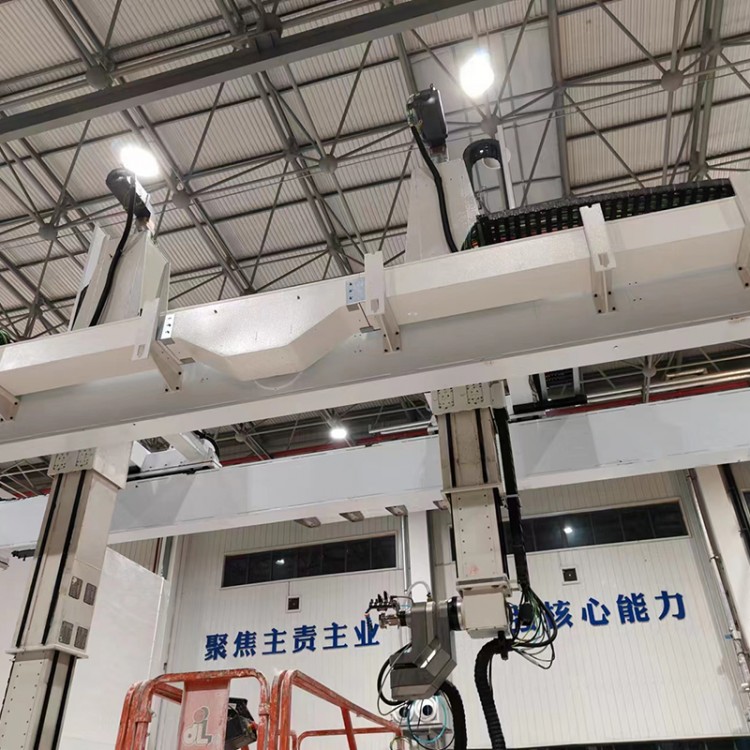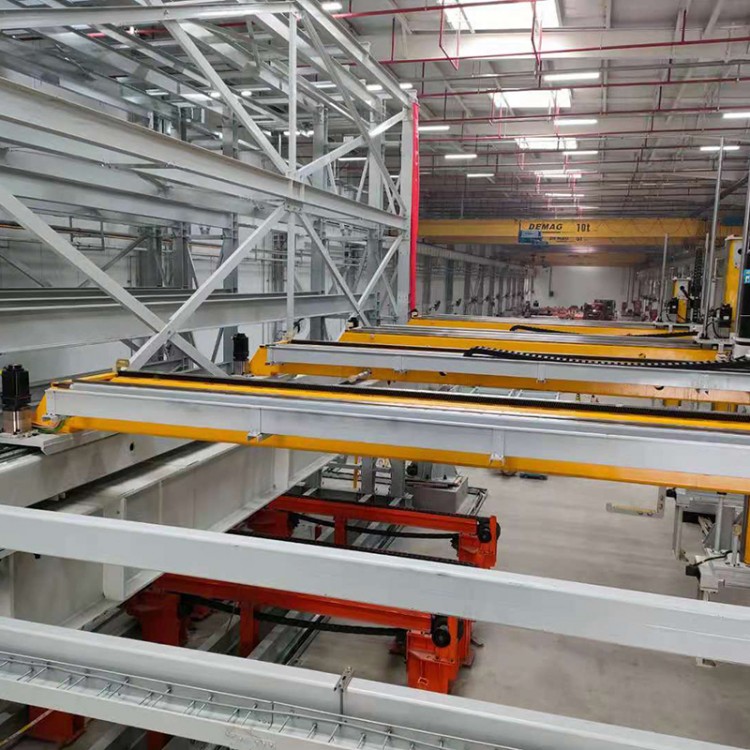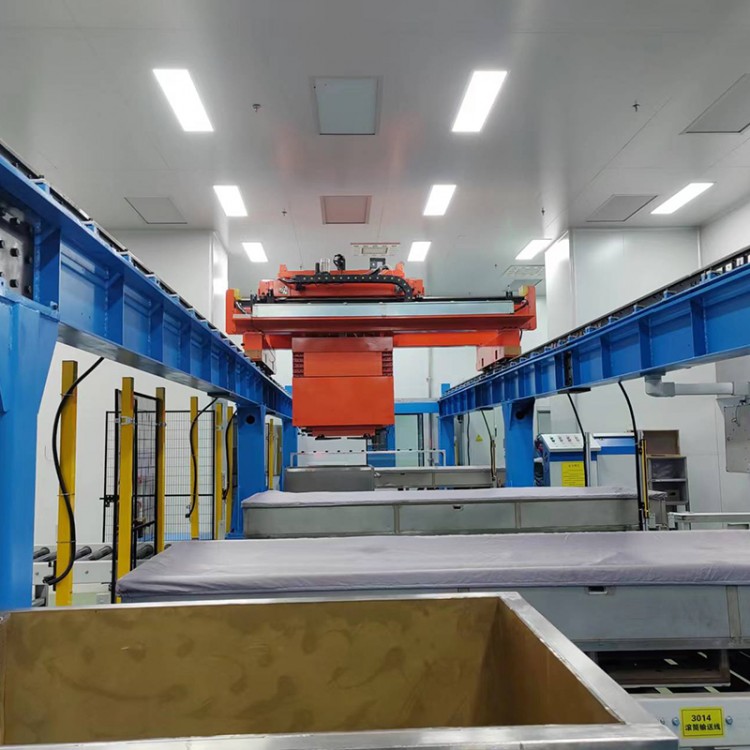
Specializing in the production of fully automatic loading systems, heavy-duty trusses, truss robots, etc.
15189700085
One, Container Size and Specification Chart
Container shipping containers are standardized cargo carriers widely used in international logistics and trade. Here are some common dimensions of shipping containers:
*20-foot Container (20GP)
*Internal Dimensions: 5.69 meters x 2.13 meters x 2.18 meters
* Gross Weight for Picking: Generally 17.5 tons
Volume: Approximately 24-26 cubic meters
40-foot container (40GP)
*Internal Dimensions: 11.8 meters x 2.13 meters x 2.18 meters
* Gross Weight of Packed Goods: Typically 22 tons
Volume: Approximately 54 cubic meters
40-foot high cube container (40HQ)
*Internal Dimensions: 11.8m x 2.13m x 2.72m
* Gross Weight of Pallet: Typically 22 tons
*Volume: Approximately 68 cubic meters
45-foot high cube container (45HQ)
*Internal Dimensions: 13.58m x 2.34m x 2.71m
* Gross Weight of Packed Goods: Typically 29 tons
Volume: Approximately 86 cubic meters
20' Open Top Container (20OT)
*Internal Dimensions: 5.89m x 2.32m x 2.31m
* Gross Weight of Packed Goods: 20 tons
Volume: Approximately 31.5 cubic meters
40-foot Open Top Container (40OT)
*Internal Dimensions: 12.01 meters x 2.33 meters x 2.15 meters
* Gross Weight of Packed Goods: 30.4 tons
Volume: Approximately 65 cubic meters
20-foot Flat Rack Container (20PD)
*Internal Dimensions: 5.85m x 2.23m x 2.15m
* Gross Weight for Picking: 23 tons
*Volume: Approximately 28 cubic meters
40-foot Flat Rack Container (40PD)
*Internal Dimensions: 12.05m x 2.12m x 1.96m
* Gross Weight of Packing: 36 tons
Volume: Approximately 50 cubic meters
The above dimensions are for reference only; the actual sizes may vary due to different manufacturers.
Global and China Container Freight Volumes
International container shipping handles over 200 million TEUs annually, with China's annual container volume exceeding 400 million TEUs.
Section 3: Estimated Market Demand for Intelligent Unloading (Container)
Based on a daily unloading capacity of 10 TEUs per unloading robot, the demand for unloading robots in our country is approximately 120,000 units. At a cost of 1 million per set, the market demand is around 120 billion yuan, solely for the unloading robots for container cargo!
Four: Types of Intelligent Unloading (Container) Robots
Mobile Long-Arm Dedicated Unloading Robot
2. Mobile Linear Coordinate Dedicated Unloading Machine
This equipment is a mobile unit combined with a dedicated operation unit, requiring a completely new design and development. It is currently in the research and testing phase.
3. Composite Operation Robot
4. Compound Specialized Operation Robot Arm
This approach combines a mobile platform with a specialized articulated robot, which requires custom design and development based on unloading requirements and is currently in the research and testing phase.
Section 5: Current Issues with the Intelligent Offloading (Container) Robot
In the technical evolution (2.0 phase): While the intelligent unloading robot has achieved a certain degree of automation, its technical level is not yet fully mature. For instance, there may still be some errors and shortcomings in aspects such as cargo recognition, gripping, and placement, which require further optimization and improvement.
Insufficient Adaptability to Complex Environments: Intelligent unloading robots may face challenges in complex unloading environments. For instance, the manner in which goods are stacked, the type and size of the goods, and the space of the site can all impact the robot's normal operation.
Cost Concerns: The research and maintenance costs for intelligent unloading robot are high, which may be unaffordable for some small and medium-sized enterprises. Moreover, although robots can reduce labor costs, the expenses related to their lifespan, repairs, and upgrades must also be considered.
Safety Concerns: Intelligent unloading robots may present certain safety hazards during operation, such as collisions, falls, and crushes. Therefore, ensuring the safety of both personnel and goods while the robot operates efficiently is a concern that needs to be addressed.
Collaborative Human-Robotics: The widespread application of intelligent unloading robots may lead to job displacement among some workers, potentially causing social issues. Therefore, as we advance robotic technology, it is crucial to also consider how to achieve human-robot collaboration, enabling workers to adapt to the changes brought by new technology and providing them with appropriate training and transition opportunities.
In summary, it is inevitable that intelligent unloading robots will encounter some issues during their development. However, with the advancement of technology and the upgrading of the industry, these problems are expected to be gradually resolved. We need to pay attention to these issues and take corresponding measures to promote the healthy development of intelligent unloading robots.
Six: Trends in the Development of Intelligent Unloading Robots
In recent years, intelligent unloading robots have garnered extensive attention both domestically and internationally. While the intelligent unloading robots have achieved certain accomplishments, they still face numerous challenges. Firstly, technical research and development challenges, such as enhancing the robots' stability, accuracy, and safety. Secondly, market promotion challenges, including how to get more logistics companies to accept and adopt intelligent unloading robots.
Future Trend Developments
Technological Innovation: With the continuous development of technologies such as artificial intelligence and the Internet of Things, the technical level of intelligent unloading robots will be enhanced, and their functions will become more comprehensive.
Industry Standards: In the future, relevant departments will enhance the supervision of intelligent unloading robots, formulate corresponding industry standards, and promote the healthy development of the industry.
Market Expansion: As the logistics industry's demand for intelligent unloading robots grows, the market size will further expand, attracting more enterprises to join the field.
Talent Development: To advance the development of intelligent unloading robots, nurturing relevant talent will be crucial. Enterprises and universities will enhance collaboration to cultivate more professionals with specialized knowledge and skills.
Overall, the development prospects for intelligent unloading robots are vast. In the future, with the continuous innovation of technology and the gradual improvement of policies, intelligent unloading robots will play an increasingly significant role in the logistics industry.
Contact us

Service Hotline
15189700085
Company Telephone
15189700085

WeChat Number
qd_zhonghuan

Address
No. 5 Hexiang Road, Wujin Economic Development Zone, Changzhou City, Jiangsu Province
b2b.china9.net © Zhongshang 114 Hebei Network Technology Co., Ltd.Address: Room 6009, Oriental New World Center, No.118 East Zhongshan Road, Qiaoxi District, Shijiazhuang City, Hebei ProvincePlatform Service Hotline: 4006299930