
- AllProduct Category
-
No Categories



Recommended Products
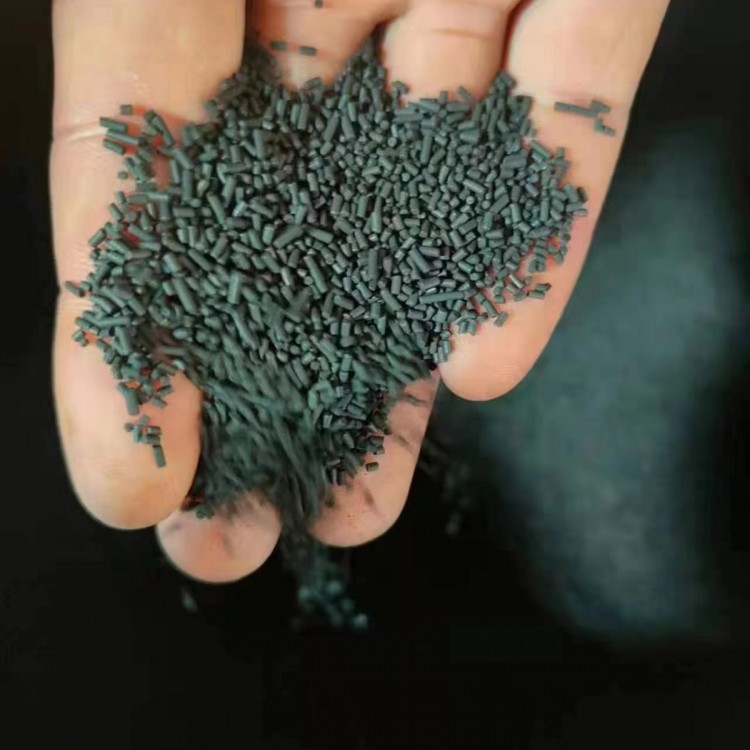
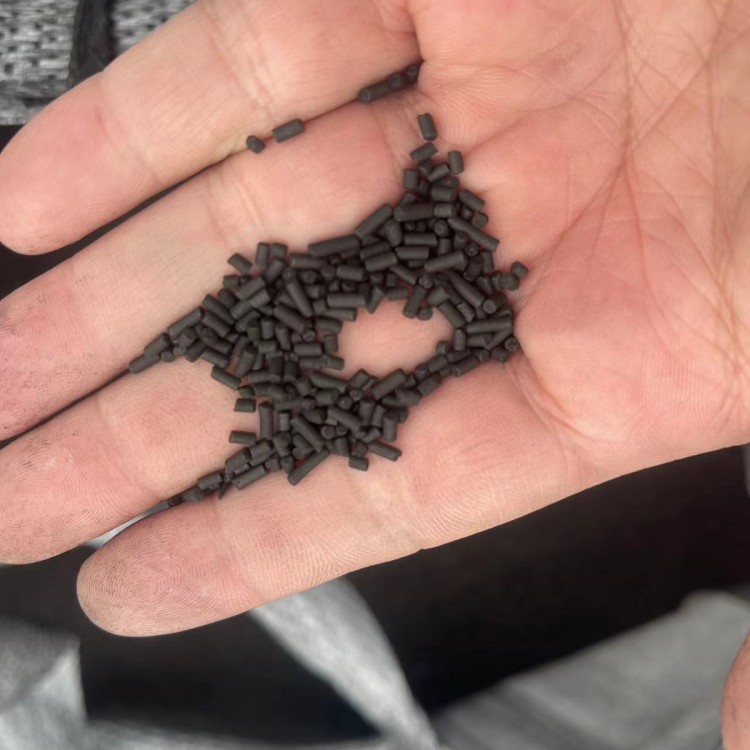
Recovered carbon molecular sieve from waste material from nitrogen generator

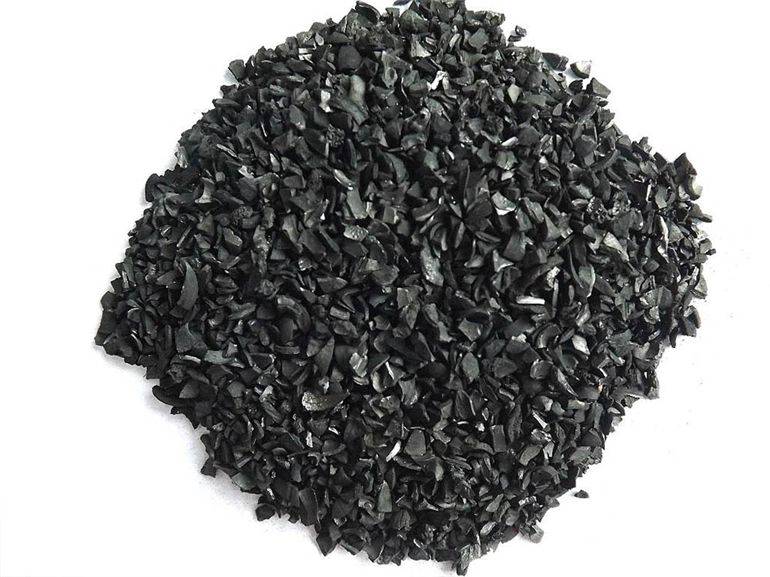
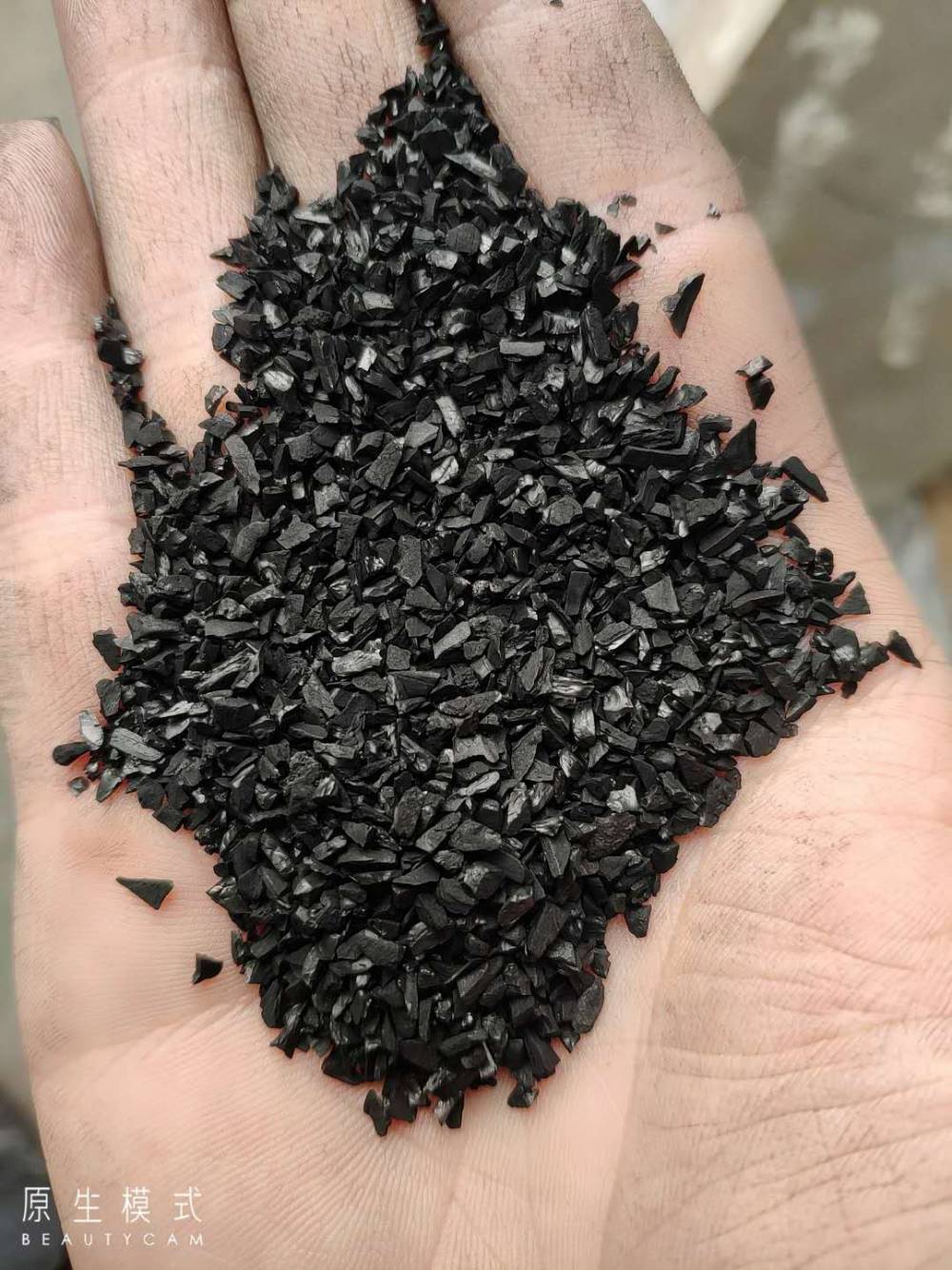
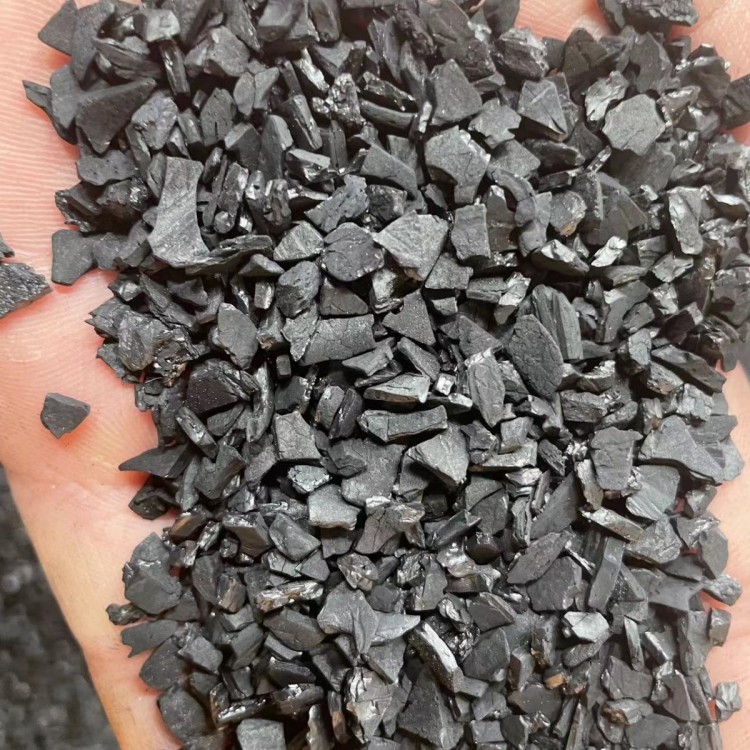
Our company regularly recycles waste activated carbon and waste coconut shell granular activated carbon.

Purchasing large quantities of alumina balls, selling alumina balls, alumina catalyst

Specialty recovery of carbon molecular sieve from nitrogen generators, waste activated carbon, and waste coconut shell activated carbon

National collection of granular activated carbon, coconut shell activated carbon, fruit shell activated carbon

Bulk recycling of high-alumina grinding balls, high-alumina ceramic balls, refractory materials, and molecular sieve
详情描述
Activated carbon is a carbon that has been specially treated. It involves heating organic raw materials (such as fruit shells, coal, wood, etc.) under an oxygen-free condition to reduce non-carbon components (this process is called carbonization), and then reacting with gases, causing the surface to erode and form a highly developed microporous structure (this process is called activation). Since the activation process is a microscopic one, i.e., the surface erosion of a large number of carbon molecules is point-wise erosion, it results in the activated carbon surface having numerous tiny pores. The diameter of the micropores on the surface of activated carbon is typically between 2 to 50 nm, and even a small amount of activated carbon has a vast surface area, with the surface area per gram ranging from 500 to 1500 m². All applications of activated carbon are almost based on this characteristic.