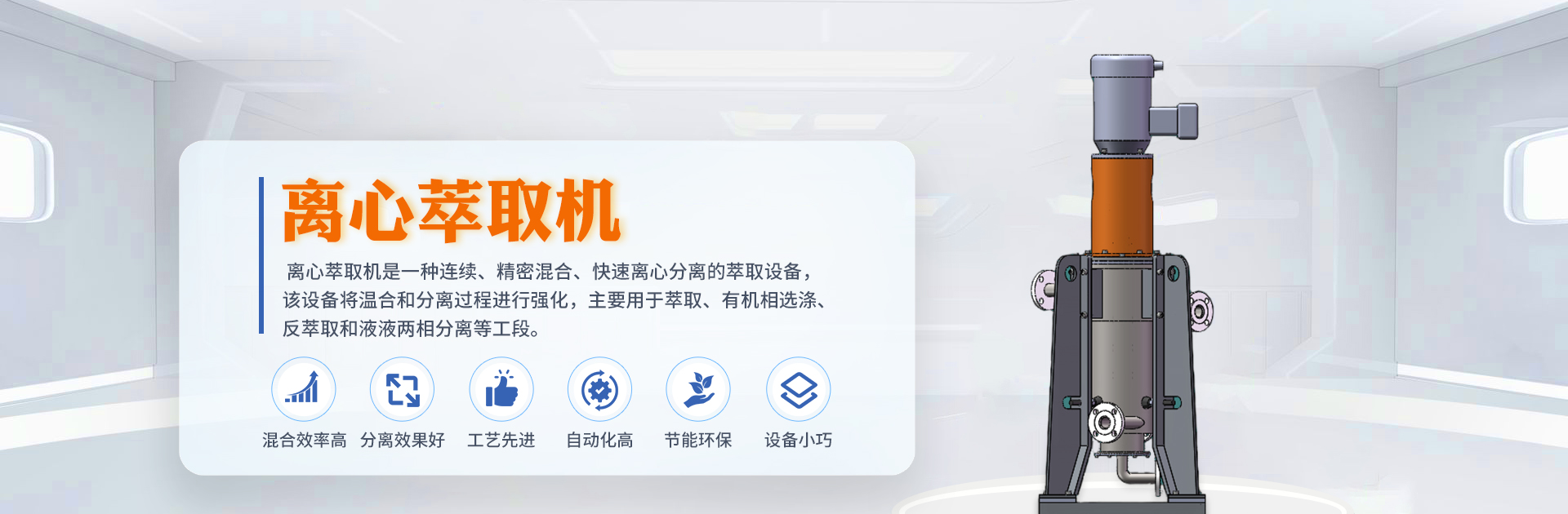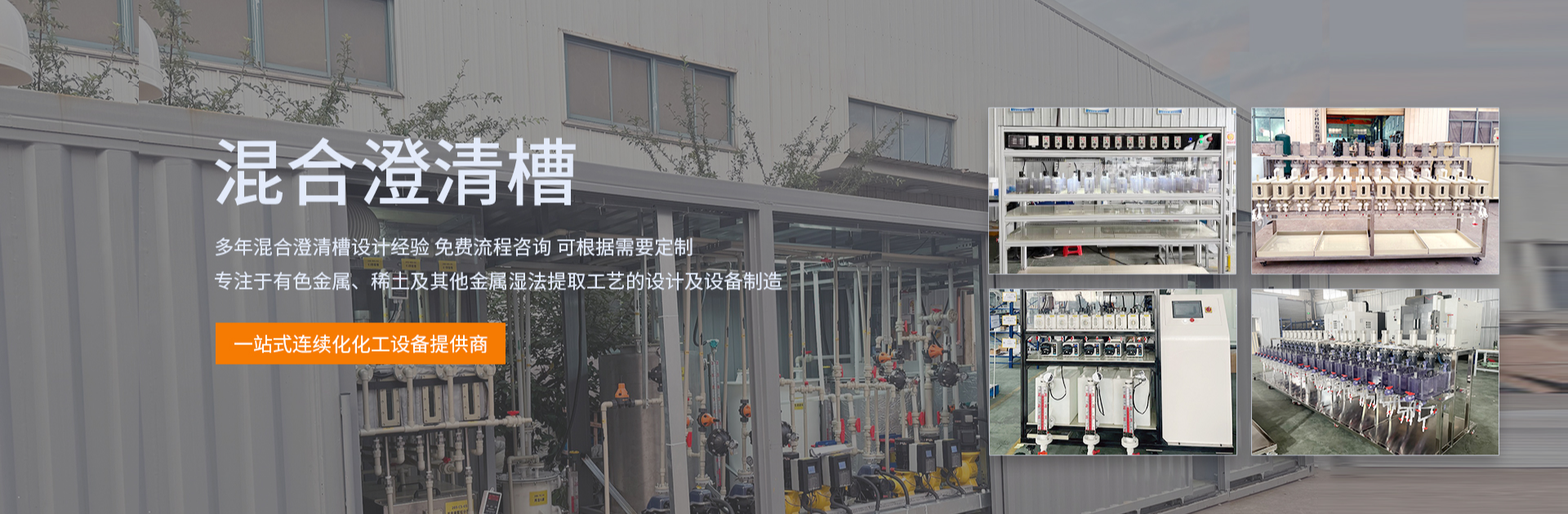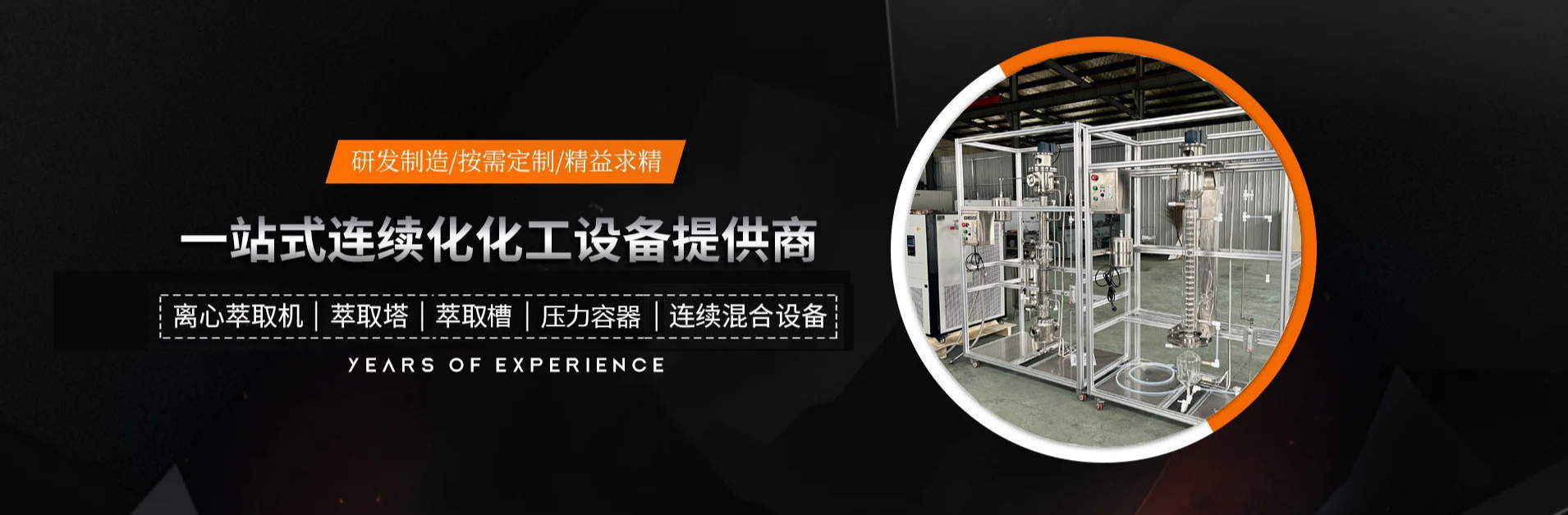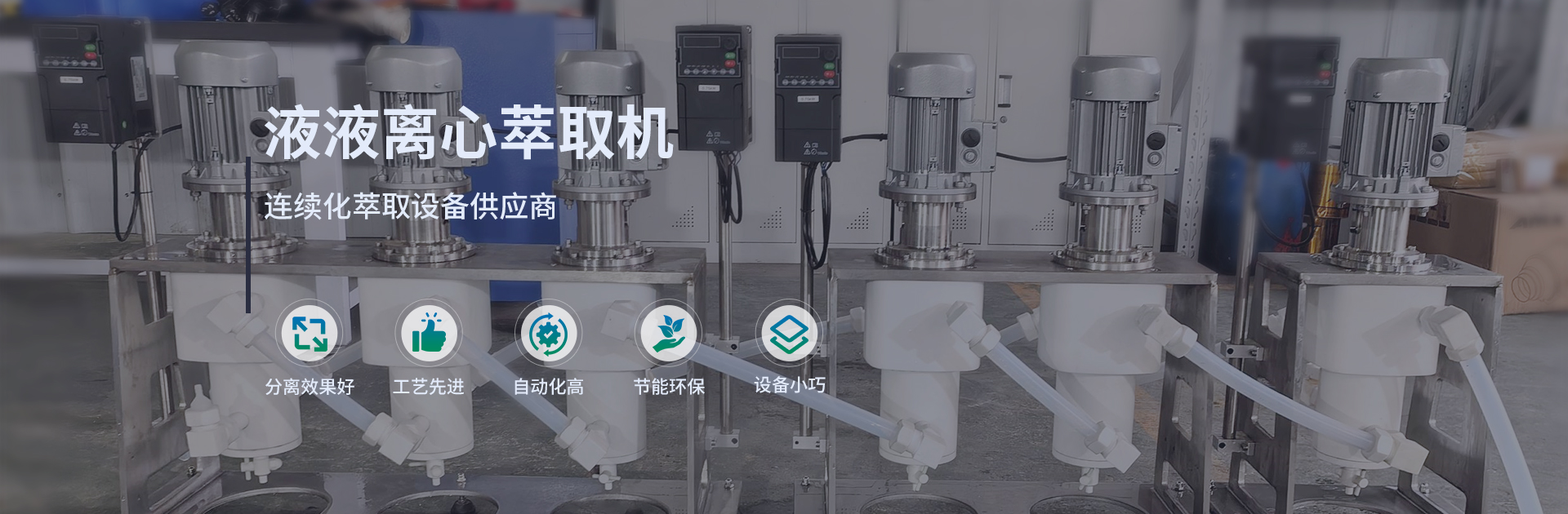
Continuous Extraction Equipment Supplier

Technical Breakthrough: Revolutionary Replacement of Traditional Techniques
Traditional coal tar phenol extraction relies on acidic and alkaline washing processes, which are characterized by high energy consumption, severe equipment corrosion, and large amounts of wastewater discharge. The extraction rate is only 70%-85%, and the purity is insufficient. Jiangsu Zhengfen Technology has developed a biphasic centrifugal extraction technology, using coal tar distillate (phenol oil) before 230℃ as raw material. It achieves efficient separation of phenolic components through a polar-nonpolar biphasic solvent system (such as diethylene glycol), with an extraction rate exceeding 97.6% and purity reaching 99% (calculated without water), and free of and neutral oil impurities.
Technical Highlights:
Solvent Recycling: The biphasic extractant is recycled through high-purity distillation, maintaining stable performance for over 200 cycles with a loss rate under 2%.
Continuous Production: With the support of the 100 tons/year pilot base in Pucheng, a 72-hour continuous operation verification was successfully completed, with the equipment's processing capacity increased by 30%.
Synergistic Decontamination of Impurities: Concurrently addresses the association impurity issue in coal tar, reduces hydrogen consumption in downstream hydrogenation process by 15%-20%, and extends catalyst lifespan by 30%.
Achieving Environmental and Economic Synergy: From "High Pollution" to "Near-Zero Emission"
Wastewater Emission Reduction:
The traditional alkali washing method produces 3-5 tons of high-salt wastewater per ton, with high treatment costs.
The two-phase extraction process emits no acidic or alkaline waste liquids, achieves a solvent recovery rate of ≥98%, and reduces wastewater treatment costs by 80%.
Energy Efficiency Optimization:
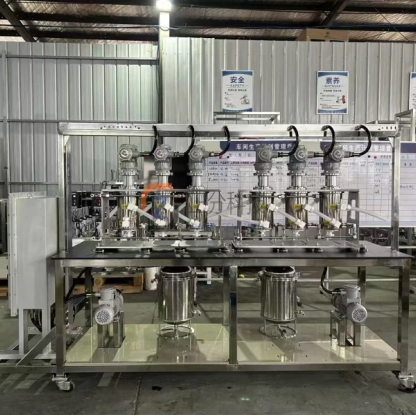
The centrifugal extraction machine operates at high speeds of 3,000-5,000 rpm, reducing the mass transfer time to the level of seconds and cutting energy consumption by 40%.
By integrating multi-stage countercurrent extraction (three-stage in series), the production cost of phenol per ton has been reduced by 25%.

Carbon Emission Reduction Benefits:
Reducing CO₂ emissions by 1.5 tons per ton, in compliance with the requirements of the "Technical Specification for the Treatment of Coal Chemical Industry Wastewater" (HJ 810-2018).
III. Industrial Chain Synergy: From "Fuels" to "High-End Chemicals"
Value-Added Product Extensions:
Refined to produce products with equivalent purity (≥99.9%), used in pharmaceutical intermediates (such as aspirin), antioxidants (BHT), and other fields, the added value is increased by 3-5 times.
Dephenol oil impurities significantly reduced; after hydrogenation, diesel sulfur content ≤10ppm; aviation yield increased by 20%.
Resource Efficient Utilization:
The extraction rate of phenols from medium and low-temperature coal tar has been increased from the traditional 50% to over 90%, with an improvement of 35% in the comprehensive utilization of coal resources.
Four: Pilot Verification and Industrialization Prospects
The 100 tons/year pilot unit at the Pu City base has successfully completed the long-term operation assessment.
Extraction Rate: 97.6% (stable for 72 consecutive hours)
Solvent recovery rate: ≥98%, solvent purity reaches 99.5% after distillation.
Equipment Compatibility: Compatible with multiple scenarios including coal tar, coal gasification wastewater (containing 1000-5000 mg/L of phenol), with a phenol removal rate of ≥99.5%. Planned Goals:
A 50,000 tons/year industrial facility to be completed by 2025, with an annual output value exceeding 1.2 billion yuan.
Expanding into emerging fields such as biomass tar and waste plastic pyrolysis oil.
Section V: Benchmark Case in the Industry: Technologically-Driven Industrial Upgrade
Case 1: Shaanxi Province's Coking Plant Implements
Post-implementation of the two-phase centrifugal extraction technology, the lifespan of the hydrogenation catalyst is extended by 30%, and the hydrogen consumption is reduced by 15%, resulting in annual cost savings.
Products directly supplied to pharmaceutical intermediates companies, annual revenue increase.
Case 2: Ningxia Chemical Plant Phenolic Waste Water Treatment
The COD of coal gasification wastewater treatment has been reduced from 5000 mg/L to 50 mg/L, with the recovery cost of phenolic compounds below 3000 yuan per ton, achieving the dual goals of near-zero wastewater discharge and resource utilization.
Conclusion
Jiangsu Zhengfen Technology's bidirectional centrifugal extraction process, centered around efficiency, greenness, and economy, has broken through the technical bottleneck in the phenol extraction from coal tar field, propelling the transformation of coal resources from low-end fuel to high-end chemicals. Its technical maturity and industrialization potential have been verified across multiple scenarios, making it a benchmark solution for the clean and high-value development of coal chemical industry.


b2b.china9.net © Zhongshang 114 Hebei Network Technology Co., Ltd.Address: Room 6009, Oriental New World Center, No.118 East Zhongshan Road, Qiaoxi District, Shijiazhuang City, Hebei ProvincePlatform Service Hotline: 4006299930