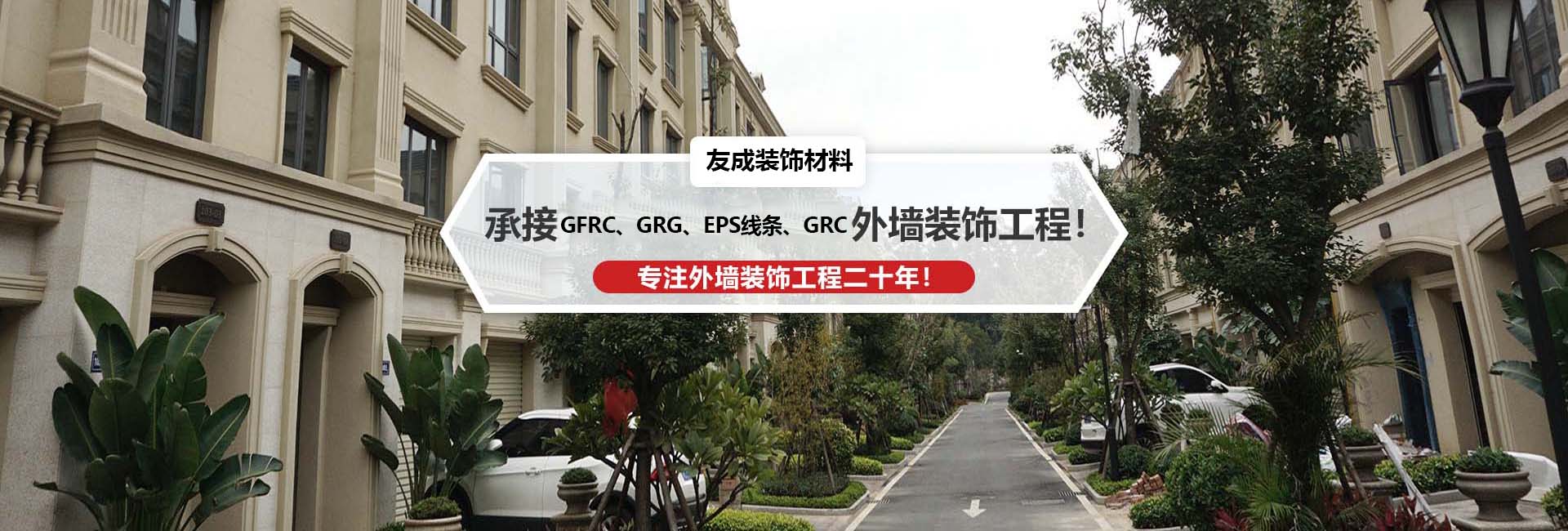
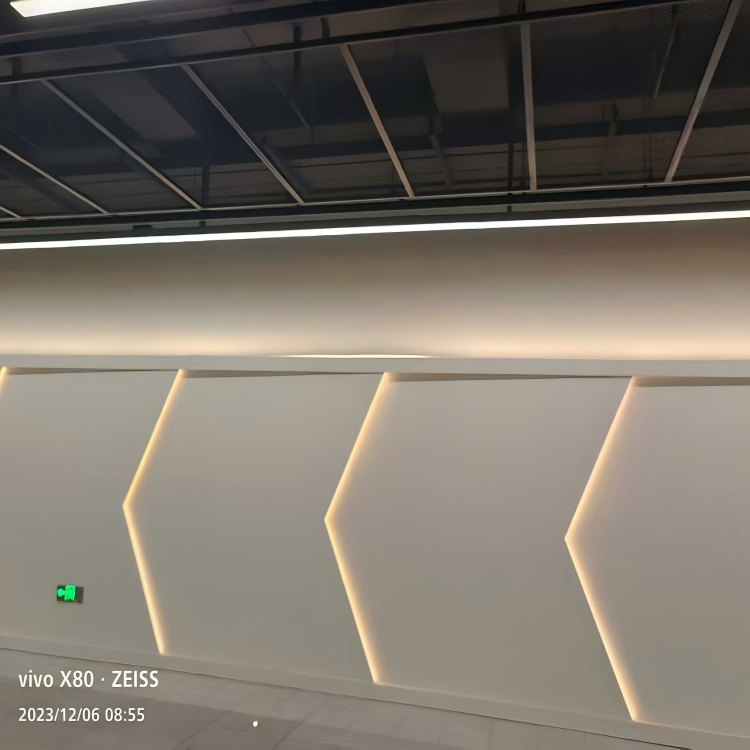
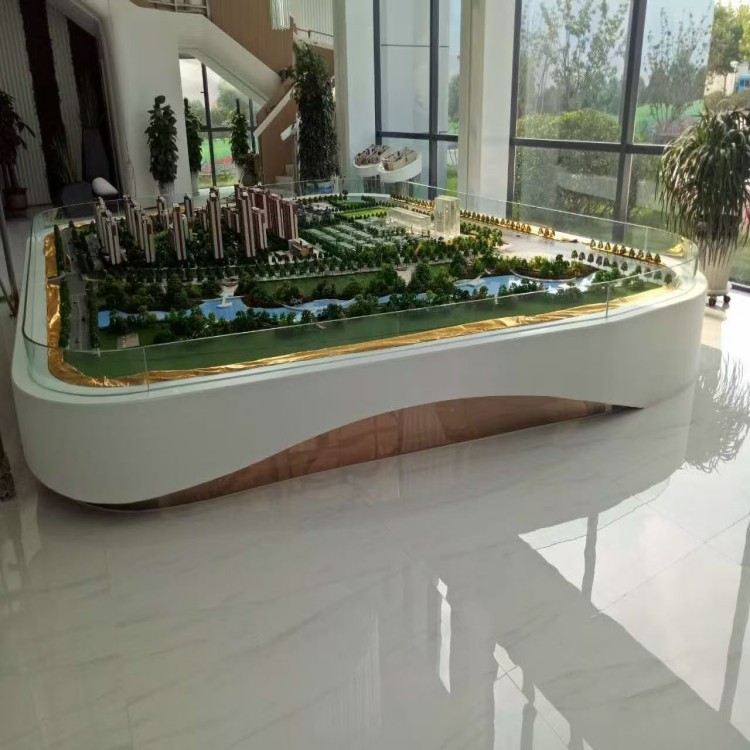
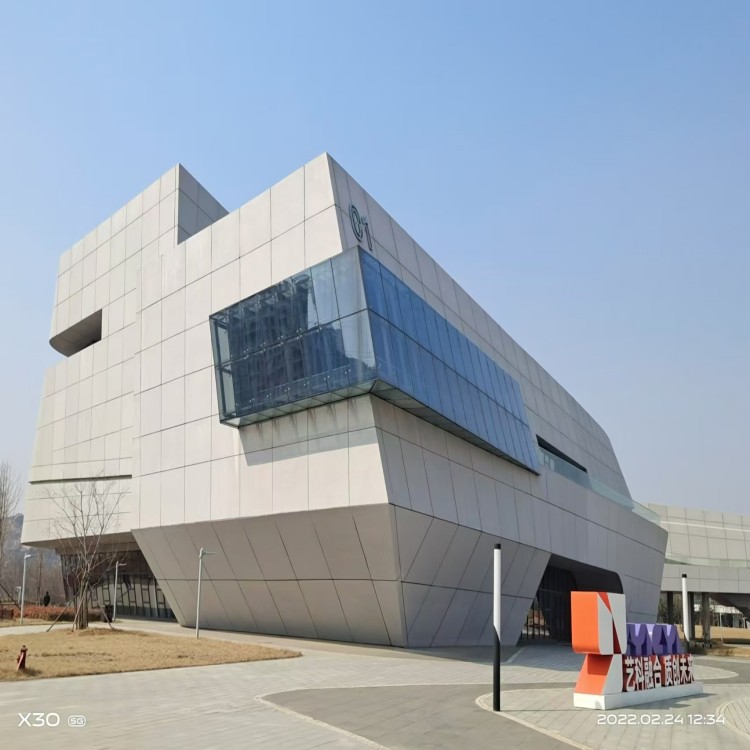
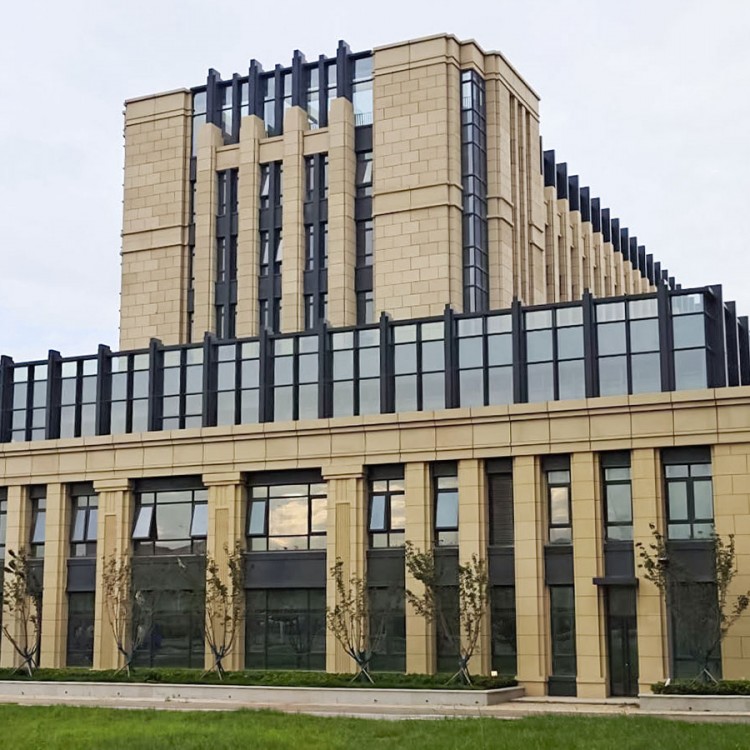
UHPC panels, EPS components, GRC components, GRG componen...

As the economy grows, many buildings are decorated with GRC components. However, we all know that building facades must frequently withstand various natural erosions. So how do we protect the GRC components on building facades to extend their lifespan? Today, Yucheng Decoration Material Factory in Yantai, Shandong, offers a brief introduction to help you out.
For exterior GRC components, the first form of damage is from the sun's rays. For any material, prolonged exposure to sunlight is one of the major external causes of contamination and erosion. This includes harmful rays like ultraviolet, the high temperatures under direct sunlight, and the temperature fluctuations throughout the year, which lead to the aging of building surface materials, loss of luster, and susceptibility to pollution. For metals, rusting and aging; for plastics, degradation; for cement, cracking; and for exterior coatings, discoloration and peeling. We understand that avoiding sunlight exposure is impossible, which is a direct cause of contamination in exterior GRC components. Next comes the erosion from wind and rain. This is more severe for taller buildings, where the wind is stronger with height. Wind carries sand and dust, and rain or snow may include hail. The scouring by wind, sand, rain, and snow not only damages the materials but also leaves marks on the building surface, with solid dirt adhering to the water patterns. This is when the importance of cleaning exterior GRC components becomes evident.
For modern industry, the pace of development is accelerating, which also exacerbates atmospheric pollution. Particularly in major cities, excessive emissions from vehicle exhaust and industrial waste gases increase carbon dioxide and sulfur dioxide in the air, leading to the formation of urban acid rain. This causes severe localized erosion on building facades, leaving them with rust spots. The dirt adhered to the GRC components on the building's exterior is firmly bonded to the surface. To clean these dirt effectively, it is helpful to categorize them into the following types, making it easier to wash the exterior walls.
Firstly, dust combined with walls due to Coulomb force; secondly, dust, paper fragments, leaves, and other solid debris adhering to the walls with organic matter; thirdly, insect and bird remains that collided with the walls at high speed, then stuck after death; fourthly, rust spots formed on the exterior wall surface due to atmospheric pollution; water streaks left after rain冲洗 that contains organic matter and inorganic salts; and finally, dirt carried by rainwater from the roof. Due to the different types of dirt, varying degrees of adhesion and methods, and the different deposition times on the GRC wall components, the cleaning process can vary greatly.
To effectively clean various dirt from the GRC components of building facades without damaging the facade material or leaving any marks, suitable cleaning machinery should be used. This method offers good cleaning results in a short time and at low concentrations. However, the cleaning agent should have a certain cleaning effect on facade glass, ensuring it does not damage doors, windows, or glass materials. Moreover, this cleaning agent is cost-effective, resulting in reasonable cleaning costs.
To meet the above requirements, building exterior cleaning agents are typically formulated as water-based detergents with surfactants and additives, which are diluted to a certain concentration for use. For cleaning special dirt on GRC exterior components, the design formula for general hard surface heavy dirt stains can be followed. It may be considered to add organic or inorganic solvents, or formulate as an acidic detergent, to wipe away asphalt stains, adhered dirt, and localized rust, etc.


b2b.china9.net © Zhongshang 114 Hebei Network Technology Co., Ltd.Address: Room 6009, Oriental New World Center, No.118 East Zhongshan Road, Qiaoxi District, Shijiazhuang City, Hebei ProvincePlatform Service Hotline: 4006299930