Features and Functions of Explosion-Proof Wall-Mounted Air Conditioners
2025-07-24
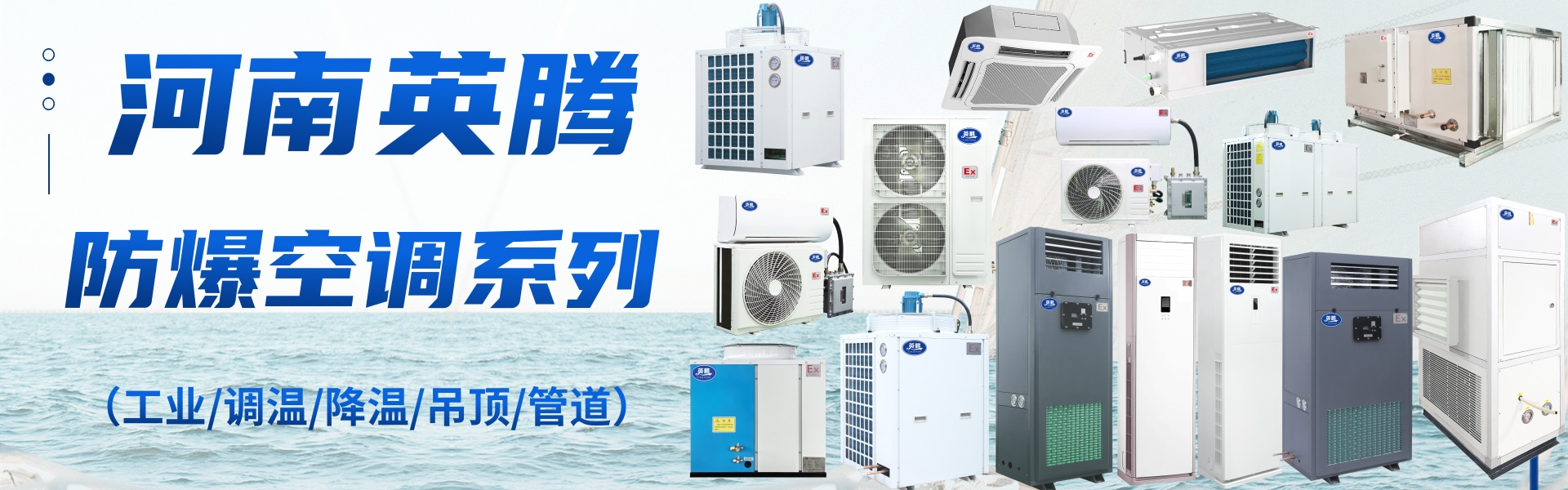
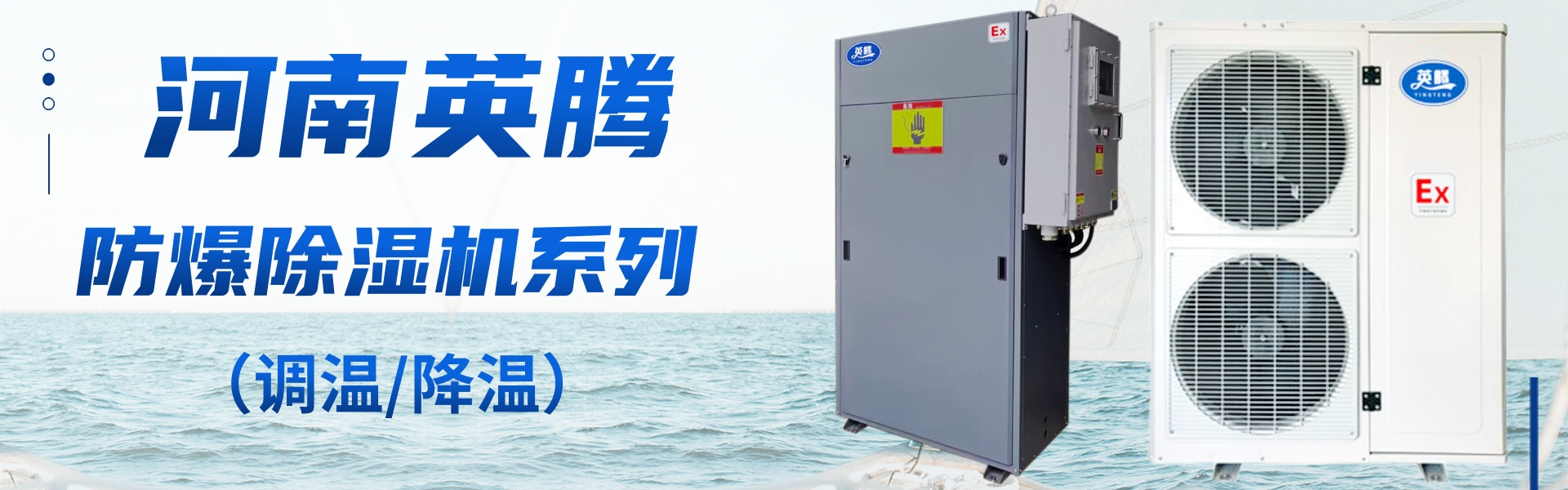
A cabinet explosion-proof air conditioner is a specialized type of air conditioner designed for flammable and explosive environments, featuring explosion-proof, safety, and stability. It is widely used in high-risk areas such as oil, chemical, and pharmaceutical industries. The following are its main features and functions:
I. Core Features
Intrinsically Safe Design
Utilizing explosion-proof compressors, electrical components, and explosion-proof enclosures that comply with national explosion-proof standards (such as GB3836, Ex dⅡB T4, etc.), we ensure safe operation in environments with flammable gases or dust.
Critical components (such as circuits and junction boxes) are treated with special sealing or isolation to prevent electrical sparks from causing explosions.
High security
Equipped with multiple protection features: overload protection, high/low voltage protection, short-circuit protection, leakage protection, etc.
Static Dissipative Design: The housing is typically made of stainless steel or anti-static coating to reduce the risk of static accumulation.
High environmental adaptability
Operates stably in high-temperature, high-humidity, corrosive gas, or dust environments (such as within a wide temperature range of -30℃ to 50℃).
Some models feature corrosion and water resistance (IP54 and above protection rating).
Durable Structure
Cabinets are sturdy, typically made of metal materials (such as steel plates or stainless steel), offering impact resistance and corrosion resistance.
Internal components feature anti-vibration design, suitable for industrial vibration environments.
Section II: Main Features
Basic Temperature Control Function
Cooling/Heating/Dehumidification modes to cater to various environmental needs; some models support low-temperature startup.
High energy efficiency ratio (some products reach national first-grade energy efficiency), energy-saving and power-saving.
Intelligent Control and Display
Microcomputer control with precise temperature adjustment (±1℃), timer on/off, and fault self-checking functions supported.
Some models are equipped with remote monitoring capabilities (such as RS485 interfaces or IoT modules) and can be connected to a central control system.
Air Purification
Equipped with high-efficiency filters, optional dust and bacteria-proof mesh filters are available to enhance air quality in sealed environments.
Silence and Low Vibration
Enhanced fan and compressor designs reduce operational noise (typically ≤50dB), minimizing disruption to the work environment.
Section Three: Application Scenarios
Petroleum & Chemical Industry: Refineries, chemical plants, gas stations, and other environments with explosive gas.
Jun Gong Warehouse: **High-risk areas including storage facilities and gunpowder production workshops.**
Pharmaceutical and Food Industry: Dust Explosion-Proof Requirements for Pharmaceutical Manufacturing Facilities and Grain Processing Plants.
Other: Laboratories, underground mines, ship cabins, and other specialized locations.
Four: Selection Considerations
Ex-proof Grade Matching: Select the corresponding explosion-proof marking (such as II A, II B, II C) based on the hazardous substances present on-site (e.g., gas, dust types).
Cooling capacity adjustment: Select the appropriate power based on the space size and heat load calculation (e.g., for spaces of 10-100㎡, typically 5-10kW is required).
Customization Requirements: Some scenarios require both explosion-proof and corrosion-resistant properties, or the integration of explosion-proof air conditioning cabinets with air handling systems.