



- AllProduct Category
-
Other Chemical Equipment
Reactor Series
Heat Exchanger Series
Heating Fan Series
Finned Tube Series
TL Type Condenser
Air Heater
Air Cooler
Styling Machine Heat Sink
Food Drying and Cooling Heater
Cooling Fin Tube Radiator
FUL Heat Transfer Oil Radiator
BGL Type Stainless Steel Radiating Tube
S-Type Steam Heater
UII Steam Heat Exchanger
GLII Type Steam Radiator
SZL(B) Type Finned Radiator
SRL Finned Heat Exchangers
SRZ Finned Tube Radiator




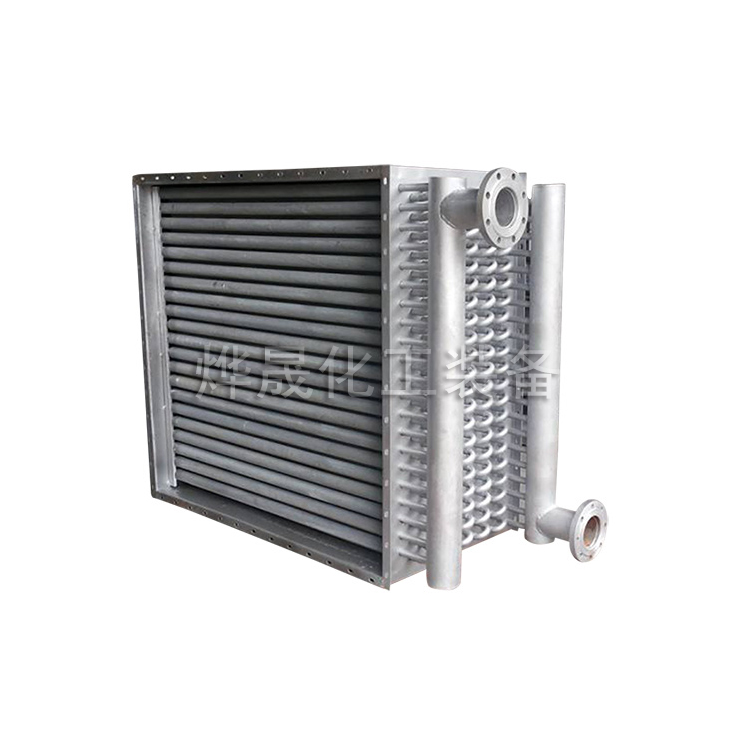

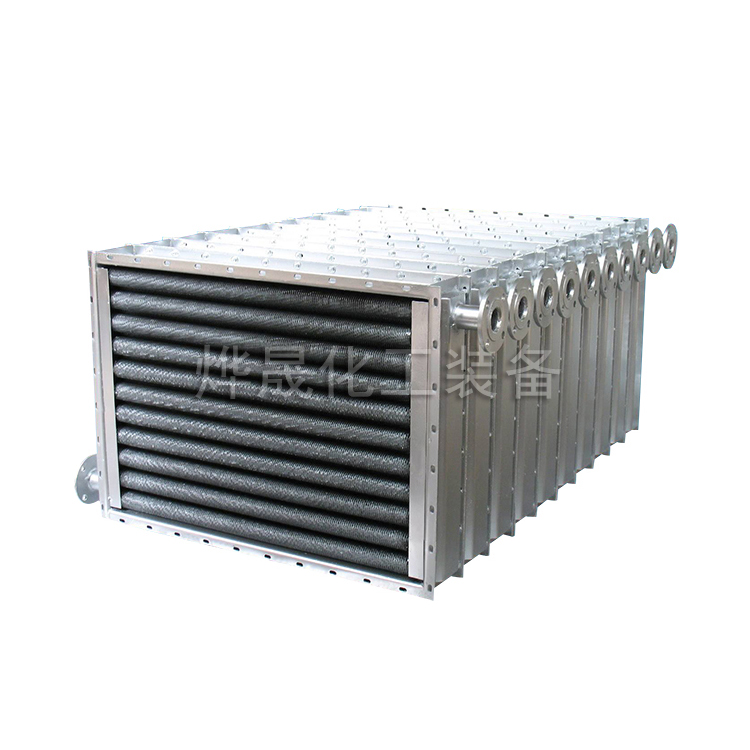
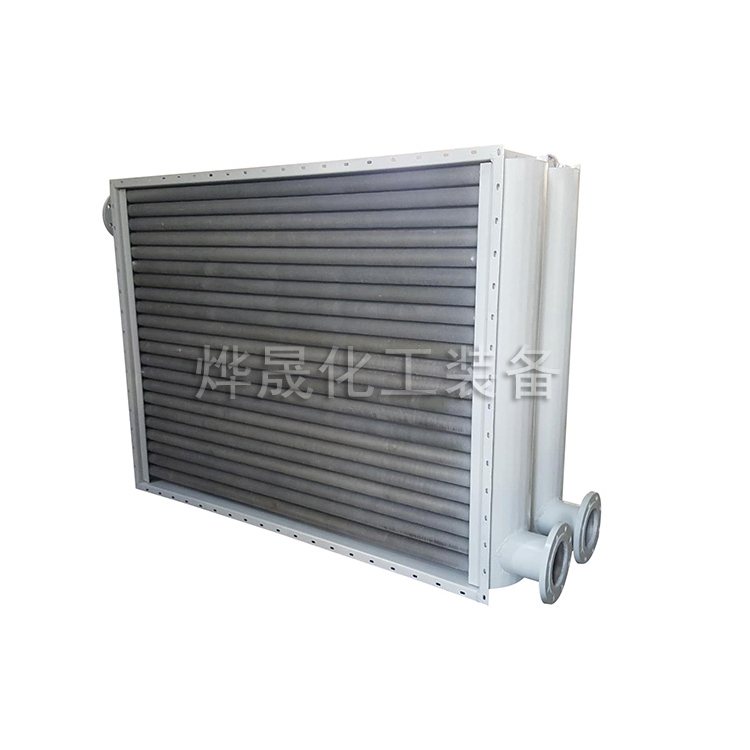

详情描述
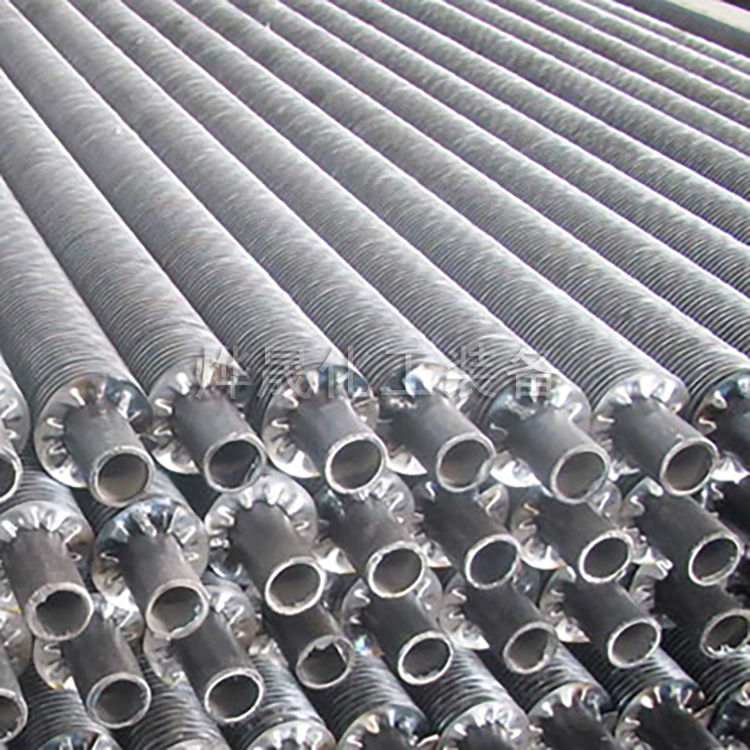
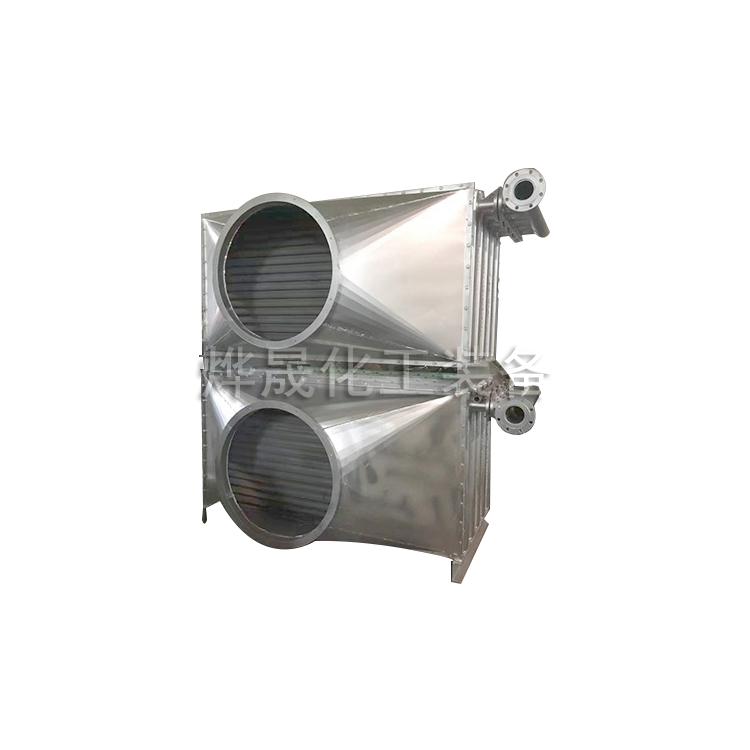
Stainless Steel Finned Tubes
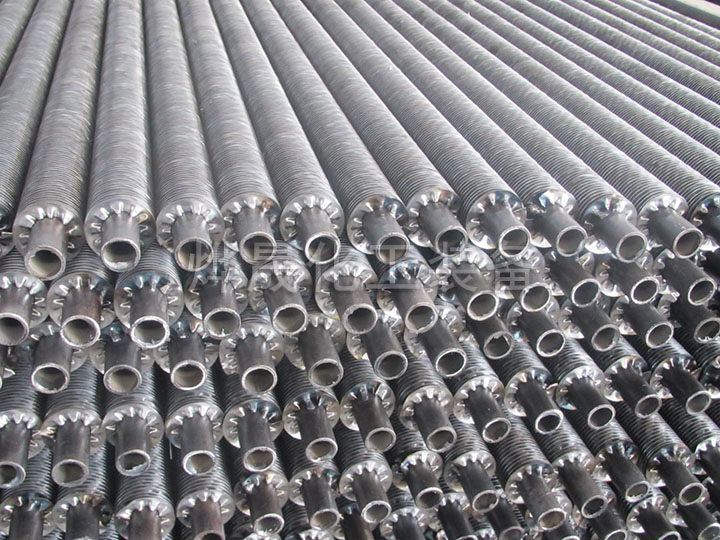
Finned Tube Overview
Finned tubes are designed to enhance heat exchange efficiency by increasing the surface area (either external or internal) of the heat exchange tubes through the addition of fins. This design aims to improve the heat exchange efficiency. As heat exchange elements, finned tubes operate under harsh conditions of high-temperature flue gases for extended periods, such as in boiler heat exchangers. These environments are characterized by extreme temperatures, pressures, and corrosive atmospheres, necessitating high-performance specifications for finned tubes.
1. Corrosion resistance
2. Abrasion Resistance
3. Low contact thermal resistance
4. High stability
5. Dust-Resistant Ability
Finned tube classification
Finned tubes come in a variety of types and new varieties are continually emerging. Finned tubes can generally be categorized into several aspects of application:
Categorized by processing technology: 1. Coiled Tube (Sleeve Tube); 2. Tension Wound Finned Tube; 3. Inserted Fin Tube; 4. Integrated Rolling Finned Tube; 5. Cast Finned Tube; 6. Welded Finned Tube, which includes: High-Frequency Welded Finned Tube, Submerged Arc Welded Finned Tube, etc.
1. Square, rectangular, and circular finned tubes; 2. Spiral finned tubes; 3. Wavy finned tubes; 4. Toothed finned tubes; 5. Needle finned tubes; 6. Vertical finned tubes; 7. Solid plate finned tubes (plate fins) and so on.
Material Classification: 1. Copper, Al, Copper/Al finned tubes; 2. Carbon steel, Stainless steel, Carbon steel/Stainless steel finned tubes; 3. Cast iron (cast steel) finned tubes, etc.
Categorized by application: Air conditioning finned tubes; Air-cooled finned tubes; Boilers: finned tubes used separately for water walls, economizers, and air preheaters; Finned tubes for various kilns and industrial furnaces for waste heat recovery; Other special-purpose finned tubes, etc.
Finned Tube Advantages
1. High Efficiency and Energy-Saving: The heat exchange coefficient ranges from 3000 to 4500 kcal/m²·°C·h, offering a thermal efficiency up to 3 to 5 times higher than that of tube-and-shell heat exchangers.
2. Compact Structure: Plate heat exchangers feature tightly packed plates, occupying less floor space and volume compared to other types of heat exchangers. A plate heat exchanger with the same heat transfer capacity as a shell-and-tube exchanger requires only 1/5 of the area.
3. Easy to clean and dismantle: The plate heat exchanger clamps the plate sections together with clamping bolts, making it convenient to disassemble and clean at any time. Additionally, due to the smooth surface and high turbulence, it is less prone to scaling.
4. Long Service Life: Plate heat exchangers are made of stainless steel or titanium alloy plates, resistant to various corrosive media, with replaceable gaskets and easy to disassemble for maintenance.
5. Versatile: Plate heat exchanger plates are individual components, allowing for adjustments in flow as required, with various configurations; suitable for different process requirements.
6. Non-interference in fluid, the sealing groove of the plate heat exchanger is equipped with a leakage channel, ensuring that various media do not mix. In case of leakage, the medium always discharges outward.
询价单


