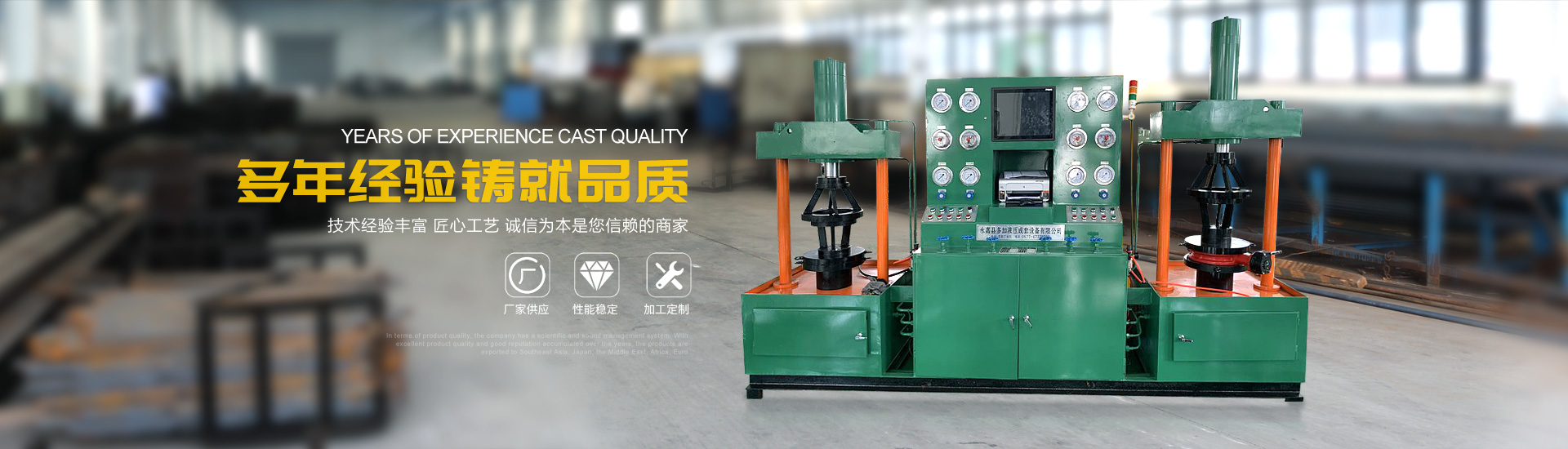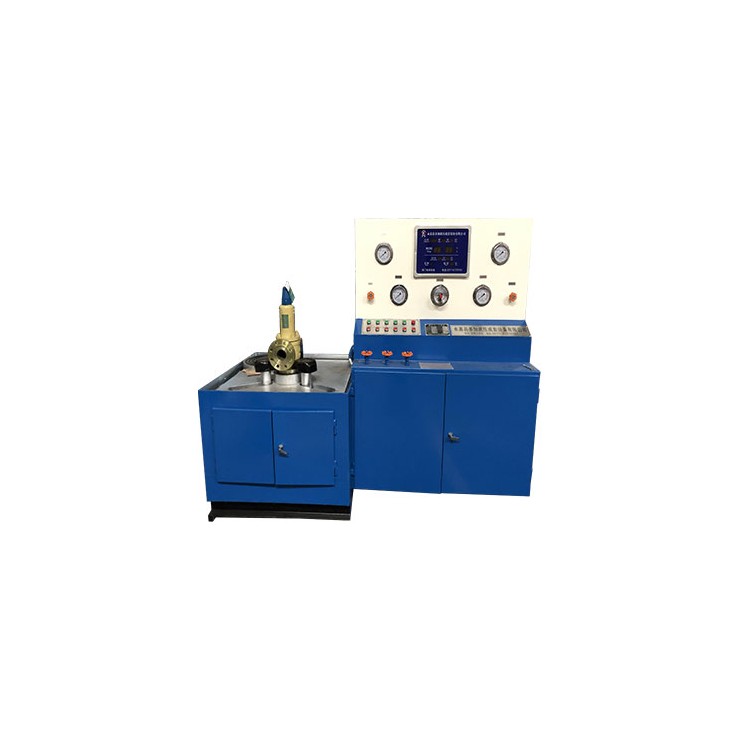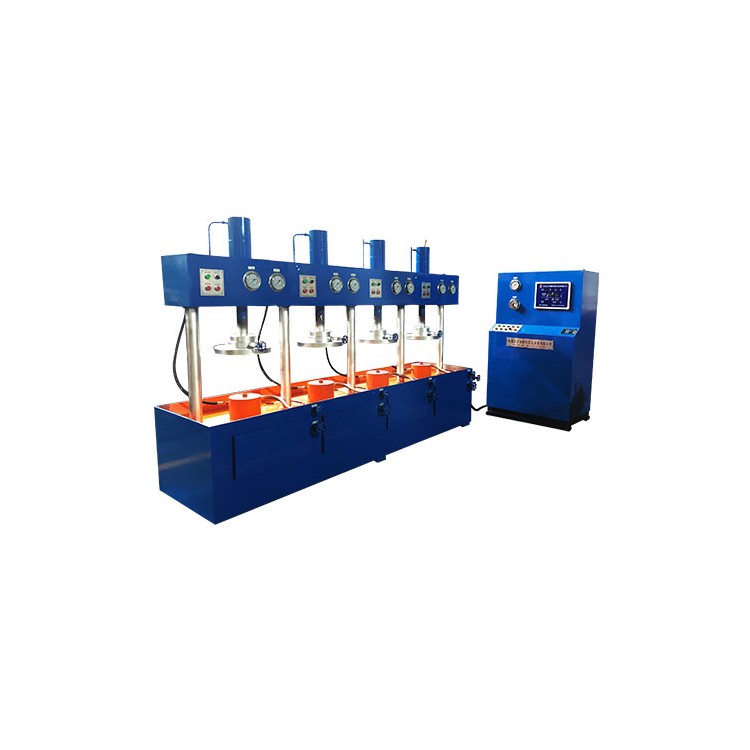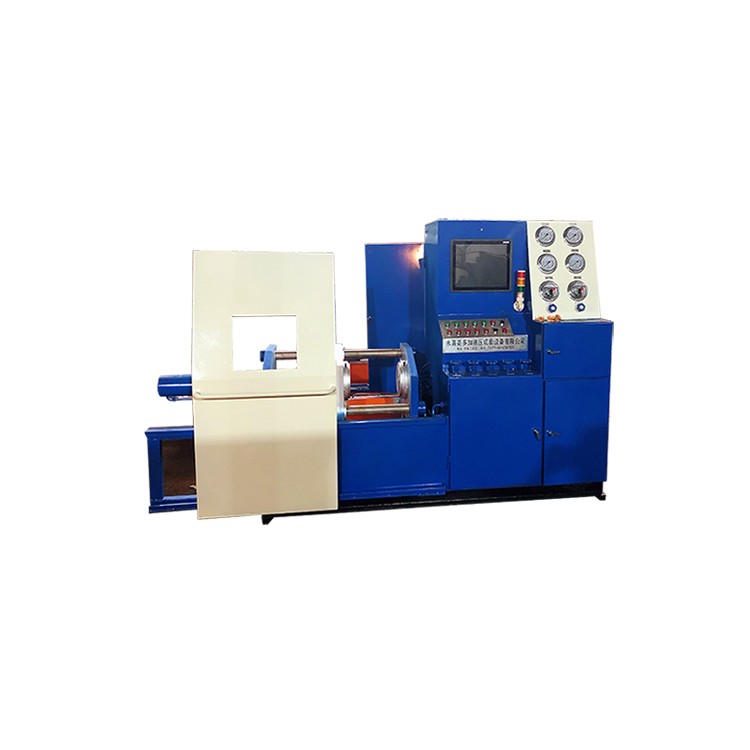
Valve Inspection Equipment, Valve Test Bench, Valve Testi...

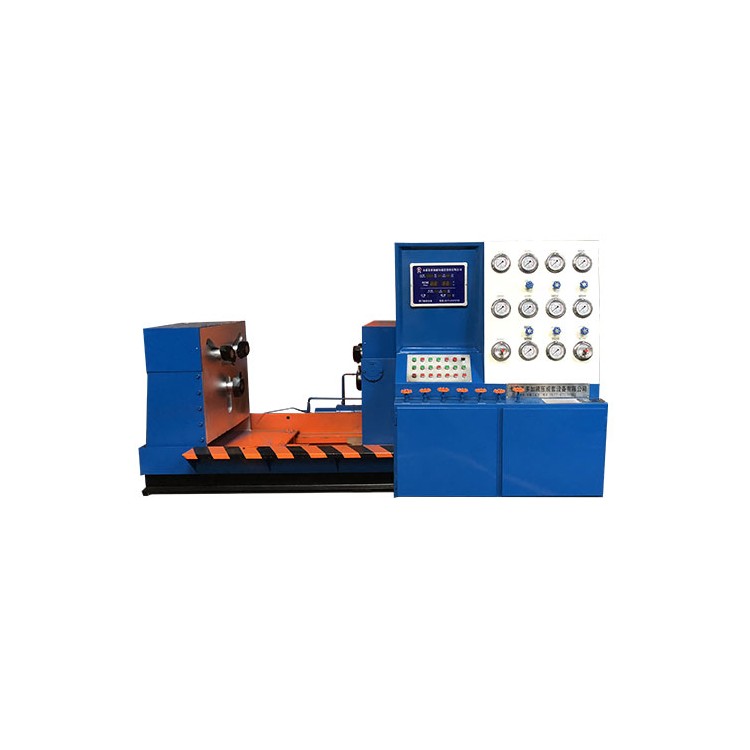
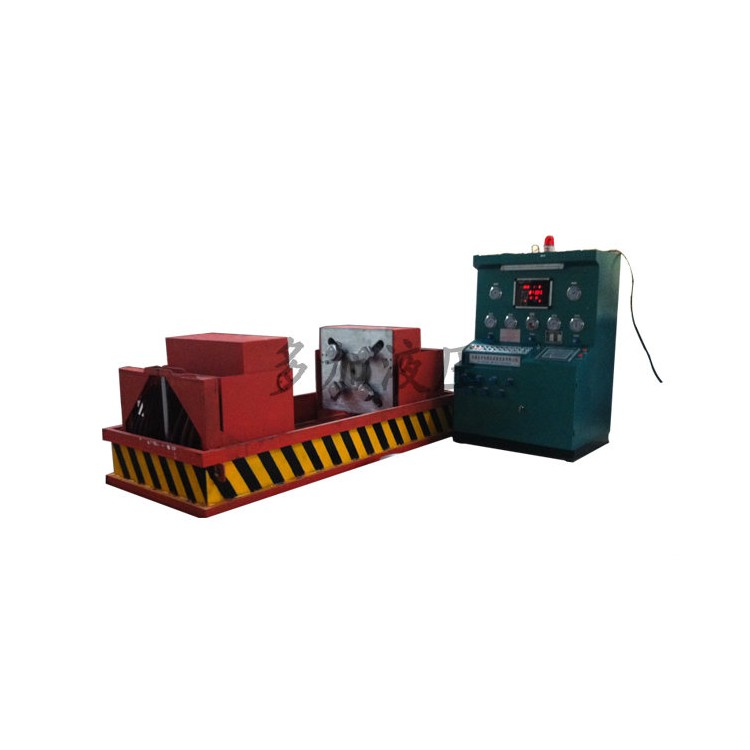
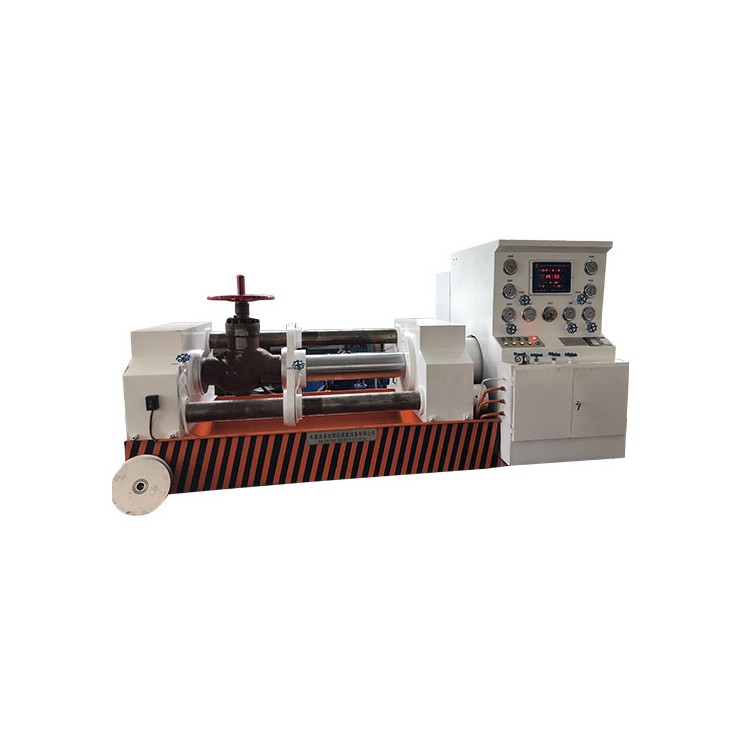
A pressure testing machine for valves is a specialized device used to test the strength and sealing performance of various valves. It is widely applied in the oil, chemical, gas, and water conservancy industries to ensure that valves perform well and are safe in actual use. This article will introduce the working principle of the pressure testing machine for valves.
I. Composition Structure
The valve pressure testing machine is mainly composed of the following parts:
Host: Including pressure gauges, pressure regulators, cylinder bodies, and pressure sensors, which are used to generate and control the pressure required during the pressure testing process.
Pressure Test Sample Clamp Device: Used to secure the valve under test, ensuring it does not shift or deform during the pressure testing process.
Hydraulic System: Comprising of components such as oil pumps, reservoirs, valves, and pipes, it is responsible for supplying stable hydraulic pressure to the testing area.
Control System: Includes microcomputers, monitors, printers, etc., used for setting test parameters, recording test data, and processing and outputting results.
Section 2: Working Principle
The working principle of the valve pressure testing machine can be summarized into the following steps:
Preparation Phase: Install the valve to be tested on the test piece holding device and connect the hydraulic system.
Set Parameters: According to the specifications and testing requirements of the valve, set the corresponding test parameters in the control system, such as pressure values and holding time.
Pressure Testing Process: Start the oil pump, and the hydraulic system delivers high-pressure fluid into the valve to be tested. Once the pressure reaches the set value, it automatically maintains the pressure for a period, then gradually reduces the pressure to zero.
Data Recording and Processing: During the pressure testing process, the control system monitors and records the pressure variations in real-time. Following the test, the data is processed and analyzed to determine whether the valve's performance meets the required specifications.
The output results: The experimental results are printed out to form a test report.
Section 3: Cautionary Notes
When using a valve pressure tester, please note the following points:
Operators must undergo professional training, familiarizing themselves with the equipment's structure, performance, and operation methods.
The tests were conducted strictly in accordance with operational procedures to ensure safety and accuracy.
Regularly inspect the integrity of all equipment components, and address any anomalies promptly.
The test data is archived for easy traceability and analysis.
In summary, a valve pressure tester is a specialized device used to test the strength and sealing performance of valves, with a simple yet effective working principle. In practical applications, following the operation procedures strictly ensures the safety and reliability of the valves.


b2b.china9.net © Zhongshang 114 Hebei Network Technology Co., Ltd.Address: Room 6009, Oriental New World Center, No.118 East Zhongshan Road, Qiaoxi District, Shijiazhuang City, Hebei ProvincePlatform Service Hotline: 4006299930