

- AllProduct Category
-
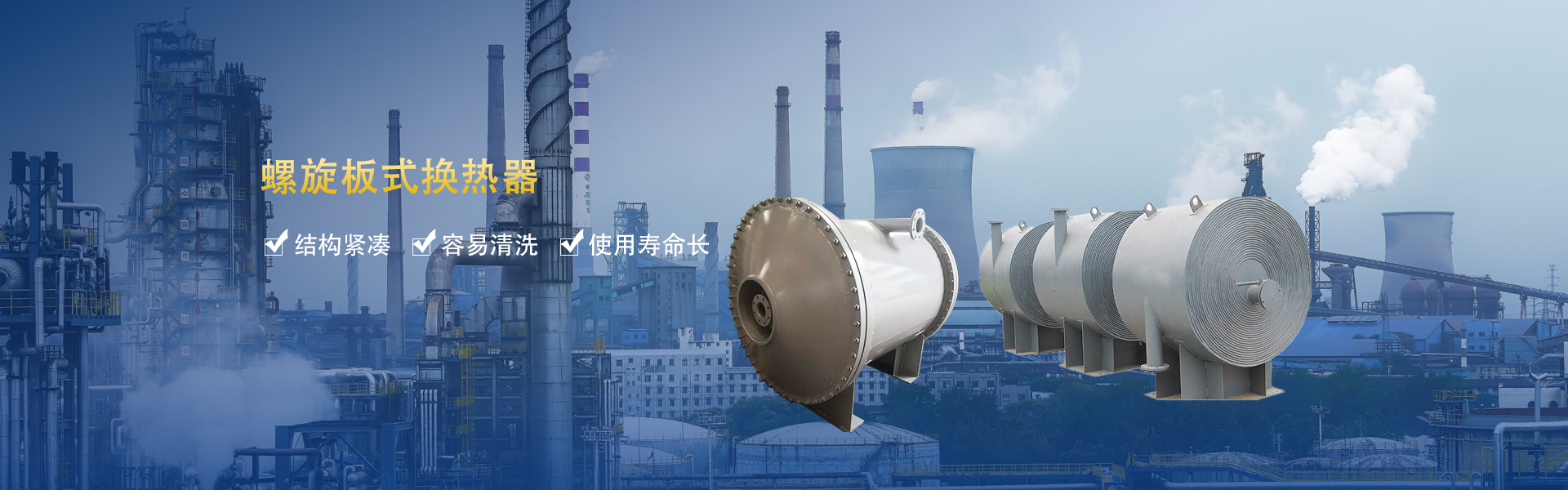
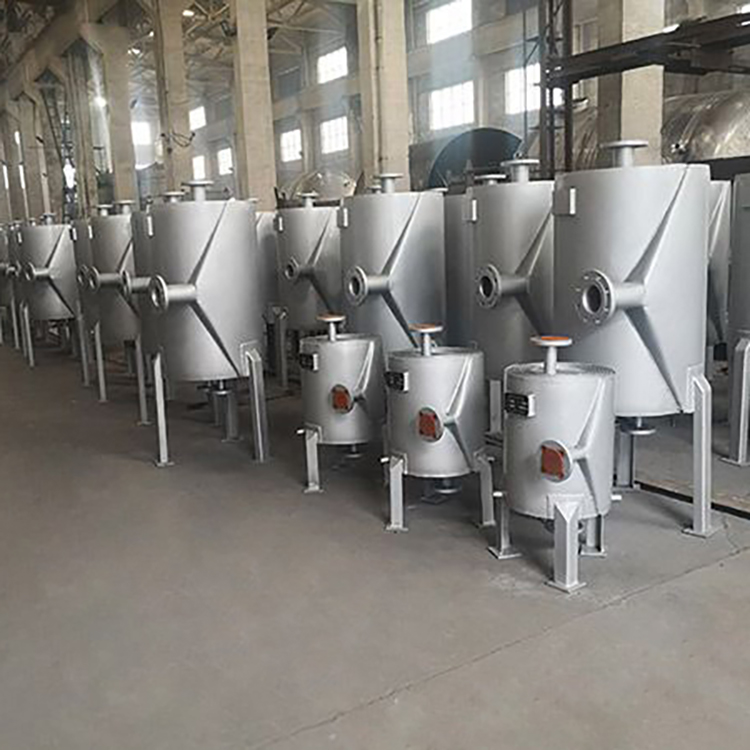
Spiral Plate Heat Exchanger
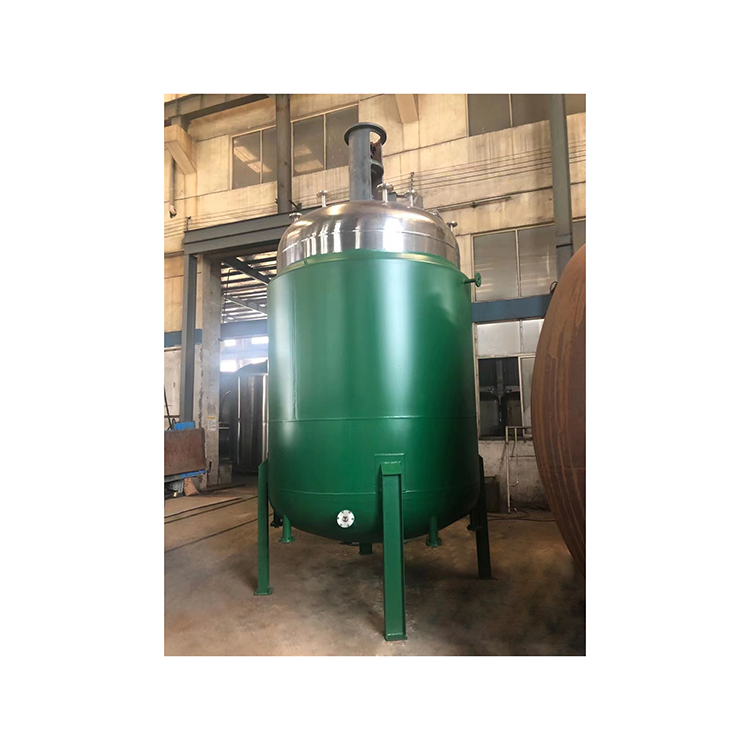
Electrically Heated Reactor Vessel
Reactor Agitator Equipment
Tubular Condenser
Scraper Evaporator
Drying and Dispersing Equipment
Storage Tank and Equipment
Fin-tube Heat Exchangers
Loading and Dispatch





详情描述
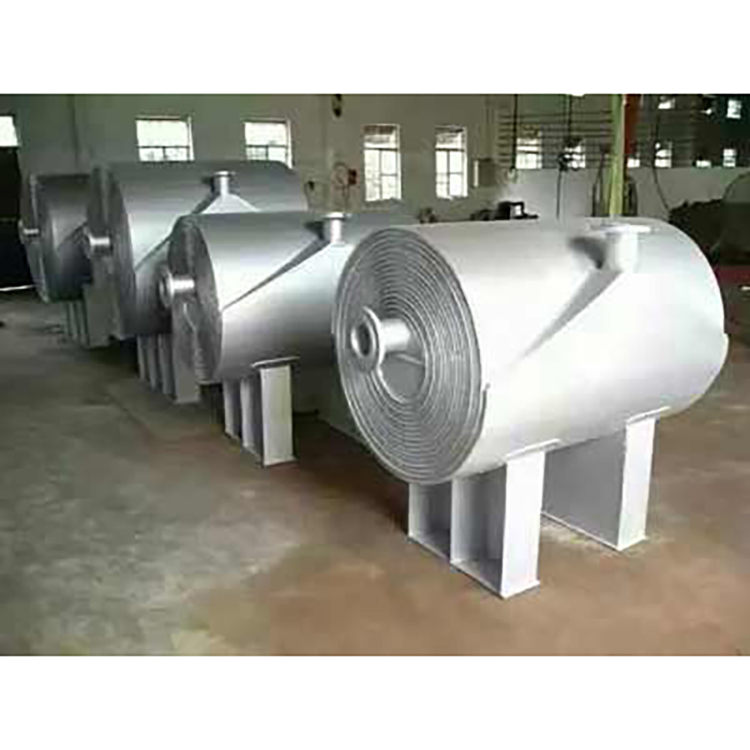
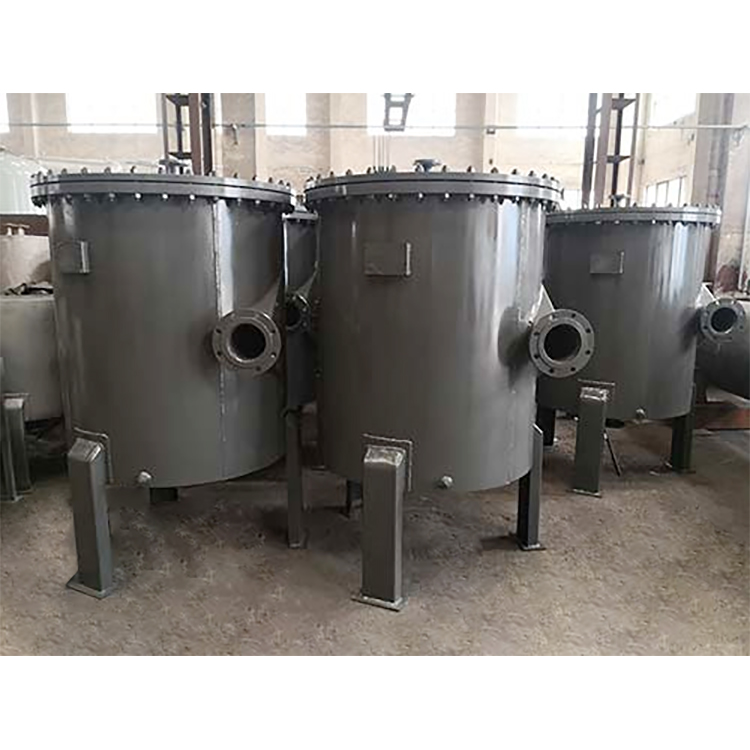
Spiral Plate Heat Exchanger
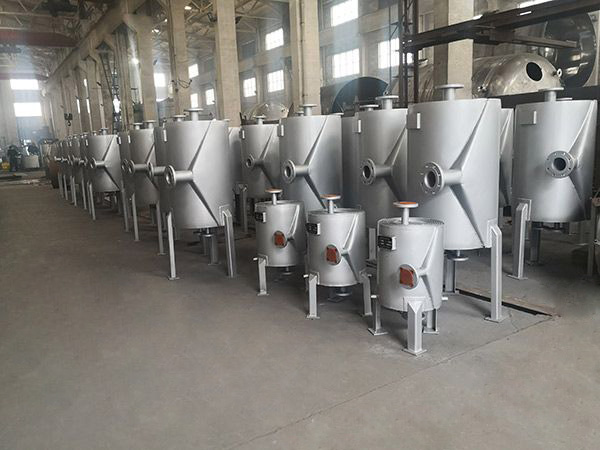
A spiral plate heat exchanger is an efficient heat exchange equipment suitable for heat transfer in vapor-vapor, vapor-liquid, and liquid-liquid systems. It is used in industries such as chemicals, petrochemicals, solvents, food, light industry, textiles, metallurgy, rolling steel, and coking. It can be classified into non-disassemblable (Type I) and disassemblable (Type II, Type III) spiral plate heat exchangers based on structural form.
Spiral plate heat exchangers, proven through years of practical use, are indeed a highly efficient type of stainless steel heat exchanger. They are suitable for applications in industries such as chemicals, petroleum, solvents, food, light industry, textiles, metallurgy, rolling steel, and coking. These heat exchangers incorporate contemporary technology and are uniquely optimized liquid-liquid and vapor-water heat exchangers. The product structure and technology adhere to the Swedish "Alfa Laval" company standards, with spiral plate ends welded using groove argon arc welding, and the "top distance column" special process employs a capacitive storage contactor, enhancing both internal and external quality, earning approval from "Baoshan" Steel.
The non-separable spiral plate heat exchanger is designed according to the JB/TQ724-89 standard for non-separable spiral plate heat exchangers, adhering to the specified basic parameters and dimensions. It boasts simplicity in manufacturing, low cost, compact size, and excellent heat transfer performance. However, it also has drawbacks, such as being unable to undergo mechanical cleaning and difficulty in repair when damaged. Users should select the appropriate equipment based on the specific project requirements for effective operation.
Spiral plate heat exchanger structure and performance:
1. This equipment is suitable for liquid-liquid, gas-gas, and gas-liquid heat transfer, which can be used for steam condensation and liquid evaporation heat transfer in industries such as chemicals, oil, machinery, electricity, light industry, and textiles.
2. This equipment is made from two steel plates rolled into two even spiral channels, allowing for full countercurrent flow with two heat transfer cutoffs. It is suitable for heat transfer with small temperature differences, facilitates the recovery of low-temperature heat sources, and enables accurate control of the outlet temperature.
3. The connection on the housing is a tangential structure, featuring low local resistance. The helical channel has a uniform curvature, with minimal direction changes for the fluid flow within the equipment, resulting in low total resistance. Consequently, the design flow rate can be increased, enabling a higher heat transfer capability.
4. The ends of the spiral channel are welded for a sealed closure, offering excellent sealing performance and a reliable structure.
5. Difficult to repair, especially when internal plates are problematic, as repairs are extremely challenging. Some manufacturers remove all welds at both ends of the equipment, flatten the plates again for re-welding, and then roll them back. This process consumes an excessive amount of labor time, making the anti-corrosion of spiral plate heat exchangers particularly important.
6. Mechanical cleaning is not recommended. Production practice has proven that spiral plate heat exchangers are less prone to clogging compared to conventional tube bundle heat exchangers. Specifically, suspended particles such as silt, small shells, and other debris are less likely to settle in the spiral channels. The reasons for this are: Firstly, it's because single-channel debris tends to be washed away as the circulating flow is established. Secondly, there are no dead corners in the spiral channels, making it easier for debris to be flushed out.
7. Due to the presence of spacer posts within the helical channels that maintain the spacing, there must be no fibrous impurities (cotton yarn, straw sticks, leaves, etc.) entering the interior of the heat exchanger.
8. Strictly control the outlet temperature of the cooling water below the scaling temperature.
9. The common cleaning methods include steam blowing or alkali washing. The steam should be blown into the inlet pipe to expel impurities from the equipment. Many manufacturers believe this to be an effective approach.
Detachable Spiral Plate Heat Exchangers (Type II, Type III)
The structural principle is essentially the same as that of a non-detachable heat exchanger, but the channels can be opened for cleaning, and both ends are sealed with flanges. Particularly suitable for liquid-liquid exchange involving sticky or sedimentary liquids, as well as gas-liquid and steam condensation. Due to the need for additional components like flanges, the equipment cost is slightly higher than that of a non-detachable heat exchanger.
询价单


