



- AllProduct Category
-
Landscaped Pavement
Porous Concrete Pavement
Color Paving
Antique Art Pavement
Colored Pavement
Eco-Porous Concrete Pavement
Landscaping Pavers
Eco-Porous Concrete Flooring





Recommended Products

Jinan Optimization Promotion, Jiaozuo Direct Supply of Permeable Concrete Paving Materials, Permeable Concrete Manufacturer

Permeable Concrete Manufacturer, Guangdong Colorful Permeable Pavement Factory, Landscape Permeable Road Surface

Customizable in multiple colors, Urumqi Art Embossed Concrete Flooring
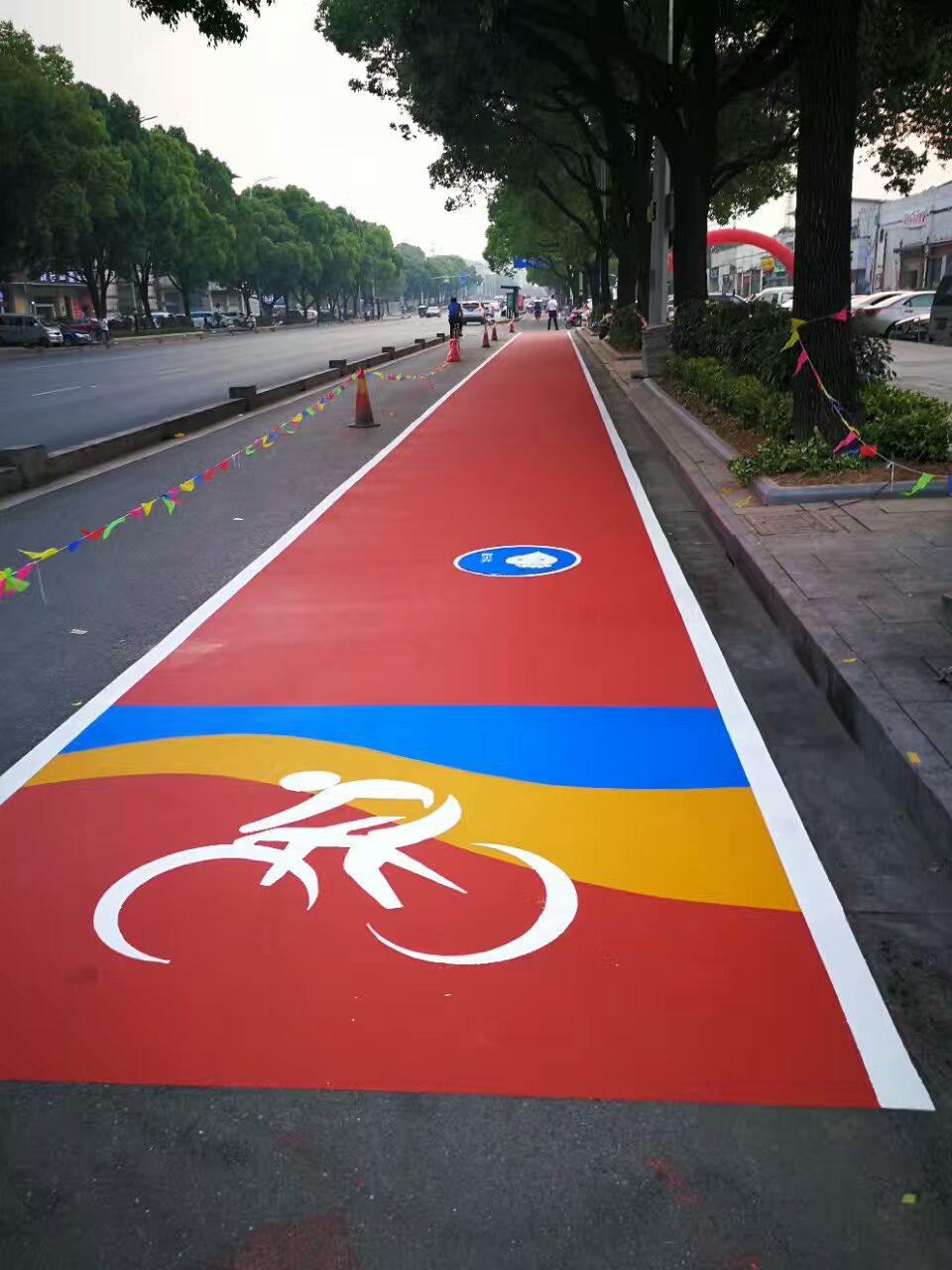
Zhaoqing City, China - Manufacturer of red permeable concrete floor materials; cast-in-place process for large-pored, permeable, colored road surfaces
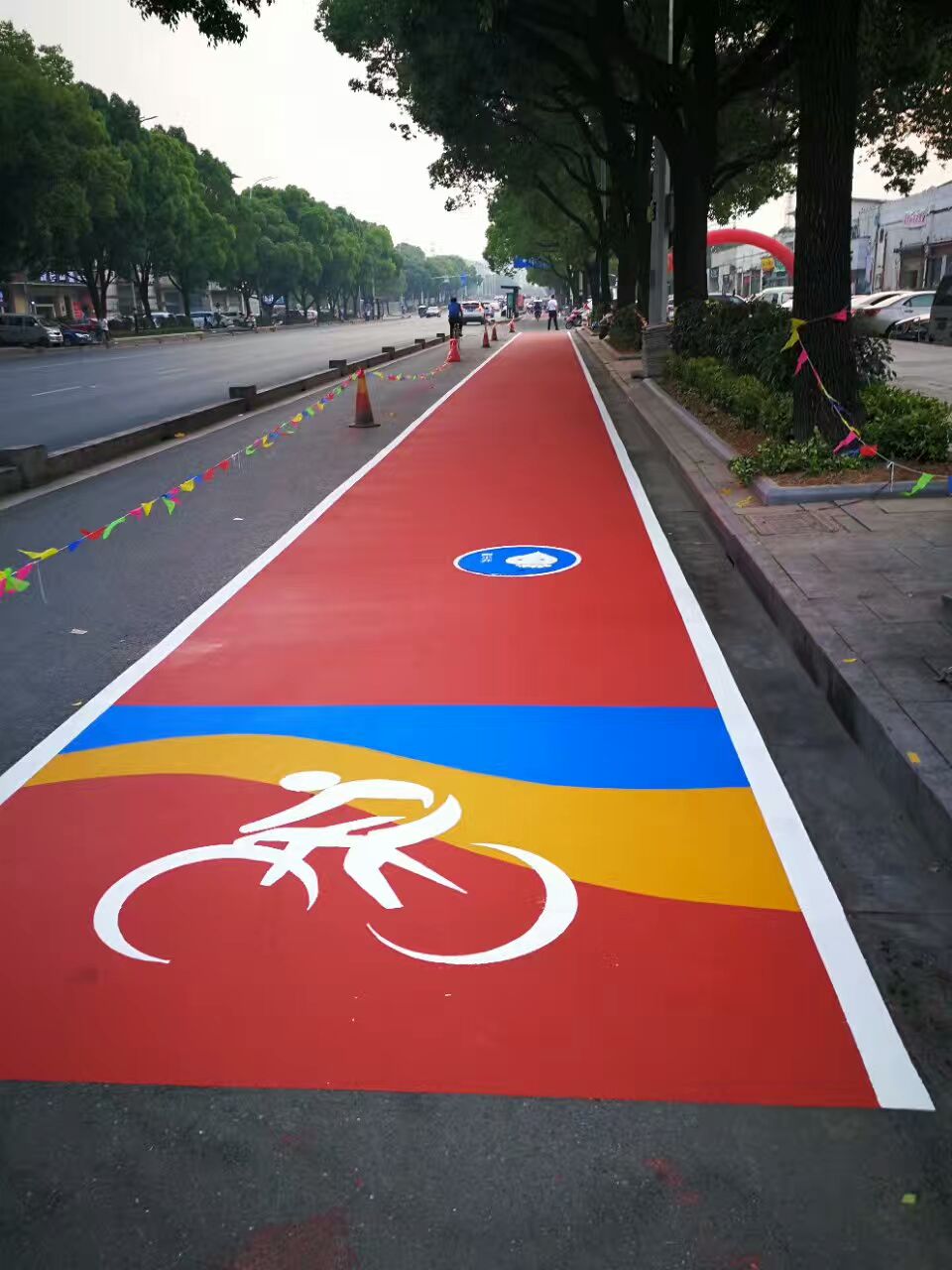
Zhaoqing City, China - Manufacturer of Red Transparent Concrete Floor Materials; Large Porous Permeable Colored Pavement Casting Technique
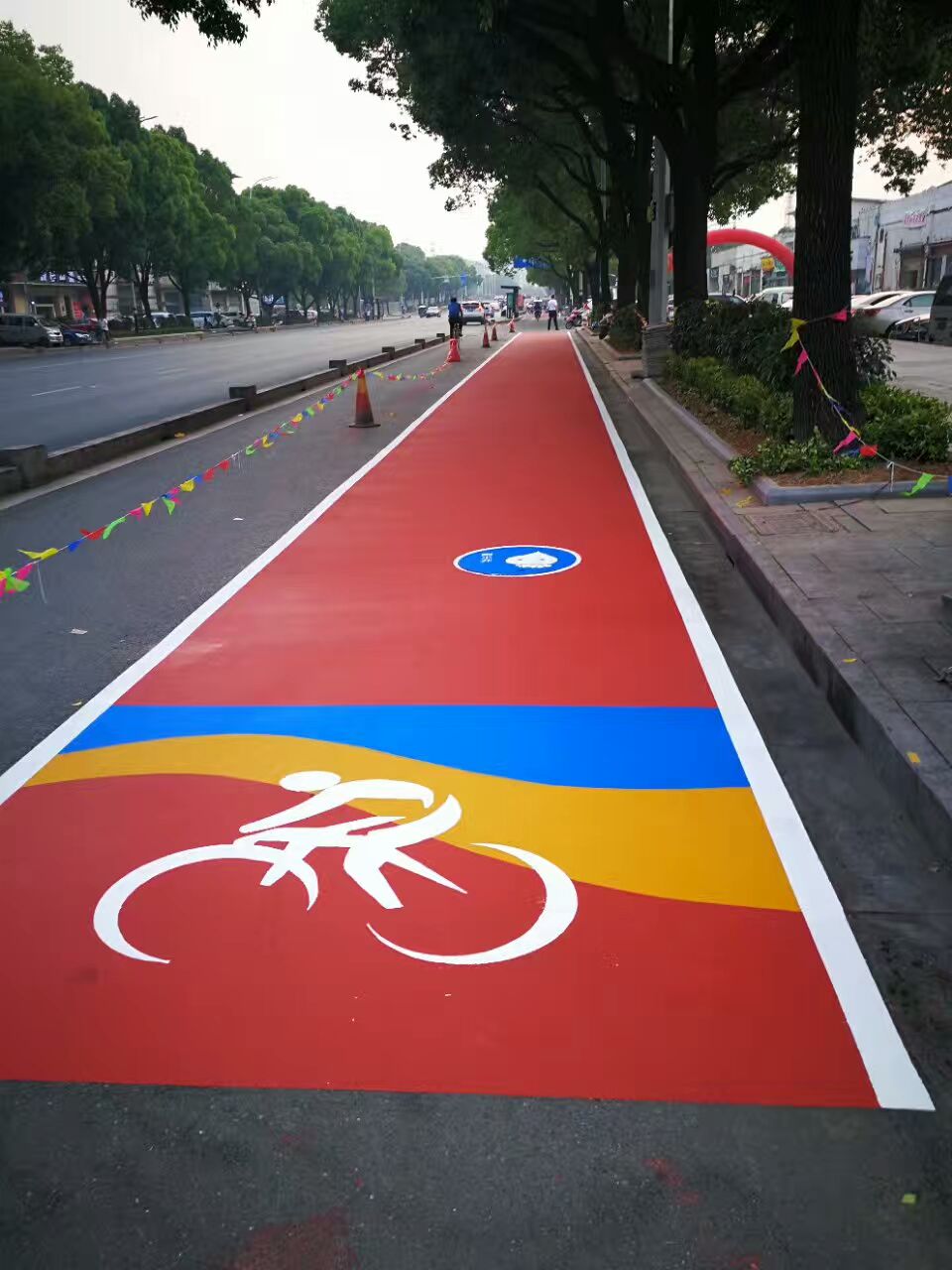
Zhaoqing City, China - Manufacturer of Red Transparent Water Concrete Floor Materials, Large Porous Permeable Colored Road Surface Casting Technology
详情描述
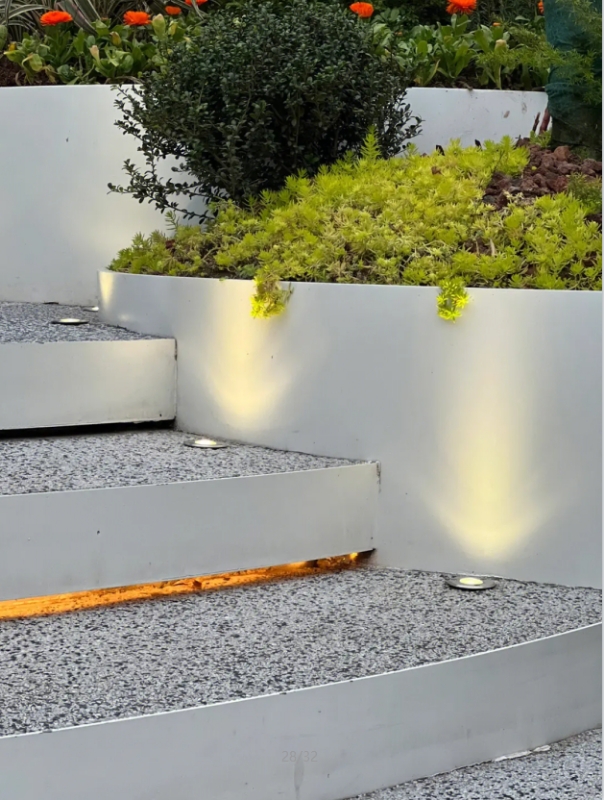
A wide variety of small stones are used in washed stone, which can be freely combined in different colors and pieced together to create various patterns. Therefore, this decorative material is relatively widely used beyond outdoor flooring and indoor wall decorations. Washed stones may be placed as needed. There are many types of stone, such as marble, slate, granite, limestone, etc. Among them, typically only two types of building stones are commonly used, namely marble and granite. The washed stones are actually the finer particles of these stones.

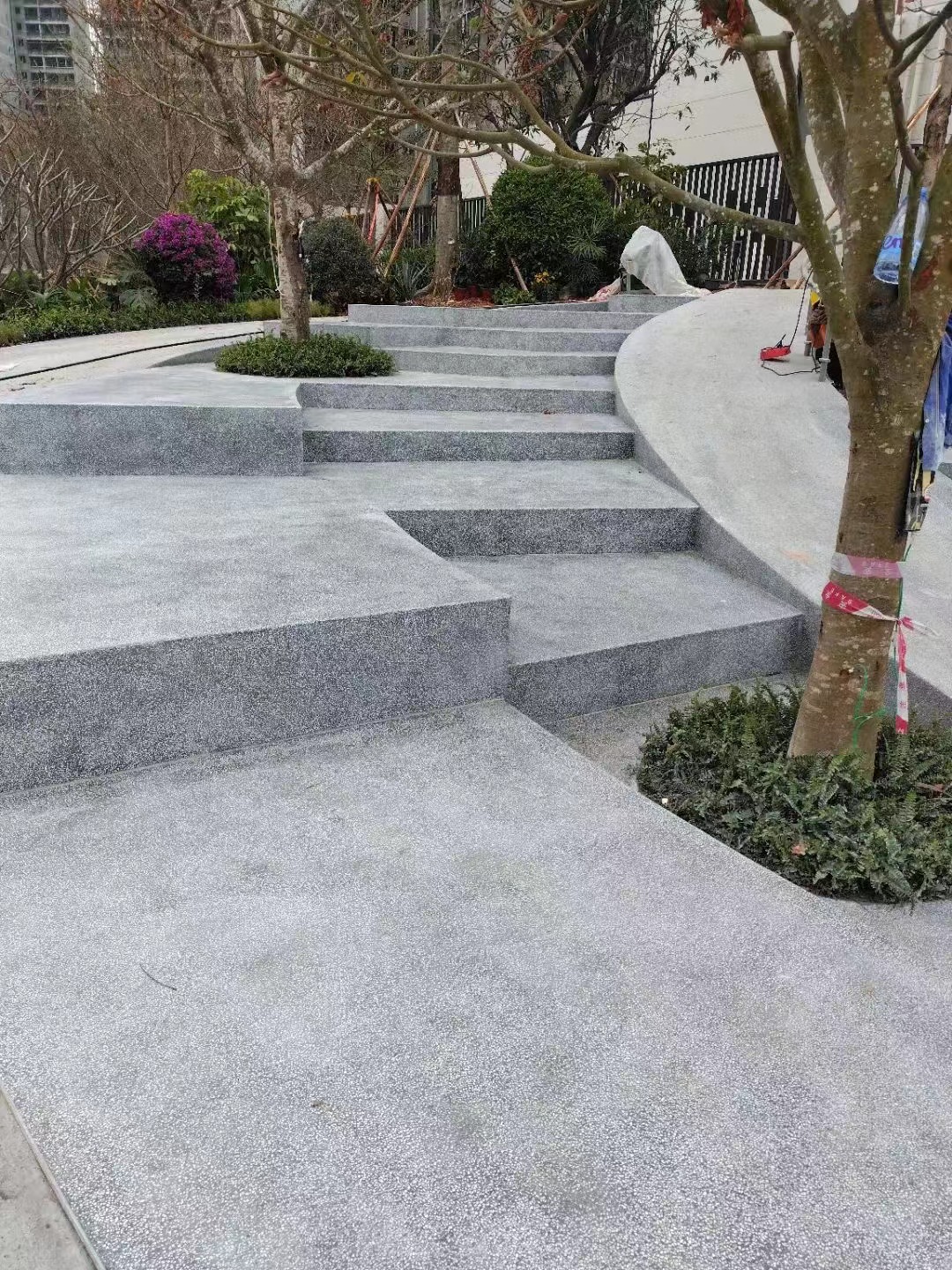
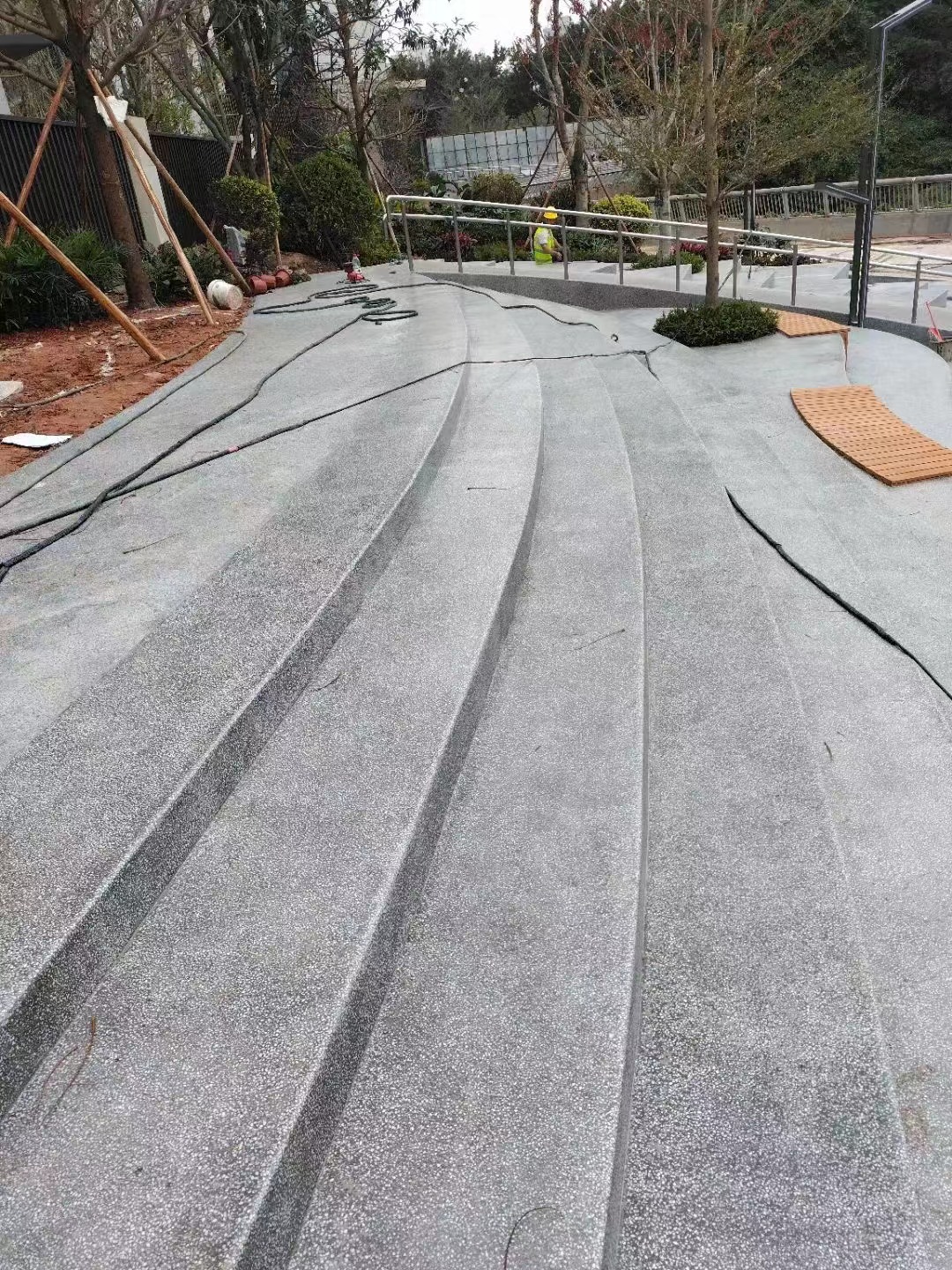
Water-washed stone flooring involves mixing natural river or sea pebbles or gravels with cement in a specific ratio, applying it to the base, leveling it with heavy-duty tools, cleaning off the surface adhesives, and revealing the original appearance of the stones. This decorative technique is similar to the popular water-washed stone process of the 70s and 80s.

Water-washed stone, with its diverse raw materials in various colors and shapes, can be decorated into a wide range of patterns and designs. It is widely used in interior decoration and outdoor landscaping. Some large-area exterior wall finishes also utilize water-washed stone, exuding a natural and simple feel.

Washing stone production method
1. Clean the grassroots level:
Clean the dust, grease, and debris from the base. If uneven, fill in the gaps; wash the grease with a 10% lye solution and let it dry.
2. Apply base mortar layer:
Apply a base coat of cement slurry, layering and applying the undercoat mortar in successive coats; level the undercoat mortar with a straightedge and abrade it with a wooden brush. After the mortar has reached final setting, water it for curing.
3. Troweled aggregate finish layer
Apply a coat of plain cement slurry, then apply the aggregate slurry in two layers. The surface should be 1mm higher than the sides of the ground. Subsequently, flatten and compact the aggregate slurry layer.
4. Maintenance & Care
Dip the brush in water, wipe away the surface mud, recompact and smooth it, and repeat this process 3 to 4 times. Once the surface is clean and the stones are exposed, rinse with clean water, seal it, and assign a specialist for maintenance. If mud residue is found on the stone surface, use oxalic acid to scrub it off. Be sure to dilute it promptly and drain it into the sewage system; do not let it flow into green spaces.


询价单


