



- AllProduct Category
-
Landscaped Pavement
Porous Concrete Pavement
Color Paving
Antique Art Pavement
Colored Pavement
Eco-Porous Concrete Pavement
Landscaping Pavers
Eco-Porous Concrete Flooring




Recommended Products

Jinan Optimization Promotion, Jiaozuo Direct Supply of Permeable Concrete Paving Materials, Permeable Concrete Manufacturer

Permeable Concrete Manufacturer, Guangdong Colorful Permeable Pavement Factory, Landscape Permeable Road Surface

Customizable in multiple colors, Urumqi Art Embossed Concrete Flooring
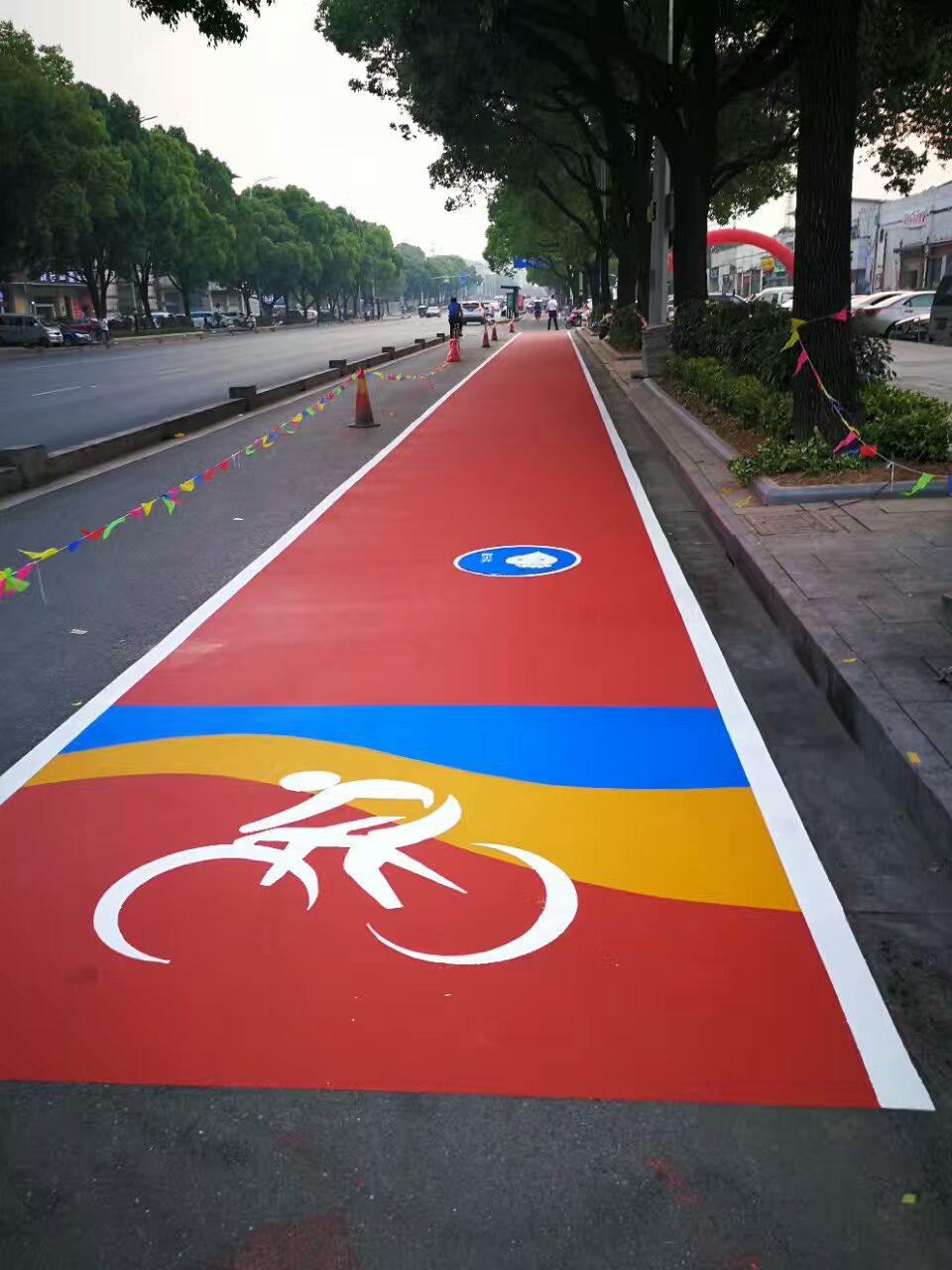
Zhaoqing City, China - Manufacturer of red permeable concrete floor materials; cast-in-place process for large-pored, permeable, colored road surfaces
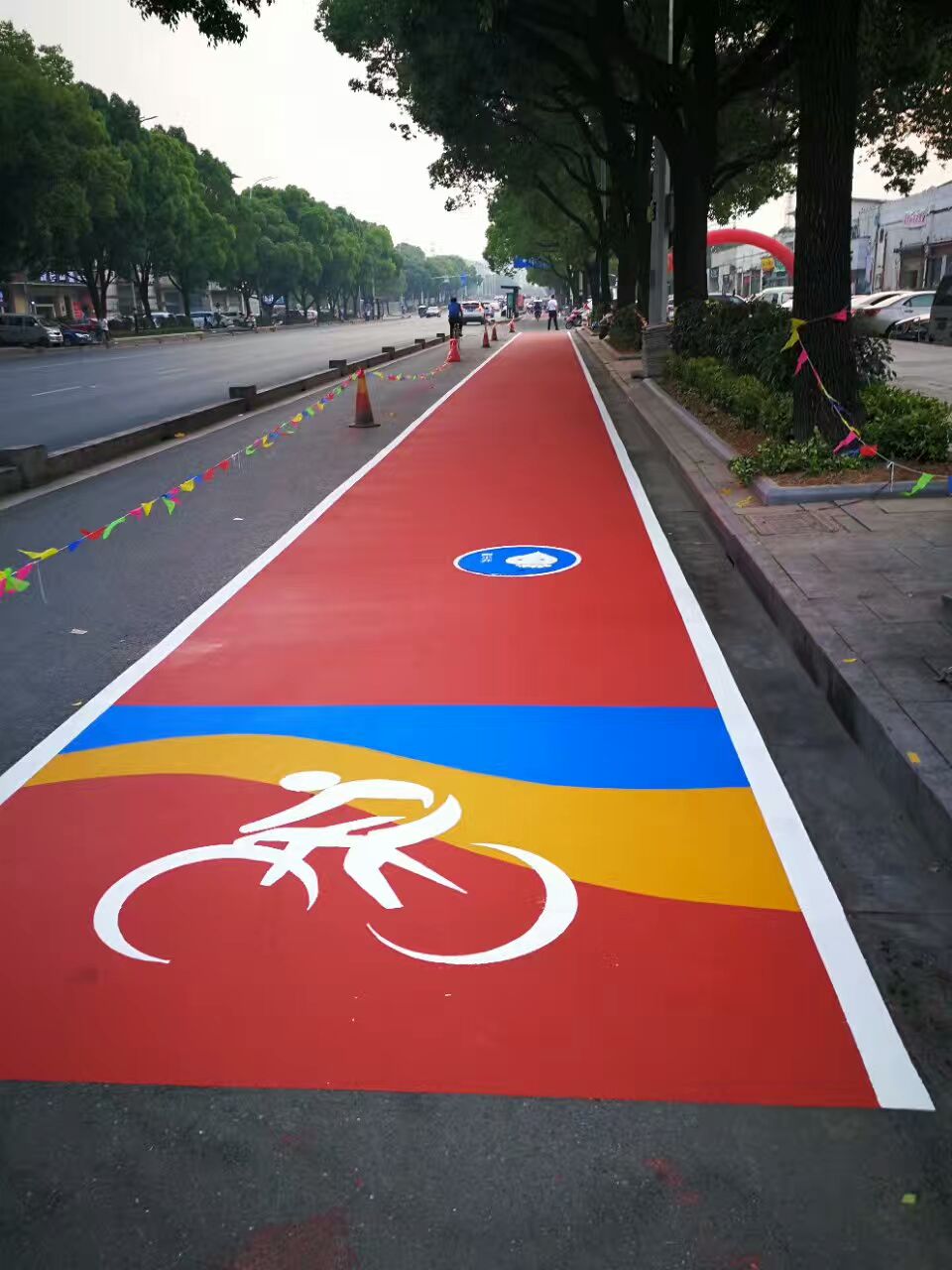
Zhaoqing City, China - Manufacturer of Red Transparent Concrete Floor Materials; Large Porous Permeable Colored Pavement Casting Technique
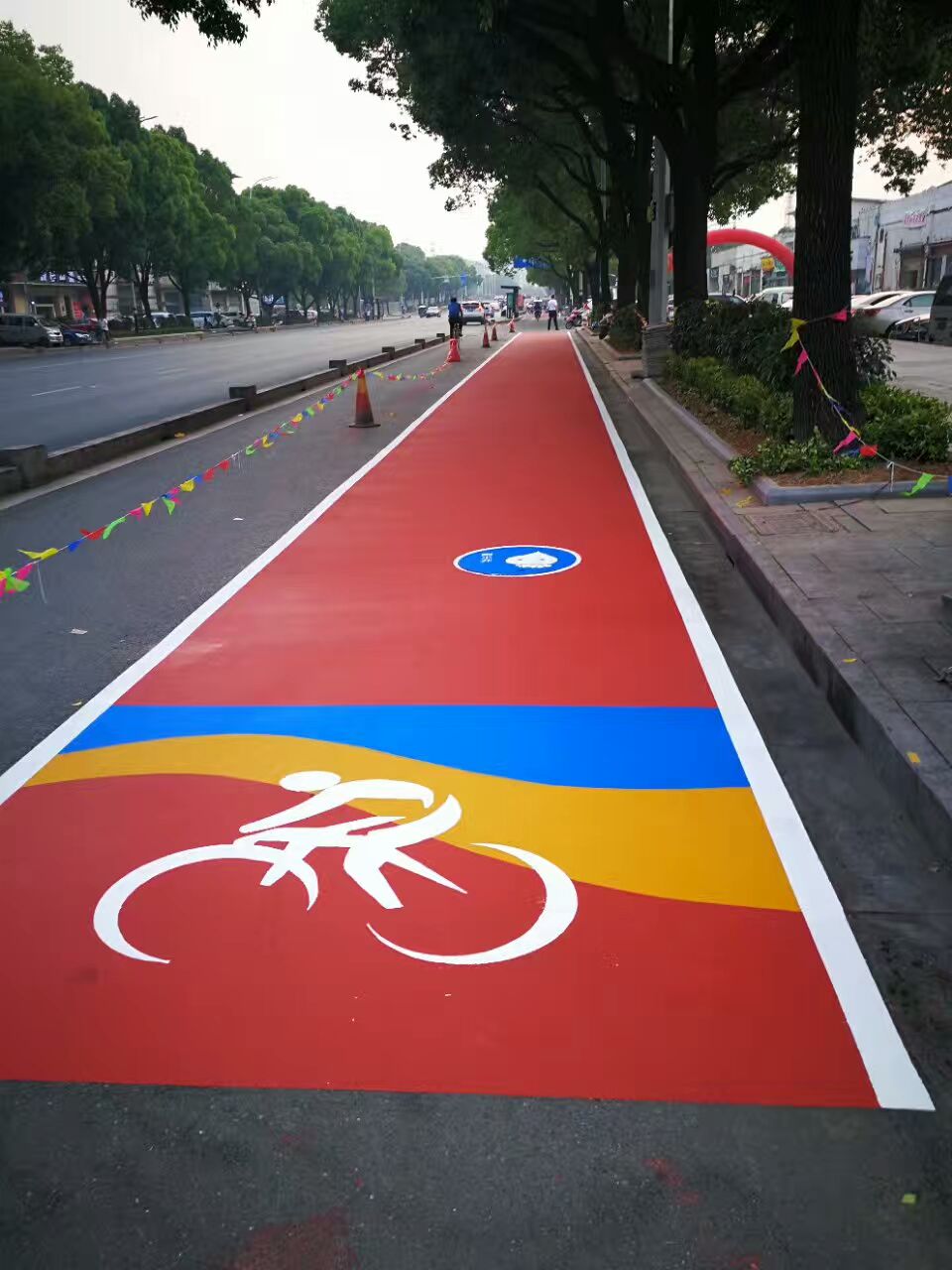
Zhaoqing City, China - Manufacturer of Red Transparent Water Concrete Floor Materials, Large Porous Permeable Colored Road Surface Casting Technology
详情描述
Traditional solutions to urban waterlogging generally aim for more, faster, and more unobstructed drainage. This "rapid drainage" approach, however, fails to consider the recycling of rainwater and cannot fundamentally solve the problem of urban waterlogging. Nevertheless, in recent years, with the application of eco-permeable concrete, the construction of "sponge cities" has become increasingly successful. Under normal climatic conditions, "sponge cities" built with permeable concrete as paving material can retain over 80% of rainwater.

The "sponge city" constructed with ecological permeable concrete can maintain constant total and peak runoff volumes. Under the effects of infiltration, regulation, and storage, the timing of peak runoff also remains relatively stable. The stability of hydrological characteristics can be achieved through proper reduction, process control, and end-of-pipe treatment.

2. Sponge City — Retention
Capture rainwater, respecting the natural terrain and landforms to allow for natural dispersal of rainfall. With artificial construction having disrupted natural terrain, water accumulates in one place in a short time, leading to internal flooding. Therefore, it is necessary to store rainfall for regulating and peak-shaving purposes. Currently, there are no fixed standards or requirements for the water storage phase in sponge cities, with diverse underground storage styles. The two most commonly used forms are: plastic module water storage and underground water reservoirs.

3. Sponge City — Retard
Its primary function is to delay the runoff of rainwater formed in a short period. For instance, by adjusting micro-topography, it allows rainwater to slowly accumulate in one place, trading time for space. Through the process of "retention," it can delay the peak formation of runoff. The specific forms can be summarized into three: rain gardens, ecological retention ponds, infiltration ponds, and artificial wetlands.

4. Sponge City - Clean
Soil infiltration, through vegetation, green spaces, and water bodies, all contribute to water purification. Therefore, it should be collected, treated, and reused within the city. Rainwater purification systems are designed with varying purification processes based on regional environmental conditions, which can generally be categorized into three types: residential area rainwater collection and purification, industrial area rainwater collection and purification, and municipal public area rainwater collection and purification. Based on these three types of regional environments, different rainwater purification stages can be set up. The currently familiar purification processes are typically divided into three stages: soil filtration purification, constructed wetland purification, and biological treatment.
询价单


