



- AllProduct Category
-
Landscaped Pavement
Porous Concrete Pavement
Color Paving
Antique Art Pavement
Colored Pavement
Eco-Porous Concrete Pavement
Landscaping Pavers
Eco-Porous Concrete Flooring





Recommended Products

Jinan Optimization Promotion, Jiaozuo Direct Supply of Permeable Concrete Paving Materials, Permeable Concrete Manufacturer

Permeable Concrete Manufacturer, Guangdong Colorful Permeable Pavement Factory, Landscape Permeable Road Surface

Customizable in multiple colors, Urumqi Art Embossed Concrete Flooring
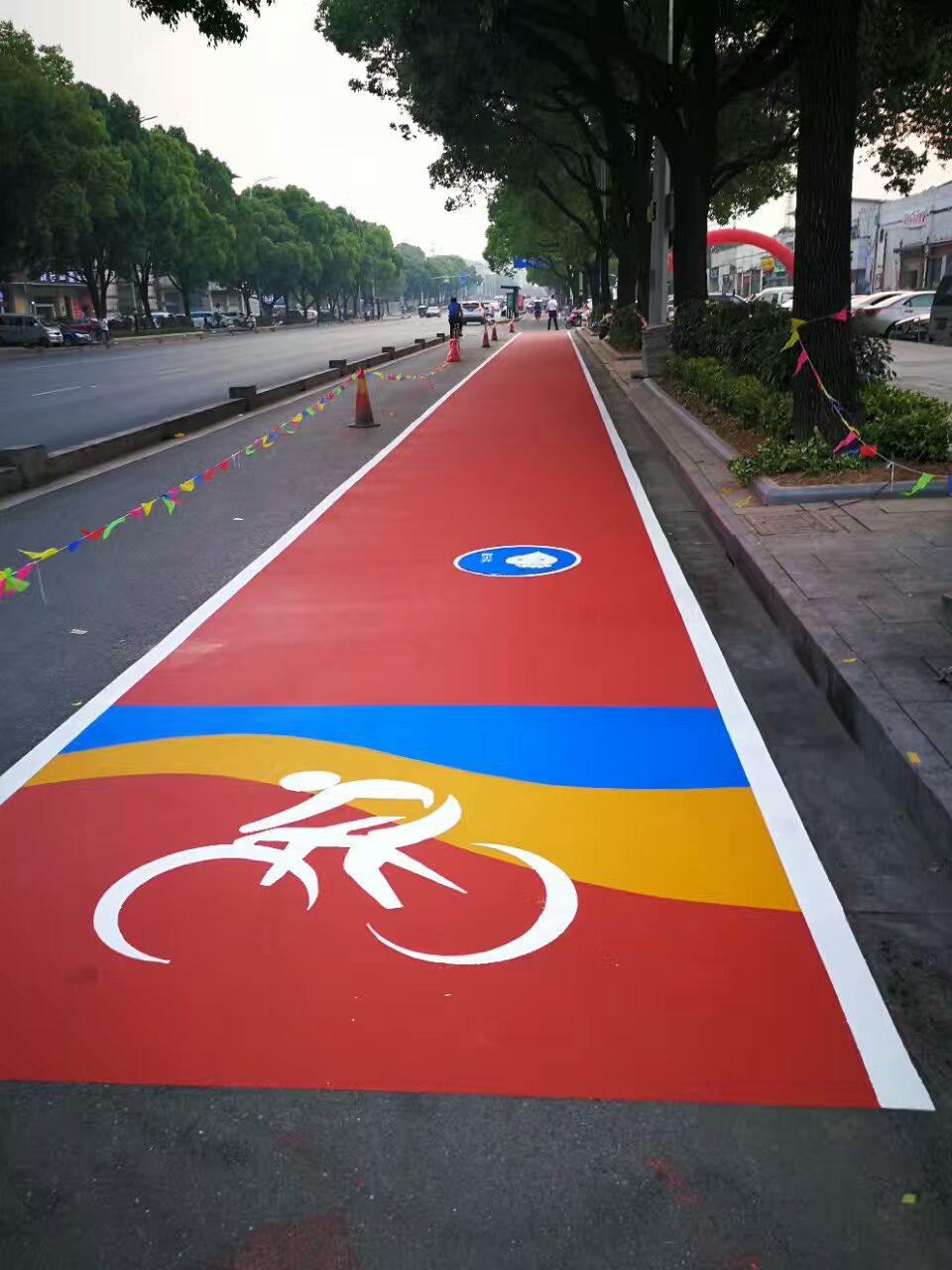
Zhaoqing City, China - Manufacturer of red permeable concrete floor materials; cast-in-place process for large-pored, permeable, colored road surfaces
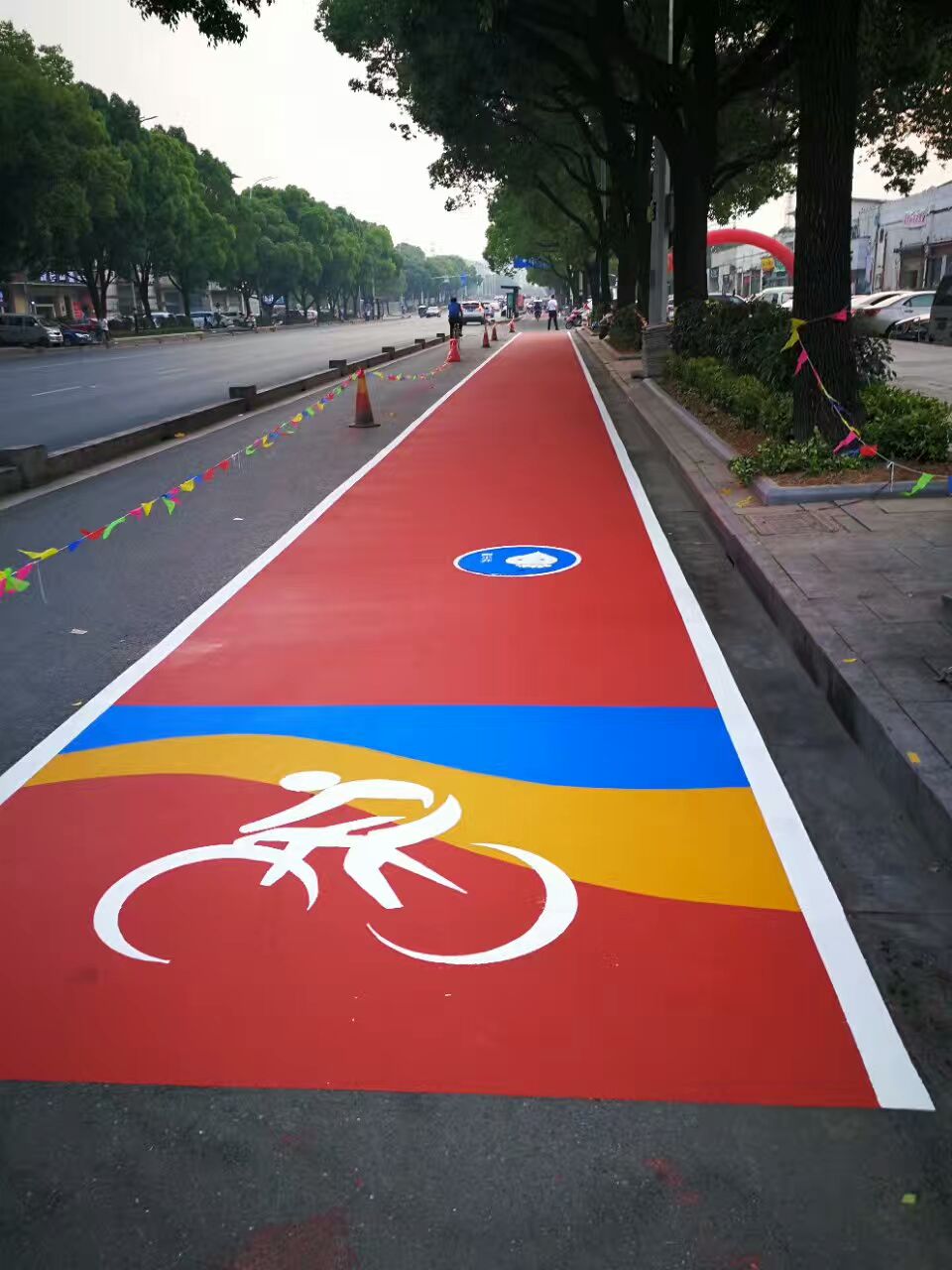
Zhaoqing City, China - Manufacturer of Red Transparent Concrete Floor Materials; Large Porous Permeable Colored Pavement Casting Technique
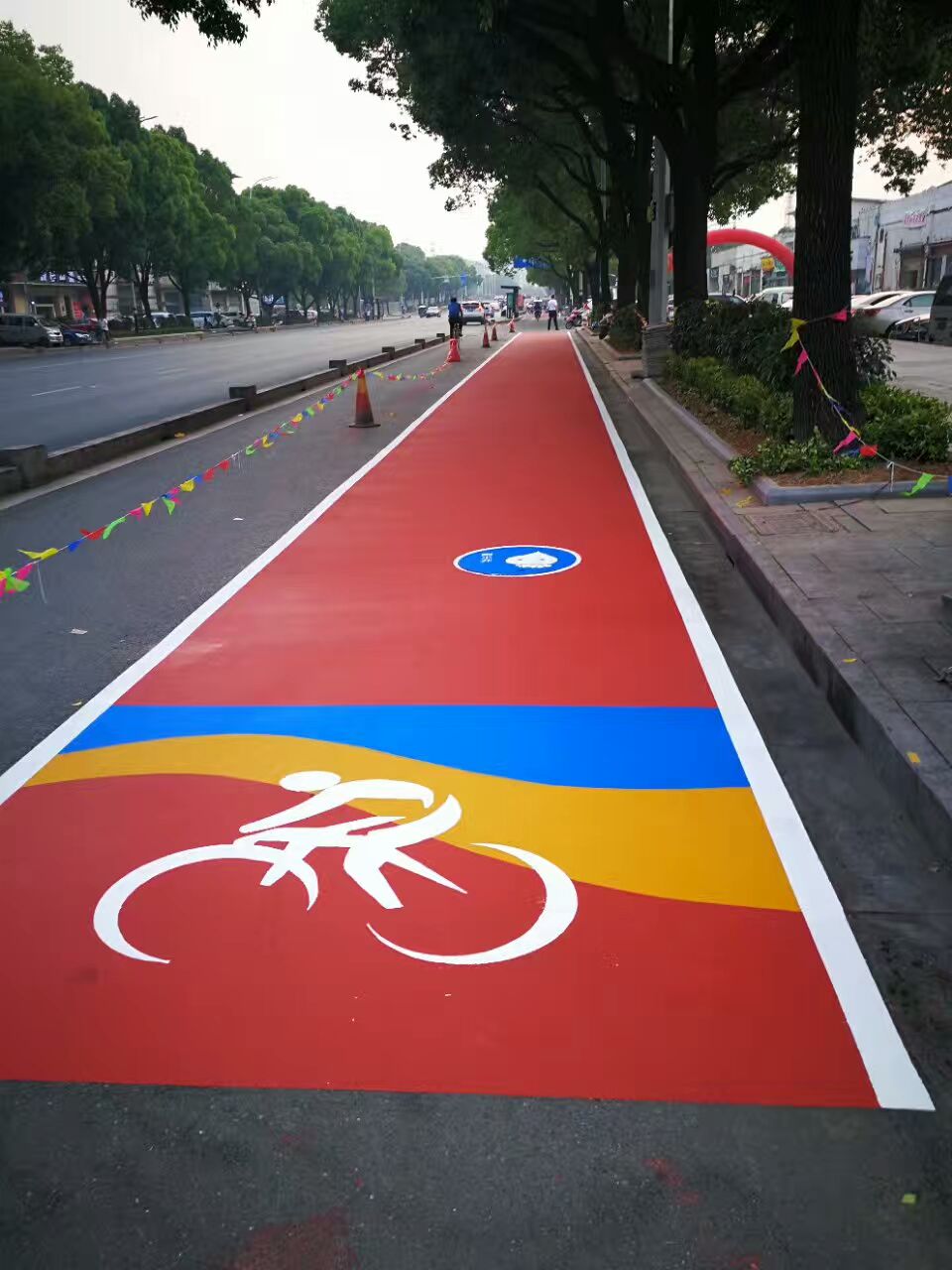
Zhaoqing City, China - Manufacturer of Red Transparent Water Concrete Floor Materials, Large Porous Permeable Colored Road Surface Casting Technology
详情描述
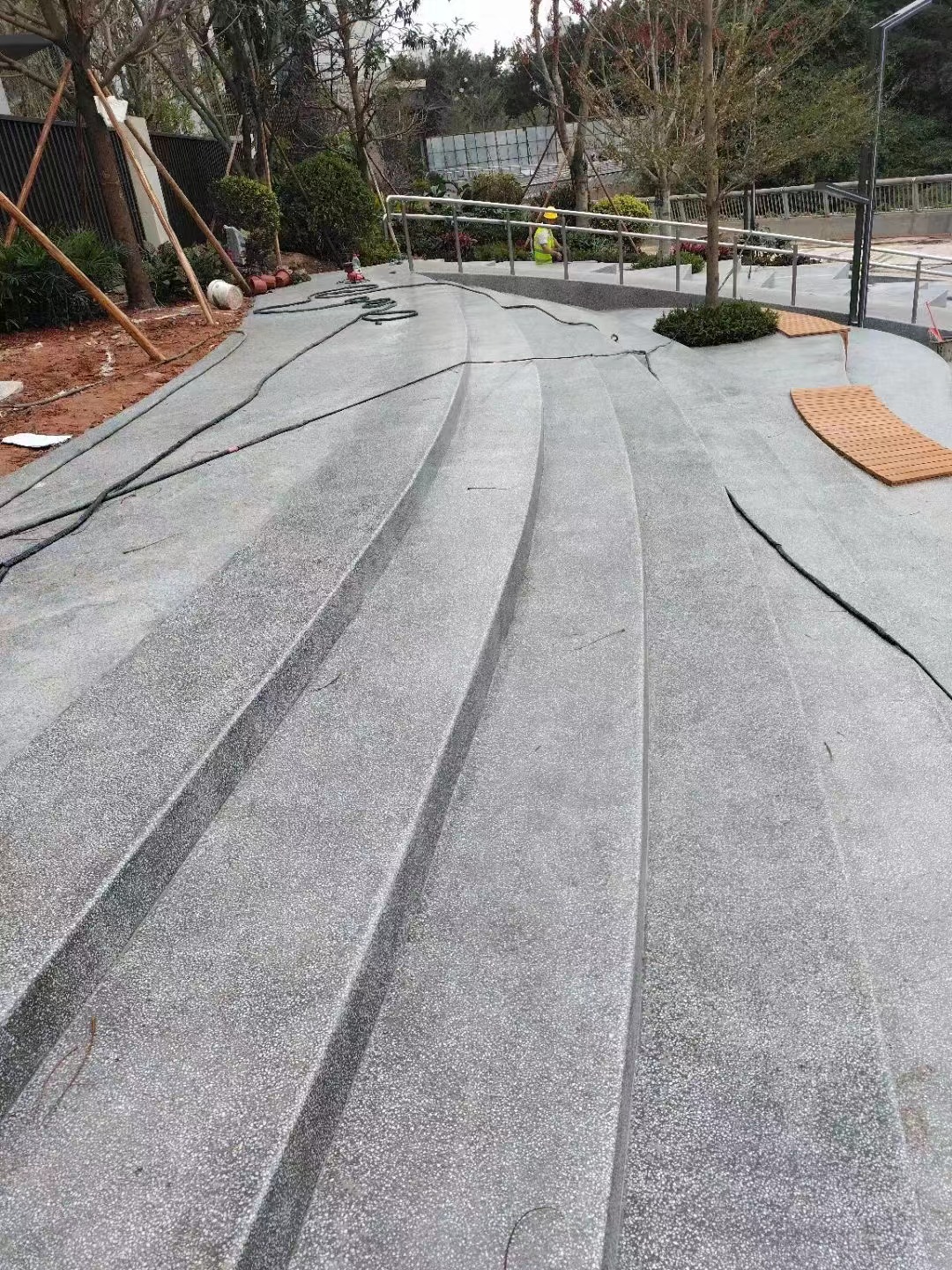
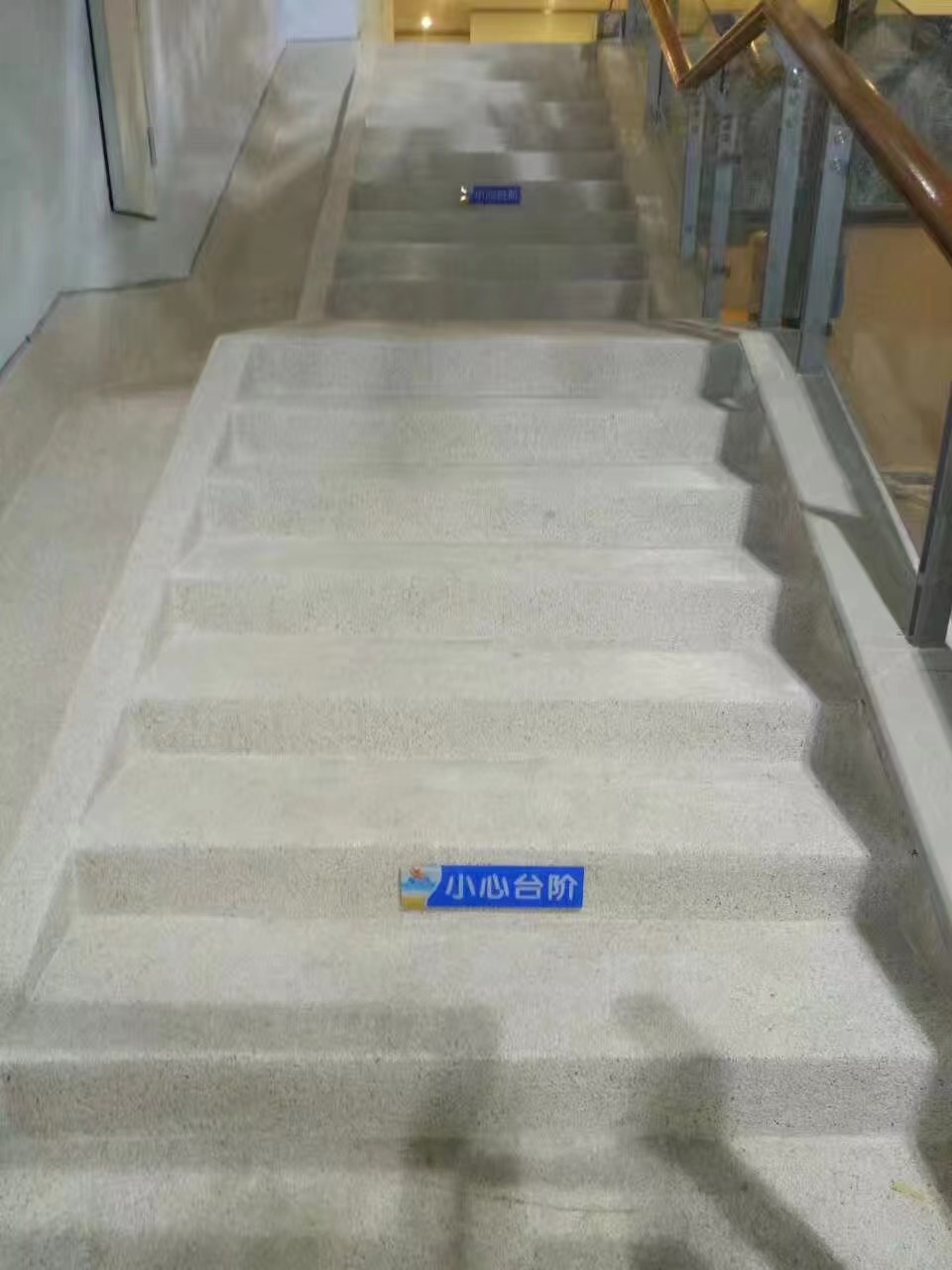
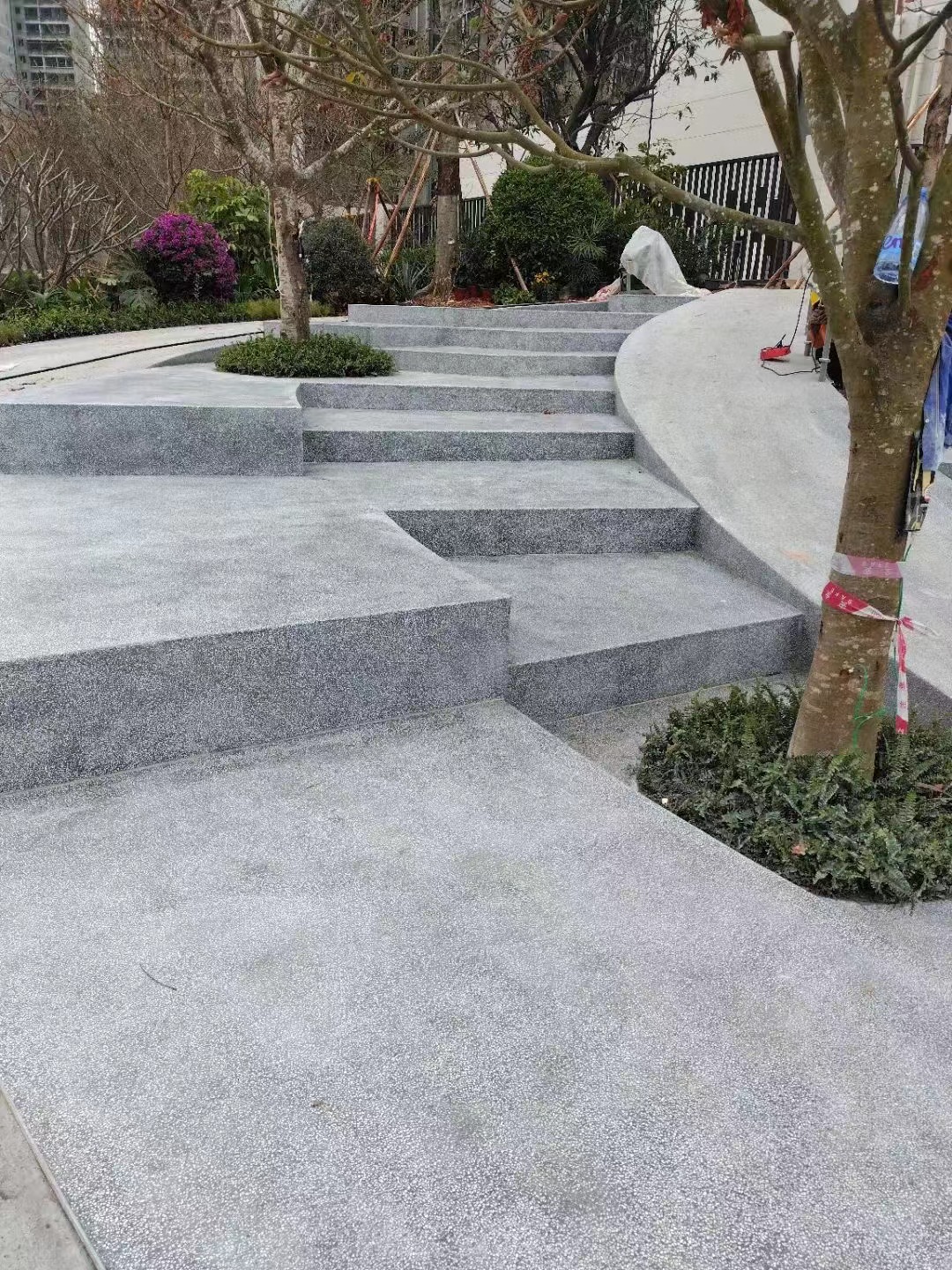
Water-washed stone is a construction technique that has become increasingly popular in recent years. It primarily involves mixing natural river or sea pebbles or gravels with cement in proportion, spreading the mixture on the base, flattening it with a weighted tool, and then treating the surface adhesives to reveal the natural stone texture.

Due to the diverse colors and shapes of its raw materials, it can be used to create a variety of patterns and designs, widely applied in interior decoration and outdoor landscape shaping. Some large-area exterior wall finishes also opt for water-washed stone, exuding a natural and rustic feel.

Cautionary Notes:
1. Pay attention to the content of washed stone; too little affects the appearance, and too much may not bond securely. For example, with particle sizes of 3-5mm, the content per square meter should be around 18-20kg.
2. Mix gravel and cement thoroughly before adding water. Clean all debris from the concrete sublayer before laying to prevent loose碎石 from detaching and cracking.
3. The water-washed stone surface layer can be connected with other paving materials using copper strips or PE separation strips, ensuring the integrity of the water-washed stone edge line.
4. When flattening, use a trowel to gently tap and smooth the mixed slurry repeatedly. Ensure thorough bonding between the mixed slurry and the subgrade for even stone distribution. Outdoor construction temperatures should not be below 4°C, as this affects bonding and curing, making it prone to falling off.
5. Clean the surface with a sponge promptly when it's semi-dry, and repair the stone granules.
6. Promptly complete the product protection measures, and once fully dried, apply water-based resin to achieve waterproof, stain-resistant, and brightening effects.

Washed stone is a construction technique that has gained increasing popularity in recent years. Its essence is quite similar to the water-washed stone technique of the 1960s. Although more challenging to work with on walls, the quality is easy to maintain. Groundwork is less difficult, but it's highly prone to cracking and localized settling. Therefore, the foundation design and construction must ensure stability of the ground, and it's necessary to use reinforced concrete foundation pads. Additionally, it's generally recommended to set settlement joints every 5 to 6 meters.

询价单


