



- AllProduct Category
-
Landscaped Pavement
Porous Concrete Pavement
Color Paving
Antique Art Pavement
Colored Pavement
Eco-Porous Concrete Pavement
Landscaping Pavers
Eco-Porous Concrete Flooring





Recommended Products

Jinan Optimization Promotion, Jiaozuo Direct Supply of Permeable Concrete Paving Materials, Permeable Concrete Manufacturer

Permeable Concrete Manufacturer, Guangdong Colorful Permeable Pavement Factory, Landscape Permeable Road Surface

Customizable in multiple colors, Urumqi Art Embossed Concrete Flooring
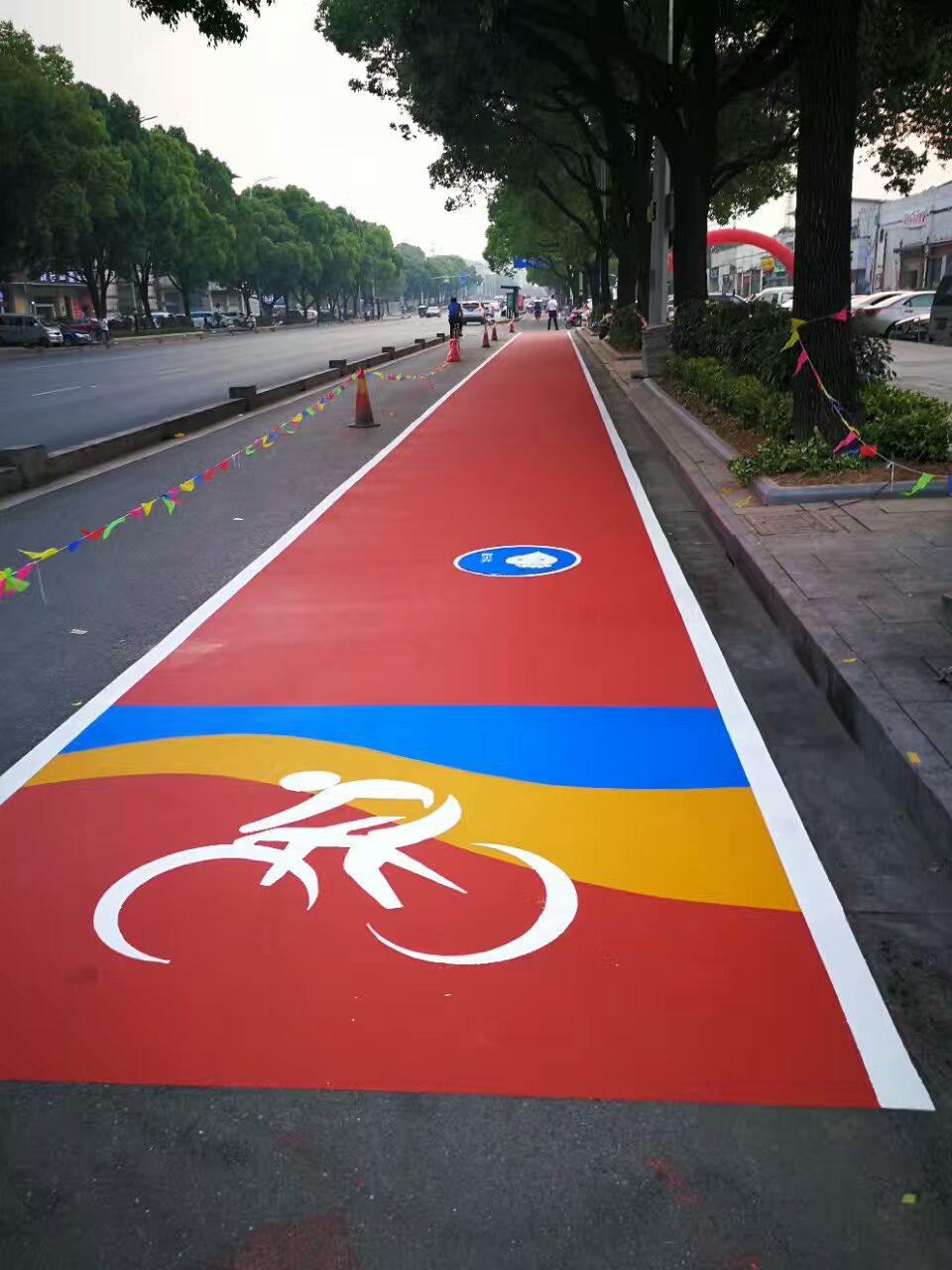
Zhaoqing City, China - Manufacturer of red permeable concrete floor materials; cast-in-place process for large-pored, permeable, colored road surfaces
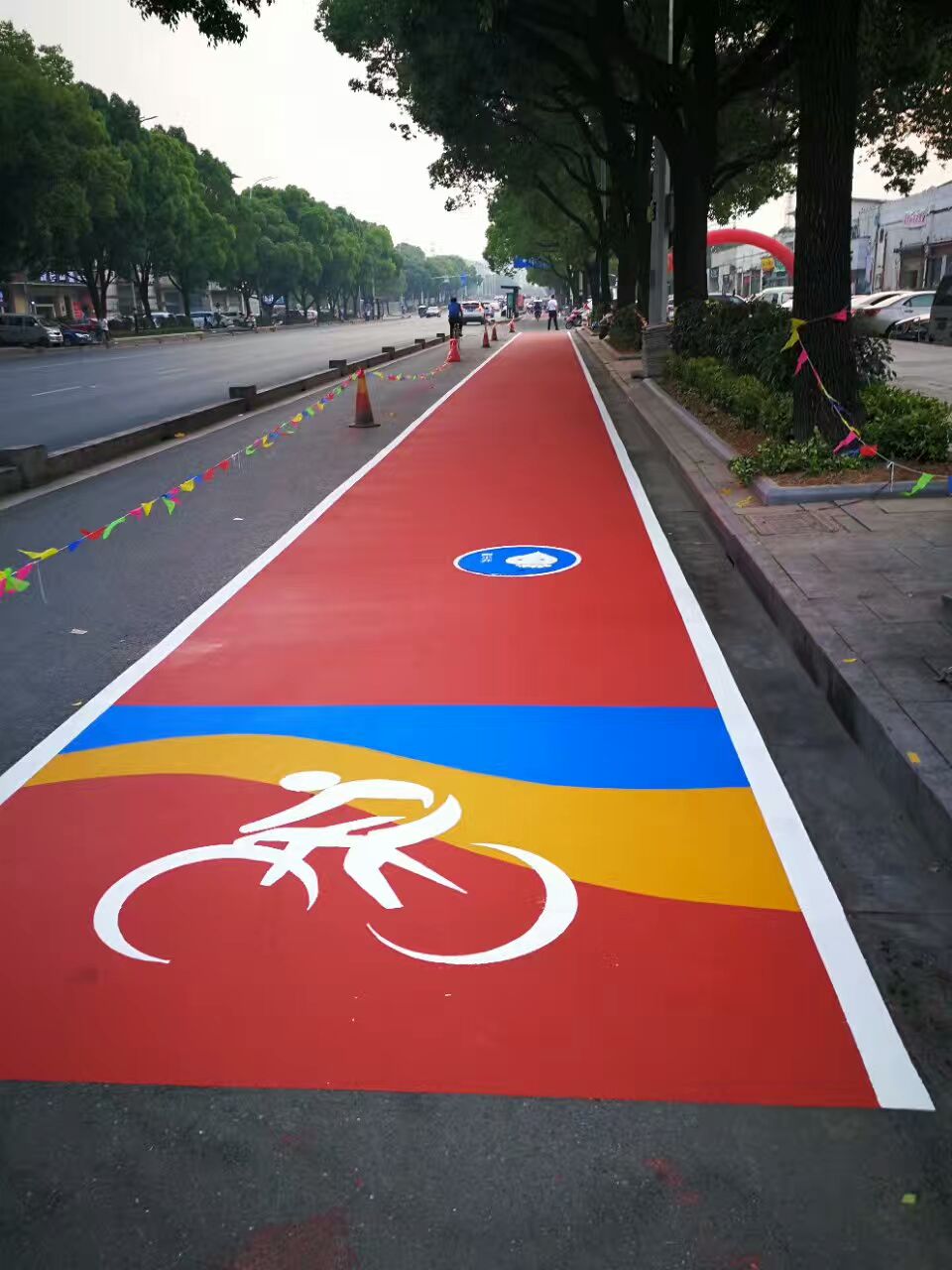
Zhaoqing City, China - Manufacturer of Red Transparent Concrete Floor Materials; Large Porous Permeable Colored Pavement Casting Technique
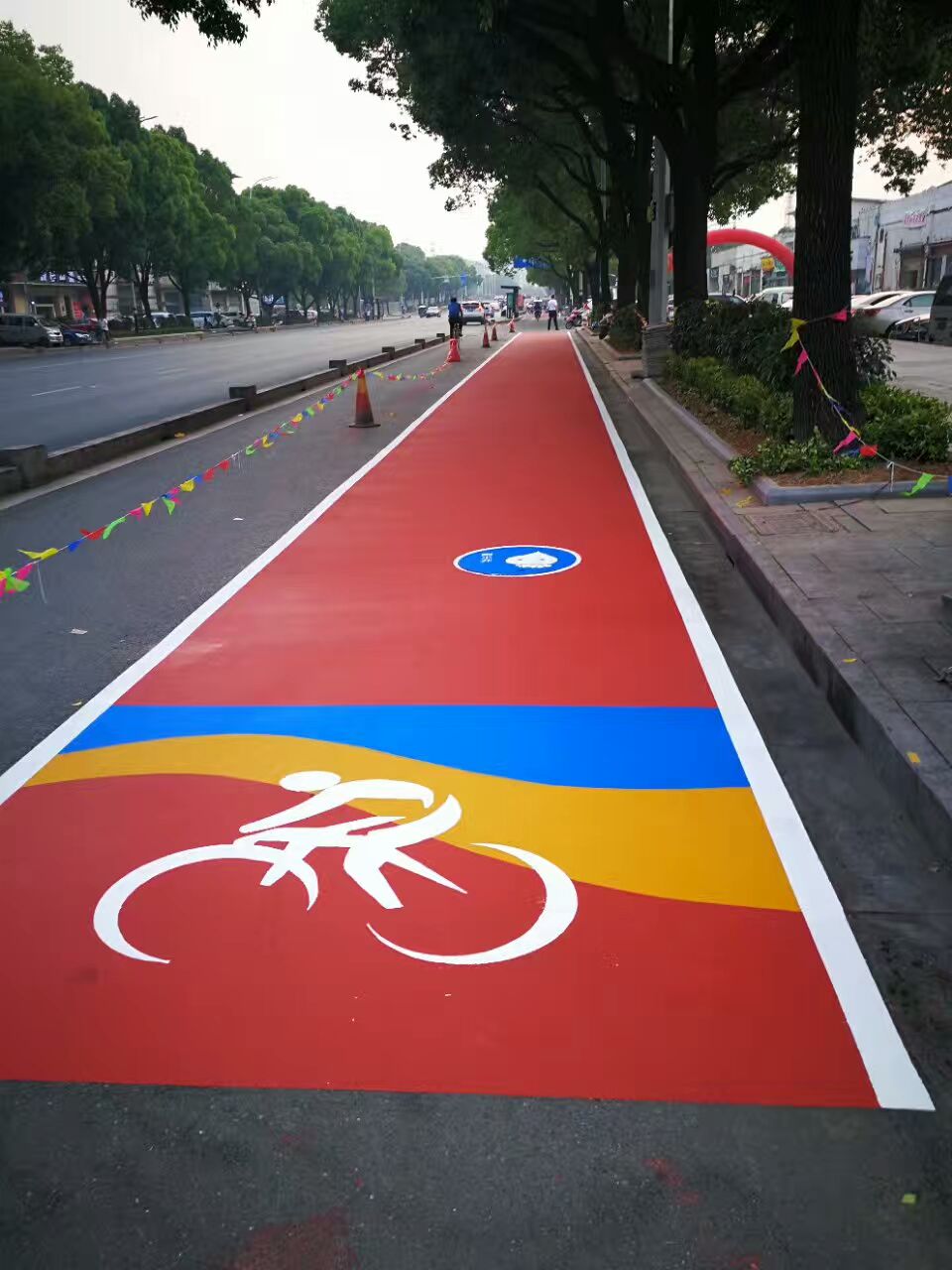
Zhaoqing City, China - Manufacturer of Red Transparent Water Concrete Floor Materials, Large Porous Permeable Colored Road Surface Casting Technology
详情描述
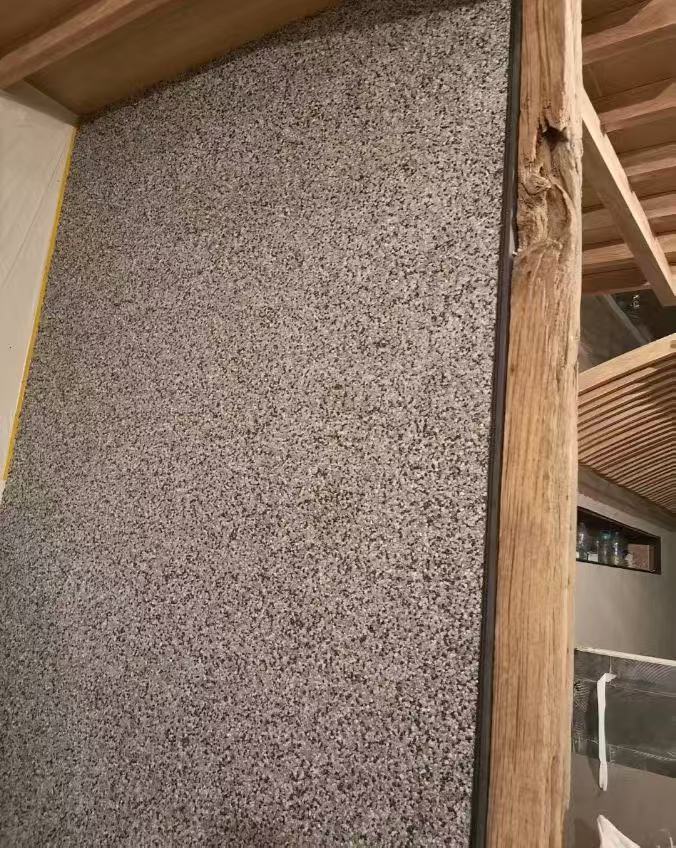
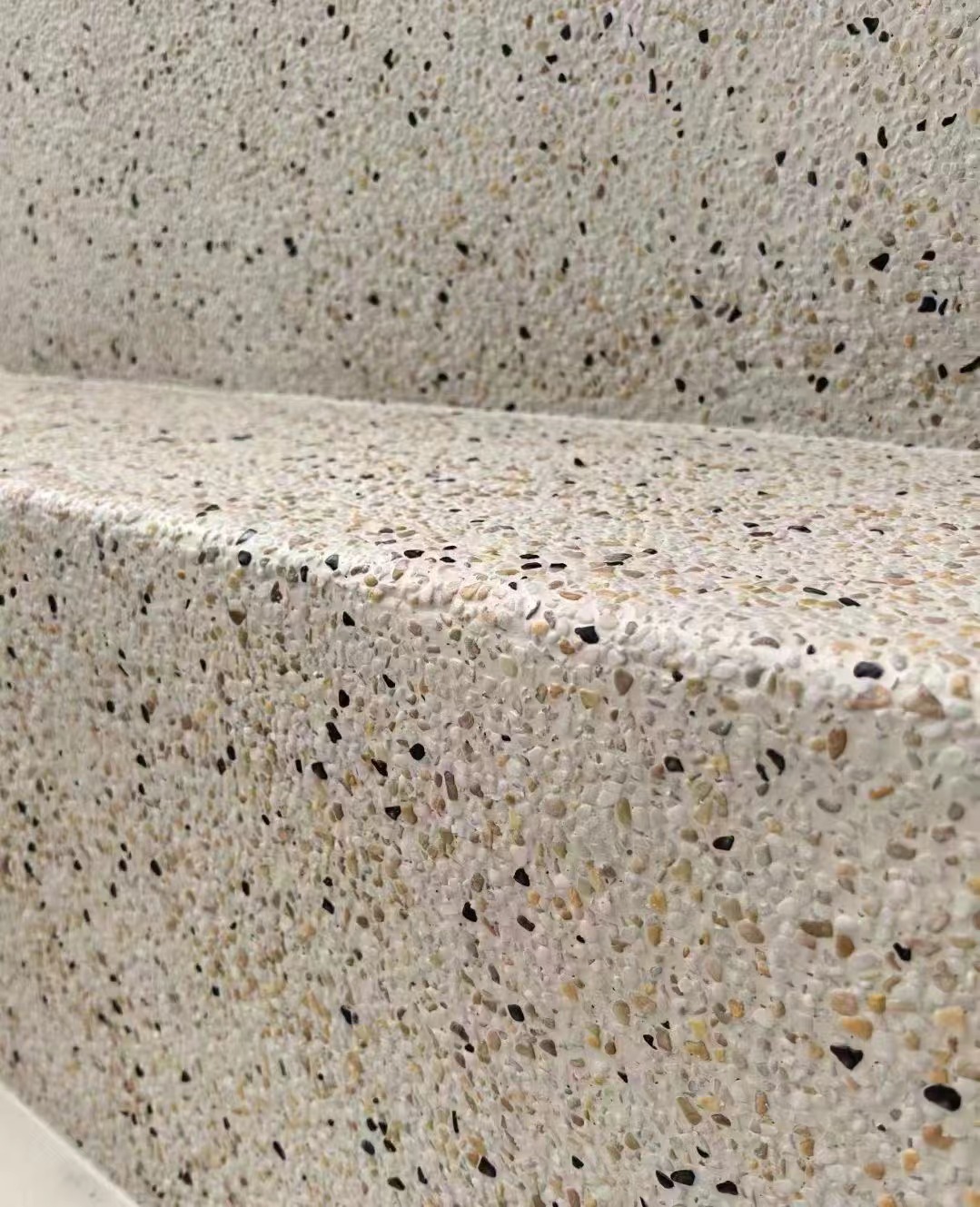
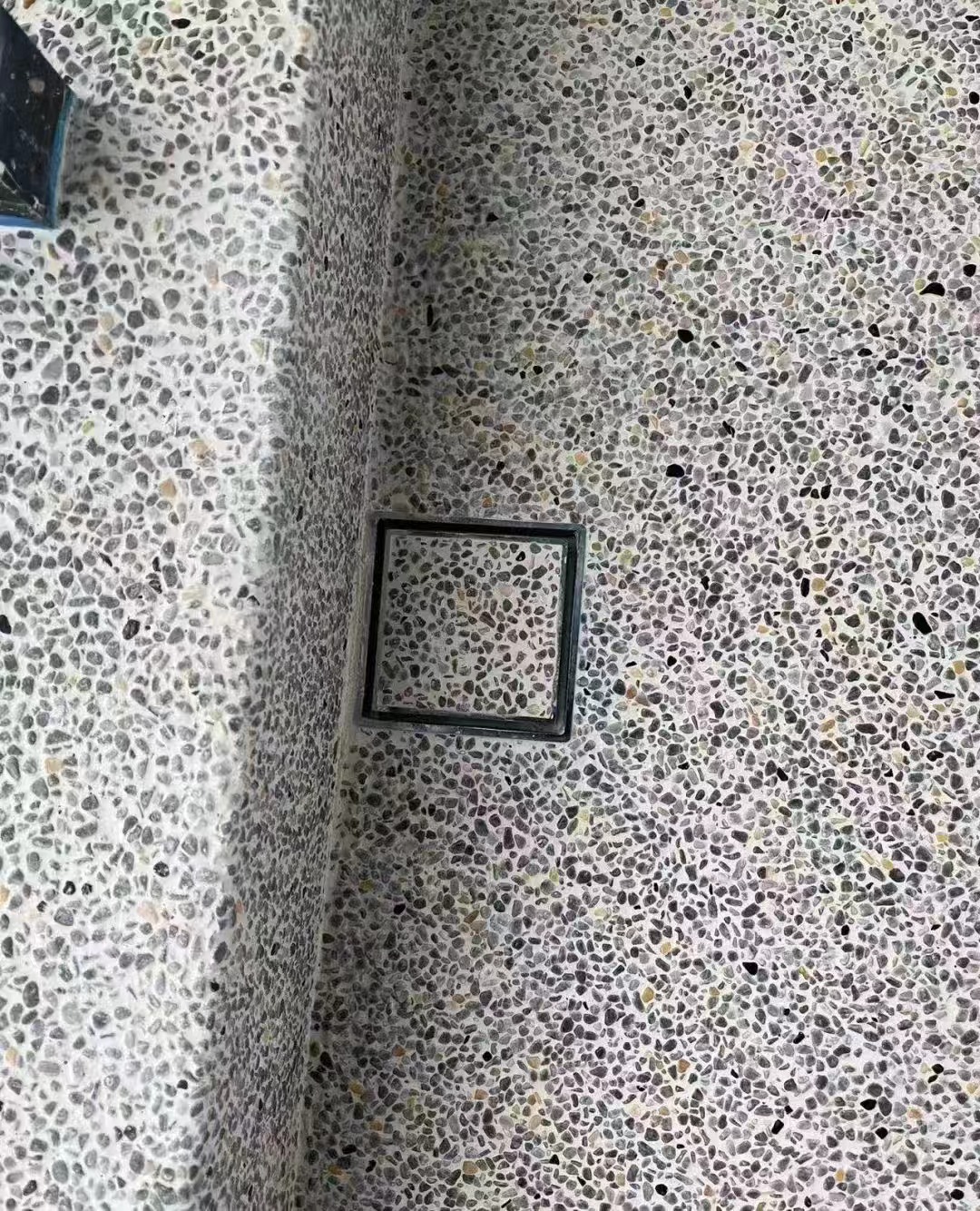
Water-washed stone is a construction technique that has become increasingly popular in recent years. It primarily involves mixing natural river or sea pebbles or gravels with cement in a proportionate manner and applying the mixture to the base. After being flattened with a load-bearing tool, the surface adhesive is treated to reveal the original appearance of the stones, creating a decorative finish.

Due to the various colors and shapes of its raw materials, it can be used to decorate patterns of all shapes and designs, and is applied in both indoor decoration and outdoor landscaping. Some large-area exterior wall finishes also utilize water-washed stone, exuding a natural and simple feel.

There are many types of small stones used in washed stone, which can be freely combined in different colors and arranged into various patterns. Therefore, this decorative material is relatively used beyond outdoor flooring and indoor wall decoration. Sometimes, cleaned stones are placed as needed. There are many types of stone, such as marble, slate, granite, limestone, etc. Among them, there are usually only two types of building stone, namely marble and granite. Cleaned stone is actually the fine particles of these stones.

Features of washed stone:
In terms of quality, the pre-fabricated sheet material is bonded on-site with adhesive, ensuring strong bonding and avoiding issues like hollow spots and cracks; the stone distribution is even, with no color variation; flatness and perpendicularity are easily maintained; the installation of patterns and designs is accurate, with clear lines and no deformation.
2. Due to prefabrication in the factory, the construction time on-site is reduced by approximately 1/3 compared to traditional methods, which is beneficial for shortening the exterior wall construction period, early dismantling, reducing material turnover time, and lowering engineering costs.
3. On the construction site, we've minimized wet work, preventing mess and reducing material loss and waste. This contributes to maintaining a clean construction environment and saving on project costs.
4. Workers operate by using sheet material粘贴construction, reducing the difficulty of the job and the labor intensity, enhancing work efficiency, and lowering labor costs.
5. In terms of appearance design, due to the factory's pre-processing, all complex patterns can be accurately represented, and as soft material, it can fit any curve or angle, significantly expanding the space for architectural exterior design.


询价单


