



- AllProduct Category
-
Landscaped Pavement
Porous Concrete Pavement
Color Paving
Antique Art Pavement
Colored Pavement
Eco-Porous Concrete Pavement
Landscaping Pavers
Eco-Porous Concrete Flooring





Recommended Products

Jinan Optimization Promotion, Jiaozuo Direct Supply of Permeable Concrete Paving Materials, Permeable Concrete Manufacturer

Permeable Concrete Manufacturer, Guangdong Colorful Permeable Pavement Factory, Landscape Permeable Road Surface

Customizable in multiple colors, Urumqi Art Embossed Concrete Flooring
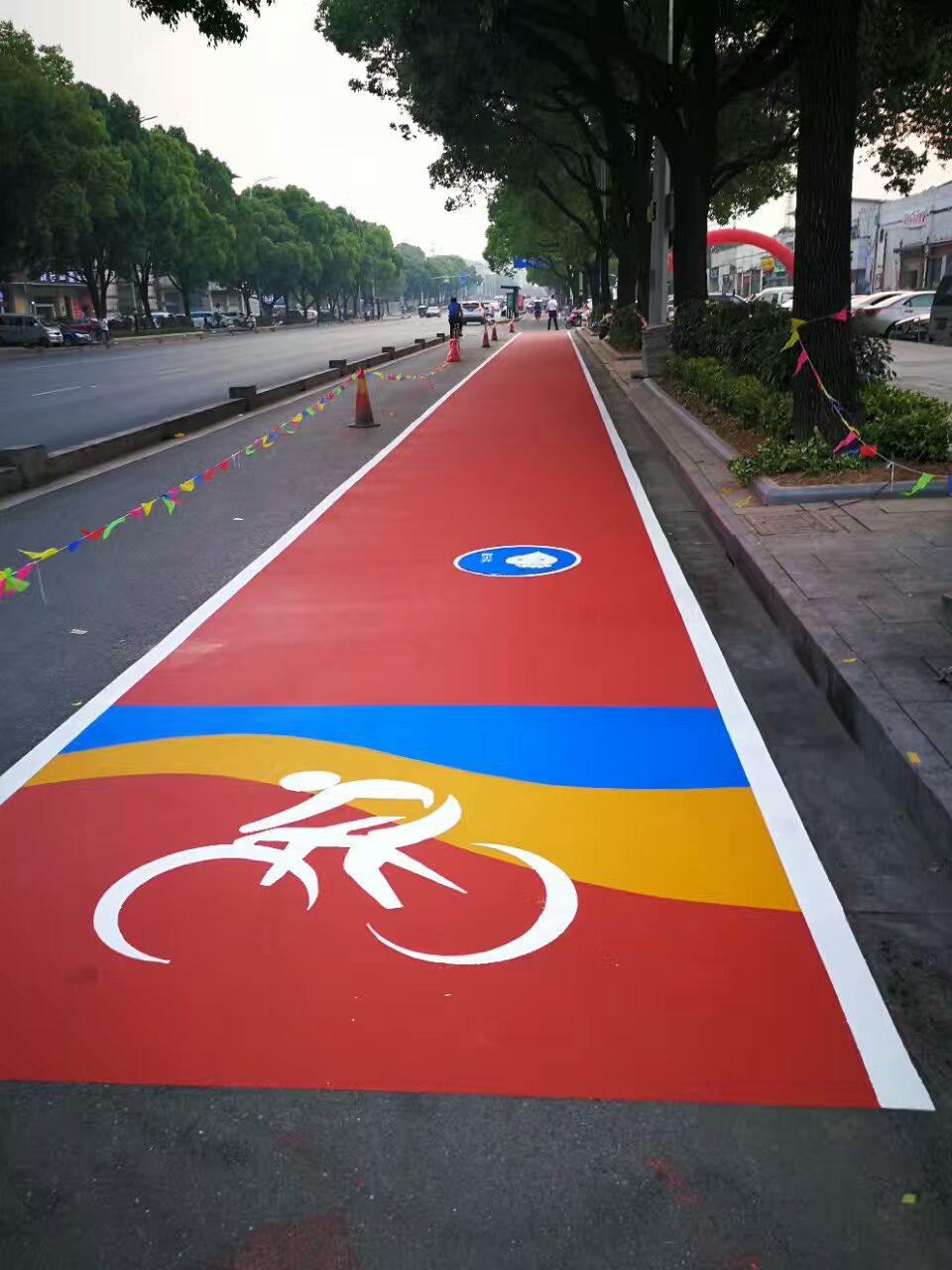
Zhaoqing City, China - Manufacturer of red permeable concrete floor materials; cast-in-place process for large-pored, permeable, colored road surfaces
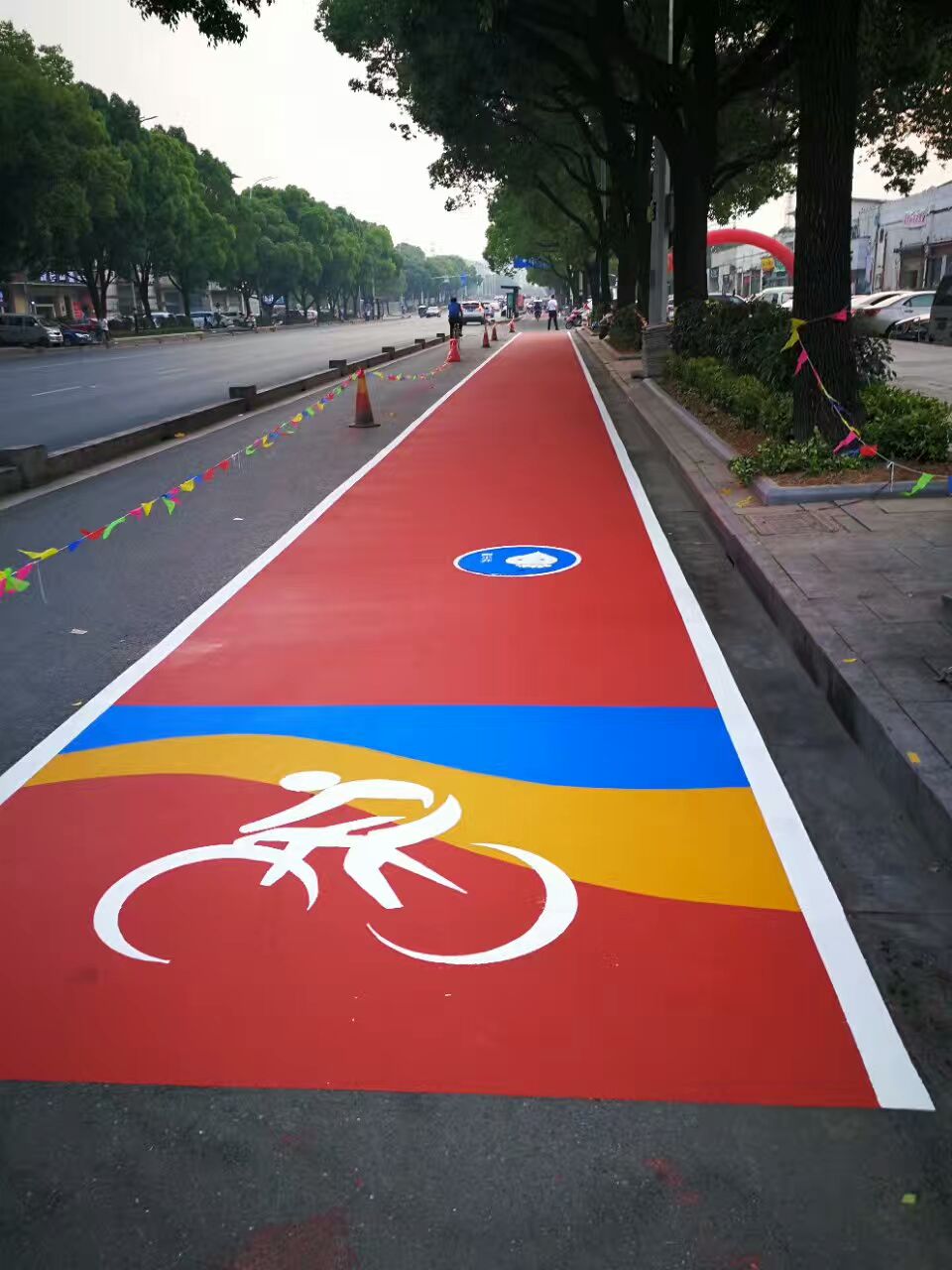
Zhaoqing City, China - Manufacturer of Red Transparent Concrete Floor Materials; Large Porous Permeable Colored Pavement Casting Technique
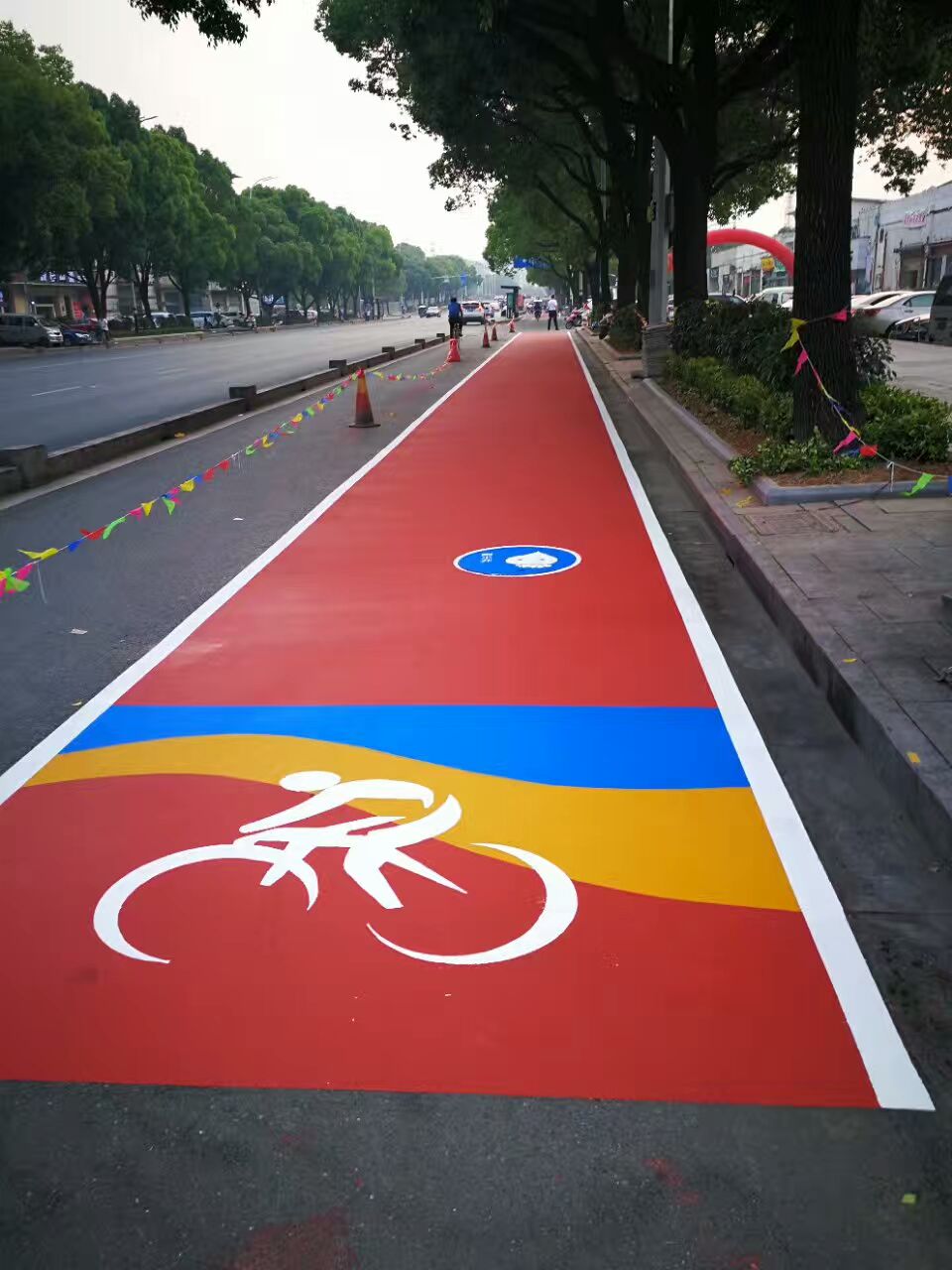
Zhaoqing City, China - Manufacturer of Red Transparent Water Concrete Floor Materials, Large Porous Permeable Colored Road Surface Casting Technology
详情描述
Porous pavement construction, including labor and materials, is determined by the project site area and the thickness of the porous pavement. Generally, the larger the area, the more cost-effective the price; the thicker the thickness, the higher the cost. For a specific quote, please call to inquire.

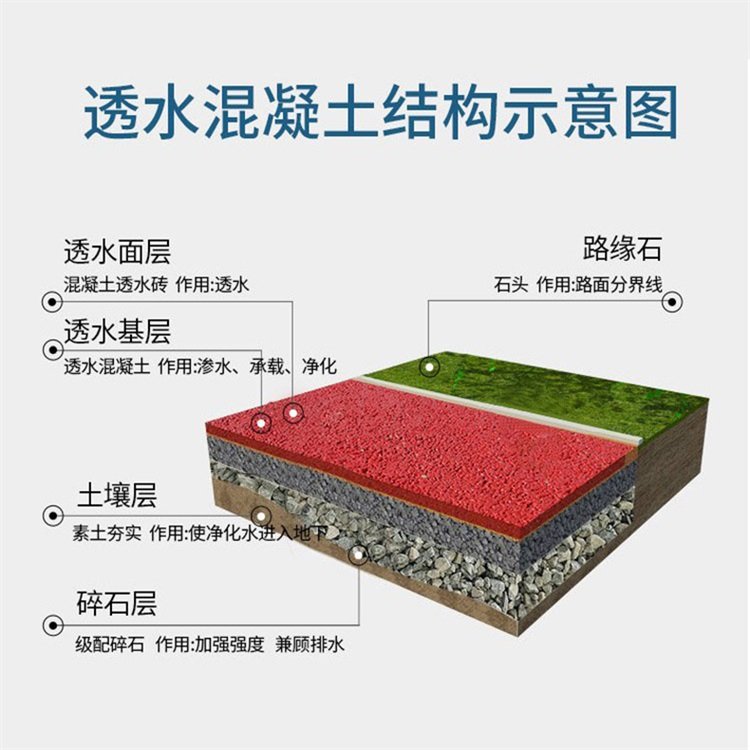
Porous pavement, also known as porous concrete, sandless concrete, and permeable pavement, is a type of lightweight, porous concrete made from aggregates, cement, and water. It lacks fine aggregates and forms a honeycomb-like structure with uniformly distributed voids, as it is bonded together by a thin layer of cement paste on the surface of the coarse aggregates. Therefore, it features breathability, water permeability, and light weight.

Porous pavement, as a new environmentally friendly and ecological road material, is highly suitable for use in urban garden roads and offers excellent overall benefits. It is evident that permeable concrete surfaces contribute positively to the ecological environment of urban garden areas, serving as a crucial foundation for maintaining a healthy ecological cycle. The application of permeable concrete should be vigorously promoted in urban gardens. The comprehensive benefits it brings can be considered as one of the control indicators for urban construction, particularly significant for the maintenance of urban garden construction.

Porous pavement must meet strength requirements while maintaining certain interconnected pores to ensure permeability. Therefore, in its preparation, in addition to selecting appropriate raw materials, it's essential to achieve the goal of ensuring strength and porosity through mix ratio design, production process, and the use of additives. Porous paving is composed of aggregates, cement, and water, often using monograined or intermittent-grained coarse aggregates as the framework, with the amount of fine aggregates generally controlled within 20% of the total aggregates. Cement options include silicate cement, ordinary silicate cement, and slag silicate cement; admixtures should be selected with specialized reinforcing agents.

When adding materials, first place cement, admixtures, and coarse aggregates, then add half the water amount and mix for 30 seconds; next, add additives (reinforcement agents, colorants, etc.) and mix for 60 seconds; finally, add the remaining water and mix for 120 seconds to discharge. Permeable pavements have been researched and applied in the United States since the late 1970s and 1980s. Many countries are widely promoting them, such as Germany, which expects to transform 90% of its roads into permeable pavements in the short term. This will change the past ground coverings that destroyed urban ecosystems, making permeable pavement roads enjoy extensive social benefits.

询价单


