




- AllProduct Category
-
Landscaped Pavement
Porous Concrete Pavement
Color Paving
Antique Art Pavement
Colored Pavement
Eco-Porous Concrete Pavement
Landscaping Pavers
Eco-Porous Concrete Flooring





Recommended Products

Jinan Optimization Promotion, Jiaozuo Direct Supply of Permeable Concrete Paving Materials, Permeable Concrete Manufacturer

Permeable Concrete Manufacturer, Guangdong Colorful Permeable Pavement Factory, Landscape Permeable Road Surface

Customizable in multiple colors, Urumqi Art Embossed Concrete Flooring
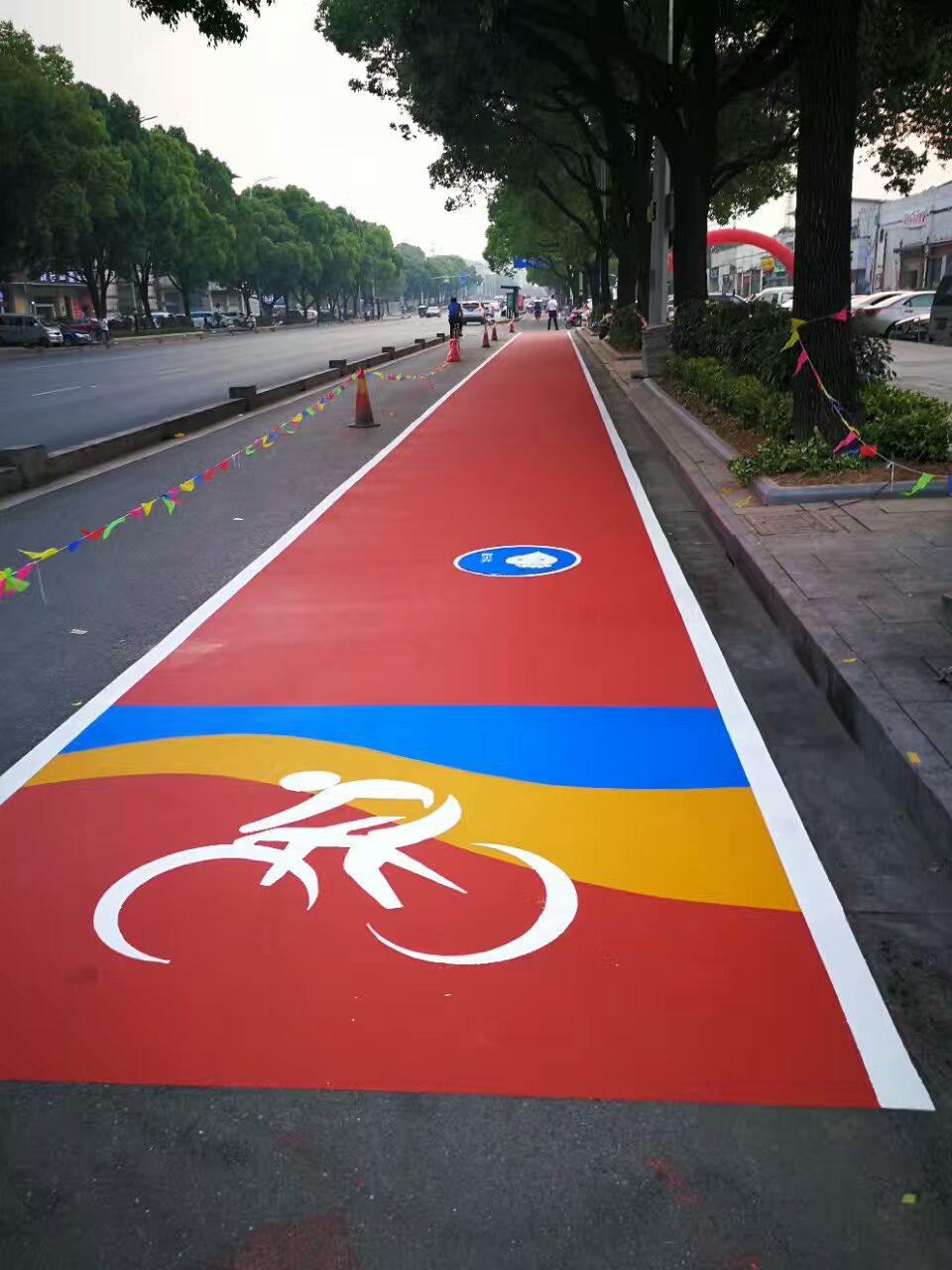
Zhaoqing City, China - Manufacturer of red permeable concrete floor materials; cast-in-place process for large-pored, permeable, colored road surfaces
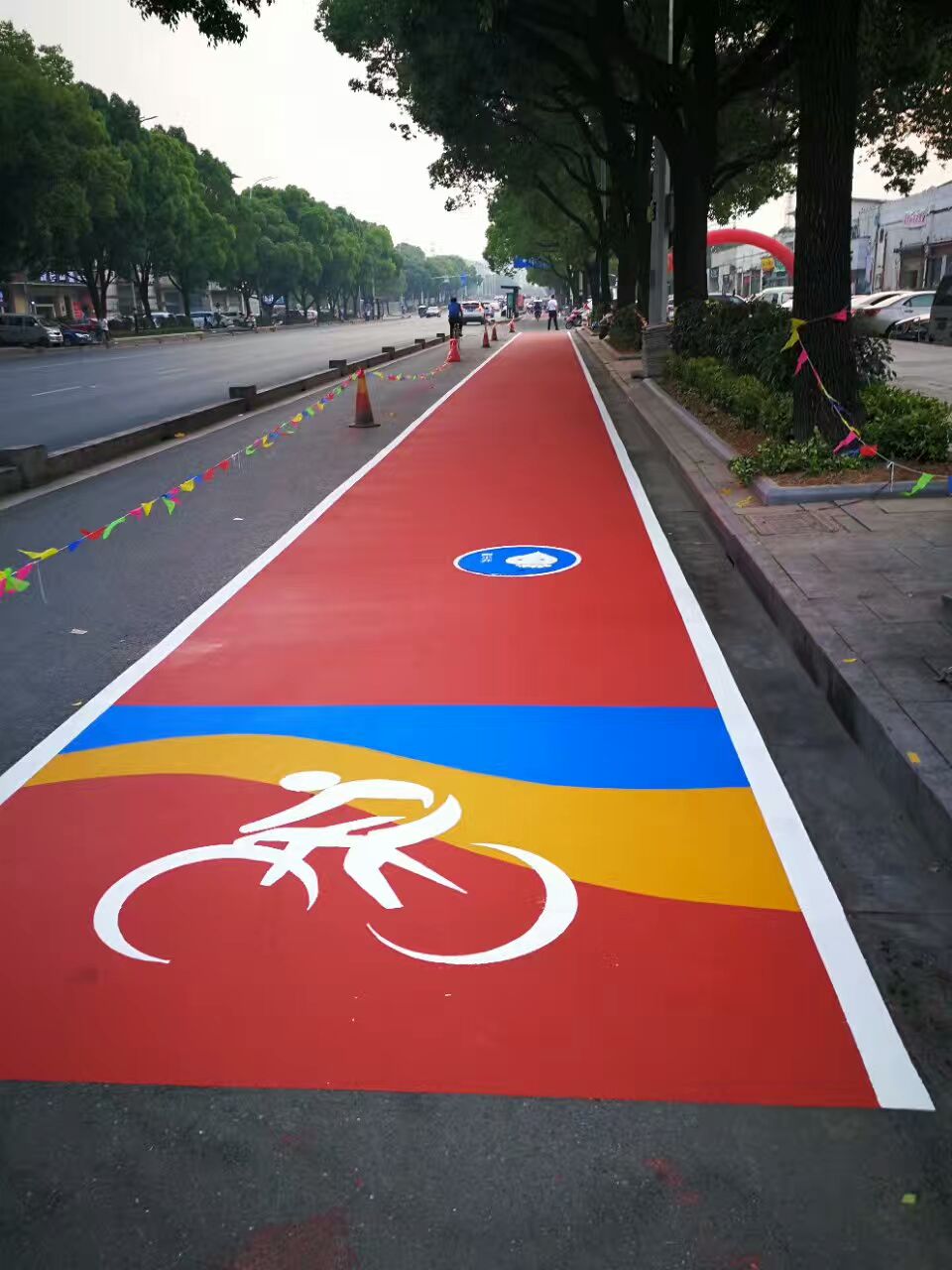
Zhaoqing City, China - Manufacturer of Red Transparent Concrete Floor Materials; Large Porous Permeable Colored Pavement Casting Technique
Zhaoqing City, China - Manufacturer of Red Transparent Water Concrete Floor Materials, Large Porous Permeable Colored Road Surface Casting Technology
详情描述
Porous pavement sealer, offering superior enhancement and performance over traditional road protective agents. It meets the requirements for the mechanical properties, functional use, and extended service life of the pavement structure. It protects the performance of porous concrete pavements, enhancing the road's durability, wear resistance, and abrasion resistance.

After the surface protective agent is applied, the surface strength and luster of the permeable concrete pavement are significantly enhanced without affecting the pavement's porosity. The permeable concrete protector greatly improves the wear resistance of the pavement and reduces the occurrence of aggregate detachment. Application range of permeable bricks: Colorful permeable concrete provides excellent protection for pavements. Exposed aggregate permeable concrete pavements, etc.

Porous concrete, also known as permeable concrete or permeable paving, is a type of lightweight, porous concrete made from aggregates, cement, and water. It does not contain fine aggregates and is formed by a thin layer of cement paste binding the coarse aggregates together, creating a honeycomb-like structure with uniformly distributed voids. It features breathability, water permeability, and light weight, and is also referred to as sand-free concrete. Developed by countries like the U.S., Europe, and Japan to address the shortcomings of existing urban road surfaces, it allows rainwater to seep into the ground, effectively replenishing groundwater and alleviating issues such as the rapid decline of urban groundwater levels.

Effectively eliminates the environmental hazards posed by oil compounds and other pollutants on the ground; simultaneously, it is an excellent paving material for protecting groundwater, maintaining ecological balance, and mitigating the urban heat island effect; it holds special significance in the benign development of the human living environment and in urban rainwater management and water pollution prevention efforts.

The construction of pervious concrete primarily includes spreading, forming, surface treatment, and joint handling. Spreading can be done by either mechanical or manual methods; forming can be achieved using flat vibrators, vibration smoothing rollers, manual push-pull rollers, and vibration smoothing beams. Surface treatment is mainly to enhance the visual appeal of the formed pervious concrete surface, involving trimming or cleaning. The setting of joints in pervious concrete pavements is similar to that of regular concrete, with contraction joints evenly spaced, with intervals not exceeding 6 meters.

Permeable Pavement Materials Introduction: Colored permeable pavement is a new type of eco-friendly flooring. With proper proportioning, the finished pavement has approximately 10% porosity, allowing rain (or snow) water to rapidly replenish urban groundwater resources. Due to its rough surface and numerous pores, it can absorb noise generated by vehicle traffic, reduce ground surface reflection of solar heat energy, lower ground temperatures, mitigate the "heat island effect," and enhance walking comfort and safety.

询价单


