



- AllProduct Category
-
Landscaped Pavement
Porous Concrete Pavement
Color Paving
Antique Art Pavement
Colored Pavement
Eco-Porous Concrete Pavement
Landscaping Pavers
Eco-Porous Concrete Flooring





Recommended Products

Jinan Optimization Promotion, Jiaozuo Direct Supply of Permeable Concrete Paving Materials, Permeable Concrete Manufacturer

Permeable Concrete Manufacturer, Guangdong Colorful Permeable Pavement Factory, Landscape Permeable Road Surface

Customizable in multiple colors, Urumqi Art Embossed Concrete Flooring
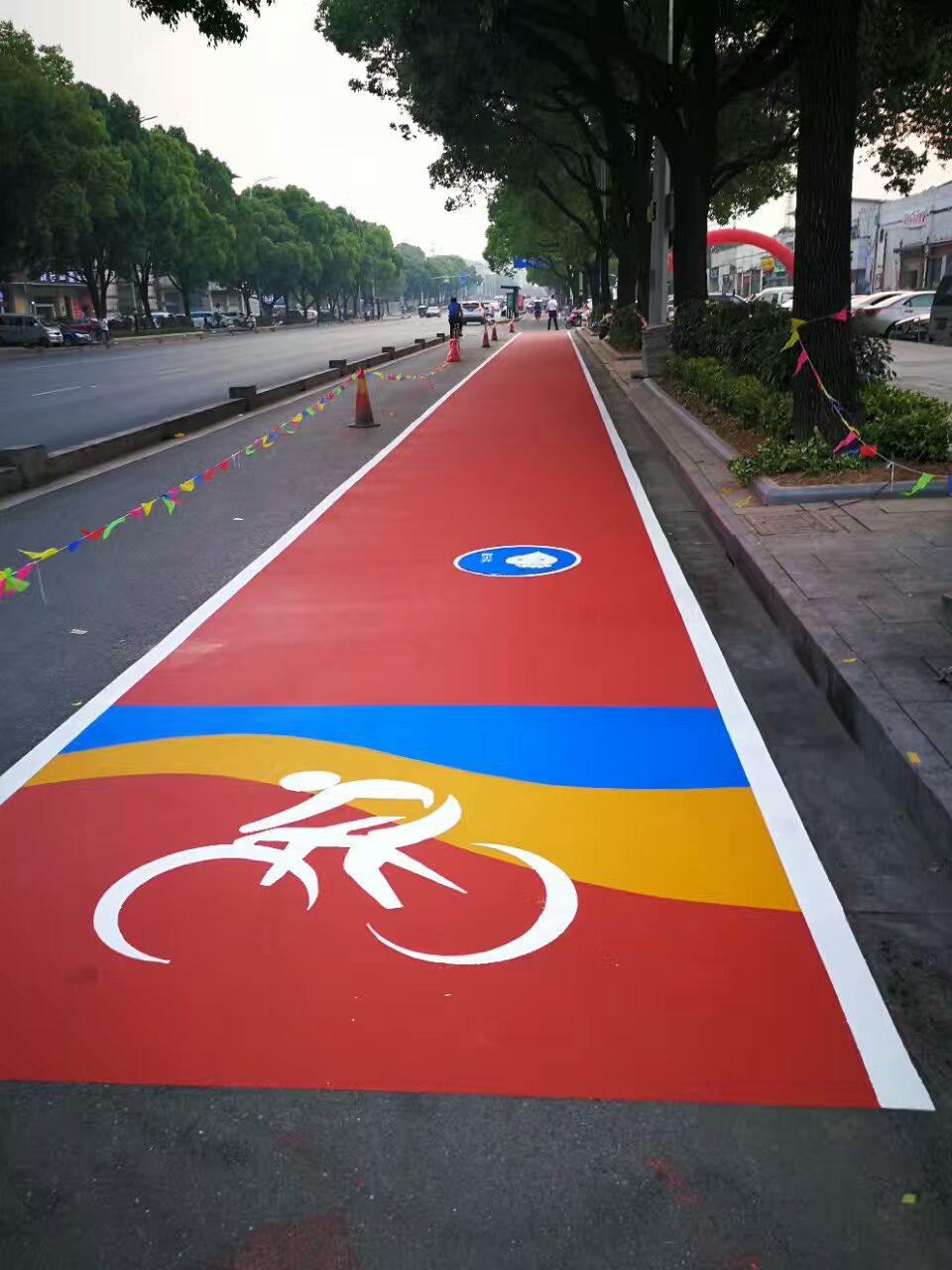
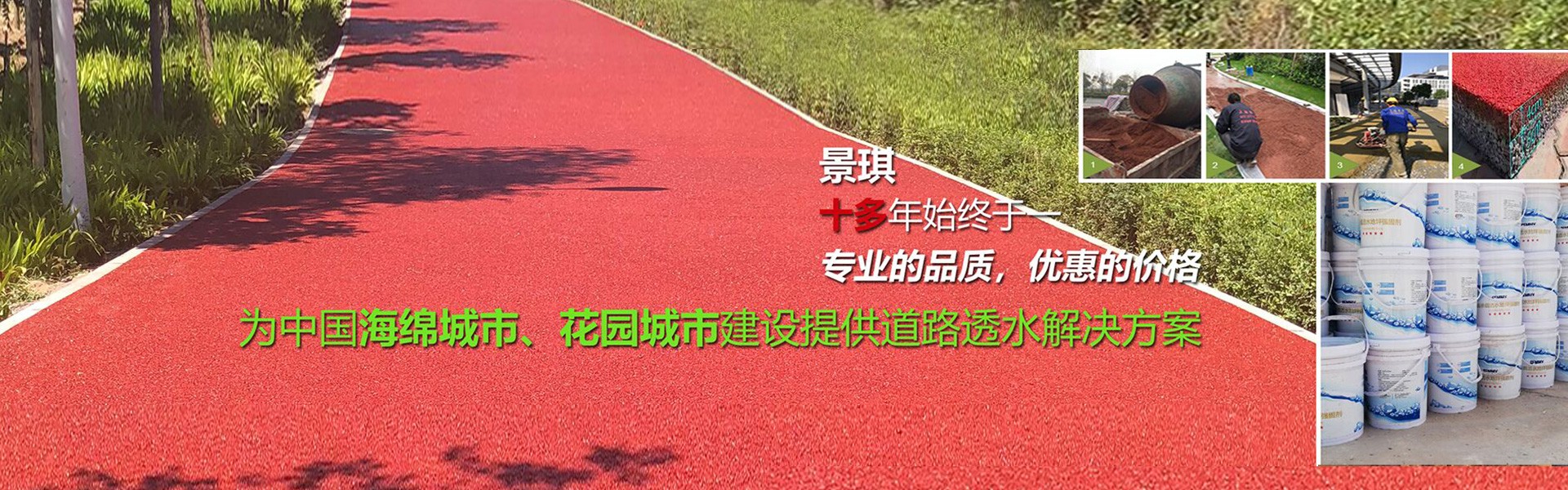
Zhaoqing City, China - Manufacturer of red permeable concrete floor materials; cast-in-place process for large-pored, permeable, colored road surfaces
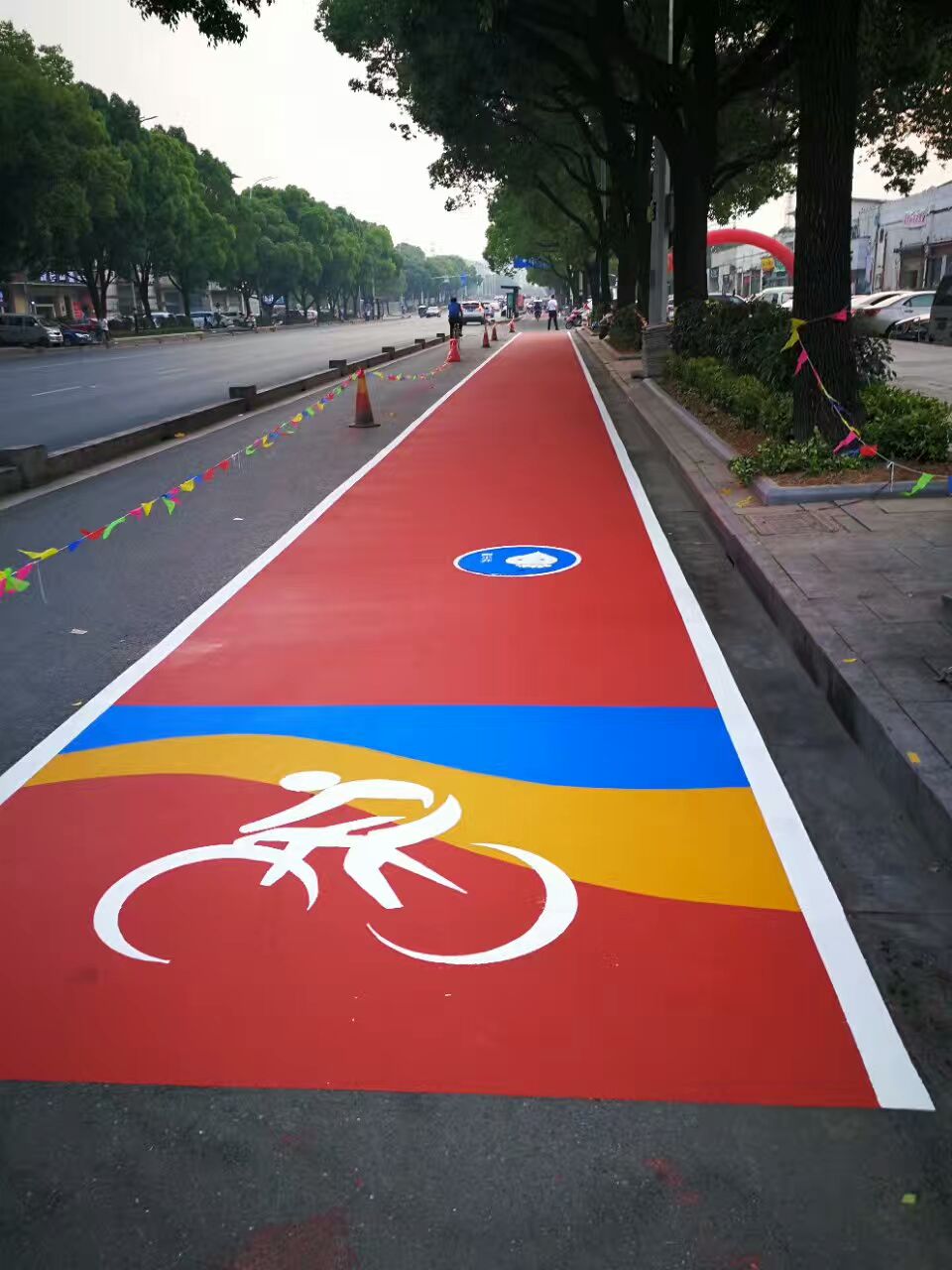
Zhaoqing City, China - Manufacturer of Red Transparent Concrete Floor Materials; Large Porous Permeable Colored Pavement Casting Technique
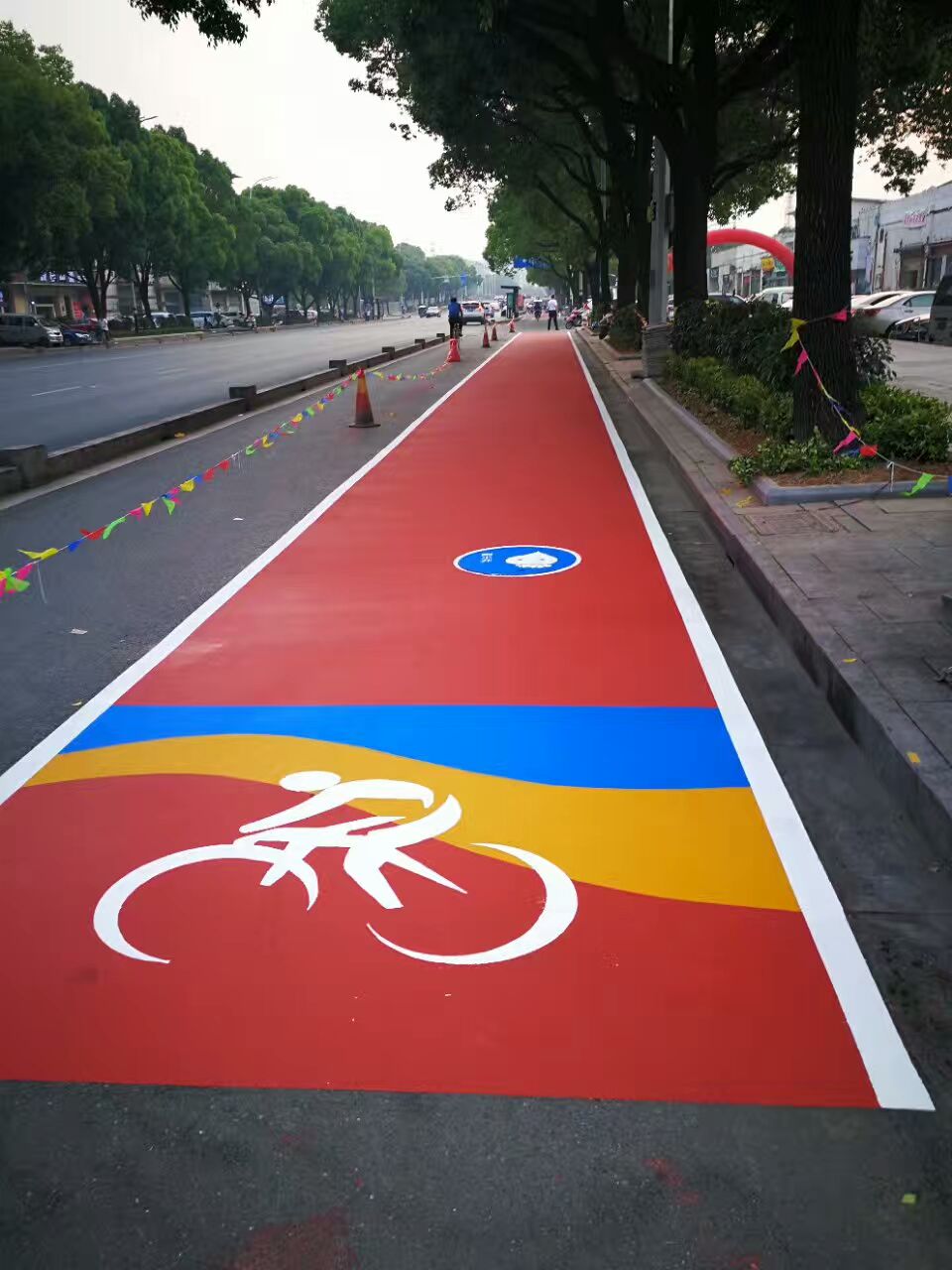
Zhaoqing City, China - Manufacturer of Red Transparent Water Concrete Floor Materials, Large Porous Permeable Colored Road Surface Casting Technology
详情描述
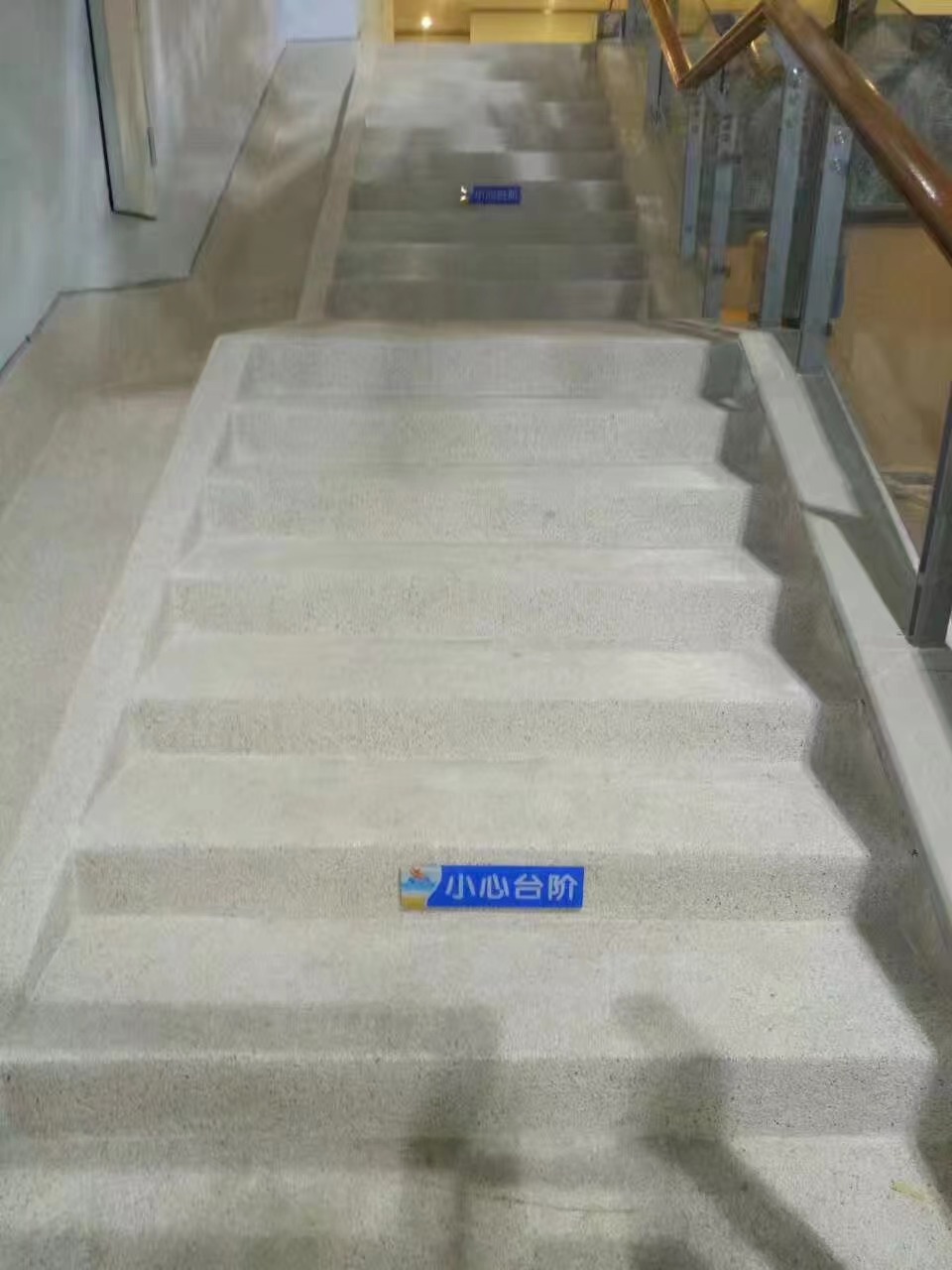
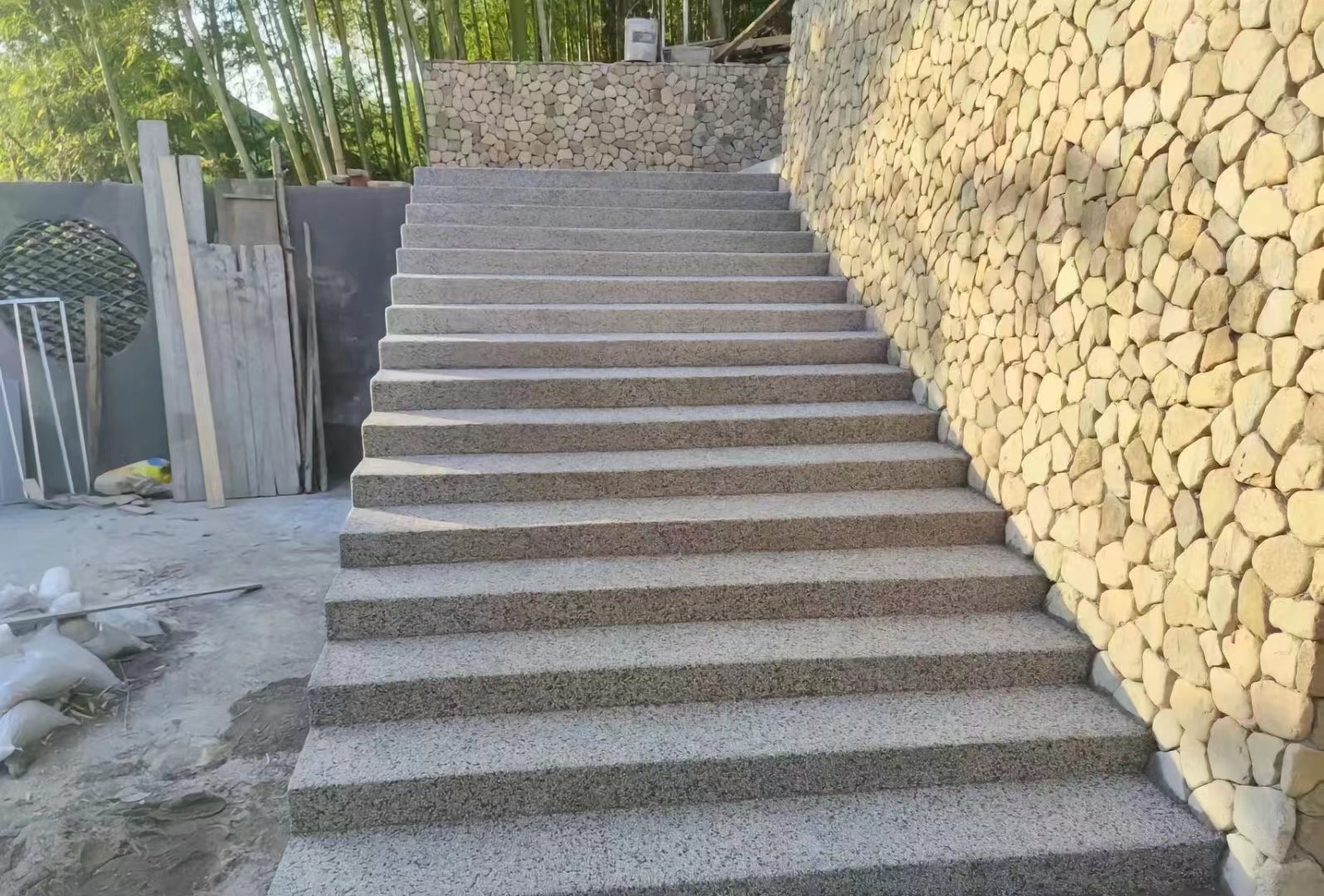
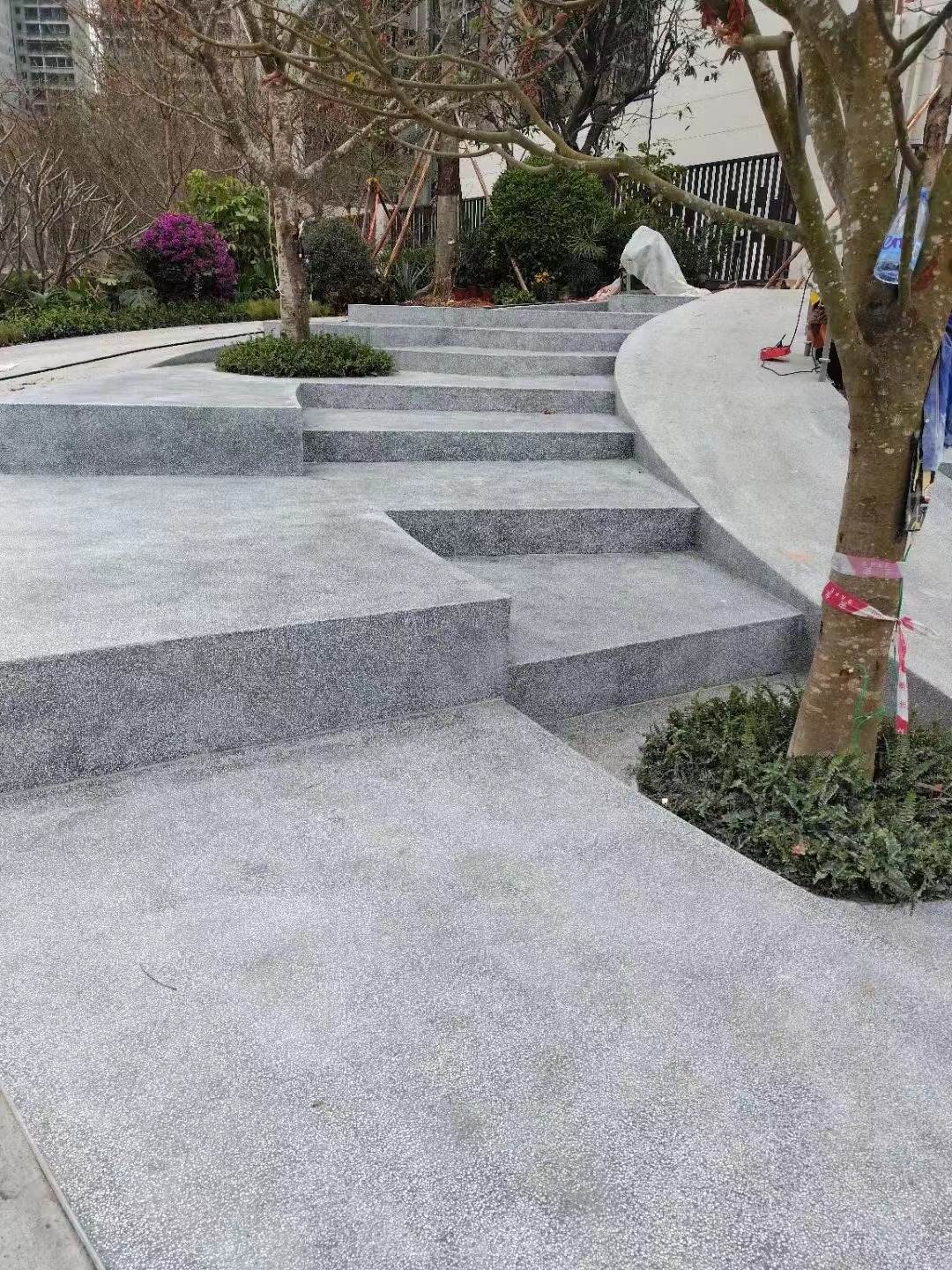
Water-washed stone is a construction technique that has gained increasing popularity in recent years. In essence, it is quite similar to the water-washed stone technique of the 1960s. While the wall construction is more challenging, the quality is easy to maintain. For ground construction, the difficulty is not great, but cracks and localized subsidence are highly likely. Therefore, the foundation design and construction must ensure the stability of the subsoil, and it may be necessary to use reinforced concrete foundation pads. Additionally, it is generally recommended to set settlement joints at intervals of 5 to 6 meters.

Before construction, clean the subgrade by removing dirt and debris, which is done through water rinsing.
2. Transport the washed stone mixture, stirred by the mixer, to the site.
3. Spread the washed aggregate mixture evenly, slightly elevated above the curbs on both sides.
4. After laying is complete, use a sturdy, straight wooden ruler to level the surface.
5. Level the pavement with an iron trowel until cement paste appears on the surface.
6. Remove the cement laitance from the road surface using a moisture-absorbent sponge, applying even pressure with your hand.
7. Roadwork Completed

Water-washed stone is a decorative technique that involves mixing natural river or sea pebbles or gravels with cement in a specific ratio, applying it to the base layer, flattening it with a weighted tool, and thoroughly cleaning the surface adhesive to reveal the original appearance of the stones. It resembles the popular water-washed stone technique of the 70s and 80s.

Wall construction may be more challenging, but quality is easily ensured; floor construction is not too difficult, but it is prone to cracks and localized settlement. Therefore, the foundation design and construction must guarantee the stability of the subgrade, and it is necessary to use reinforced concrete foundation bedding. Additionally, settlement joints should generally be set at intervals of 5 to 6 meters.


询价单


