



- AllProduct Category
-
Landscaped Pavement
Porous Concrete Pavement
Color Paving
Antique Art Pavement
Colored Pavement
Eco-Porous Concrete Pavement
Landscaping Pavers
Eco-Porous Concrete Flooring




Recommended Products

Jinan Optimization Promotion, Jiaozuo Direct Supply of Permeable Concrete Paving Materials, Permeable Concrete Manufacturer

Permeable Concrete Manufacturer, Guangdong Colorful Permeable Pavement Factory, Landscape Permeable Road Surface

Customizable in multiple colors, Urumqi Art Embossed Concrete Flooring
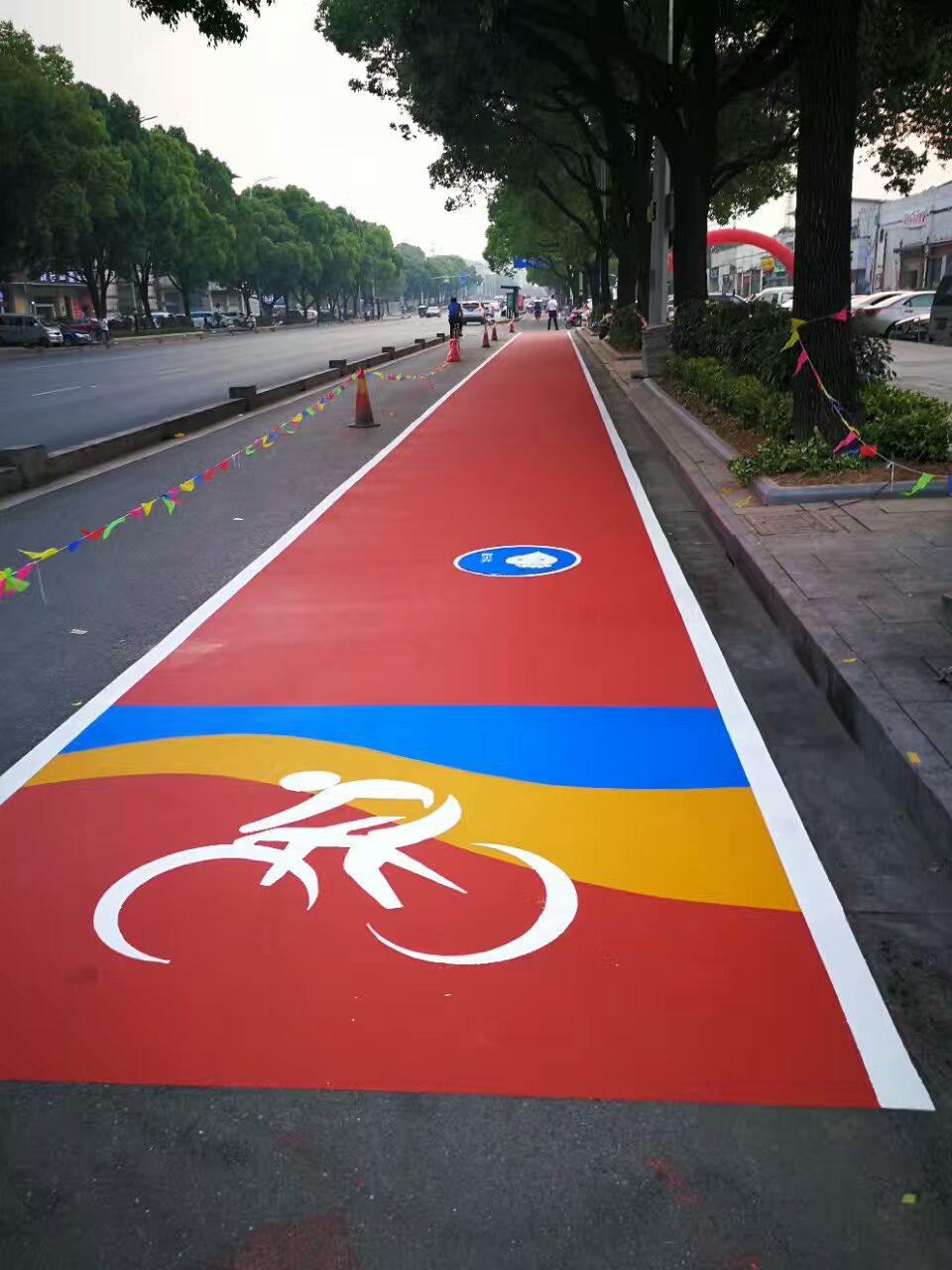
Zhaoqing City, China - Manufacturer of red permeable concrete floor materials; cast-in-place process for large-pored, permeable, colored road surfaces
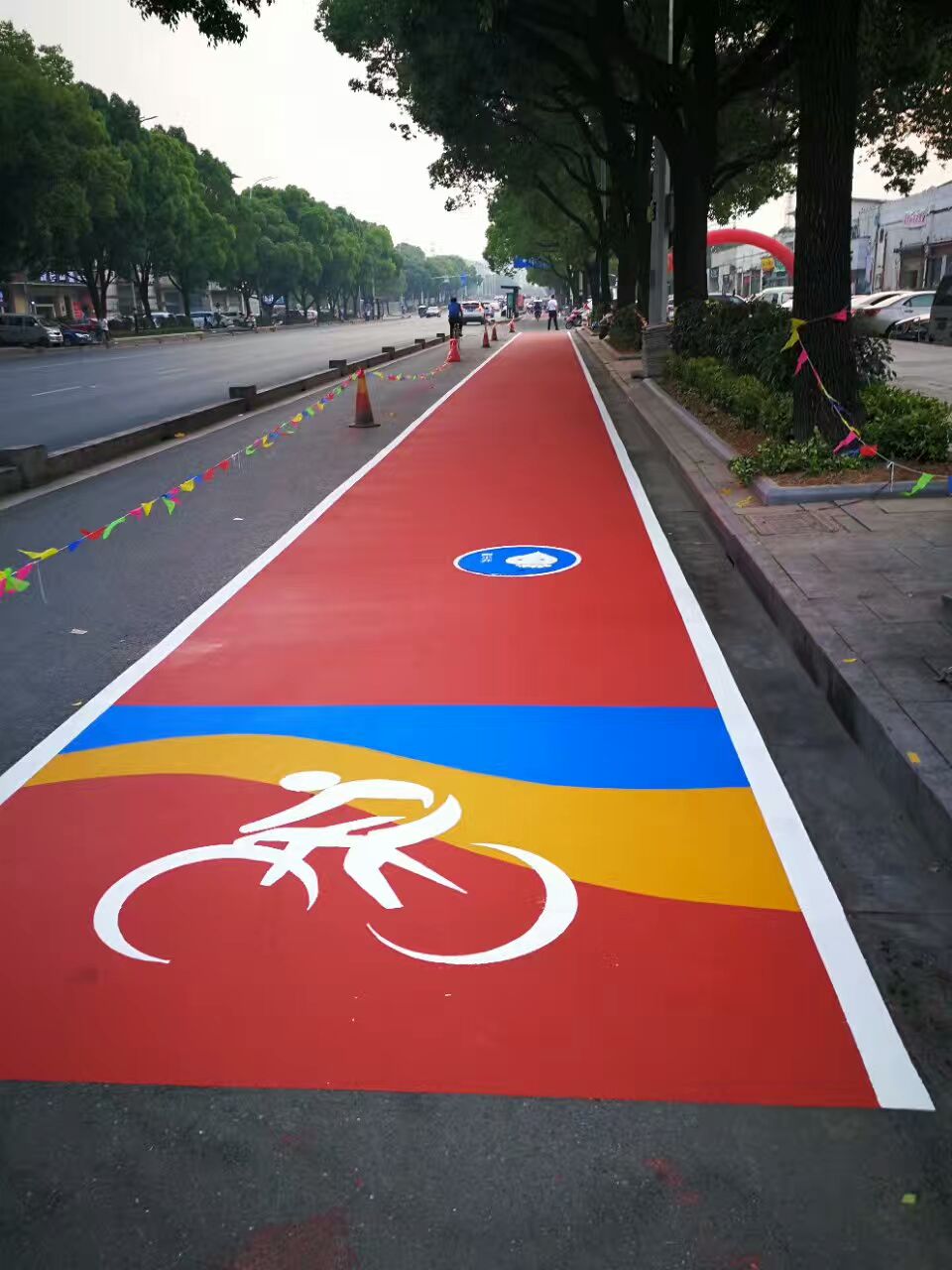
Zhaoqing City, China - Manufacturer of Red Transparent Concrete Floor Materials; Large Porous Permeable Colored Pavement Casting Technique
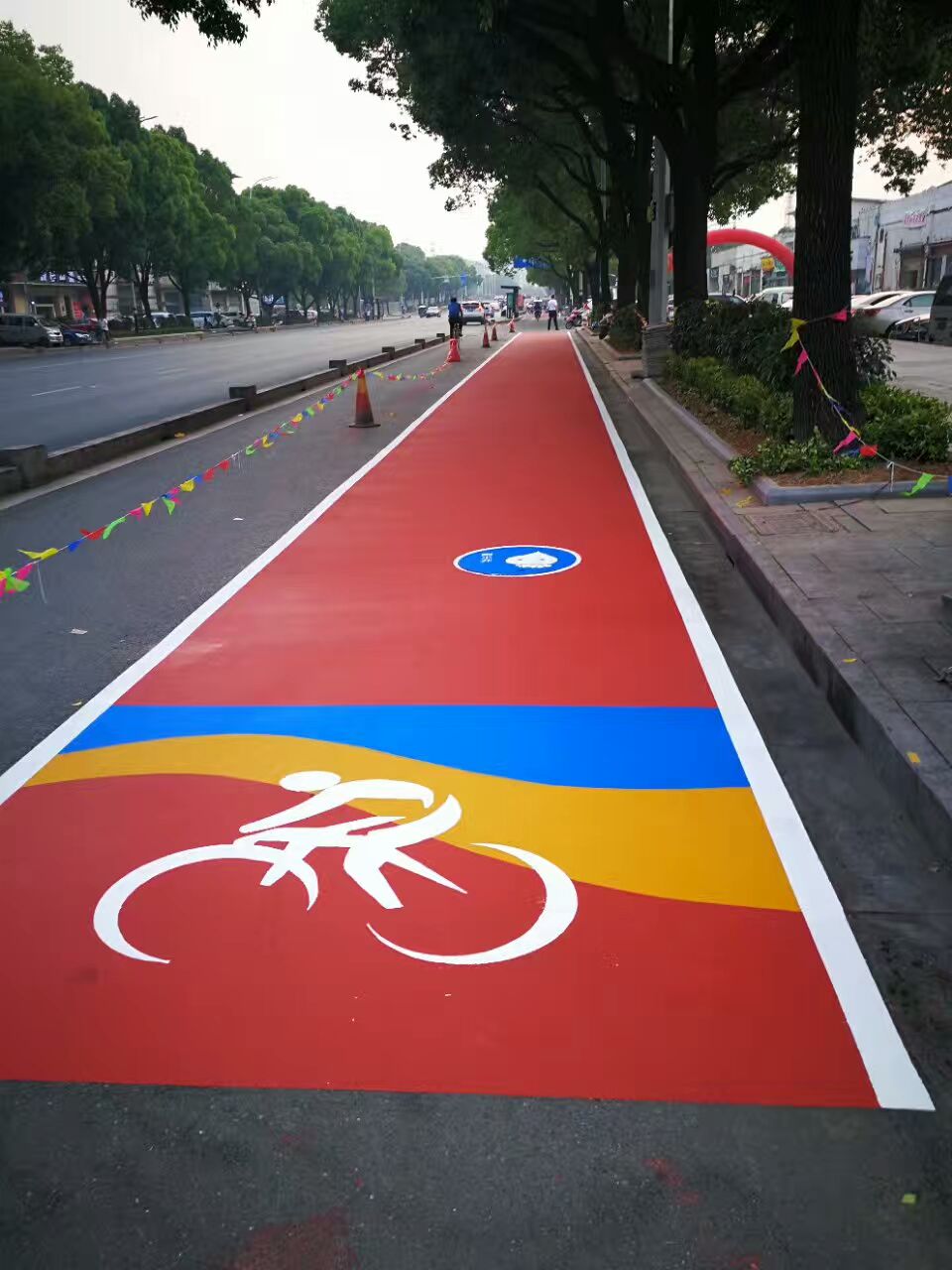
Zhaoqing City, China - Manufacturer of Red Transparent Water Concrete Floor Materials, Large Porous Permeable Colored Road Surface Casting Technology
详情描述
Traditional cement and asphalt pavements cannot retain rainwater, but this situation can be changed with the use of some ecological permeable materials. Permeable concrete, during rainy weather, allows rainwater to seep through the pavement cracks and渗透 into the underlying strata, retaining it for a period of time. In summer, when temperatures rise, standing on it, one can distinctly feel the difference in humidity and temperature compared to other pavements – this is the effect of a sponge.

Porous pavement construction requires a specific road surface condition.
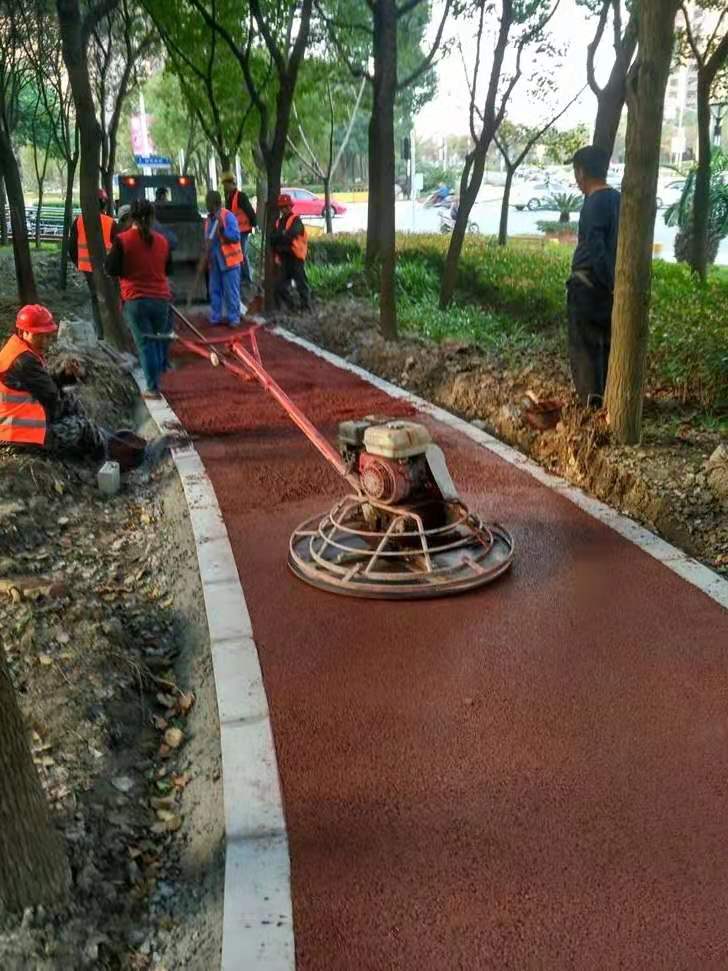
1. Thickness of permeable concrete pavements: As can be seen, the strength of colored permeable concrete is predominantly used in locations such as sidewalks, squares, parking lots, and garden paths. The panel thickness varies according to the different pavement applications. For light-load surfaces like sidewalks and bike lanes, the surface layer thickness should not be less than 8 cm; for medium-load surfaces like parking lots and squares, the surface layer thickness should not be less than 10 cm. To consider costs, the surface layer can be divided into two layers: the top layer is a colored permeable concrete layer, generally not less than 3 cm thick, and the bottom layer is a plain permeable concrete layer.
2. To ensure that the permeable pavement structural layer has sufficient overall strength and permeability, a permeable subbase and a water-retaining cushion layer with good water retention properties are required below the surface layer.
3. Considering the heavy rain season, to prevent excessive water accumulation at the subgrade, which may affect the permeable pavement foundation, a dedicated drainage pipe system is installed at the subgrade to lead excess rainwater towards the roadside drainage system.

Advantages of Permeable Concrete Paving:
(1) Increase the permeable and breathable areas in cities, enhance the heat and moisture exchange between the ground surface and air, regulate urban climate, reduce ground surface temperature, and benefit the alleviation of the urban "heat island phenomenon."
(2) Maximizing rainfall and snowfall to increase the surface humidity, replenishing the increasingly depleted groundwater resources in urban areas, and utilizing permeable road bases as "water storage areas"; improving the living conditions of urban surface plants and soil microorganisms, and adjusting the ecological balance.
(3) Alleviates the burden on road drainage systems during the rainy season, significantly reducing the pollution of urban water bodies from heavy rain.
(4) Absorbs noise generated by vehicle movement, creating a quiet and comfortable living and traffic environment, and prevents road surface flooding during rain and reflects light at night.
(5) Prevents road surface ponding and night-time glare, eliminating black ice formation on roads during winter (a nearly invisible thin layer of ice formed by frost and fog, extremely dangerous), enhancing the comfort and safety of vehicle and pedestrian traffic.
(6) Large voids can absorb urban pollutant dust, reducing dust pollution.
(7) Patterns and colors can be designed to suit environmental and functional requirements, ensuring a seamless integration with the surrounding environment.


询价单


