



- AllProduct Category
-
Landscaped Pavement
Porous Concrete Pavement
Color Paving
Antique Art Pavement
Colored Pavement
Eco-Porous Concrete Pavement
Landscaping Pavers
Eco-Porous Concrete Flooring





Recommended Products

Jinan Optimization Promotion, Jiaozuo Direct Supply of Permeable Concrete Paving Materials, Permeable Concrete Manufacturer

Permeable Concrete Manufacturer, Guangdong Colorful Permeable Pavement Factory, Landscape Permeable Road Surface

Customizable in multiple colors, Urumqi Art Embossed Concrete Flooring
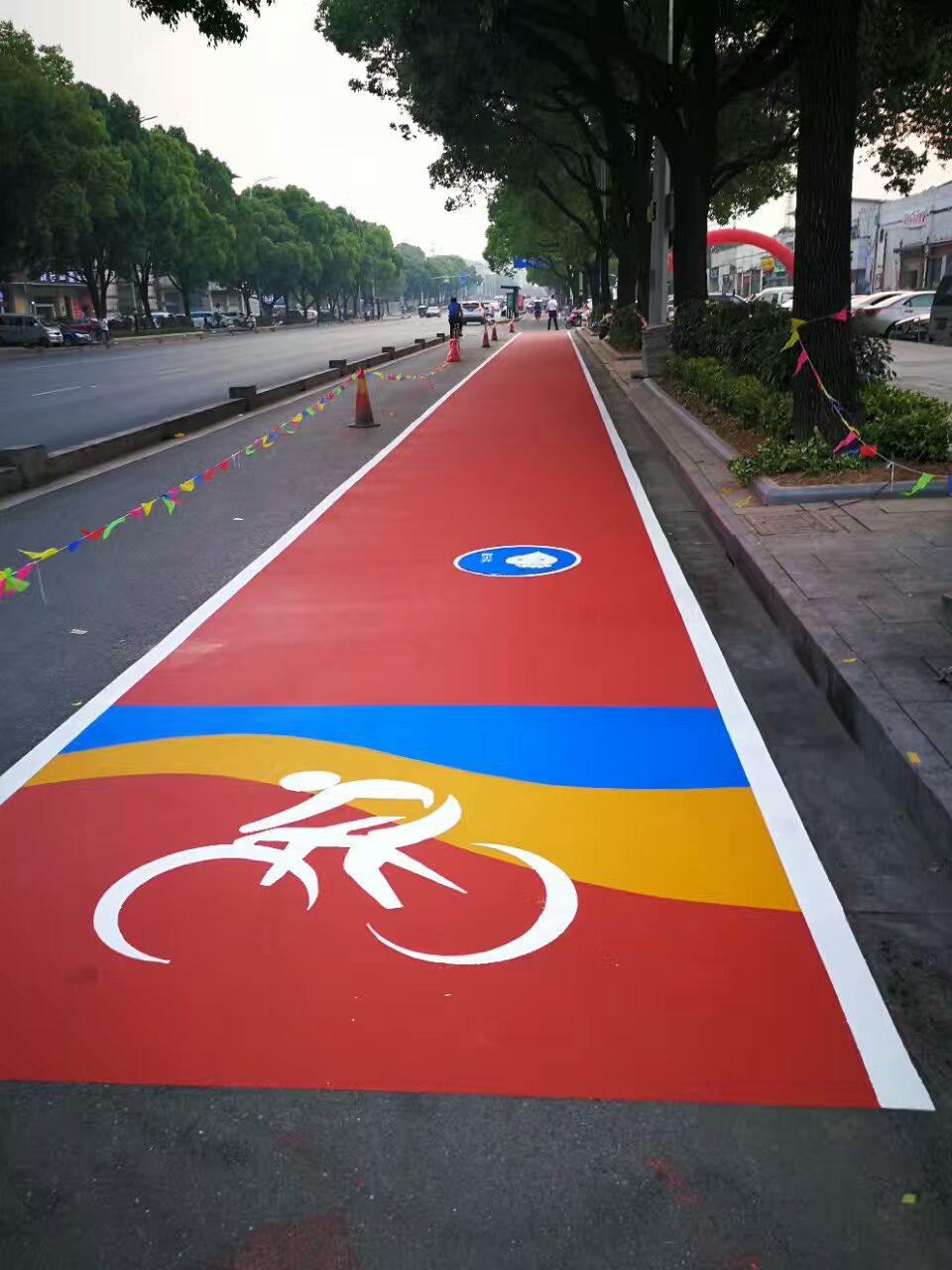
Zhaoqing City, China - Manufacturer of red permeable concrete floor materials; cast-in-place process for large-pored, permeable, colored road surfaces
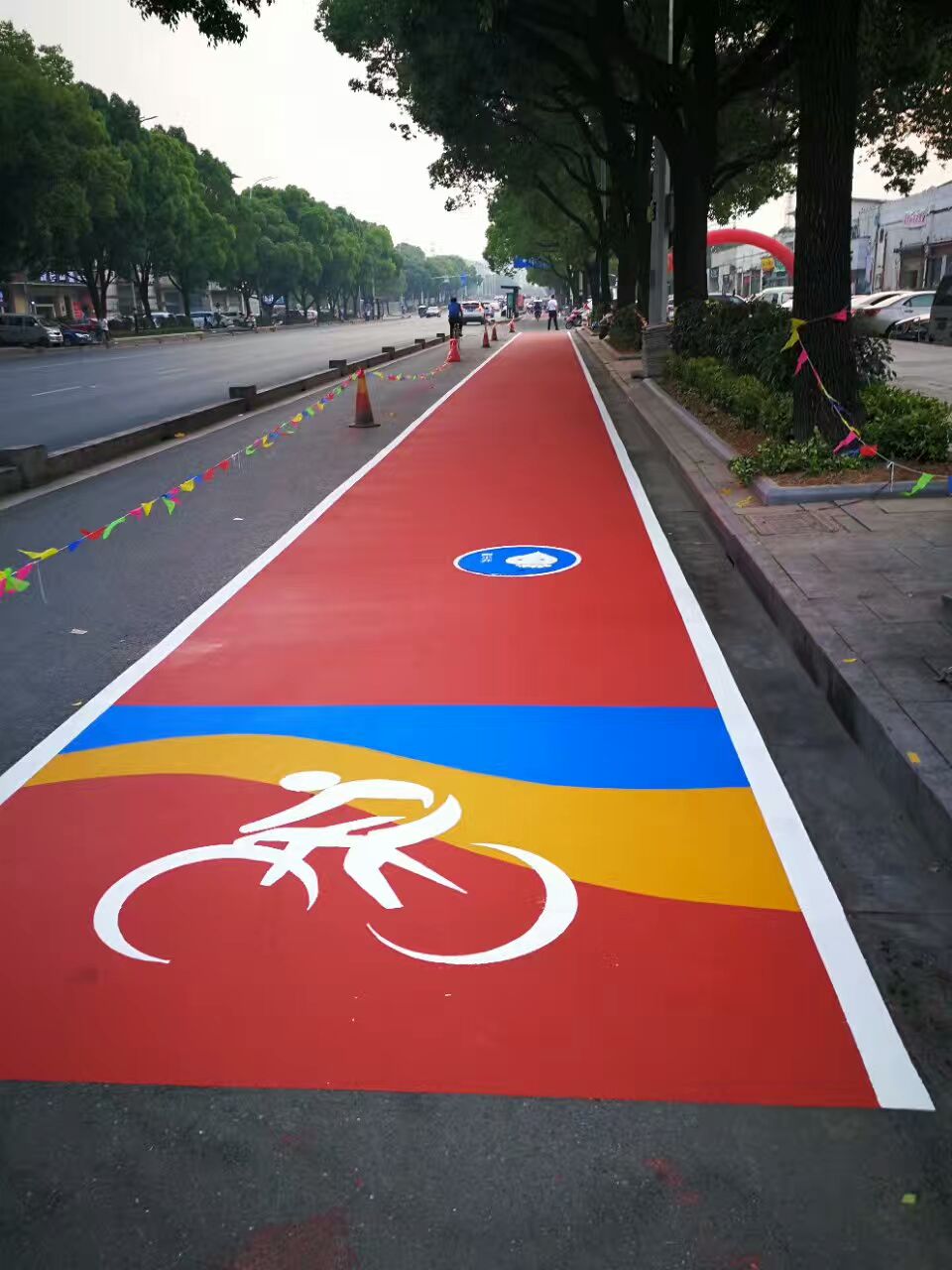
Zhaoqing City, China - Manufacturer of Red Transparent Concrete Floor Materials; Large Porous Permeable Colored Pavement Casting Technique
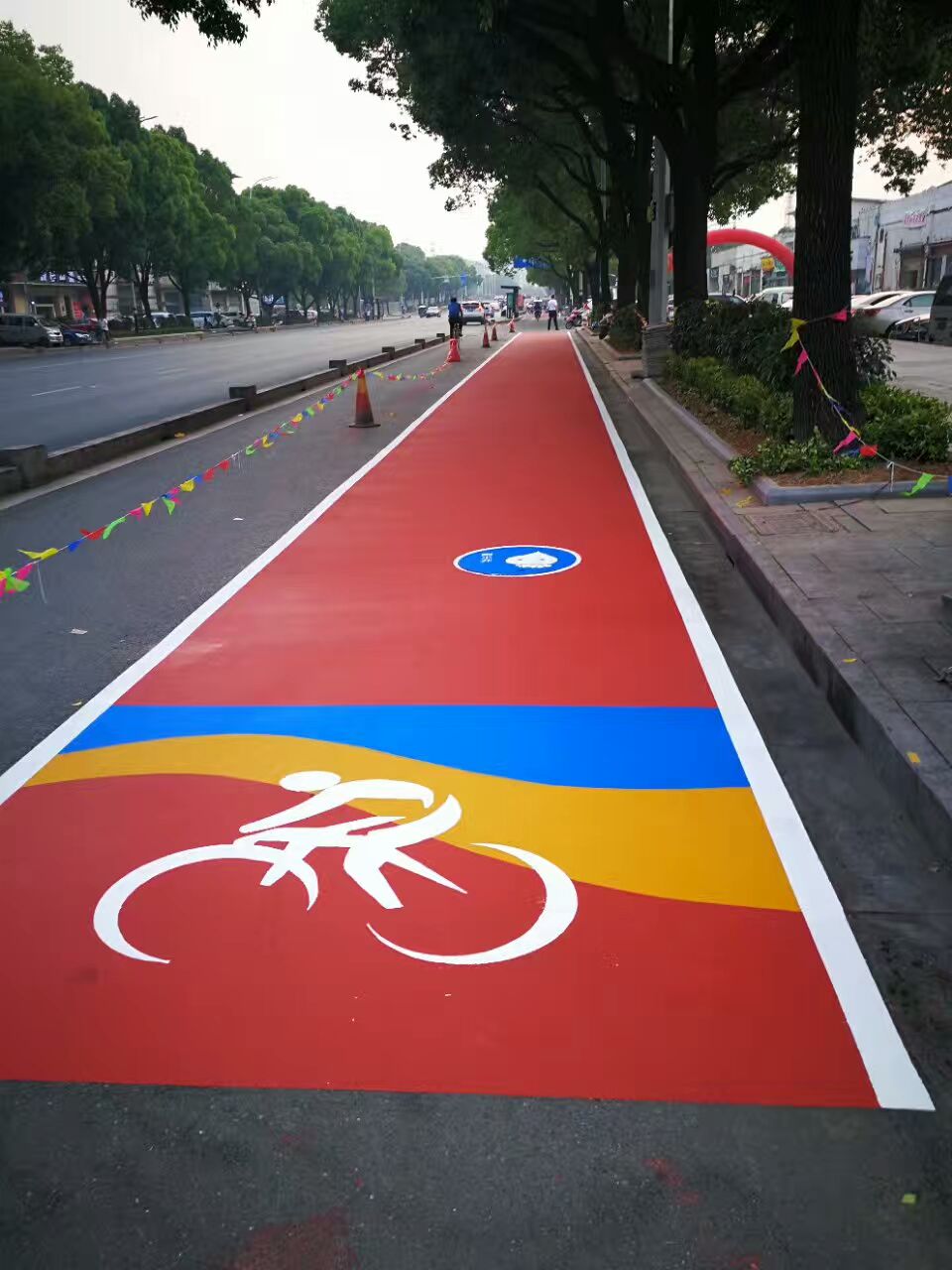
Zhaoqing City, China - Manufacturer of Red Transparent Water Concrete Floor Materials, Large Porous Permeable Colored Road Surface Casting Technology
详情描述
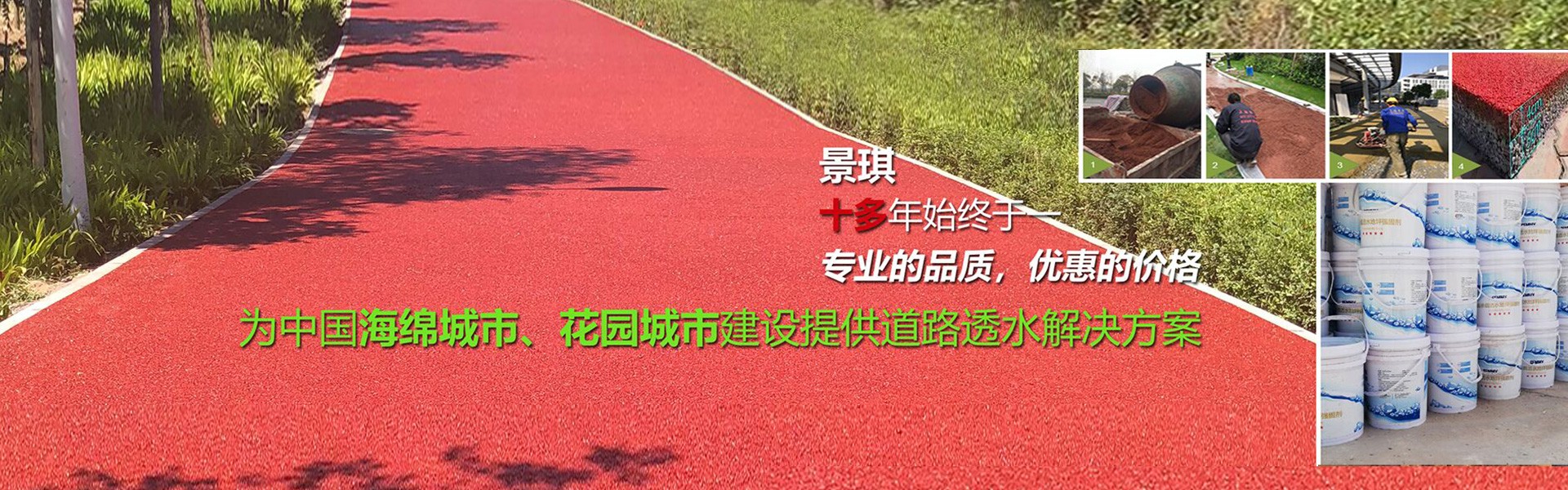
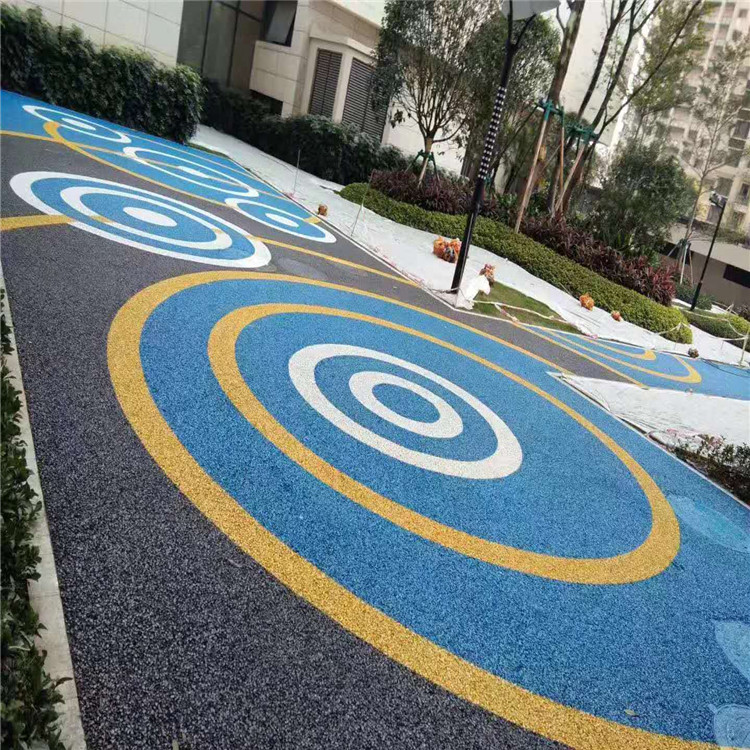
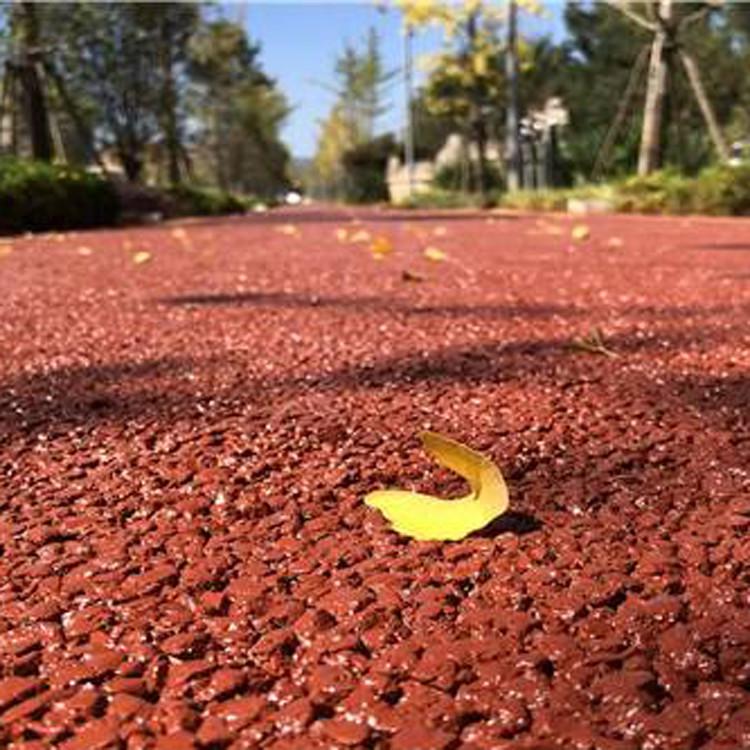
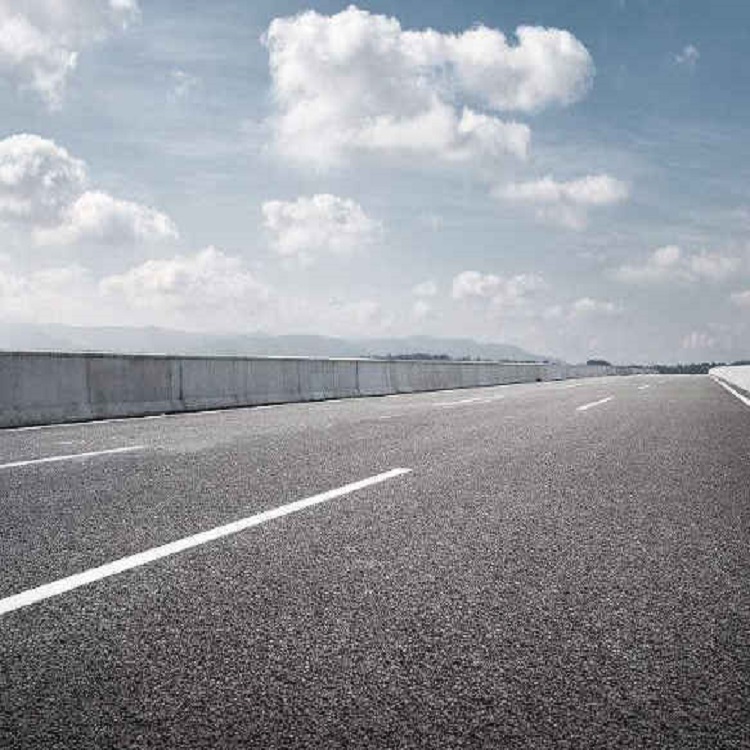
Porous concrete paving is suitable for municipal streets, residential areas, scenic areas, walkways, and running tracks. Unlike regular concrete, this paving has numerous pores, making it environmentally friendly and green. The construction of colored porous concrete is simple, and the operation is quite convenient.

Porous ground materials consist of binder and protective agents. Colored porous pavements greatly contribute to urban ecological protection. They also feature excellent wear resistance, pressure resistance, and frost-thaw resistance. To create a colored porous pavement, mix the materials, spread them, then compact and cure them before applying a protective agent. These pavements offer great durability and can last for over a decade.

Porous pavement design principles and regulations for sponge city permeable concrete ground
1. Colorful pervious concrete permeable pavement includes structural composition, material composition, and thickness determination.
2. The permeable pavement structure layer of colored pervious concrete typically consists of the surface layer, base layer, and subgrade layer.
3. The design of permeable pavement with colored pervious concrete should select appropriate surface materials, permeable base materials, and moisture stability subbase materials based on different subgrade conditions and usage requirements, ensuring the pavement structure has sufficient overall strength and permeability. A moisture retention layer should be installed when the subgrade below the roadbed is clayey soil.
4. For pedestrian walkways, bicycle paths, and other light-load ground surfaces, the surface thickness should be no less than 6cm. For medium-load ground surfaces such as parking lots and squares, the surface thickness should not be less than 10cm.

A sponge city refers to an urban development approach that, through strengthening the planning and management of urban construction, fully utilizes the roles of buildings, roads, green spaces, and water systems in absorbing, infiltrating, and slowly releasing rainwater. This effectively controls the runoff of rainwater, achieving natural storage, infiltration, and purification of urban areas. By implementing measures such as rooftop greening and rainwater collection and utilization facilities, cities can absorb and release rainwater like a "sponge," flexibly adapt to environmental changes, and respond to natural disasters, ensuring that "small rains don't cause ponding, heavy rains don't lead to flooding, water bodies don't become black and臭, and the heat island effect is mitigated."

询价单


