



- AllProduct Category
-
Landscaped Pavement
Porous Concrete Pavement
Color Paving
Antique Art Pavement
Colored Pavement
Eco-Porous Concrete Pavement
Landscaping Pavers
Eco-Porous Concrete Flooring





Recommended Products

Jinan Optimization Promotion, Jiaozuo Direct Supply of Permeable Concrete Paving Materials, Permeable Concrete Manufacturer

Permeable Concrete Manufacturer, Guangdong Colorful Permeable Pavement Factory, Landscape Permeable Road Surface

Customizable in multiple colors, Urumqi Art Embossed Concrete Flooring
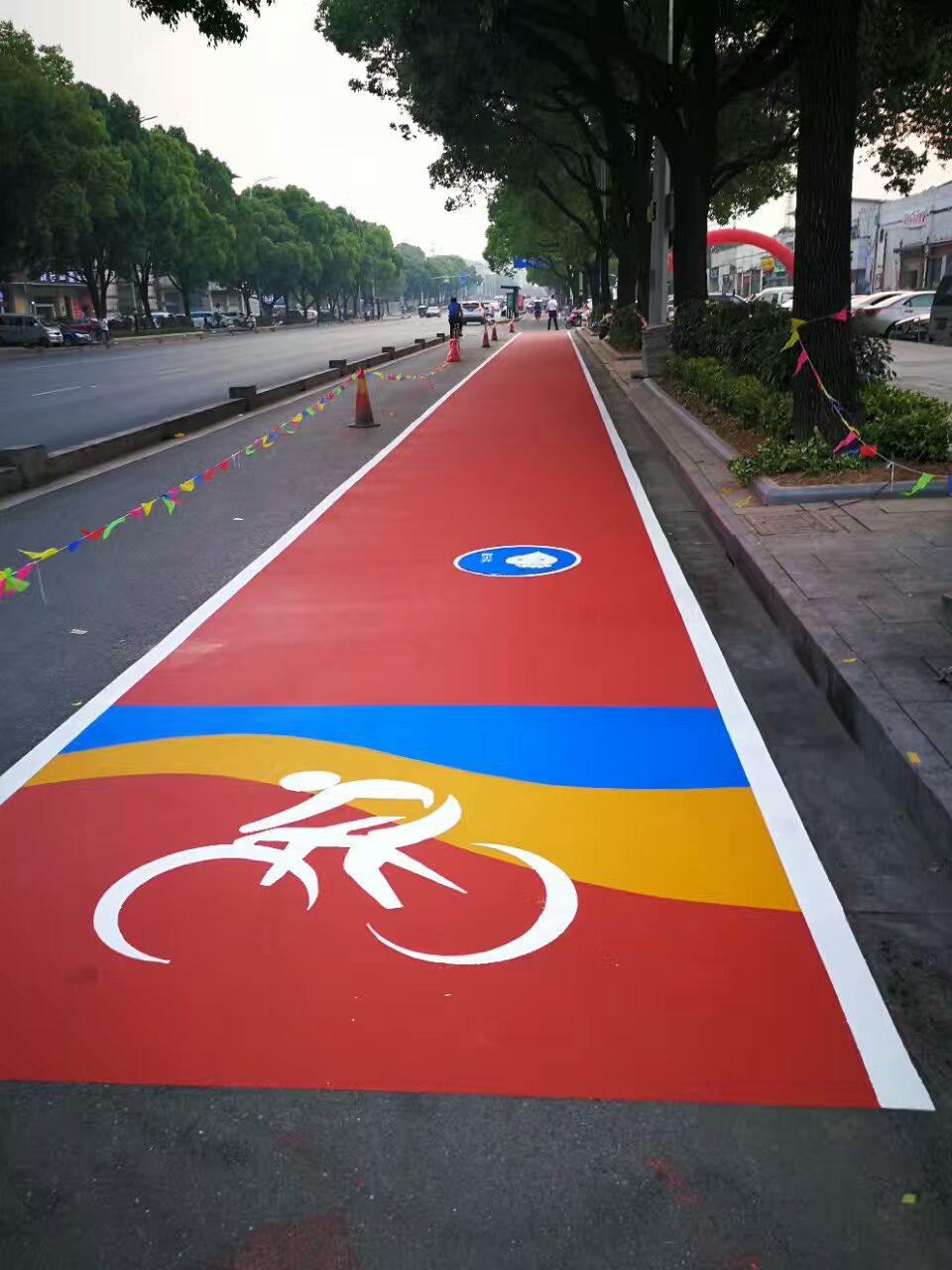
Zhaoqing City, China - Manufacturer of red permeable concrete floor materials; cast-in-place process for large-pored, permeable, colored road surfaces
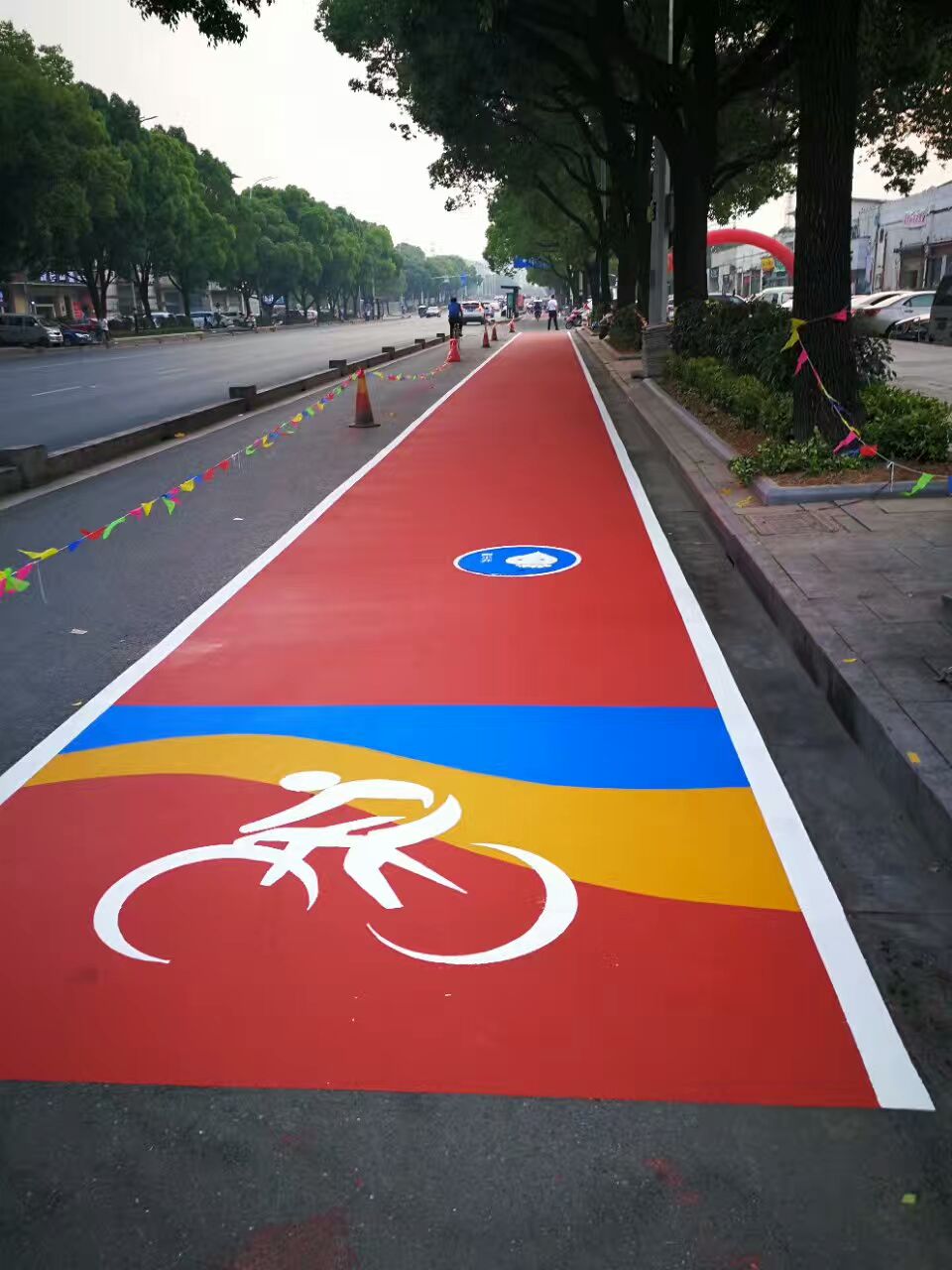
Zhaoqing City, China - Manufacturer of Red Transparent Concrete Floor Materials; Large Porous Permeable Colored Pavement Casting Technique
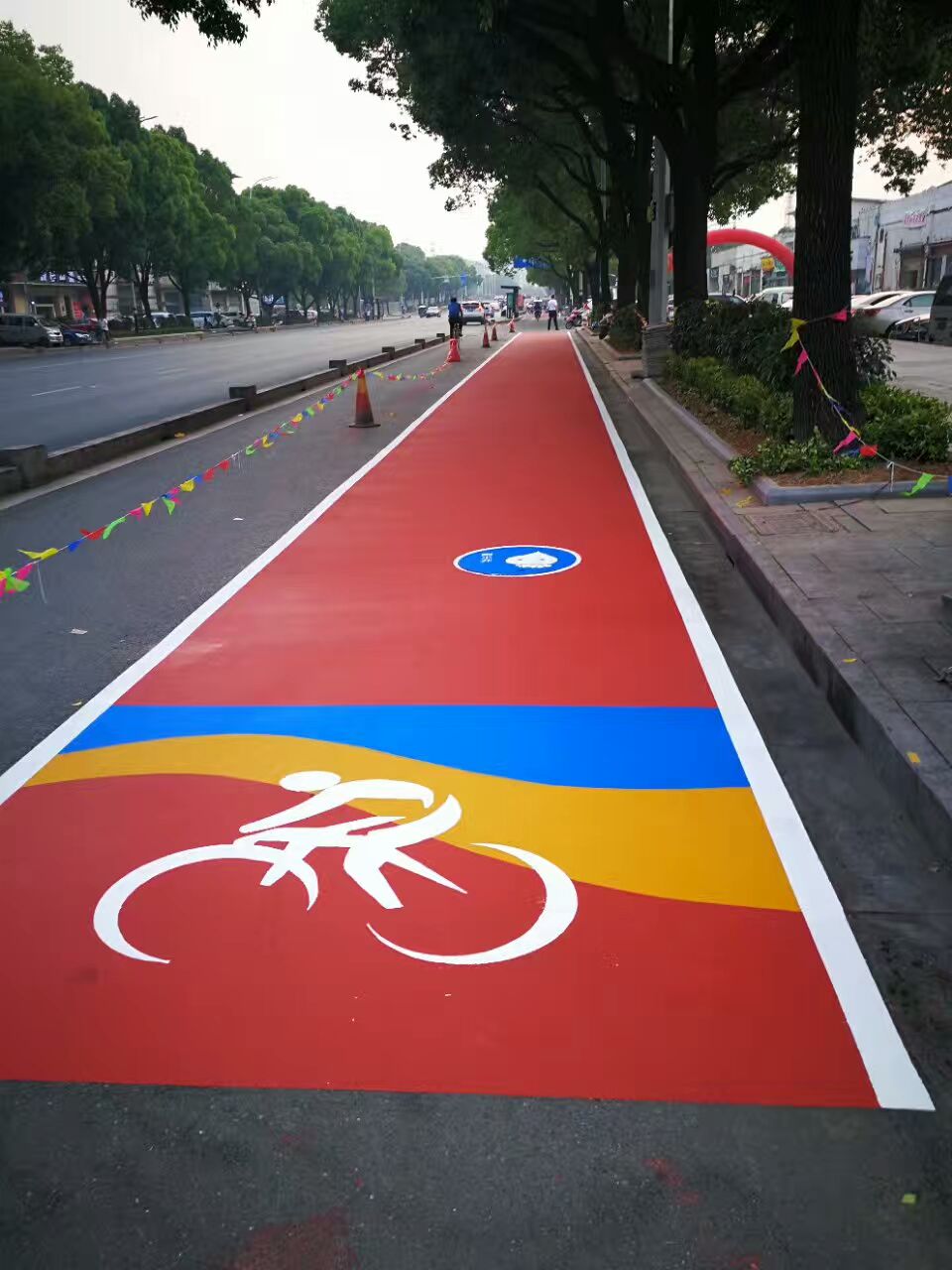
Zhaoqing City, China - Manufacturer of Red Transparent Water Concrete Floor Materials, Large Porous Permeable Colored Road Surface Casting Technology
详情描述
Color-bleeding permeable concrete, with its environmental benefits such as preventing ground subsidence, protecting underground water resources, and reducing the heat island effect, is now widely used around the world, making our cities more ecological, eco-friendly, and sustainable. The technology of permeable concrete is still considered an advanced and eco-friendly technique domestically.

Permeable concrete, while meeting strength requirements, also needs to maintain certain interconnected voids to fulfill permeability demands. Therefore, during the preparation, besides selecting suitable raw materials, it is essential to achieve the goals of strength and porosity through mix design, preparation techniques, and additives. Permeable concrete is composed of aggregates, cement, water, etc., often using monomial or intermittent gradation coarse aggregates as the framework, with the amount of fine aggregates generally controlled within 20% of the total aggregates. Cement options include silicate cement and ordinary 42.5 cement; admixtures can be chosen from fly ash, slag micro-fine powder, etc. When adding materials, first place the cement, admixtures, and coarse aggregates, then add half of the water amount and mix for 30 seconds; subsequently, add additives (additives, pigments, etc.) and mix for 60 seconds; finally, add the remaining water and mix for 120 seconds before discharging.

With the country's development and societal progress, urban development has also been accelerating rapidly. In cities, there has been a recent surge in the construction of sponge cities. During this process, cities are extensively reconstructing outdoor pavements, transforming from impermeable surfaces to permeable concrete. This change allows cities to develop better while also avoiding issues like surface water accumulation and urban flooding.

The current challenge in urban areas is environmental improvement. For cities severely lacking water, the South-to-North Water Diversion Project is overly complex. Moreover, as cities are constructing sponge cities, they are extensively renovating urban surfaces, replacing them with more permeable pervious concrete to enhance the environment and improve the quality of life for residents. The use and characteristics of concrete binders are gaining attention as pervious pavements, a new type of eco-friendly road material, become increasingly popular.

Porous concrete and sand-free concrete are made by uniformly mixing aggregates, binders, additives, cement, and water, then spreading them to form road surfaces. They offer higher strength and durability than traditional concrete, meeting the requirements for structural mechanical properties, functionality, and service life. They also harmonize with the natural environment, reduce the burden on the Earth and its ecosystems, and enable the recyclability of non-renewable resources. Furthermore, they provide excellent usability, creating a gentle, comfortable, and convenient living environment for humans.

询价单


