



- AllProduct Category
-
Landscaped Pavement
Porous Concrete Pavement
Color Paving
Antique Art Pavement
Colored Pavement
Eco-Porous Concrete Pavement
Landscaping Pavers
Eco-Porous Concrete Flooring





Recommended Products

Jinan Optimization Promotion, Jiaozuo Direct Supply of Permeable Concrete Paving Materials, Permeable Concrete Manufacturer

Permeable Concrete Manufacturer, Guangdong Colorful Permeable Pavement Factory, Landscape Permeable Road Surface

Customizable in multiple colors, Urumqi Art Embossed Concrete Flooring
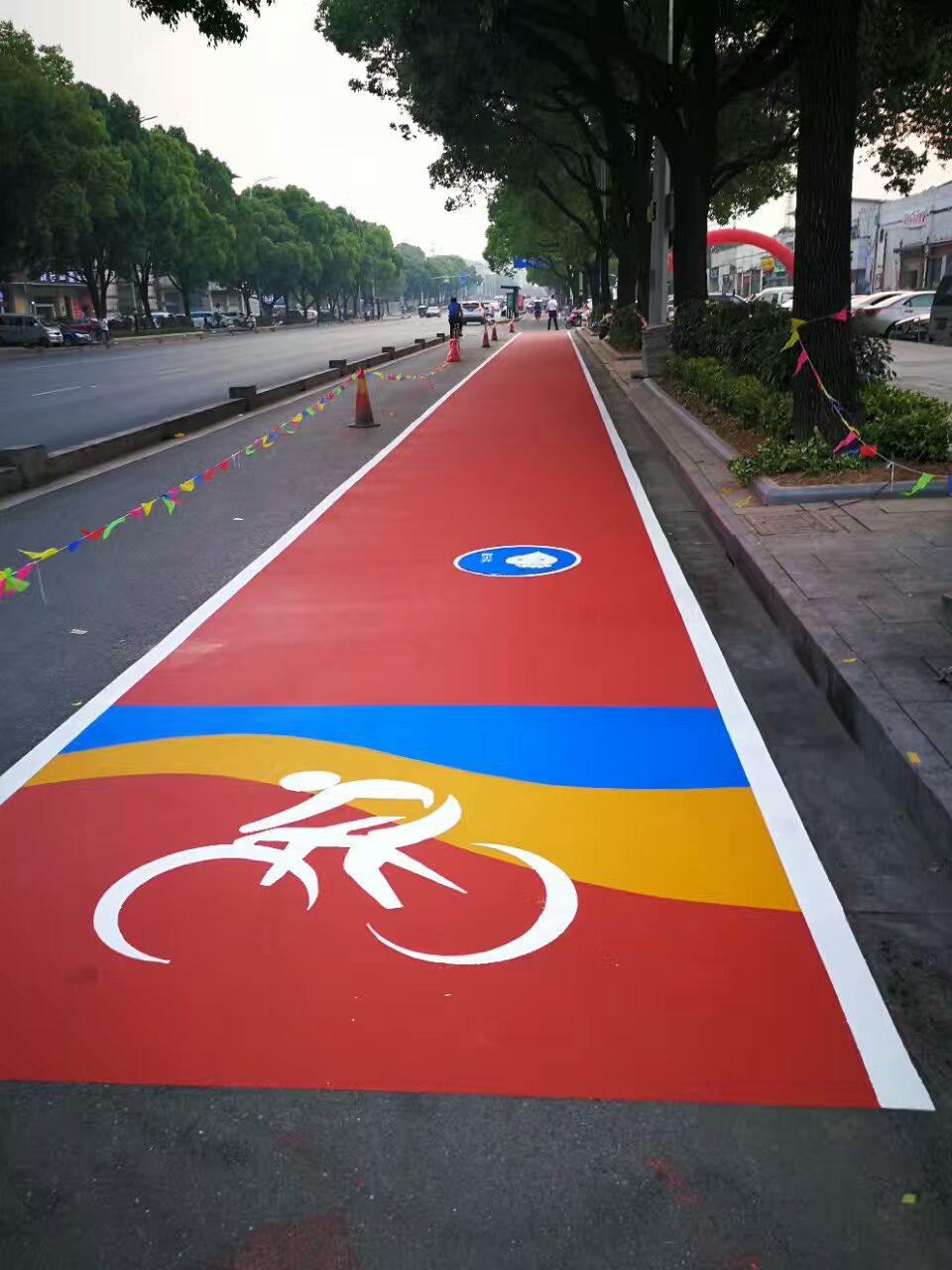
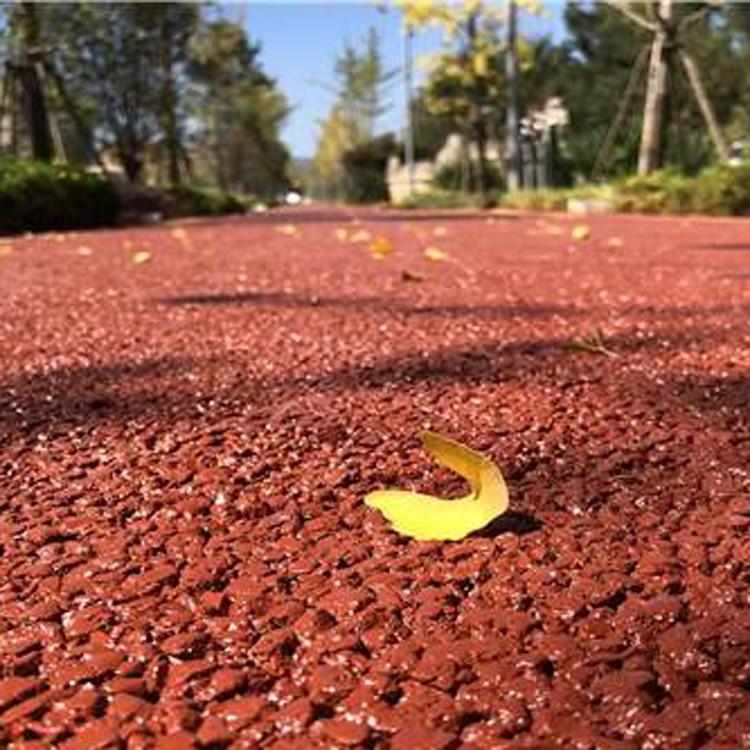
Zhaoqing City, China - Manufacturer of red permeable concrete floor materials; cast-in-place process for large-pored, permeable, colored road surfaces
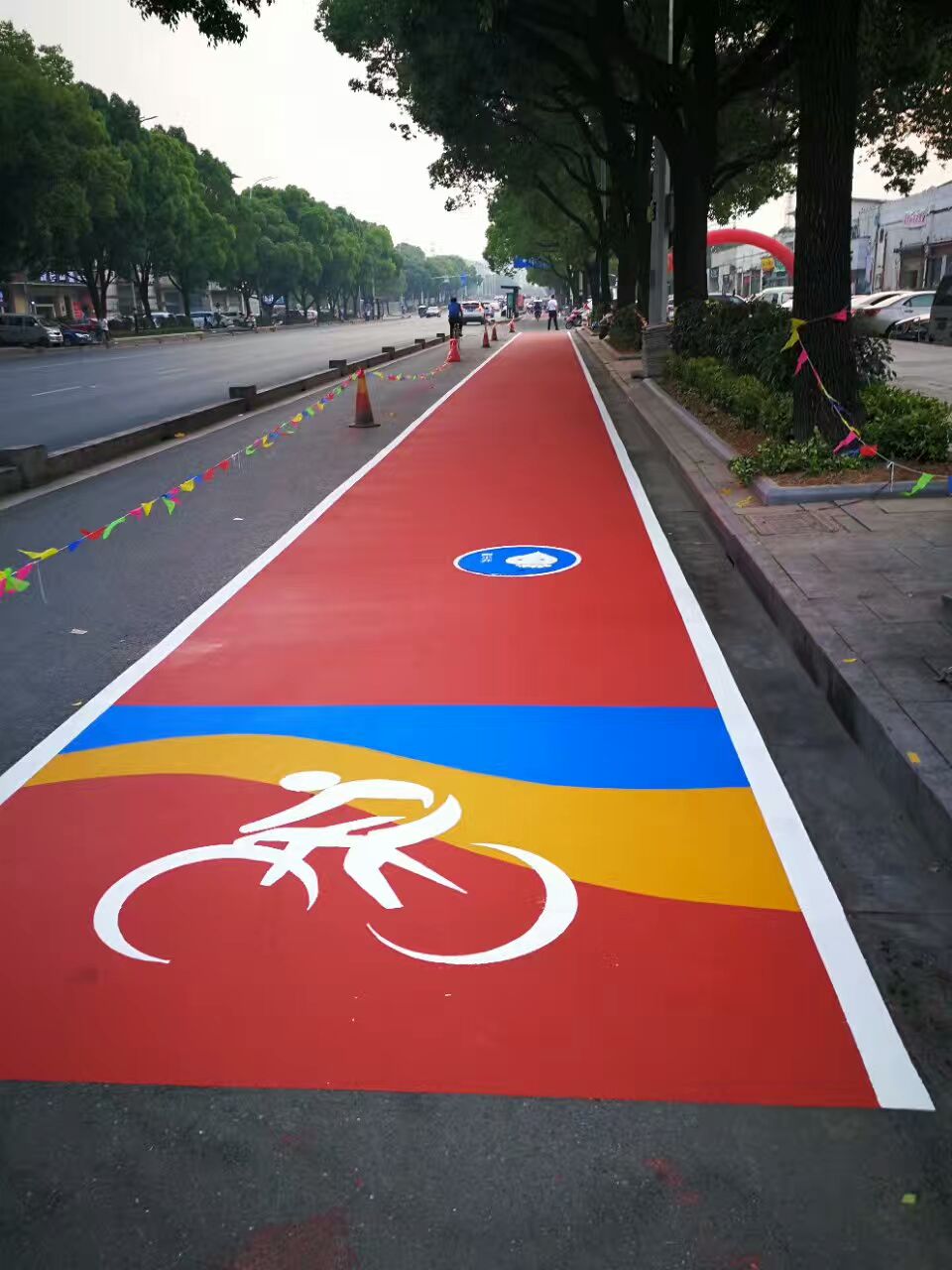
Zhaoqing City, China - Manufacturer of Red Transparent Concrete Floor Materials; Large Porous Permeable Colored Pavement Casting Technique
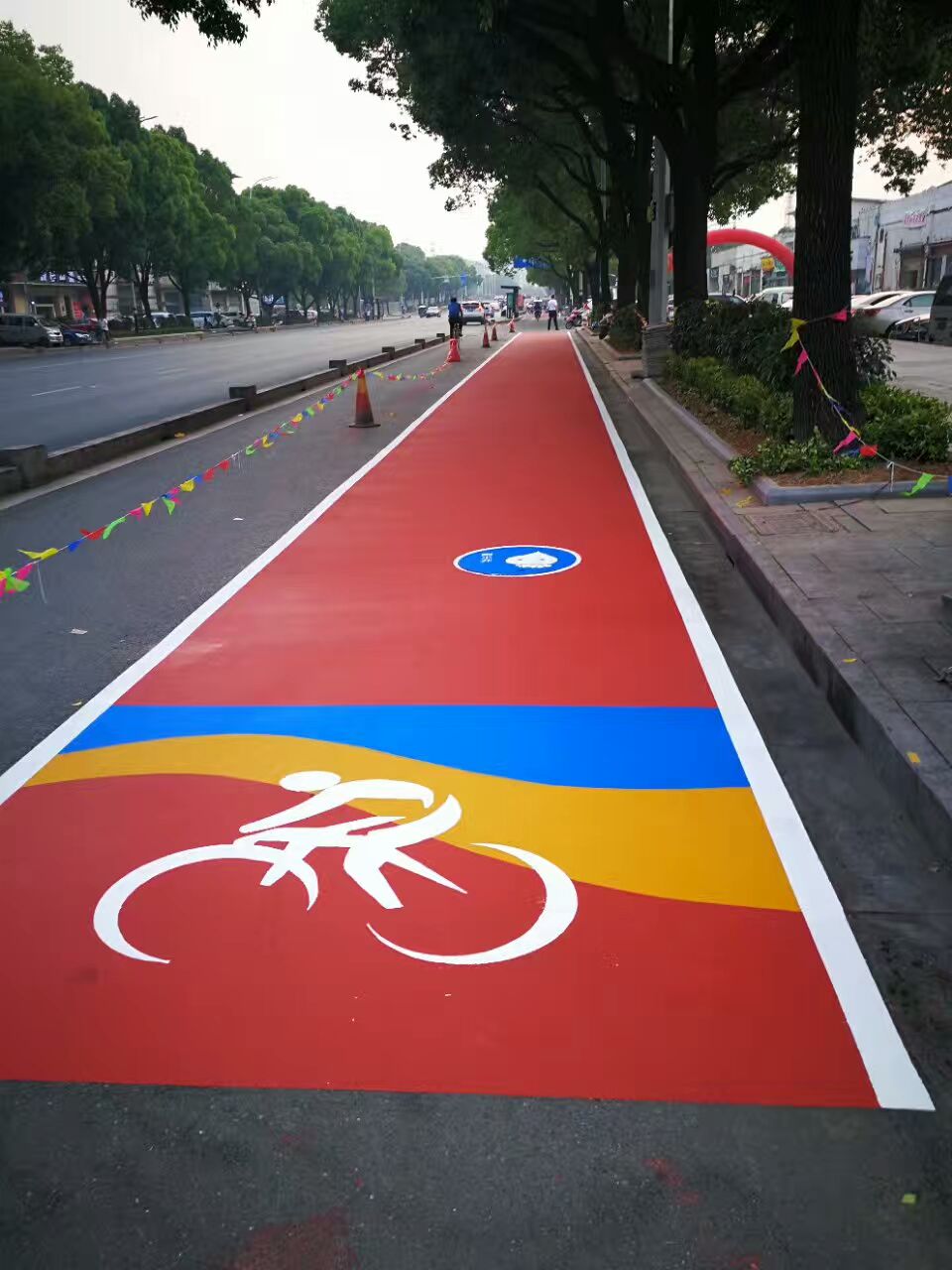
Zhaoqing City, China - Manufacturer of Red Transparent Water Concrete Floor Materials, Large Porous Permeable Colored Road Surface Casting Technology
详情描述
Porous pavement, as a new environmentally friendly and ecological road material, has garnered increasing attention. In modern cities, the surface is often covered with reinforced concrete buildings, which can be widely used for various types of roads, squares, gardens, industrial parks, public parking lots, pedestrian paths, residential communities, garden walkways, villas, garden roads, scenic roads, recreational paths, recreational squares, garden roads, ancient-style architectural complexes, and various functional roads.

Steps for Permeable Concrete Paving Construction:
1. Mixing: The cement slurry in the permeable concrete mixture has a higher viscosity and less quantity. To ensure the cement slurry can uniformly coat the aggregates, it is advisable to use a forced-action mixer with a mixing time of over 10 minutes.
2. Permeable Subgrade Casting: Before casting, the subgrade must be moistened with water. Otherwise, the rapid loss of moisture in the permeable pavement will weaken the bonding strength between aggregates. Sprinkle cement slurry to prevent delamination. The permeable subgrade must be compacted with a vibration tamper.
3. Surface Layer Spreading: It is not advisable to vigorously compact or consolidate the surface layer during the spreading process. Generally, a flat polishing machine is used to compact and finish the surface, but it is crucial to avoid the use of high-frequency vibrators. Otherwise, they can make the concrete overly dense, reducing the porosity and affecting the permeability. High-frequency vibrators can also cause the cement paste to separate from the coarse aggregate surface, settle at the bottom to form an impermeable layer, and thus lose the permeable property of the material. After the polishing machine has passed, manual supplementation and edging of the areas with insufficient material are required.
4. Blind Path Casting: The blind paths for permeable pavements require custom organic glass molds, filled with mortar. After full drying and curing, simply spray paint them.

5. Maintenance: Due to the large number of pores, permeable pavement is prone to water loss and dries quickly, making maintenance crucial. Especially in the early stages, it's important to prevent excessive evaporation of moisture from the pavement. Generally, the demolding time for permeable concrete is shorter than that for regular concrete, leaving its sides and edges exposed to air. Use plastic film or colorful burlap to cover the surface and sides promptly to maintain humidity and ensure complete hydration of the cement. Watering for maintenance of permeable pavement should begin within 1 day of pouring, avoiding direct pressure water jets on the concrete surface as this can wash away some cement paste, creating weaker areas. However, watering from top to bottom in normal conditions is acceptable. The watering maintenance period for permeable pavement should last at least 7 days.
6. Apply protective topcoats. Once the permeable paving is fully cured, you can proceed to spray the colored topcoat. First, clean the surface of the paving thoroughly, then wait for the water to completely dry before using a sprayer to apply the colored topcoat. To protect the edges of the paved area, cover them with transparent tape to prevent staining.


询价单


