




- AllProduct Category
-
Landscaped Pavement
Porous Concrete Pavement
Color Paving
Antique Art Pavement
Colored Pavement
Eco-Porous Concrete Pavement
Landscaping Pavers
Eco-Porous Concrete Flooring





Recommended Products

Jinan Optimization Promotion, Jiaozuo Direct Supply of Permeable Concrete Paving Materials, Permeable Concrete Manufacturer

Permeable Concrete Manufacturer, Guangdong Colorful Permeable Pavement Factory, Landscape Permeable Road Surface

Customizable in multiple colors, Urumqi Art Embossed Concrete Flooring
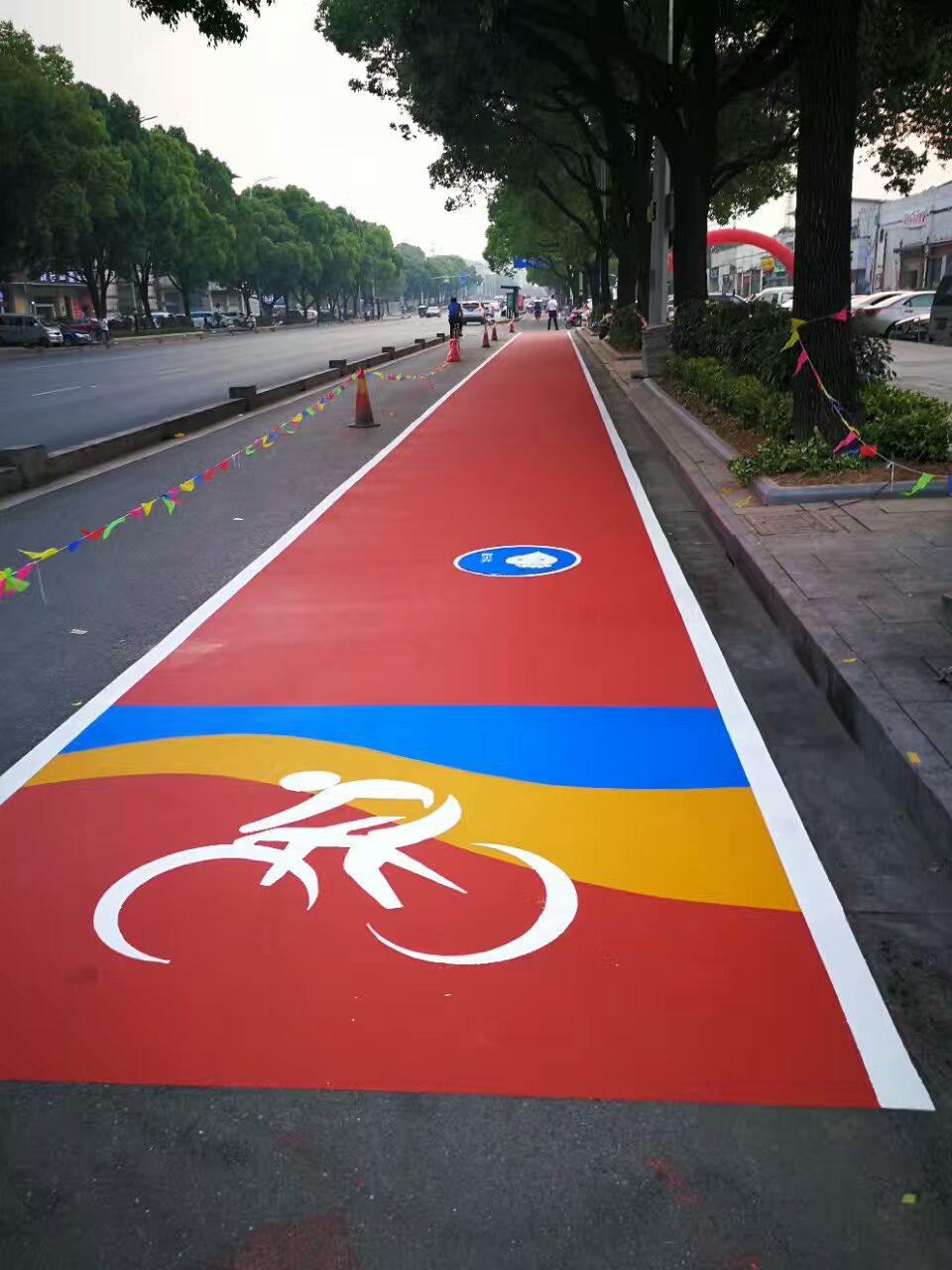
Zhaoqing City, China - Manufacturer of red permeable concrete floor materials; cast-in-place process for large-pored, permeable, colored road surfaces
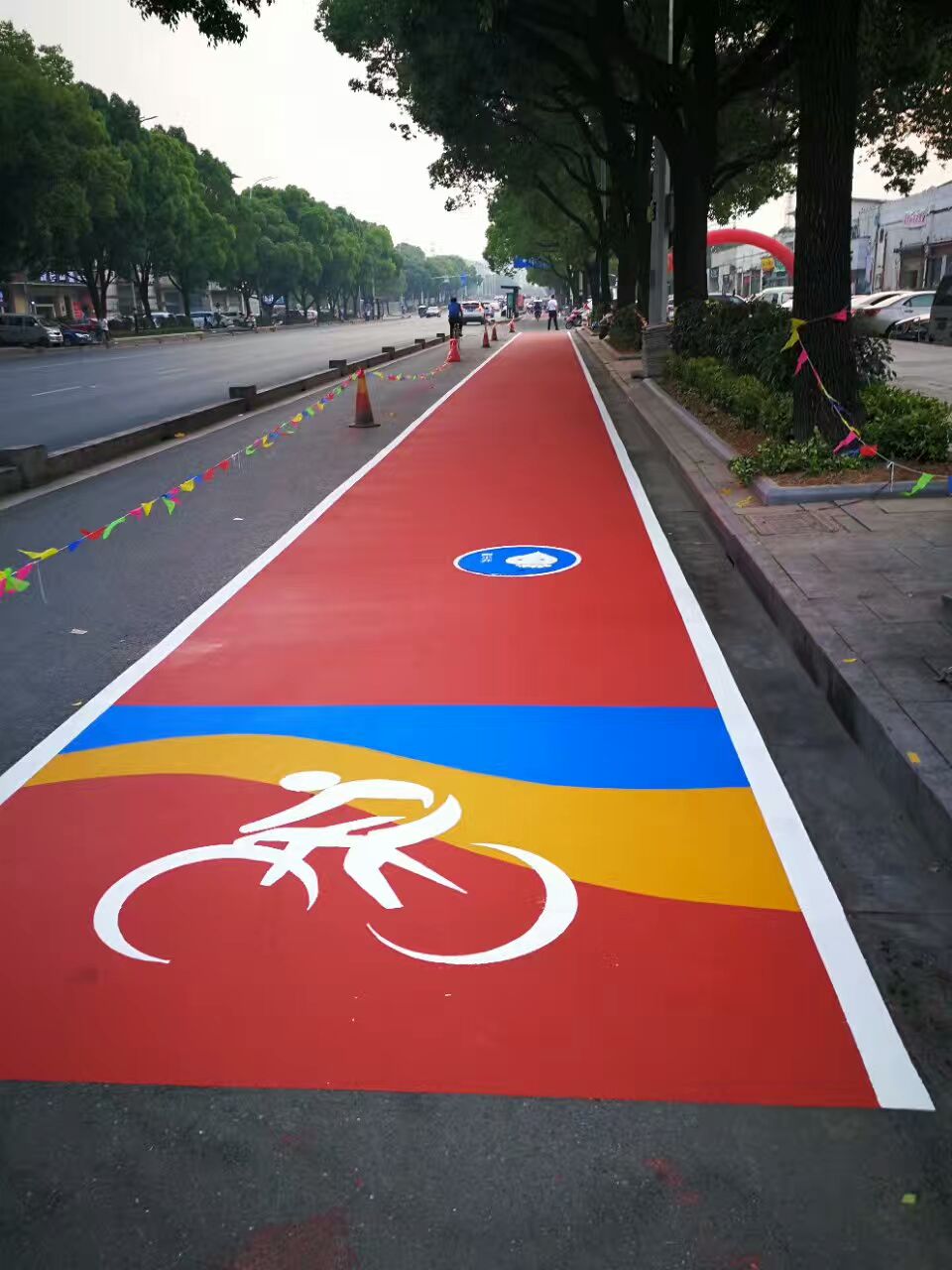
Zhaoqing City, China - Manufacturer of Red Transparent Concrete Floor Materials; Large Porous Permeable Colored Pavement Casting Technique
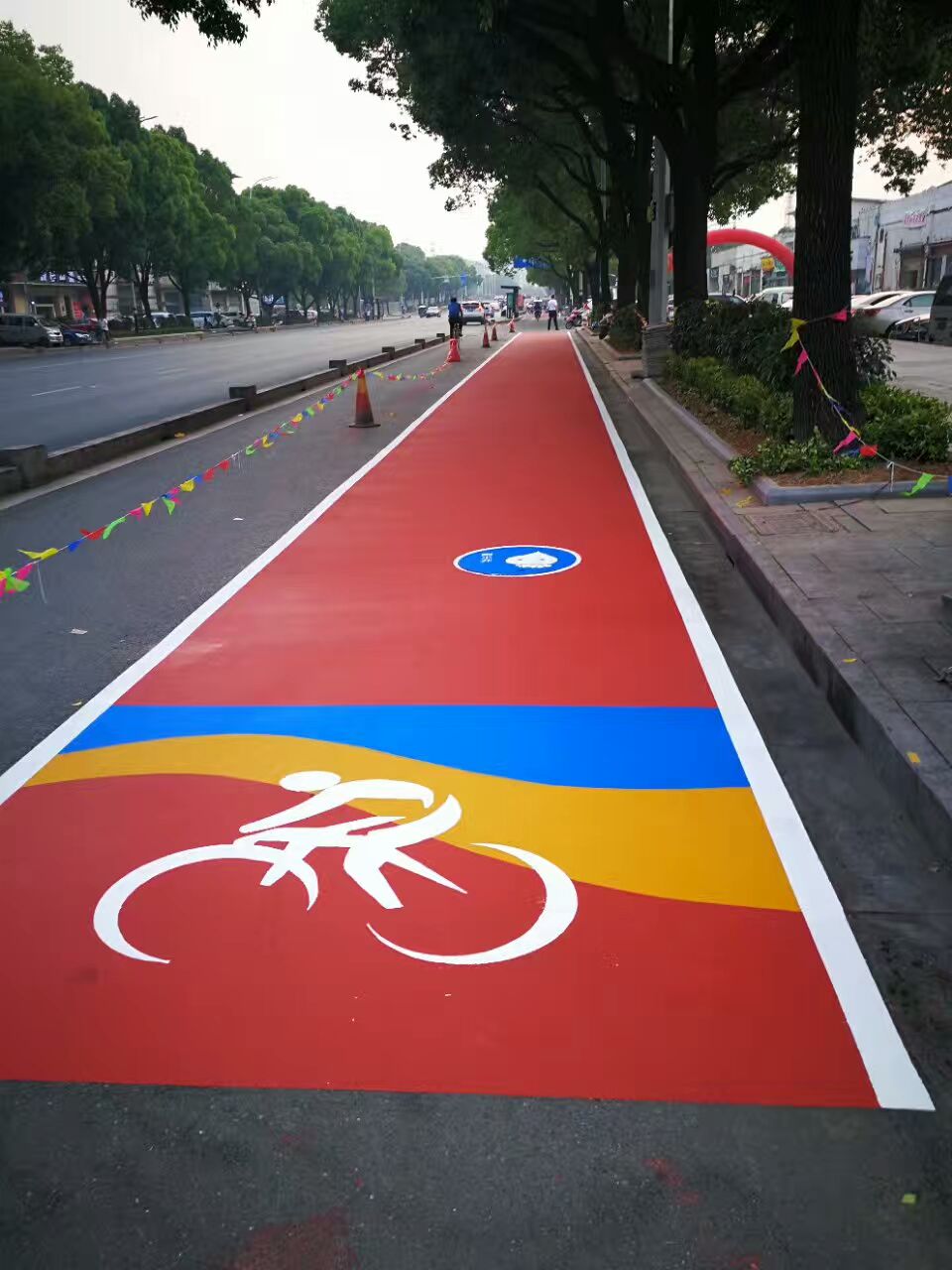
Zhaoqing City, China - Manufacturer of Red Transparent Water Concrete Floor Materials, Large Porous Permeable Colored Road Surface Casting Technology
详情描述
Porous pavement facilitates rapid rainwater drainage, ensuring dry feet during light rain and enhancing the travel environment while also improving the aesthetic appeal of the road surface. The construction of porous pavement predominantly uses concrete materials, with permeable concrete being the primary material for such pavements. It involves the abandonment of fine aggregates in concrete, creating a porous, honeycomb-like, sand-free concrete with a porosity of up to 15-25%.

Due to the insufficient strength and compactness of concrete without fine aggregates, its bearing capacity is poor, hence the necessity of adding concrete reinforcing agents. The cement should be a slag cement with a grade of 42.5 or higher; the stone should be selected based on local market conditions. For the surface layer, we recommend 3-5mm basalt or fine sand, while for the base layer, 5-10mm pebble chips are suggested. The construction method for pervious concrete roads should be determined by the strength and material mix ratios, commonly ranging from C15 to C30. Pervious pavements have pores, unlike standard concrete, which can lead to issues such as surface cementation and stone loss.

Porous concrete flooring has entered people's lives, initially still influenced by traditional paving materials, inheriting their original flaws, such as permeability, wear resistance, and bearing capacity. However, the role of porous concrete flooring under new technology exceeds our imagination, overcoming the shortcomings of traditional flooring and offering many benefits, including beauty, ease of maintenance, and reduced dust. It has also gained widespread popularity among the general public.

The advantages of permeable concrete flooring:
1.When heavy precipitation occurs, it can alleviate the burden on urban drainage facilities and prevent river flooding and water pollution.
2.Facilitates rapid infiltration of rainwater into the ground, replenishing groundwater and maintaining soil moisture.
3.Prevent road surface ponding, reduce glare at night, enhance road safety and travel comfort.
4.Regulate the temperature and humidity of urban spaces, improve the urban heat cycle, and alleviate the heat island effect.
5.High porosity can reduce road noise during vehicle travel, creating a comfortable traffic environment.
6.Large gaps can absorb urban pollutants.(As dust)Reduce dust pollution.
7.Easy to maintain, gaps won't tear, and not prone to traffic jamming.
8.Patterns can be custom-designed to seamlessly integrate with the surrounding environment.

询价单


