



- AllProduct Category
-
Landscaped Pavement
Porous Concrete Pavement
Color Paving
Antique Art Pavement
Colored Pavement
Eco-Porous Concrete Pavement
Landscaping Pavers
Eco-Porous Concrete Flooring





Recommended Products

Jinan Optimization Promotion, Jiaozuo Direct Supply of Permeable Concrete Paving Materials, Permeable Concrete Manufacturer

Permeable Concrete Manufacturer, Guangdong Colorful Permeable Pavement Factory, Landscape Permeable Road Surface

Customizable in multiple colors, Urumqi Art Embossed Concrete Flooring
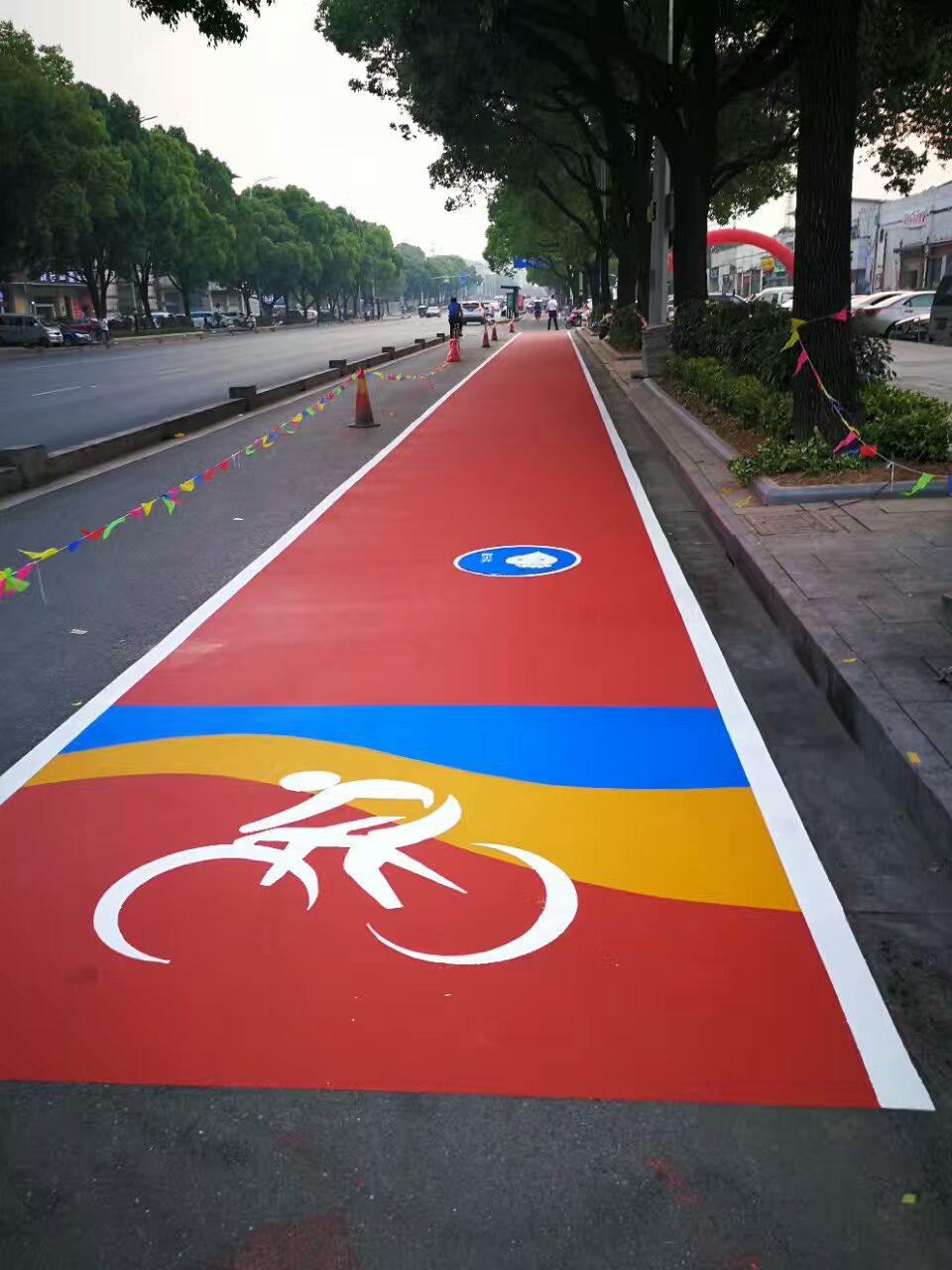
Zhaoqing City, China - Manufacturer of red permeable concrete floor materials; cast-in-place process for large-pored, permeable, colored road surfaces
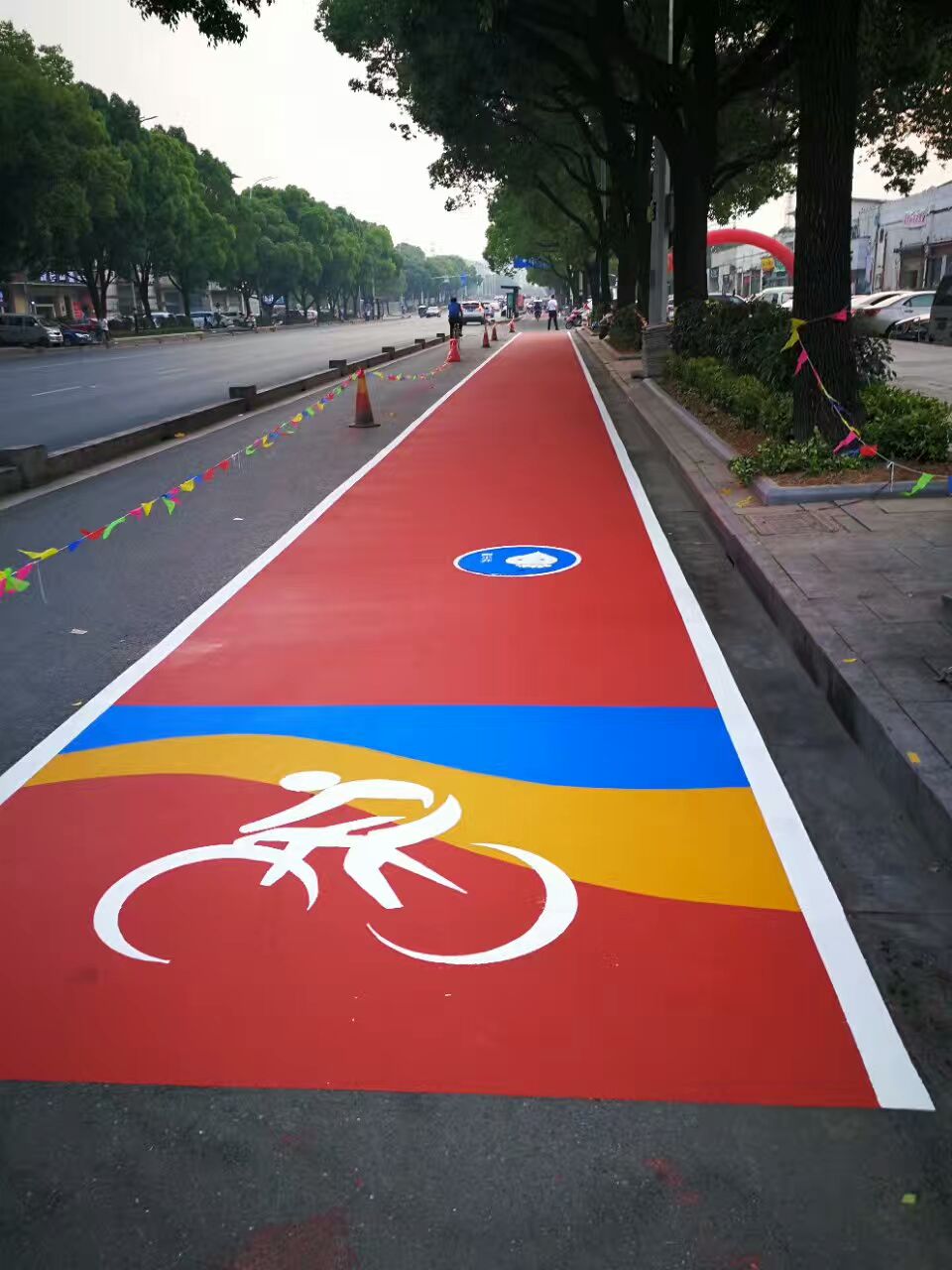
Zhaoqing City, China - Manufacturer of Red Transparent Concrete Floor Materials; Large Porous Permeable Colored Pavement Casting Technique
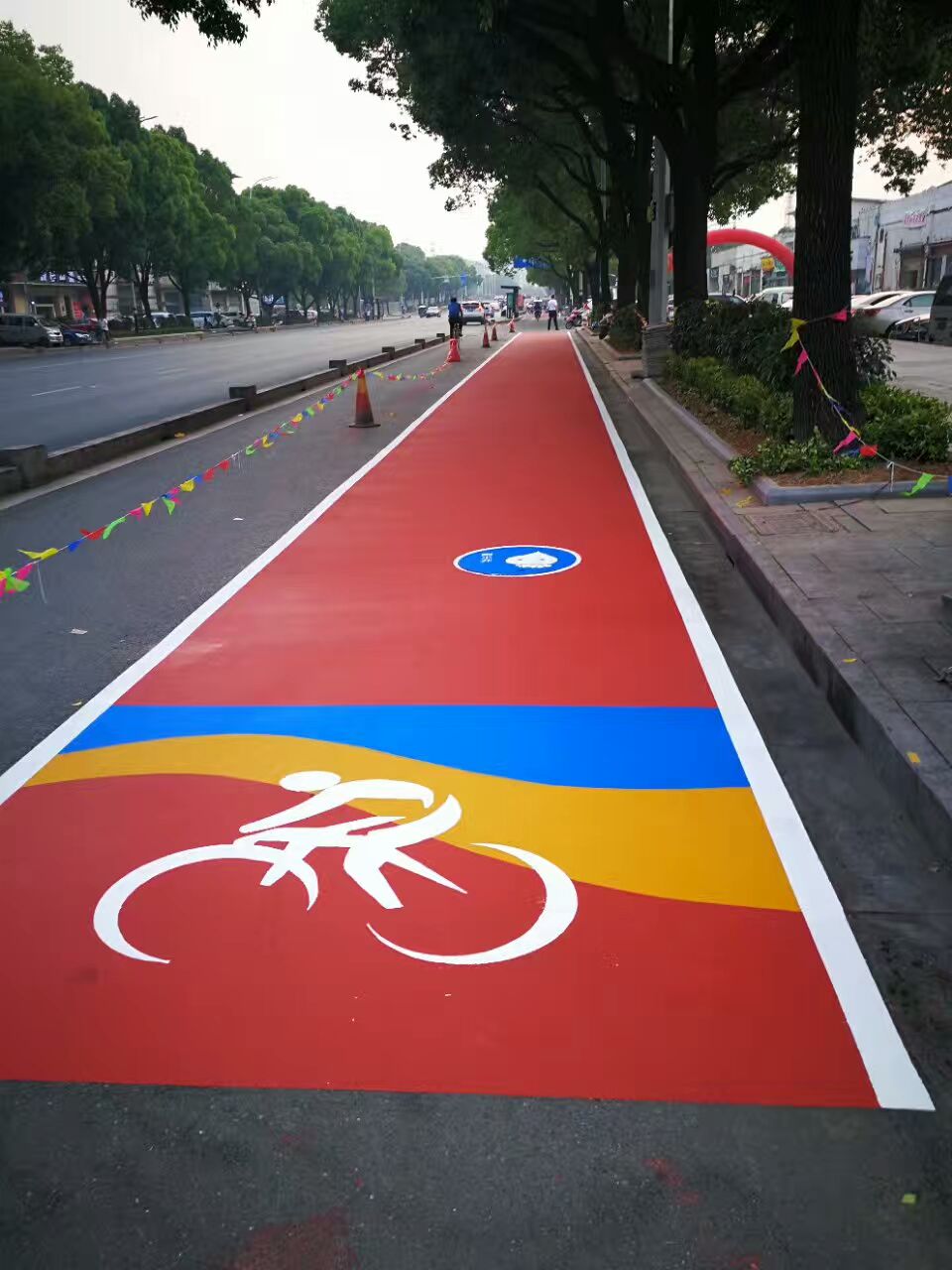
Zhaoqing City, China - Manufacturer of Red Transparent Water Concrete Floor Materials, Large Porous Permeable Colored Road Surface Casting Technology
详情描述
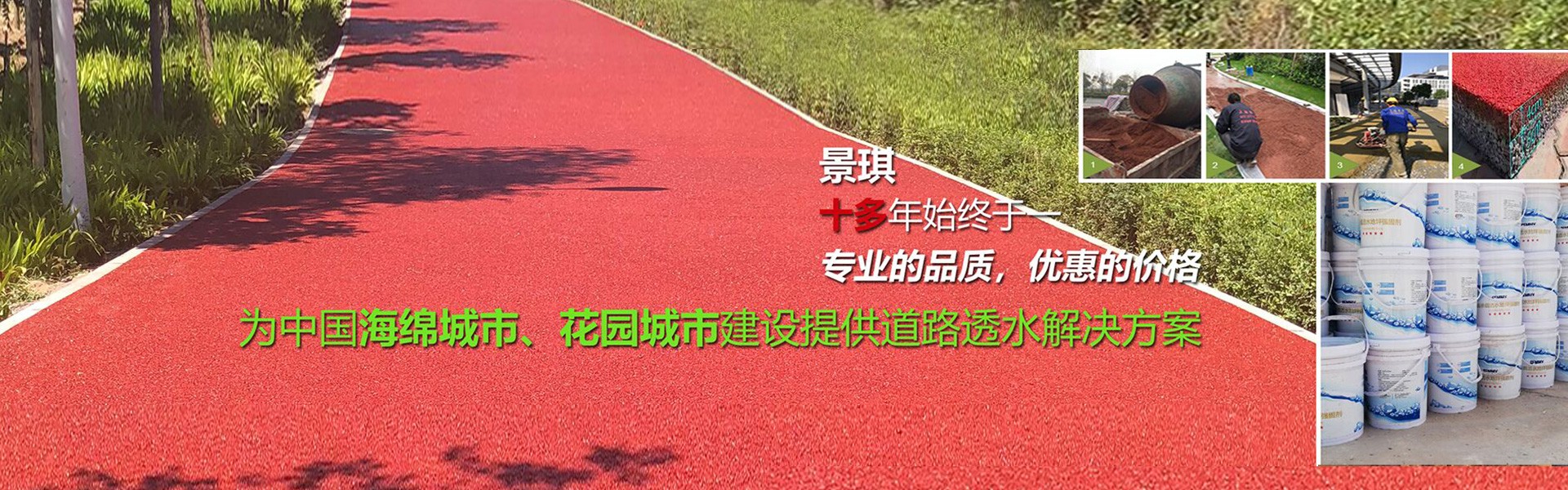
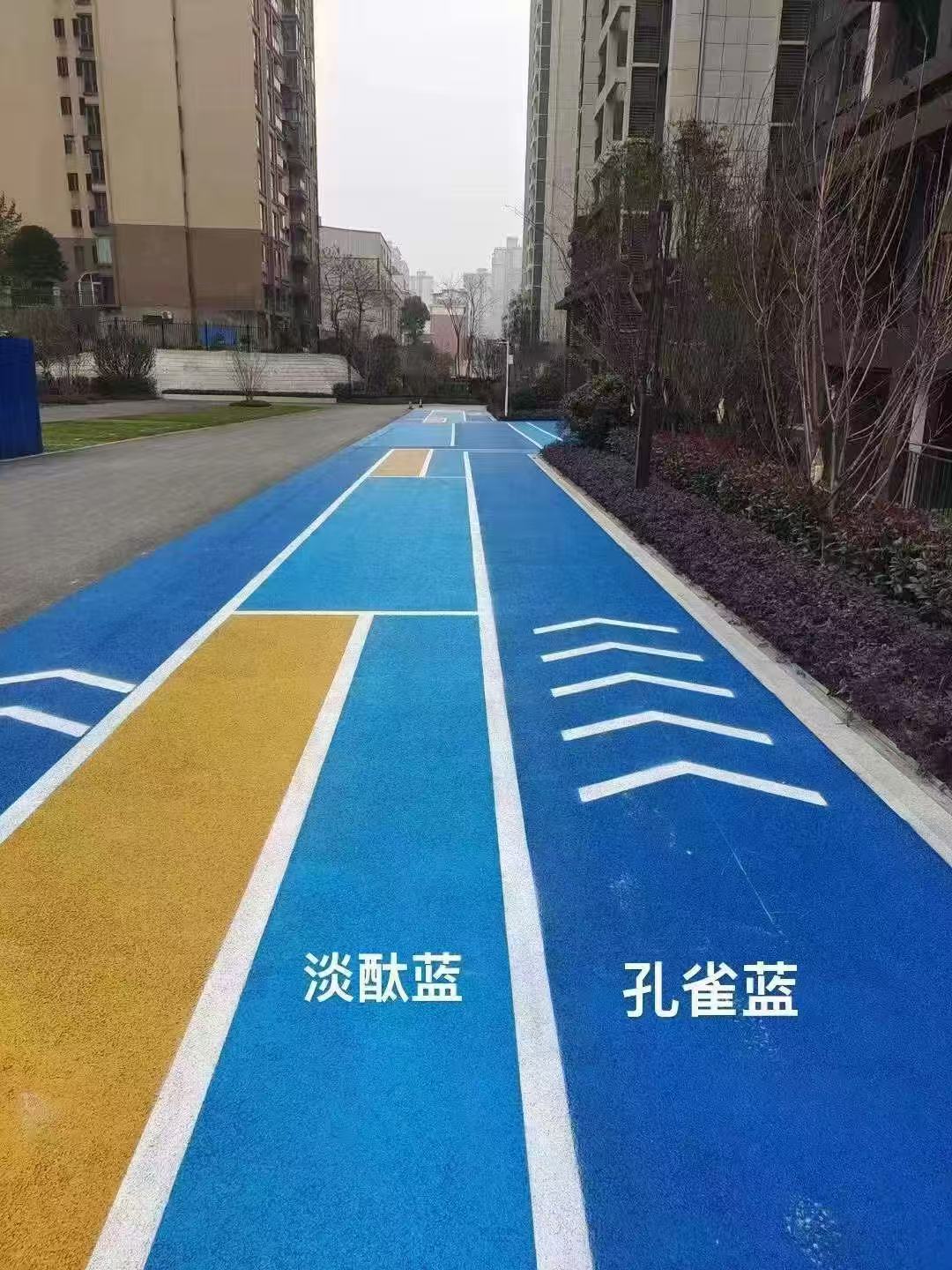
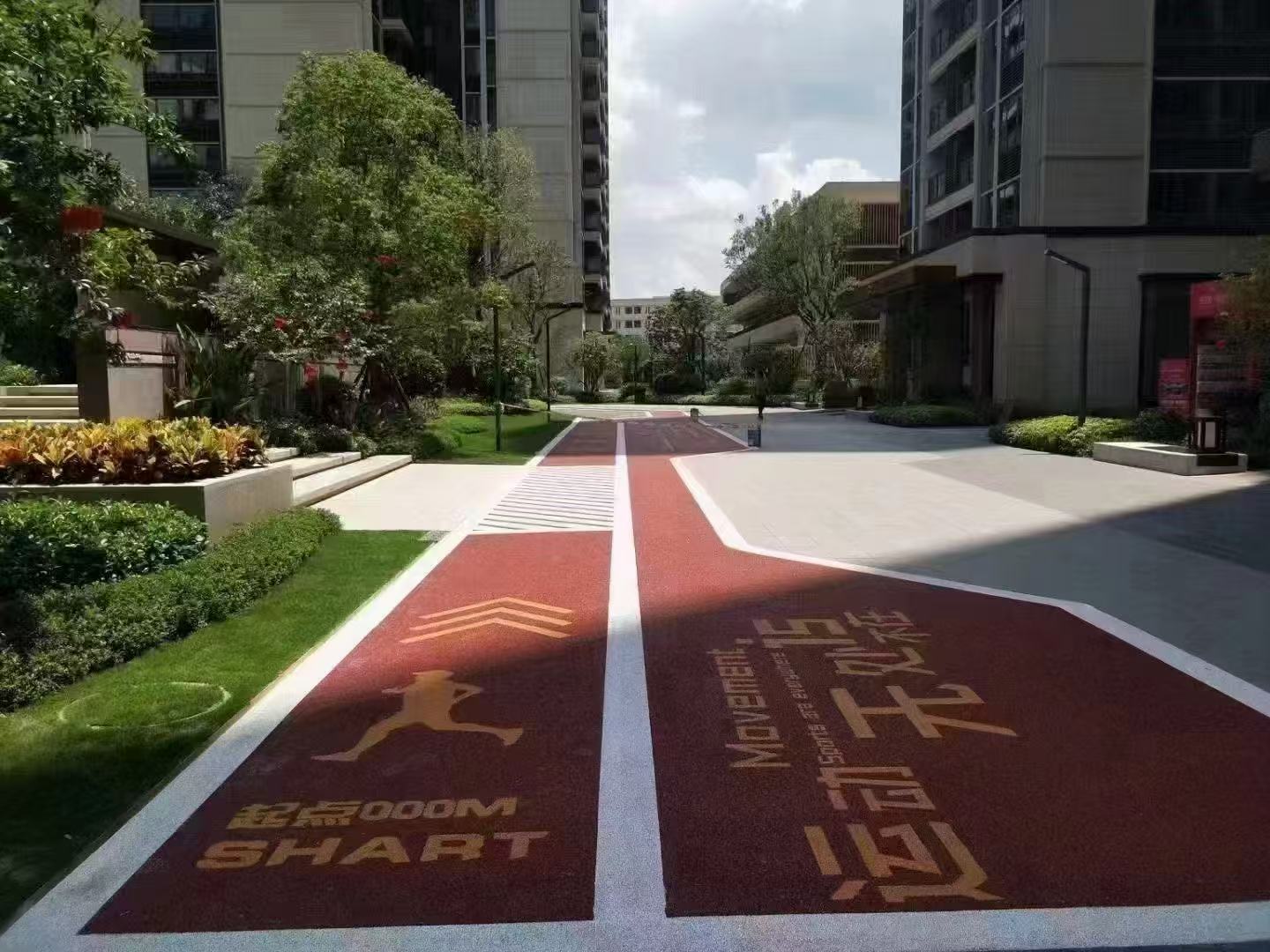
Porous concrete is formed by a thin layer of cement paste binding the coarse aggregates together, creating a honeycomb-like structure with uniformly distributed voids, hence it features breathability, water permeability, and light weight. As a new environmentally friendly and ecological road material, colored porous paving is increasingly gaining popularity. It is a creative material for restoring the Earth's environment that is constantly being damaged, and it will contribute to the sustainability of human development. What rich characteristics does colored porous paving possess? It boasts high permeability with a porosity of 15%-25%.

Sponge City --- Retain
Retain rainwater by respecting the natural terrain and topography, allowing rainfall to naturally disperse. With artificial construction having disrupted natural terrain, water accumulates in one place in a short time, leading to internal flooding. Therefore, rainfall should be stored to achieve water regulation and peak-shaving. Currently, there are no fixed standards or requirements for the water storage phase in sponge cities, with diverse underground storage styles. The two most commonly used forms are: plastic module water storage and underground reservoirs.
Honeycomb city --- Retard
Its primary function is to delay the runoff of rainwater formed in a short period. For instance, by micro-topographic adjustment, rainwater is allowed to slowly accumulate in one place, trading time for space. Through the process of "retention," it can delay the peak formation of runoff. The specific forms can be summarized into three: rainwater gardens, ecological retention basins, infiltration ponds, and artificial wetlands.
Honeycomb City — Pure
Soil infiltration, through vegetation, green spaces, and water bodies, all contribute to water purification. Therefore, it should be collected, treated, and reused in urban areas. Rainwater purification systems are set up differently based on regional environments, which can generally be categorized into three types: residential area rainwater collection and purification, industrial area rainwater collection and purification, and public municipal area rainwater collection and purification. Based on these three types of regional environments, different rainwater purification stages can be established. Currently, the familiar purification process is divided into three stages: soil filtration purification, artificial wetland purification, and biological treatment.

Additionally, the unique porous structure of the permeable paving system allows lower ground temperatures to be transferred to the surface, thereby reducing the overall temperature of the paved area. In real life, an increasing number of buildings reduce people's comfort and expand the range of thermal stress; air quality has severely deteriorated, and toxic smoke is easily spread in hot air, with more smoke leading to a rise in respiratory diseases. People live in danger every day; with the reduction in shade, prolonged exposure to sunlight increases due to the low density of building materials (15-25% voids), which itself lowers the ground's heat storage capacity and greatly increases the likelihood of skin cancer. The structural characteristics of permeable concrete make the permeable paving system similar to the natural vegetation-covered ground in terms of heat absorption and storage functions, thereby addressing people's survival environment issues.

询价单


