



- AllProduct Category
-
Landscaped Pavement
Porous Concrete Pavement
Color Paving
Antique Art Pavement
Colored Pavement
Eco-Porous Concrete Pavement
Landscaping Pavers
Eco-Porous Concrete Flooring





Recommended Products

Jinan Optimization Promotion, Jiaozuo Direct Supply of Permeable Concrete Paving Materials, Permeable Concrete Manufacturer

Permeable Concrete Manufacturer, Guangdong Colorful Permeable Pavement Factory, Landscape Permeable Road Surface

Customizable in multiple colors, Urumqi Art Embossed Concrete Flooring
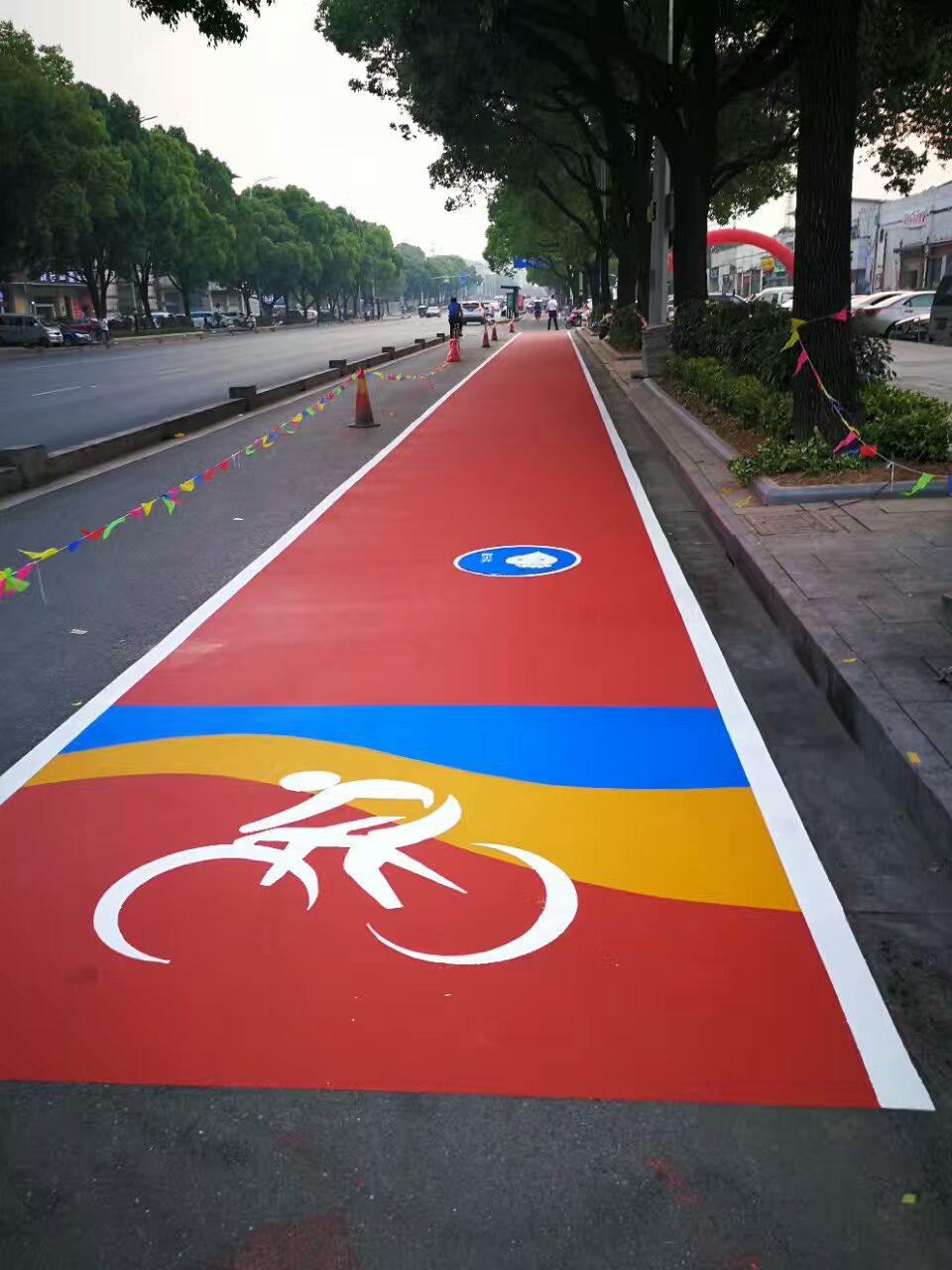
Zhaoqing City, China - Manufacturer of red permeable concrete floor materials; cast-in-place process for large-pored, permeable, colored road surfaces
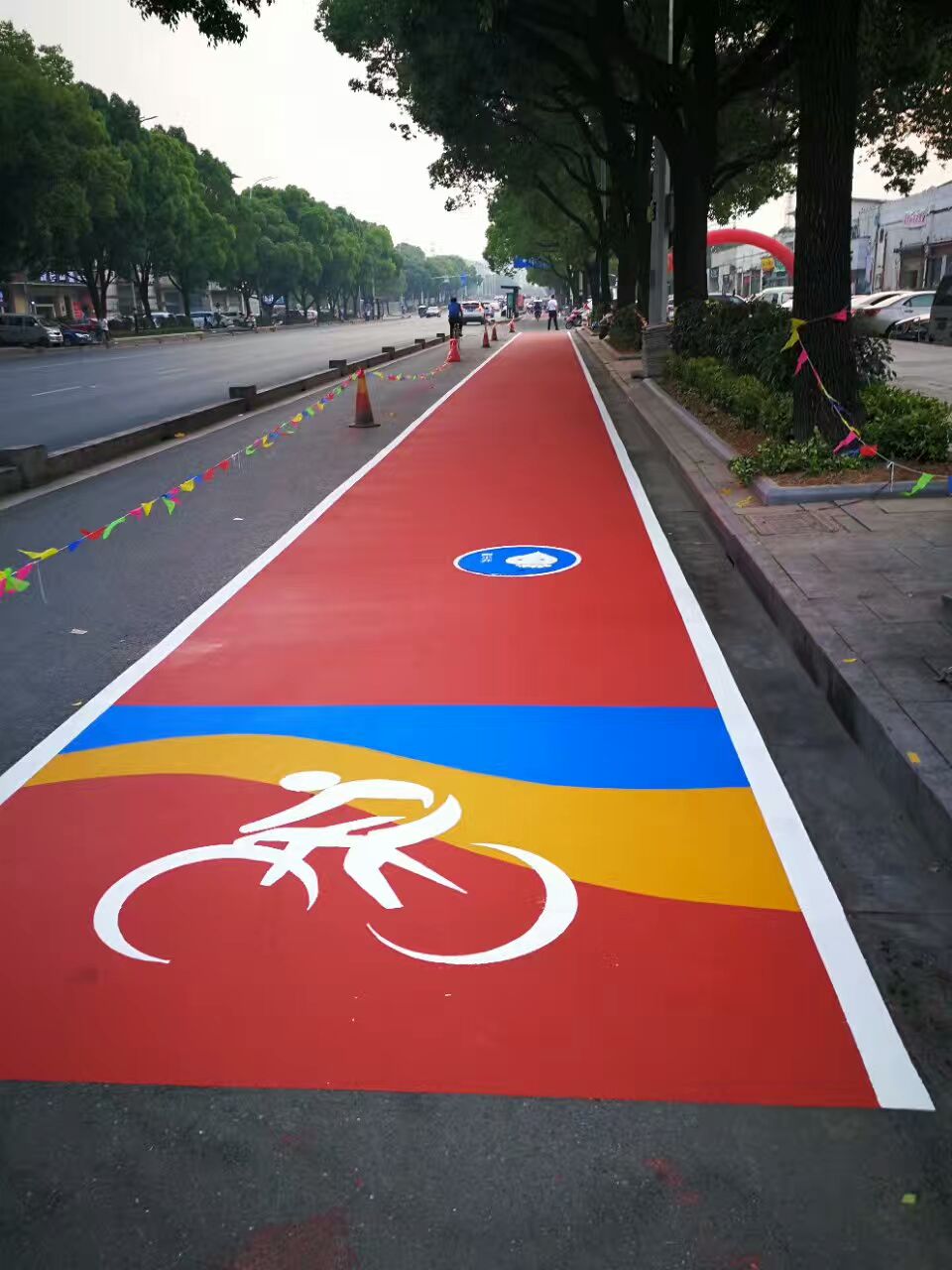
Zhaoqing City, China - Manufacturer of Red Transparent Concrete Floor Materials; Large Porous Permeable Colored Pavement Casting Technique
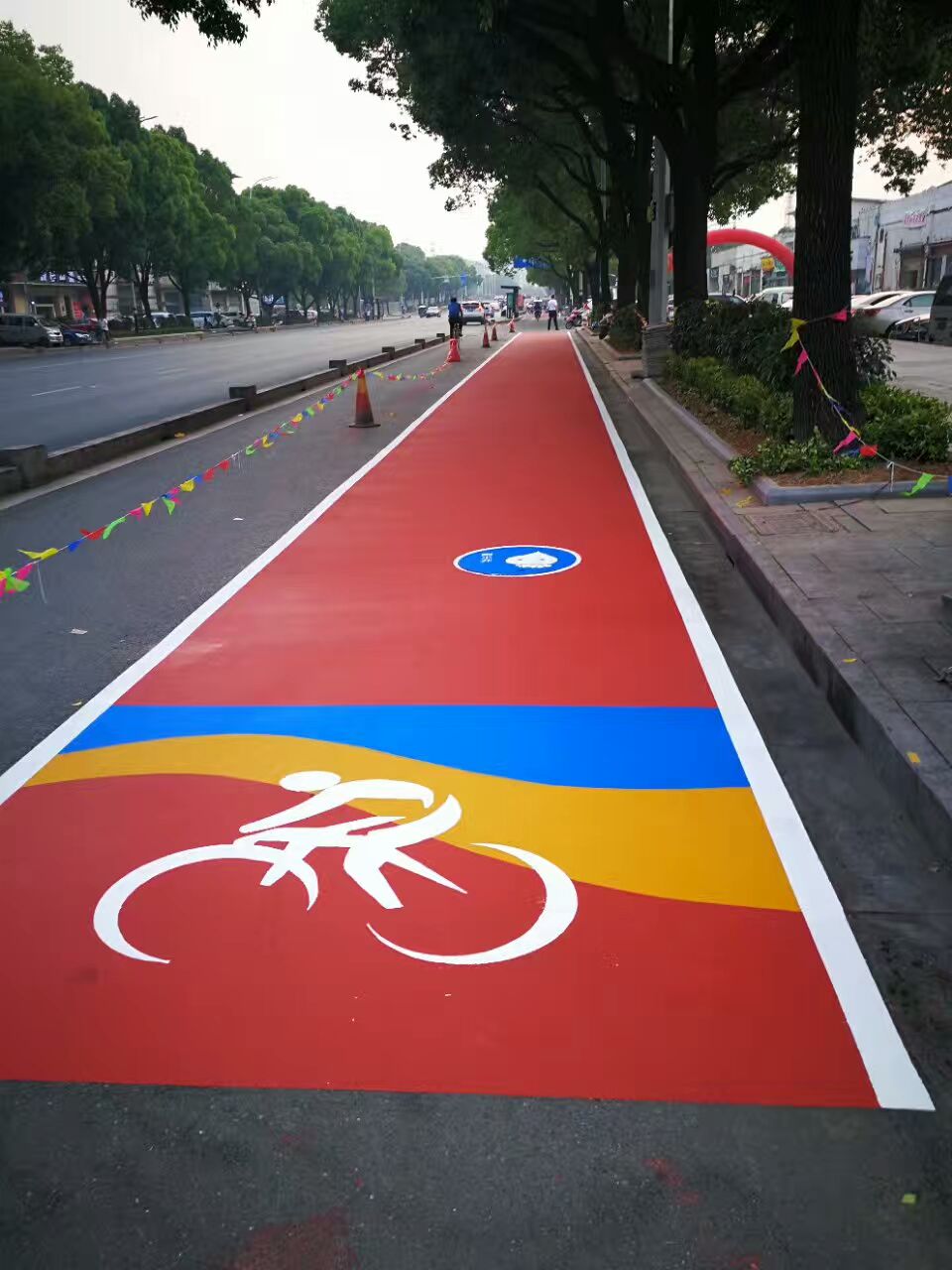
Zhaoqing City, China - Manufacturer of Red Transparent Water Concrete Floor Materials, Large Porous Permeable Colored Road Surface Casting Technology
详情描述
Porous pavement, as a new environmentally friendly and ecological road material, has garnered increasing attention. In modern cities, the surface is often covered with reinforced concrete buildings and impermeable road surfaces. Compared to natural soil, conventional concrete pavements lack breathability, heat absorption, and rainwater permeability, leading to a series of environmental issues.

Concrete has long been seen as a culprit in nature's destruction, but by forming continuous pores, it can create a connection point with the natural environment, altering its past image. Therefore, permeable concrete pavements are a creative material for restoring the Earth's environment that is constantly being damaged, contributing to human sustainable development.
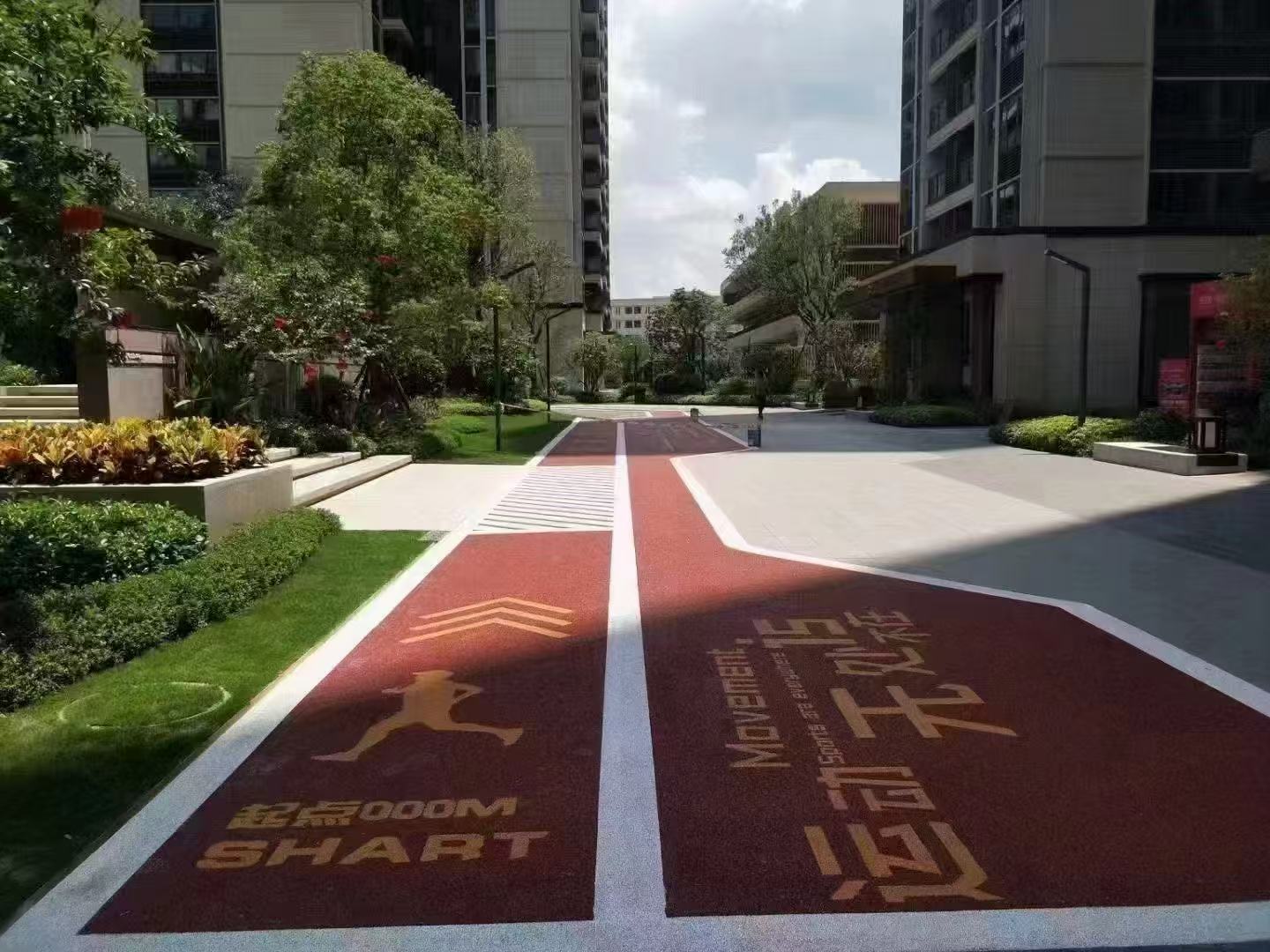
Porous pavement construction process:
Stirring: The cement slurry in the permeable concrete mixture has a higher viscosity and less quantity. To ensure the cement slurry wraps the aggregates evenly, a forced-action mixer is recommended, with a stirring time of over 5 minutes.
Before casting, the subgrade must be moistened with water. Otherwise, the rapid loss of moisture in the permeable pavement will weaken the bonding strength between aggregates. Since the permeable pavement mixture is relatively dry and hard, simply lay the mixed permeable pavement and good permeable pavement materials flat on the subgrade.
Vibration: Avoid vigorous vibration or compaction during the pouring process. Generally, use a flat plate vibrator to gently vibrate the permeable concrete mixture after it has been leveled, but be cautious not to use a high-frequency vibrator, as it will make the concrete too dense, reduce the porosity, and affect the permeability. Additionally, high-frequency vibration will cause the cement paste to separate from the surface of the coarse aggregates, settle at the bottom to form an impermeable layer, and thereby lose its permeability.
Rolling: After vibration compaction, further compacting and leveling the permeable concrete mix should be done using solid steel pipes or light roller compactors. Considering the consistency of the mix and surrounding temperature conditions, multiple rollings may be required. However, note that the roller must be cleaned before rolling to prevent adhesion of aggregate.
Maintenance: Permeable paving, due to its numerous pores, tends to lose water easily and dries quickly, making maintenance crucial. Especially early-stage maintenance, it's important to prevent excessive evaporation of moisture within the paving. Generally, the demolding time for permeable concrete is shorter than for regular concrete, which exposes its sides and edges to the air. Therefore, cover the surface and sides promptly with plastic film or colored tarpaulins to retain moisture and ensure full hydration of the cement. Start watering the permeable paving the day after pouring, but avoid using a pressure jet directly on the concrete surface as it may wash away some cement paste, creating weaker areas. Instead, water can be poured directly from above in normal conditions. The watering maintenance for permeable paving should last for at least 7 days.


询价单


